Camping Safari in Ruaha National Park
A camping safari in Ruaha National Park is the budget-friendly way to experience the park, staying at public or special campsites in your own or a provided tent, with meals cooked in camp and the same game drives as any other trip. It brings the wild close for a fraction of the lodge price. Ruaha is one of Tanzania’s largest national parks, in the south-central Iringa Region, and the anchor of the country’s quieter southern safari circuit.
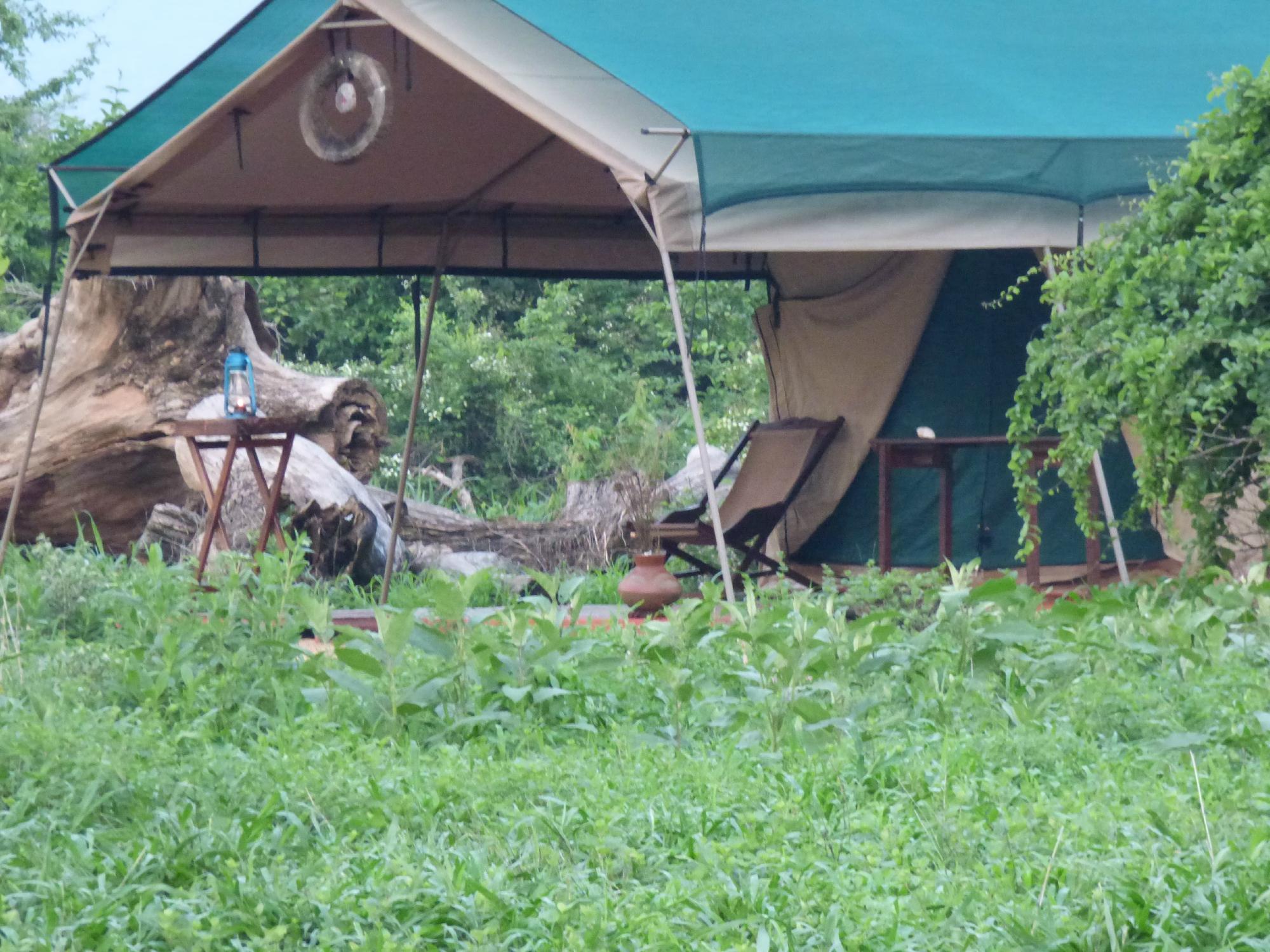
What a Camping Safari in Ruaha Involves
A camping safari swaps the lodge for a tent and brings the cost of a Ruaha trip right down. You stay at one of the park’s campsites, or at a budget camp near the gate, sleeping in a tent with basic bedding, eating meals prepared by a cook or your operator’s crew, and heading out on game drives just as guests at the pricier camps do. The wildlife you see is exactly the same; only the accommodation is simpler.
Camping suits travellers who care more about being in the park than about comfort, and who want to stretch a budget to include a park many assume is out of reach. It is also, for some, the more authentic way to experience the bush, since a tent puts only a thin wall between you and the wild. For the cost-conscious and the adventurous alike, a camping safari opens up a Ruaha safari that a lodge stay might not.
It is worth being clear that camping changes the accommodation, not the safari. You use the same park, the same roads and often the same kind of 4×4 and guiding as guests paying many times more, so the lions, elephants and wild dogs you find are identical. What you give up is the comfort at the end of the day: the soft bed, the hot shower, the cocktail on the deck. For travellers who came for the wildlife rather than the lodge, that is a trade well worth making, and it is how a great many people first experience a park like Ruaha without a big budget.
Public and Special Campsites in Ruaha

The park has two kinds of campsite, and knowing the difference helps you plan. Public campsites are the basic, shared option, with simple facilities like long-drop toilets and cold water, and they cost the least. They are usually near the park headquarters area, which makes them convenient for the main road network and the river.
Special campsites are more remote and exclusive, set in wilder spots with no fixed facilities, booked for the sole use of one group so you have the place to yourselves. They cost more than public sites but far less than a lodge, and they offer a genuinely wild camping experience. Both put you inside the park rather than outside the gate, which is the main advantage over the budget lodges, on a Ruaha safari.
Camping Inside the Park Versus Budget Lodges Outside
There are two budget approaches to Ruaha, and they are worth comparing. Camping inside the park, at a public or special campsite, puts you among the wildlife, so you wake to the sounds of the bush and are already in the game area for the morning drive. It is wilder and more absorbing, but the facilities are basic and you need camping kit and a plan for meals.
Staying at a budget lodge or campsite outside the park, in the Tungamalenga area near the gate, is more comfortable, with proper beds and prepared meals, but it means driving in and out each day and paying park entry on each entry. Neither is better outright; it comes down to whether you prioritise being inside the wild park or having a bit more comfort at the end of the day on a Ruaha safari.
Camping does not change what you see. The lions, the elephants, the wild dogs are all the same as from a luxury tent. What changes is the price, and how thin the wall is between you and the night.
Organised Versus Self-Drive Camping Safaris
You can camp in Ruaha two ways. On an organised camping safari, an operator handles everything: the vehicle and guide, the tents and camping kit, a cook and the meals, and all the park bookings, so you simply turn up and enjoy the trip. This is the easier and more popular route, and it still costs far less than a lodge stay while removing all the logistics.
Self-drive camping, where you bring your own 4×4 and kit and organise your own meals and bookings, is the cheapest option but demands real self-sufficiency, since the park is remote, and a capable high-clearance vehicle is a must. It suits experienced, independent travellers. For most people, an organised camping safari is the sensible balance of adventure, cost and ease on a Ruaha safari.
What to Expect From Camping Facilities in Ruaha
Set your expectations for basic and you will not be disappointed. Public campsites offer simple shared facilities, typically long-drop toilets and cold or bucket showers, with no electricity, so you rely on torches and charge devices in the vehicle. You cook on a fire or a gas stove, or your operator’s crew does, and you store food carefully so as not to attract animals.
Special campsites have no facilities at all, so your operator brings everything, including a portable toilet and shower, which is part of why they feel so wild. None of this is hardship for anyone used to camping, but it is a long way from a lodge, so bring what you need and expect to be self-reliant. The reward is being deep in the park for very little on a Ruaha safari.
Safety While Camping in Ruaha
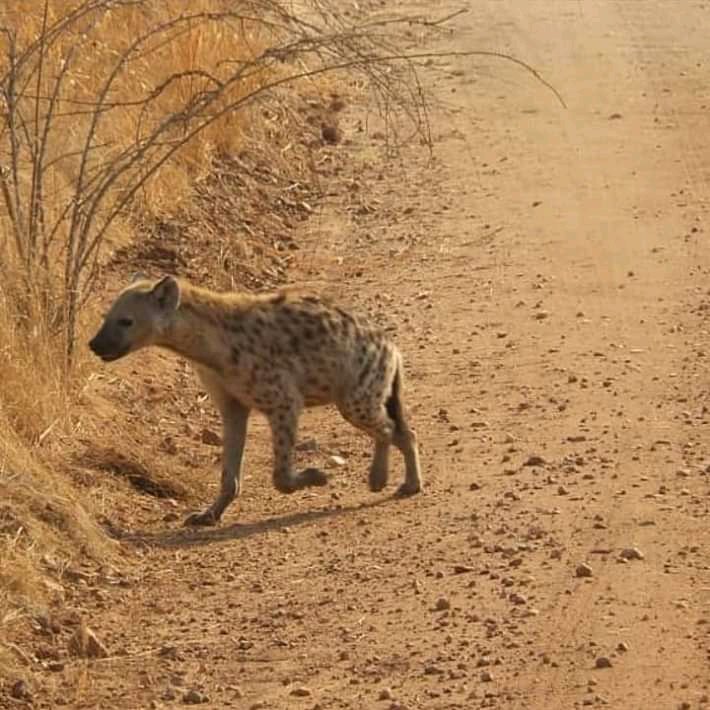
Camping in a park with dangerous game is safe when you follow the rules, which come down to respecting the wildlife and the campsite routine. Animals can and do move through campsites, particularly at night, so you stay in your tent after dark, keep it zipped, and do not leave food or scented items where they draw attention. Move around at night only with a torch and, at staffed sites, with the guidance of the crew.
Keep a sensible distance from any wildlife, never leave the campsite on foot alone, and store food securely away from the tents. An organised safari has a guide and crew who manage all this, which is one more reason it suits first-time campers better than going alone. Follow the routine and camping is a safe, rewarding way to experience a Ruaha safari.
Who a Camping Safari Suits
A camping safari suits budget-conscious travellers, backpackers, younger visitors and anyone who values being in the wild over creature comforts. It is ideal for those who want to see Ruaha’s wildlife without the lodge price tag, and who find a tent under the stars more appealing than a room. Overland and small-group tours often use this style, so it is sociable too.
It is less suited to travellers who want comfort, privacy and an ensuite bathroom, or to those uneasy about basic facilities and a thin wall between them and the bush. Families with young children may find it harder work, though older children often love it. If you are happy to rough it a little for the sake of the adventure and the saving, a camping safari is a fine way to do a Ruaha safari.
Best Time of Year for a Camping Safari in Ruaha
The dry season from June to October is much the best time to camp, since it needs dry weather to be comfortable and practical. Clear nights, firm ground and no rain make camping straightforward, and the wildlife concentrated near the river gives excellent game viewing. The nights are cold, especially June and July, so a warm sleeping bag and layers matter, but the dry conditions make the whole thing easy.
In the green season from November to April, rain makes camping wet and difficult, tracks turn muddy, and many campers stay away, so while it is cheaper and quieter, it is far less comfortable. For a camping safari that is both practical and enjoyable, plan for the dry months, when a night under canvas in Ruaha is at its best.
Frequently Asked Questions
Can you camp inside Ruaha National Park?
Yes. The park has public campsites with basic shared facilities, usually near the headquarters area, and more remote special campsites booked for the sole use of one group with no fixed facilities. Both put you inside the park among the wildlife, which is the main advantage over budget lodges outside the gate.
Is a camping safari cheaper than a lodge?
Considerably. Camping is the budget way to experience Ruaha, costing a fraction of a lodge stay while offering the same game drives and wildlife. An organised camping safari, where an operator provides the vehicle, guide, tents, cook and bookings, is the popular middle route, and self-drive camping is cheaper still for the self-sufficient.
Is camping in Ruaha safe with wild animals around?
Yes, when you follow the rules. Animals can move through campsites, especially at night, so you stay in your tent after dark, keep it zipped, store food securely and move around only with a torch. Keep your distance from wildlife and never walk off alone. An organised safari has a crew who manage all of this.
What facilities do the campsites have?
Public campsites have basic shared facilities, typically long-drop toilets and cold or bucket showers, with no electricity. Special campsites have no fixed facilities, so your operator brings everything including a portable toilet and shower. Expect basic conditions and to be self-reliant, which is part of the wild appeal of camping in the park.
How much does a camping safari cost?
Camping is the cheapest way to visit, with campsite fees far below lodge rates, though you still pay park entry, currently around 30 US dollars per non-resident adult per 24 hours before 18 percent VAT, plus campsite fees on top. An organised camping safari bundles vehicle, guide, kit and meals into a per-person rate. Confirm current fees with your operator and TANAPA before you travel.
Plan Your Ruaha Safari
An organised camping safari takes the logistics of tents, meals, permits and a capable vehicle off your hands while keeping the cost low, so it pays to arrange it with an operator who knows the park’s campsites. The safari companies and tour operators listed on this website run camping safaris across Ruaha, from public sites near the river to remote special campsites deep in the bush.
Whether the budget is tight or open, the camping, guiding, drives and park bookings are handled in the background so none of the admin lands on you. Want a proper quote, or just a steer on a budget camping trip? Reach out to the operators listed here, and a real person, not a bot, will get back to you.