How to Get to Ruaha National Park From Dar es Salaam
The quickest way to get to Ruaha National Park from Dar es Salaam is a light-aircraft flight of about two to two and a half hours to an airstrip inside the park. Driving is the budget alternative, covering roughly 625 kilometres in eight to ten hours via Iringa, with the final stretch on gravel in a 4×4. Ruaha is one of Tanzania’s largest national parks, in the south-central Iringa Region, and the anchor of the country’s quieter southern safari circuit.
Fly-In Safari From Dar es Salaam to Ruaha
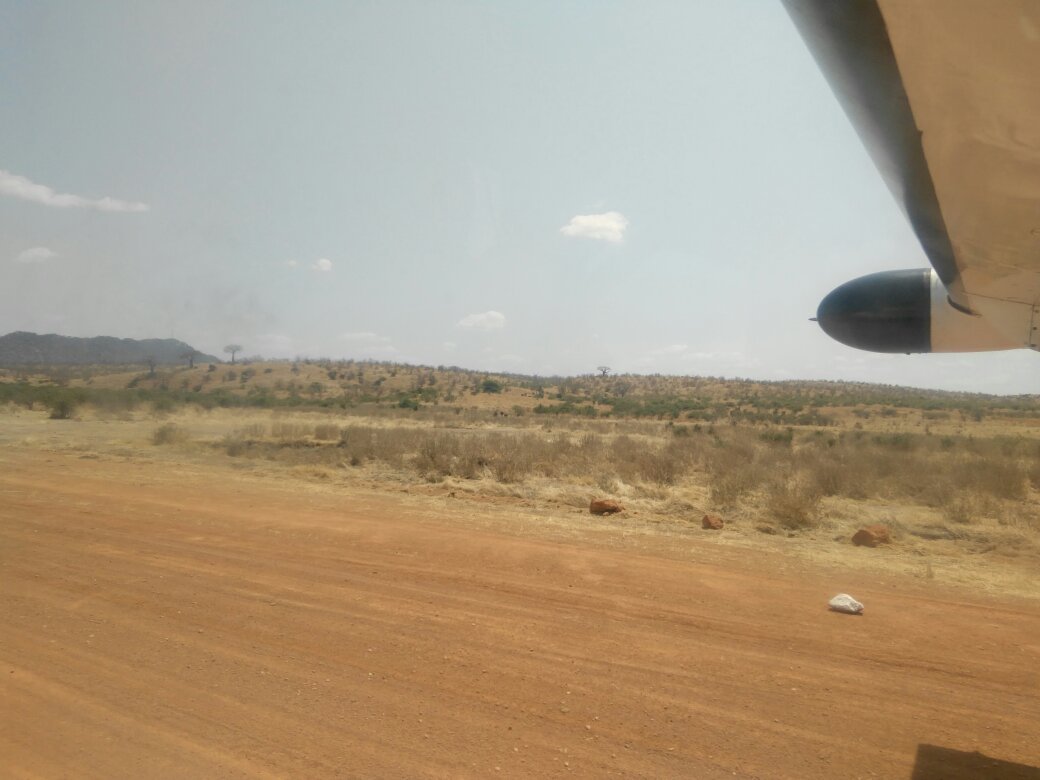
For most visitors, a fly-in safari is the sensible way to reach Ruaha. Scheduled and charter light aircraft leave Julius Nyerere International Airport in Dar es Salaam and land at an airstrip inside the park in around two to two and a half hours. Compared with a full day on the road, that is a lot of time and comfort bought back, and it drops you straight into game country ready for an afternoon drive.
One quirk worth knowing. Depending on who else is aboard, your plane may touch down at Mikumi or Nyerere on the way in or out, so the flight can involve a short hop or two. Rather than a nuisance, that gives you an aerial look at the other southern parks. Your camp usually arranges the flight as part of the package and meets you at the airstrip, so the flying slots into the wider trip with little effort on your part.
Pack with the aircraft in mind. Light planes on these routes hold you to a strict luggage limit, commonly around 15 kilograms in a soft bag rather than a hard case, since space and weight are tight. A soft holdall packs into the hold far more easily than a rigid suitcase, so check your carrier’s exact allowance before you leave home and leave the big case in Dar es Salaam or Zanzibar if you can.
Which Airlines Fly the Dar es Salaam to Ruaha Route
Several domestic carriers serve the park. Coastal Aviation, Auric Air, Safari Air Link and Flightlink are the names you will see most often on the Dar es Salaam to Ruaha run, with some flights routing via Iringa. Larger domestic airlines like Air Tanzania and Precision Air cover the trunk routes into hubs such as Dar es Salaam and Iringa, from which the smaller operators take over for the final leg into the park.
Because the southern circuit is quieter than the north, flight frequency is lower and schedules can shift with the season, so it pays to have your operator hold seats early. If you are on a package, all of this is booked for you, which spares you piecing together connections and timings on your own.
Airstrips Inside Ruaha for Your Safari
Ruaha has its landing strips inside the park, which is why the fly-in works so well. The main one is Msembe, beside park headquarters, where most flights land and where you clear the quick registration before the transfer to camp. The second is Jongomero, in the remote south, a short hop on for guests staying at camps in that sector. On landing you are met by a 4×4 and a guide, and the drive to your camp doubles as your first game viewing, since the wildlife starts right at the strip.
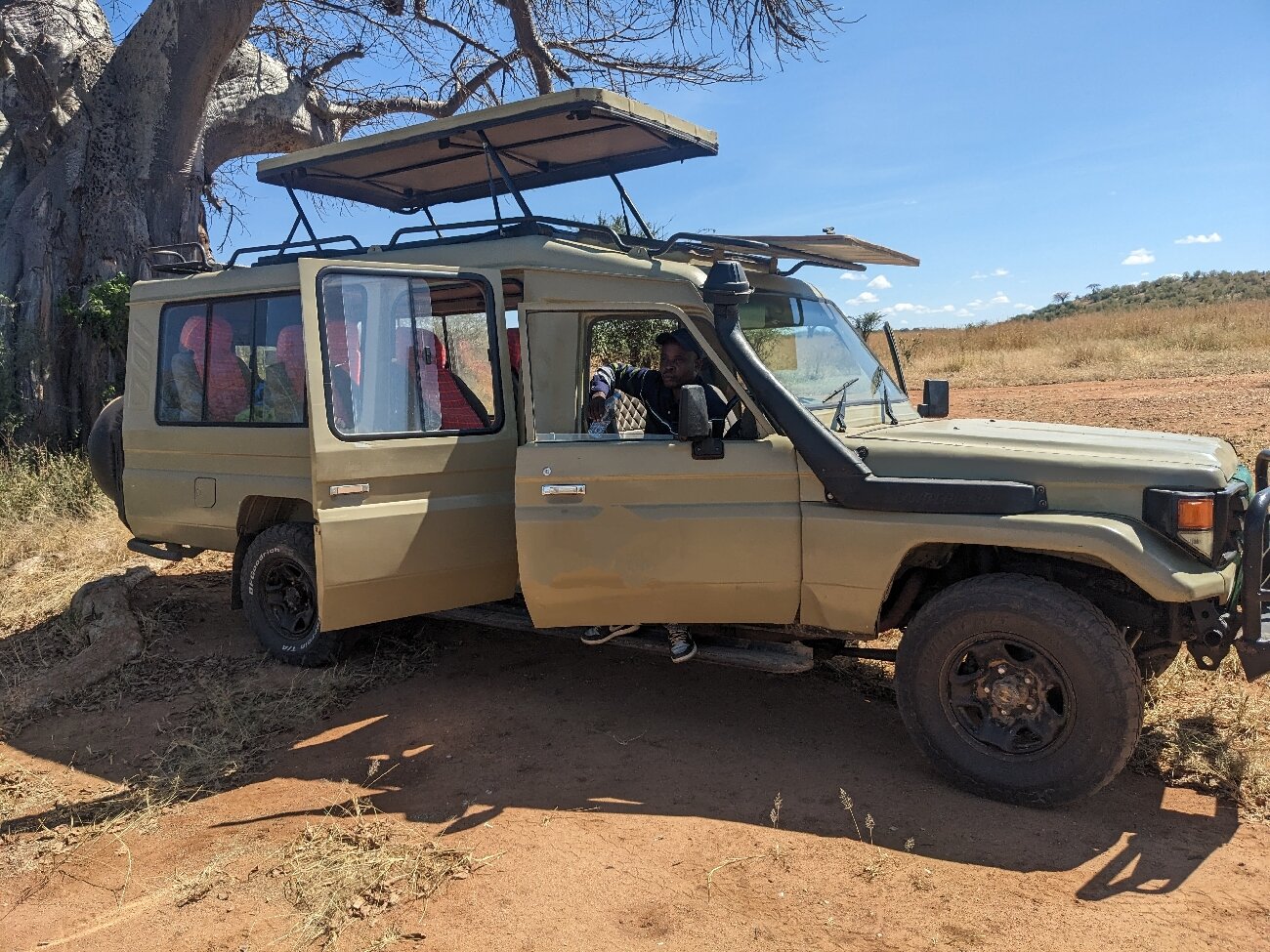
At Ruaha the airport transfer is the safari. You land, meet your guide, and the drive to camp is already game viewing, with the first sightings often coming before you reach your tent.
Road Safari From Dar es Salaam to Ruaha via Iringa
Driving is the choice for travellers with time and a tighter budget. The road safari from Dar es Salaam runs southwest to Iringa on the paved A7 highway, a stretch of roughly six to eight hours in decent conditions. From Iringa it is a further leg on gravel to the park gate. All in, the drive lands around eight to ten hours, which is why most people break it rather than push through in one go.
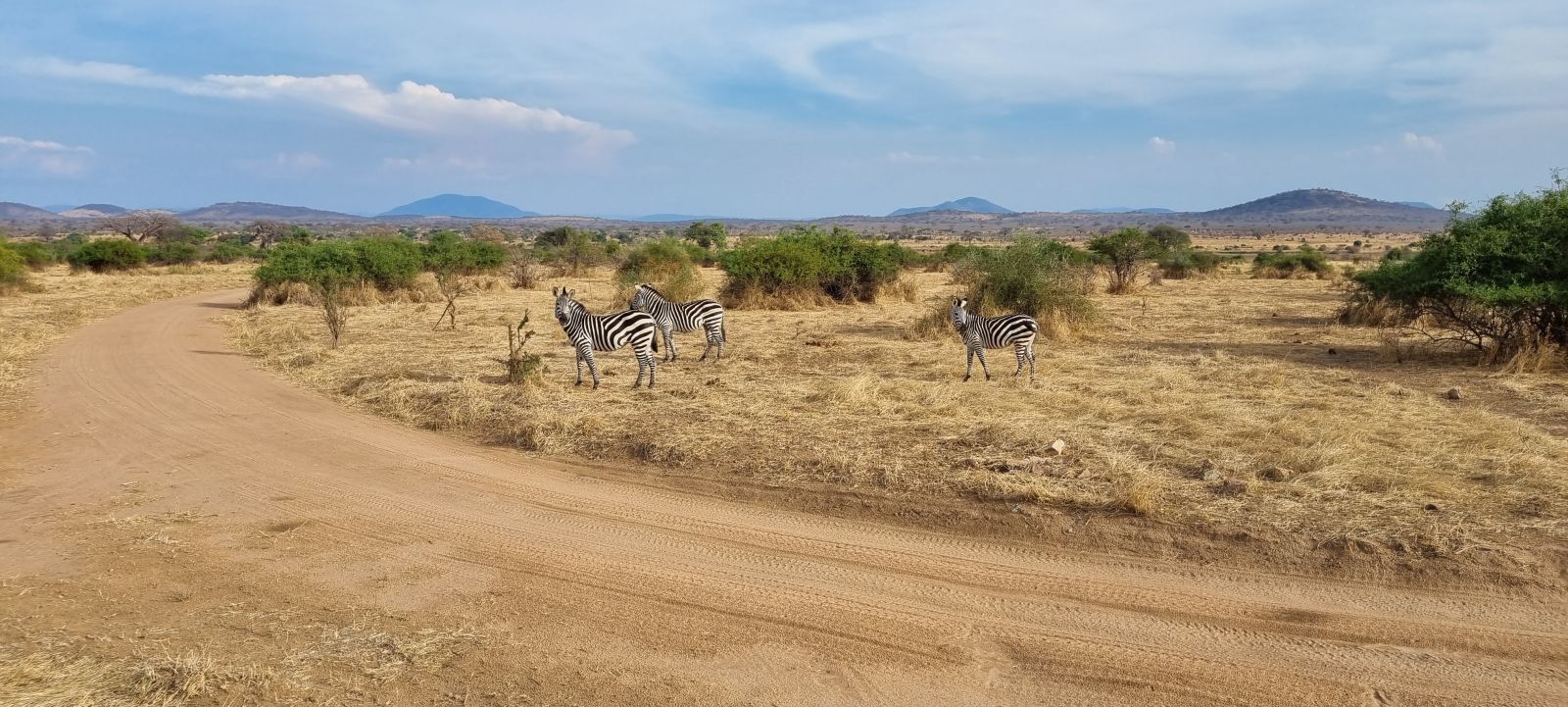
The road rewards you with a real look at rural Tanzania, from highland farms to roadside markets, that you simply miss from the air. A night in Iringa or Morogoro splits the drive sensibly and lets you reach the gate fresh. A reliable 4×4 matters, both for the gravel section and for the park itself, where the tracks call for high clearance.
The Drive From Iringa to the Ruaha Gate
Iringa is the last town of any size before the park, and from there it is about 130 kilometres to the Msembe gate. The road is graded gravel, kept passable through the year, and the drive takes roughly two to three hours depending on conditions. Locals call it a long, straight run, so settle in and enjoy the changing country as farmland gives way to bush. Use Iringa to fuel up, grab any supplies and confirm your timing, because once you leave town the services thin out fast.
Fly-in. About two to two and a half hours from Dar es Salaam to an airstrip in the park. Fast, comfortable and the usual choice for shorter, higher-end trips. Higher cost, minimal fatigue.
Road via Iringa. Roughly 625 kilometres and eight to ten hours, the last stretch on gravel in a 4×4. Cheaper, scenic and best broken with an overnight in Iringa. Heavy on time.
Combining Flight and Road for Your Ruaha Safari
You do not have to pick one and stick with it. A popular middle path flies one direction and drives the other, which caps both the cost and the fatigue. Some visitors fly as far as Iringa on a larger aircraft, then cover the final gravel leg by road, splitting the difference neatly. Another option is the TAZARA train from Dar es Salaam to Makambako, followed by road to Iringa and the park, for travellers who want the rail experience as part of the trip. Mixing modes like this is common on a Ruaha safari and easy for an operator to arrange.
Connecting to Ruaha From Zanzibar and the Southern Safari Circuit
Ruaha connects well beyond Dar es Salaam. Flights link the park with Zanzibar, which is why so many people finish a safari with a few days on the island, and with the other southern parks such as Nyerere and Mikumi. There are also air links between the southern and northern circuits, and even a service that ties Ruaha to the Serengeti for those combining the two. Because the park sits centrally, it drops into a longer Tanzania route without forcing a long backtrack, whether you are heading to the coast afterward or moving on to another park.
Arrival, Transfers and Park Rules for Your Ruaha Safari
Whichever way you arrive, one rule shapes the timing. There is no night driving inside Ruaha, so you must reach your camp before dark, whether you land at an airstrip or come in by road. For fly-in guests this is rarely an issue, since flights are timed for it. For drivers it means planning the last leg so you clear the gate in daylight, which is another reason an overnight in Iringa makes sense. On arrival, a quick registration at headquarters is followed by the transfer to camp, and from there your guide takes over the logistics for the rest of the stay.
Best Time to Make the Trip to Ruaha
The dry season from June to October is both the best time for wildlife and the easiest for travel, since the roads are firm and the flights run on their fullest schedule. In the green season from November to April, the flying still works well, but road conditions get harder as the gravel softens and some tracks turn muddy, so the fly-in becomes even more appealing. If you are set on driving, aim for the dry months when the route is at its most reliable.
Frequently Asked Questions
How long does it take to get to Ruaha from Dar es Salaam?
By air it is about two to two and a half hours to an airstrip inside the park. By road it is roughly eight to ten hours to cover the 625 or so kilometres via Iringa, with the last stretch on gravel, which is why many drivers break the trip with a night in Iringa.
How much does it cost to fly from Dar es Salaam to Ruaha?
A light-aircraft flight has commonly run at around 380 US dollars per person each way, though the exact fare varies by carrier, season and how early you book. It is the single biggest reason a Ruaha trip costs more than a northern-circuit park, so factor it in when you plan. Your operator can quote a current fare and hold seats, since schedules are lighter on the southern circuit.
Can you drive to Ruaha, and what does it cost?
Yes. You can self-drive in a 4×4 or hire a vehicle with a driver. A bus from Dar es Salaam to Iringa runs cheaply, often around 15 to 25 US dollars per person, while private 4×4 hire with a driver sits in the region of 200 to 300 dollars per day. From Iringa it is a further two to three hours on gravel to the gate. A reliable high-clearance vehicle is important for both the approach road and the park itself.
Which airstrip will I land at in Ruaha?
Most flights land at Msembe, beside park headquarters, where you register before transferring to camp. Guests staying in the remote south often land at Jongomero instead, a short hop further on. Your camp will tell you which strip suits your booking and will meet you there.
Do I need to arrive before dark?
Yes. Ruaha does not allow night driving, so you must reach your camp in daylight. Fly-in schedules are built around this, but if you are driving, plan the final leg so you clear the gate before dusk. This is one more reason an overnight stop in Iringa works well on a road trip.
Plan Your Ruaha Safari
Stitching flights, transfers and timings together for a park this far off the main road can feel like a puzzle, and you do not have to solve it alone. The safari companies and tour operators listed on this website arrange Ruaha access every week, from fly-in packages out of Dar es Salaam and Zanzibar to guided road trips through Iringa. Ask them straight and they will tell you which option fits your time and budget rather than pushing the priciest route.
Whether you want the quick flight or the scenic drive, the seats, vehicles and park bookings are handled in the background so none of the logistics land on you. Want a proper quote, or just a steer on the best way in? Reach out to the operators listed here, and a real person, not a bot, will get back to you.