What Are the Main Ecosystems of Ruaha?
The main ecosystems of Ruaha National Park are miombo woodland, riverine forest along the Great Ruaha River, open savannah grassland and baobab plains, seasonal wetlands in the west, and rocky hills and escarpments. This mix sits where East African and Southern African species overlap, which gives the park its unusually long wildlife list. Ruaha is one of Tanzania’s largest national parks, in the south-central Iringa Region, and the anchor of the country’s quieter southern safari circuit.
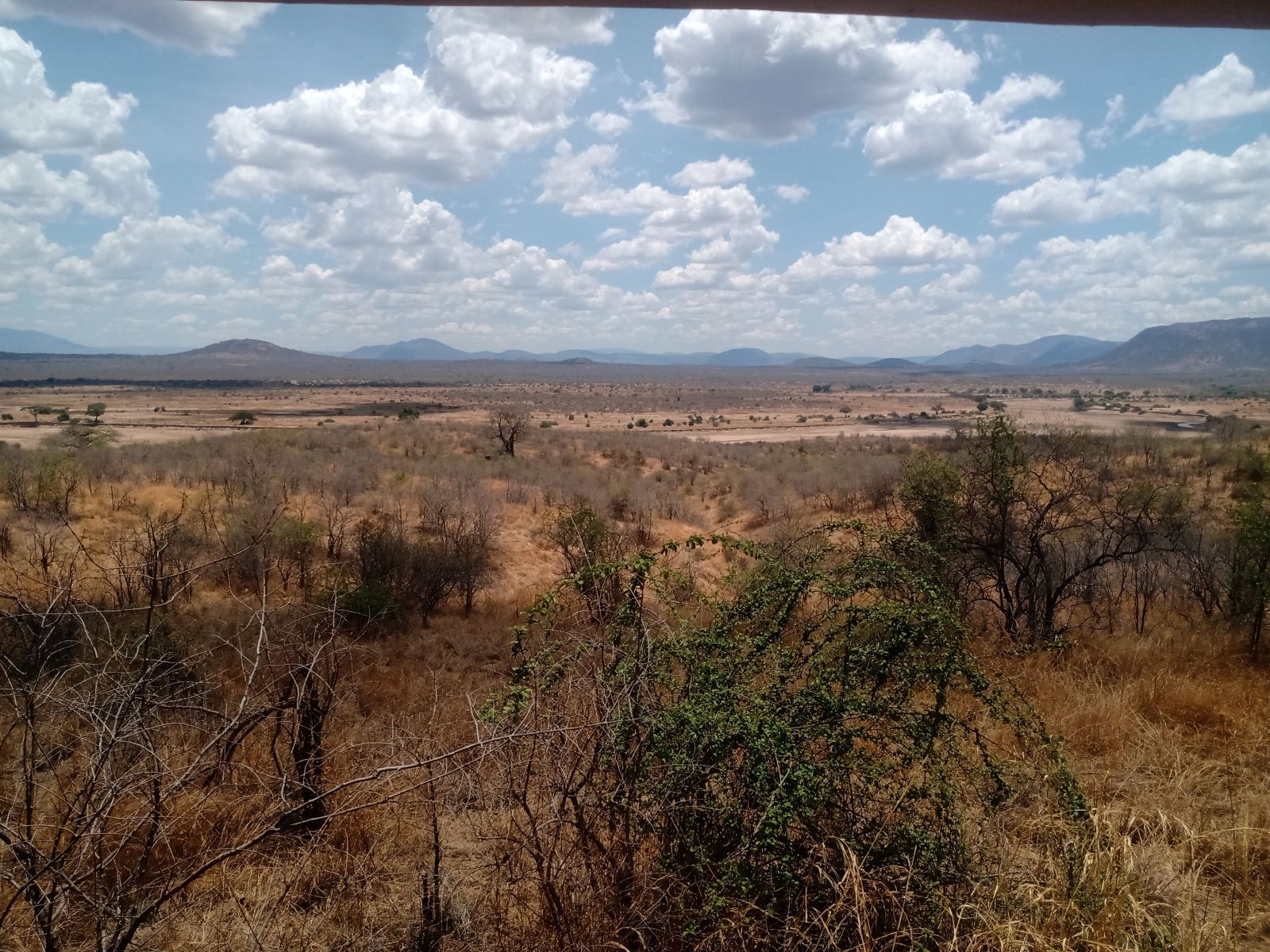
Miombo Woodland Safaris in Ruaha National Park
Miombo woodland is the park’s dominant cover, and it defines much of the higher, cooler ground. This is a broad belt of deciduous trees, mostly brachystegia and julbernardia, that runs across large parts of southern Africa and reaches one of its strongholds here. On a miombo woodland safari, the going is shadier and more enclosed than the open plains, and it suits animals that favour cover, including sable and roan antelope and the greater kudu that Ruaha is known for.
The woodland also brings its own challenges and rewards. Tsetse flies can be present in the denser stands, which is part of why the hilly, wooded ground sees fewer visitors than the river. Against that, the miombo holds species you will not easily find on the plains, and the birding through the trees is excellent. Guides who know the woodland can turn what looks like uniform bush into a run of specialist sightings.
Miombo also changes dramatically with the seasons, which shapes what you see. In the dry months the trees drop their leaves and the woodland opens up, making animals easier to spot among the bare trunks. When the rains come, the canopy fills in and turns a soft new green, the ground flushes with grass, and the same woodland that looked stark becomes dense and alive with breeding birds. This seasonal swing is one reason the woodland rewards more than a single quick pass, since the same stretch offers a different experience depending on when you drive it.
Riverine Forest Safaris Along the Great Ruaha River
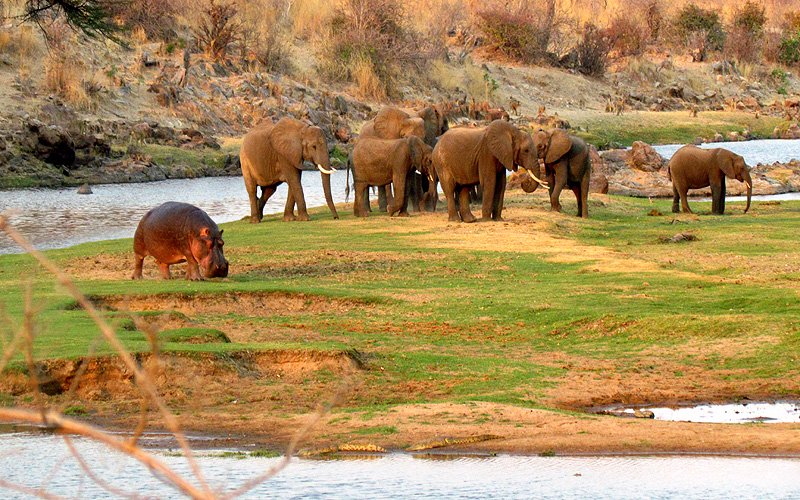
Where the Great Ruaha River and its sand tributaries run, a ribbon of riverine forest follows. This is the greenest, densest habitat in the park, a thin strip of tall trees and thick vegetation fed by the water below. It is also where much of the wildlife concentrates, especially in the dry season, so a riverine forest safari along the banks is where the classic Ruaha game viewing happens. Elephant, buffalo, hippo and predators all use the river country, and the shade of the big riverine trees draws animals through the heat of the day.
The riverine strip punches well above its size. Though it makes up only a narrow band of the park, it holds a large share of the wildlife because everything depends on the water. Big trees like tamarind, acacia and sausage trees line the banks, and leopards favour them for resting and stashing kills, which makes the river forest one of the better places to look for cats. Birds crowd the canopy and the water’s edge, from fish eagles to kingfishers and bee-eaters. For a first-time visitor, most of the memorable sightings on a Ruaha trip happen within sight of this green ribbon.
Savannah Grassland and Baobab Plains Safaris
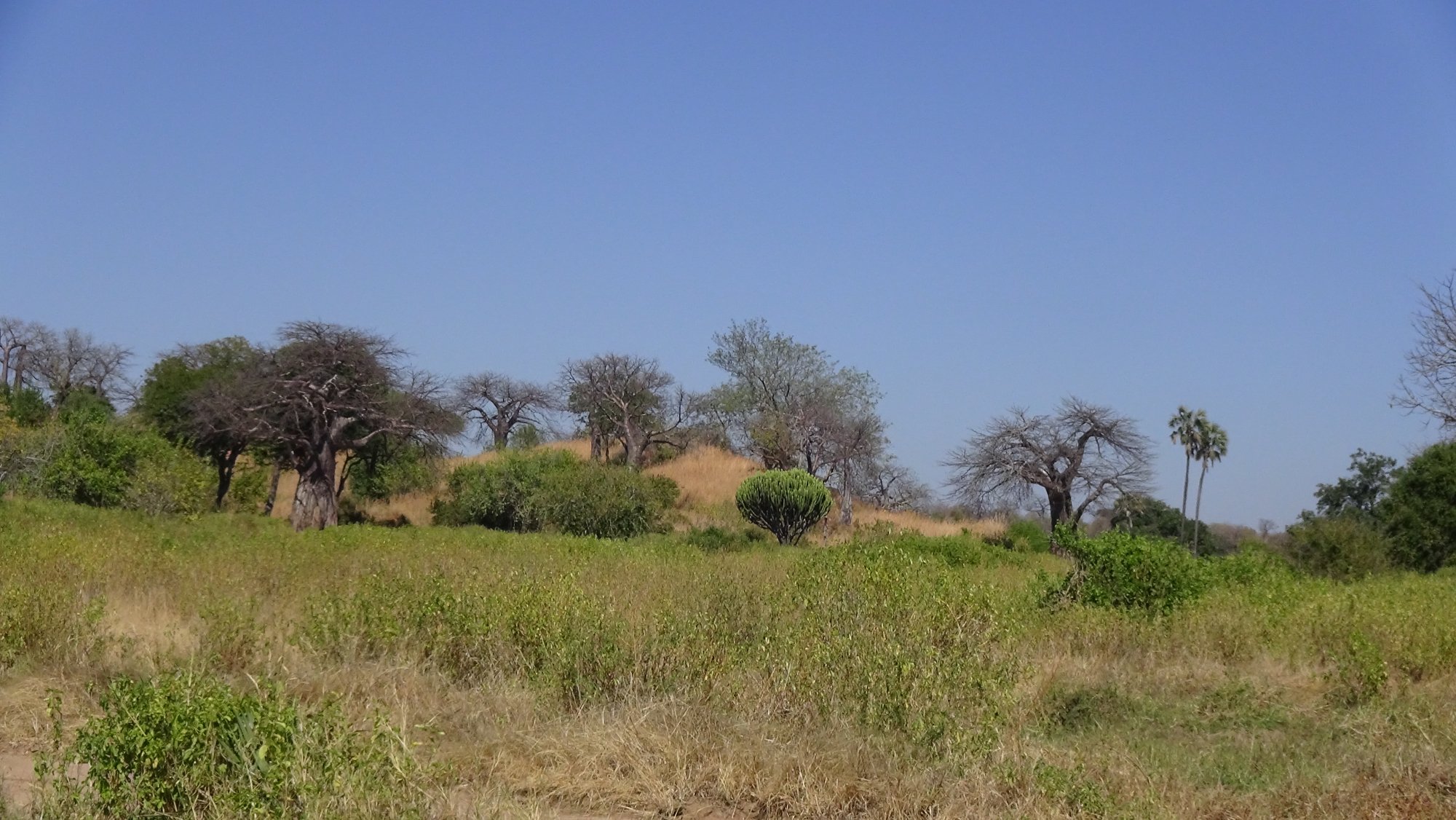
Between the woodland and the river lie the open plains, the savannah grassland dotted with ancient baobabs that gives Ruaha much of its character. This is prime country for a plains safari, with the open ground making it easier to spot lion, cheetah and the herds of impala, zebra and giraffe that graze here. The baobabs are a signature of these plains, some centuries old, swelling in the rains and dropping their leaves in the dry season to stand like upside-down trees against the sky. For photographers, the grassland and baobab country is the most striking part of the park.
Ruaha is really several parks in one. Woodland, river forest, open plain and wetland sit side by side, and each holds animals the others do not, which is why the wildlife list runs so long.
Usangu Wetlands and Ihefu Swamp Habitats
In the west, the Usangu wetlands and the Ihefu swamp add a habitat unlike anything else in the park. Folded into Ruaha in 2008, these seasonal marshes and floodplains hold standing water and support their own birdlife and wildlife, from waterbirds to the animals that come to graze the wet grassland. The wetlands are more than a scenic feature, since they feed the Great Ruaha River and help sustain its flow downstream. This makes them important to the whole park’s water system, and a draw for birders and travellers curious about the wilder, less-visited western reaches.
Rocky Hills and Escarpment Country on Safari
Ruaha is not flat. Rolling hills, rocky outcrops and escarpments break up the country, rising above the plains and the river valleys. These rocky areas add drama to the scenery and give the park some of its best viewpoints, with camps like the one on the Ikuka escarpment making the most of the long views. The broken ground suits animals that favour cover and height, from klipspringer on the rocks to leopard using the outcrops as lookouts. A drive through the hill country feels different from the open plains, and it shows off another side of the park’s varied terrain.
The high ground also pays off at the edges of the day. Camps and viewpoints set on the escarpment look out over huge stretches of the park, and a sundowner from a rocky outcrop as the light drops over the baobab plains is one of the quieter rewards of a Ruaha trip. Geologically, these outcrops are ancient, part of the old rock that underlies much of central Tanzania, and they weather into the boulders and koppies that dot the country. For photographers, the interplay of rock, tree and long view gives the hill country a character quite unlike the flat game plains further north.
The East and Southern Africa Transition Zone
The single most important thing about Ruaha’s ecosystems is where they sit. The park lies at a transition zone where the wildlife of East Africa meets that of Southern Africa, and that overlap is what makes its species list so unusual. Greater and lesser kudu occur together here, which is rare. Sable and roan antelope share ground with Grant’s gazelle and impala. Both striped and spotted hyena are present. This crossroads is a geographic accident with a big payoff, and it is the reason a Ruaha safari can feel different from anywhere else in the country.
How Ruaha’s Ecosystems Shape Your Safari
All these habitats sitting side by side is what gives a Ruaha trip its variety. In a single day you can drive from open baobab plain to shaded miombo woodland to the green ribbon of the river, and the wildlife changes with the country. The dry season pulls much of the game toward the river and its forest, so that is where guides focus, while the woodland and hills reward those looking for specialist species. Understanding the park as a patchwork of ecosystems, rather than one uniform bush, is the key to reading a Ruaha safari and knowing where to look for what.
Best Time to Explore Ruaha’s Ecosystems on Safari
The dry season from June to October concentrates wildlife in the riverine and grassland habitats, making the classic game viewing easiest, while the woodland stays quieter and more specialist. The green season from November to April brings the whole park to life, with the plains greening up, the wetlands filling and the birding at its best across every habitat, though the game spreads out and is harder to find. To see the ecosystems at their most alive, the green season shows off the scenery, while the dry season is best for concentrated wildlife along the river.
Frequently Asked Questions
What type of ecosystem is Ruaha National Park?
Ruaha is a mosaic rather than a single ecosystem. It combines miombo woodland, riverine forest, open savannah grassland with baobabs, seasonal wetlands and rocky hills, all sitting where East African and Southern African species overlap. This variety of habitats in one park is a big part of why its wildlife list is so long and unusual.
Why does Ruaha have such varied habitats?
Because of its location and terrain. The park sits at a transition zone between two of Africa’s great faunal regions, and its range of altitude and country, from hot river valleys to cooler wooded highlands, creates many different habitats. Each suits different animals, which is why the species list includes combinations found in few other parks.
What is miombo woodland?
Miombo is a broad belt of deciduous woodland, dominated by brachystegia and related trees, that stretches across much of southern Africa and reaches a stronghold in Ruaha. It is shadier and more enclosed than the open plains, holds specialist species like sable and roan antelope, and offers excellent birding, though tsetse flies can be present in the denser stands.
Which habitat is best for wildlife viewing in Ruaha?
In the dry season, the riverine forest and grassland along the Great Ruaha River are best, since shrinking water pulls the game toward the river where it is easy to find. The woodland and hills hold specialist species but see fewer visitors. For a first visit focused on the big sightings, the river country is where to spend most of your drives.
How much does a Ruaha safari cost?
It depends on how you travel and where you stay. Park entry for a non-resident adult is currently around 30 US dollars per person for each 24 hours before 18 percent VAT, with reduced rates for residents and East African citizens. Flights from Dar es Salaam have commonly run around 380 dollars per person each way, and accommodation ranges widely by tier. Confirm current park fees with TANAPA before you travel.
Plan Your Ruaha Safari
Reading Ruaha as a patchwork of habitats, and knowing which to drive for what you want to see, is where a good guide earns their keep. The safari companies and tour operators listed on this website run drives across every part of the park, from the river forest to the miombo woodland and the open baobab plains, and they can shape your days around the wildlife and scenery you care about most. Ask them straight and they will tell you what your dates are likely to deliver.
Whether the budget is tight or open, the drives get built around what you most want to see, and the flights, park bookings and camp choices are handled in the background so none of the admin lands on you. Want a proper quote, or just a steer on where to start? Reach out to the operators listed here, and a real person, not a bot, will get back to you.