Which Month Has the Best Wildlife Viewing in Ruaha?
September and October offer the best wildlife viewing in Ruaha, when the driest conditions concentrate animals along the Great Ruaha River, though the wider dry season from June to October is all excellent. The green season from November to April is best for birds and lower rates. Ruaha is one of Tanzania’s largest national parks, in the south-central Iringa Region, and the anchor of the country’s quieter southern safari circuit.

The Best Months for Wildlife Viewing on a Ruaha Safari
If you want a single answer, September and October top the list for general wildlife viewing on a Ruaha safari. By then the park has gone months without rain, the bush has thinned to its sparsest, and water has shrunk back to the river and its pools, so the animals have nowhere to hide and nowhere else to drink. That combination makes the game easy to find and the predator action reliable, which is what most people mean by the best wildlife viewing.
That said, the whole dry season from June to October is strong, and the right month for you depends a little on what you most want to see and how you weigh crowds, cost and comfort. The park never gets truly busy, so even peak months feel quiet, but rates and demand do rise in the popular window. Understanding what each part of the year delivers helps you pick the month that fits your priorities.
Peak Wildlife Viewing: August to October
August to October is the peak for game viewing, and October is often the very best single month. The land is at its driest and hottest, the vegetation is thin, and the concentration of wildlife on the Great Ruaha River is at its most intense. Elephant herds crowd the riverbed to dig for water, big lion prides set up around the pools, and the general game is packed into the river country. For predators, elephants and sheer density of sightings, this is the sharpest end of the season on a Ruaha safari. The trade-off is heat and dust, and slightly higher demand, but for wildlife it is hard to beat.
The heat in these months is real and worth planning for. Daytime temperatures climb, the middle of the day is best spent resting in the shade of camp, and the drives shift to the cooler early and late hours when the animals are active anyway. Dust coats everything, so camera gear needs protecting. None of this dents the wildlife viewing, which is the whole reason to come at this time, but it does mean packing sun protection, light clothing and plenty of water, and accepting that the reward for peak game density is a hotter, dustier park than the gentler early dry season offers.
August to October. Peak game viewing. Thinnest bush, most concentrated wildlife, strongest predator action. Hot and dusty, the best for sheer sightings.
June to July. Early dry season. Cooler, greener and quieter, with wildlife drawing toward the river and the wild dog denning season underway.
November to April. Green season. Superb birding, photogenic country and lower rates, but dispersed game and some camp closures in the heavy months.

Early Dry Season: June and July
June and July are the gentler face of the dry season, and they have real advantages. The country is still holding some green from the rains, the river is fuller, and the weather is cool and comfortable, with chilly early mornings that call for a warm layer. Wildlife is drawing toward the water but not yet packed in as tightly as later, so sightings are good without the peak-season heat. Crucially, these months bring the wild dog denning season, which offers the best odds of the year for that prized sighting. For a balance of comfort, decent game and fewer visitors, early dry season is a smart choice.
Green Season Months: November to April
The green season flips the priorities. From November the short rains arrive, the park turns green, and the wildlife disperses as water spreads across the country, so the concentrated dry-season game viewing fades. Against that, the birding becomes the best of the year as migrants arrive, the scenery is at its most photogenic, and rates drop sharply with far fewer visitors around. December through February is the heart of it, warm and wet with dramatic skies, while March and April bring the heaviest rain and some camp closures. For birders, photographers and budget travellers, the green months hold genuine appeal despite the tougher game viewing.
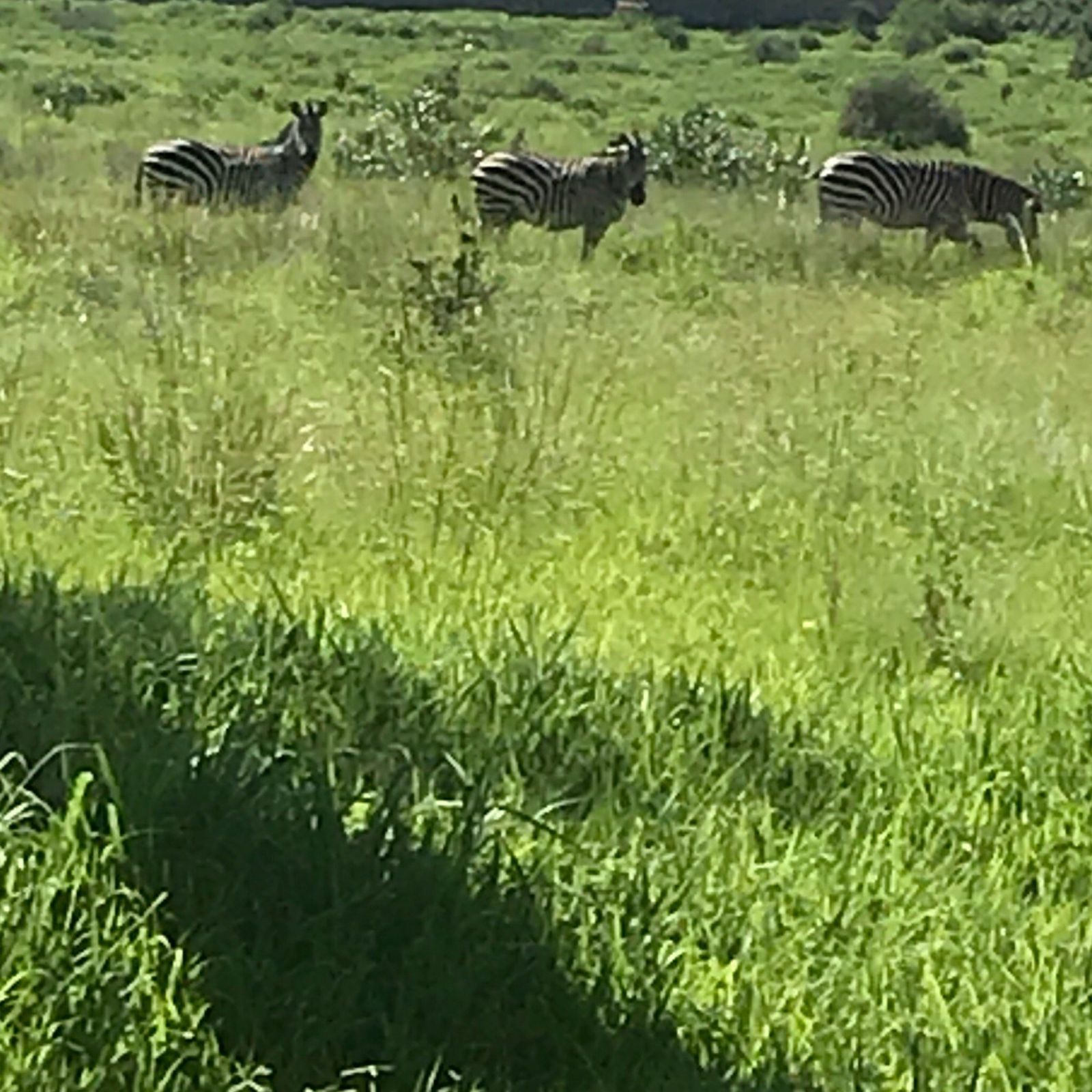
The green season also brings something the dry months cannot, which is new life. The rains trigger a wave of births among the plains game, so the park fills with young impala, zebra foals and other newborns, which in turn draws predator attention. The country is at its most beautiful, the baobabs in leaf and the grass tall and green, and the light after a storm can be extraordinary for photography. Game viewing takes more patience because the animals are spread out and the grass is high, but for a traveller who values scenery, birdlife and a park almost to themselves, the green season is far from a compromise.
Shoulder Months: May and November
The transition weeks of May and November are the quiet secret of the calendar. In May the long rains are ending, the park is green and fresh, and the crowds have not arrived, so you get scenery and space with prices below peak. In November the park is drying out, wildlife is starting to draw back toward the river, and the first migrant birds are showing up, giving a bit of everything. Neither shoulder month offers the guaranteed density of the peak, but both reward flexible travellers who want good value and a park in transition on their Ruaha safari.
Best Month for Predators, Elephants and Birds
Different priorities point to different months. For predators and big cats, aim for August to October, when the prides concentrate on the river. For elephants, the same late dry-season window is best, when the herds gather to dig in the sandy beds. For wild dogs, target June and July and their denning season. For birds, the green months from November to January are prime, as migrants swell the already long list. If you want a single all-round month that balances strong game with reasonable comfort, September is hard to beat, while October edges it for pure density if you can take the heat.
How Each Month Shapes a Ruaha Safari
The month you choose changes the character of the trip, not just the odds of a sighting. A dry-season visit is about concentrated wildlife, warm days and cool mornings, and the classic river drama, with the park at its most rewarding for first-timers. A green-season visit is about solitude, birdsong, green country and value, suited to photographers and repeat visitors who already have the big sightings. The shoulder weeks split the difference. There is no bad month for a Ruaha safari, only the one that best matches what you want, so decide whether density, birds, budget or comfort matters most and let that guide the timing.
Weather by Month in Ruaha
Ruaha’s weather follows a clear pattern. June and July are the coolest, with warm days and cold early mornings that can dip toward ten degrees. August through October warm up steadily and turn hot and dusty by the end, with clear skies throughout. November brings the first short rains and rising humidity, and December through March is the wet heart of the year, warm and humid with heavy afternoon storms rather than all-day rain. April sees the last of the heavy rain before May dries out into pleasant shoulder conditions. Knowing this helps you pack and plan, since the same park feels very different in the cool of July and the heat of October. Match your clothing and your expectations to the month, and the weather becomes part of the experience rather than a surprise.
Frequently Asked Questions
What is the single best month to visit Ruaha?
October is often rated the best single month for wildlife density, when the driest conditions pack animals along the river, though it is hot. September is a close and slightly more comfortable alternative. If birds matter most, the green months from November to January are better instead.
Which months are the dry season in Ruaha?
The dry season runs broadly from June to October, with the driest and most concentrated wildlife viewing from August onward. This is the peak time for game and predators. The green or wet season runs from November to April, bringing dispersed game but the best birding and lower rates.
Is the wet season worth visiting Ruaha?
Yes, with the right expectations. The green season from November to April brings excellent birding, photogenic country and low rates, and the park is almost empty. The trade-offs are dispersed wildlife, tougher tracks and some camp closures in the heaviest months. It suits birders, photographers and budget travellers more than a first-timer chasing big cats.
Which month is best for wild dogs in Ruaha?
June and July, the denning season, offer the best odds, since a pack settles near one den and can be reliably located. Sightings are never guaranteed at any time given how far the dogs range, but early dry season stacks the deck. Tell your guide it is a priority so drives can be planned around current den activity.
Do prices change by month in Ruaha?
Yes. Accommodation is at its peak in the dry months, especially August to October, and drops in the green season from November to April, with the shoulder weeks of May and November often offering the best value. Park entry, currently around 30 US dollars per non-resident adult per 24 hours before 18 percent VAT, is a flat rate and does not change by month. Confirm current fees with TANAPA before you travel.
Plan Your Ruaha Safari
Choosing the right month for what you most want to see, whether that is peak density, wild dogs, birds or better value, is easier with someone who knows how the park changes through the year. The safari companies and tour operators listed on this website run trips across every season, and they can match your dates to your priorities rather than selling you a one-size trip.
Whether the budget is tight or open, the days get shaped around what you want, and the flights, park bookings and camp choices are handled in the background so none of the admin lands on you. Want a proper quote, or just a steer on the best month? Reach out to the operators listed here, and a real person, not a bot, will get back to you.