 Flagship
Elephant
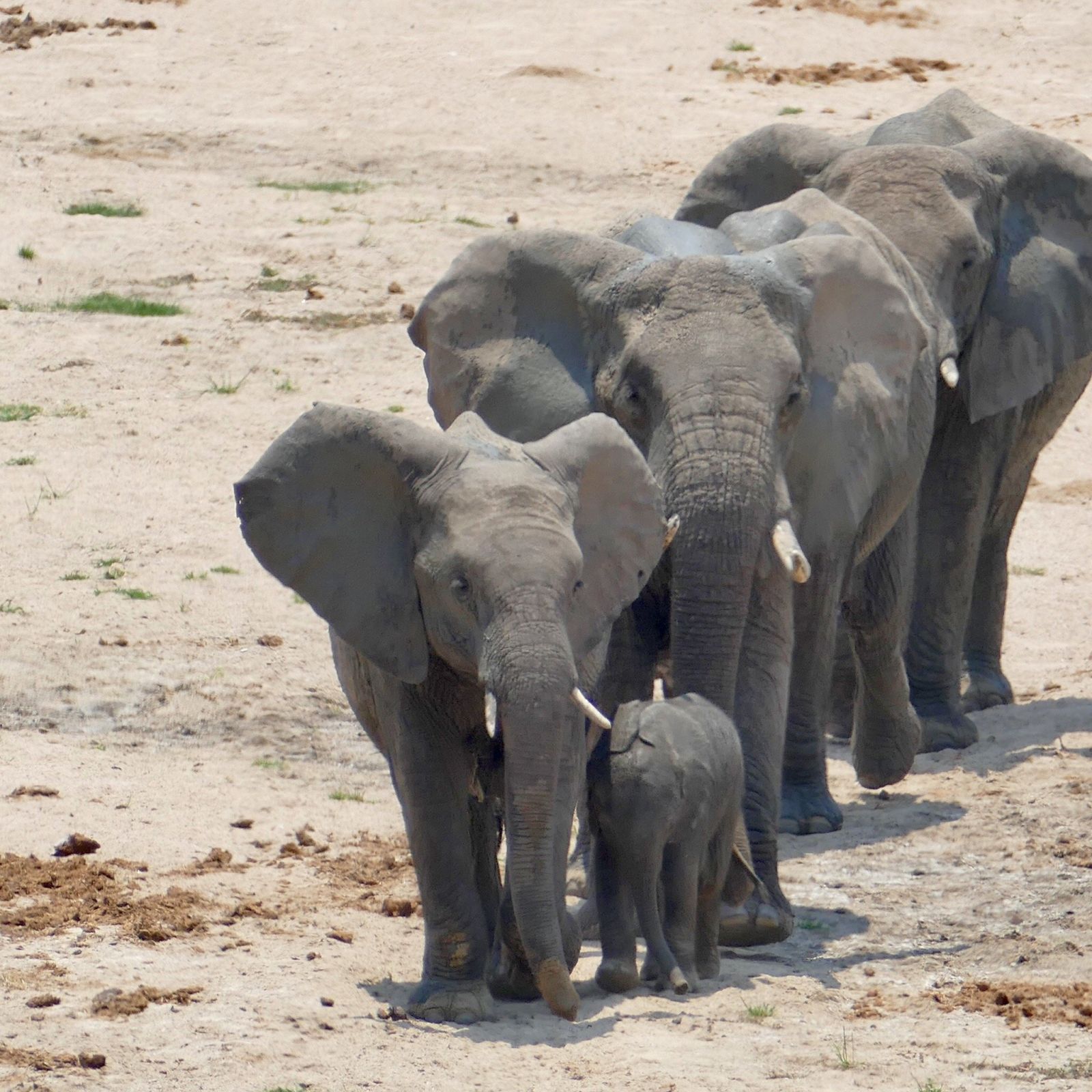
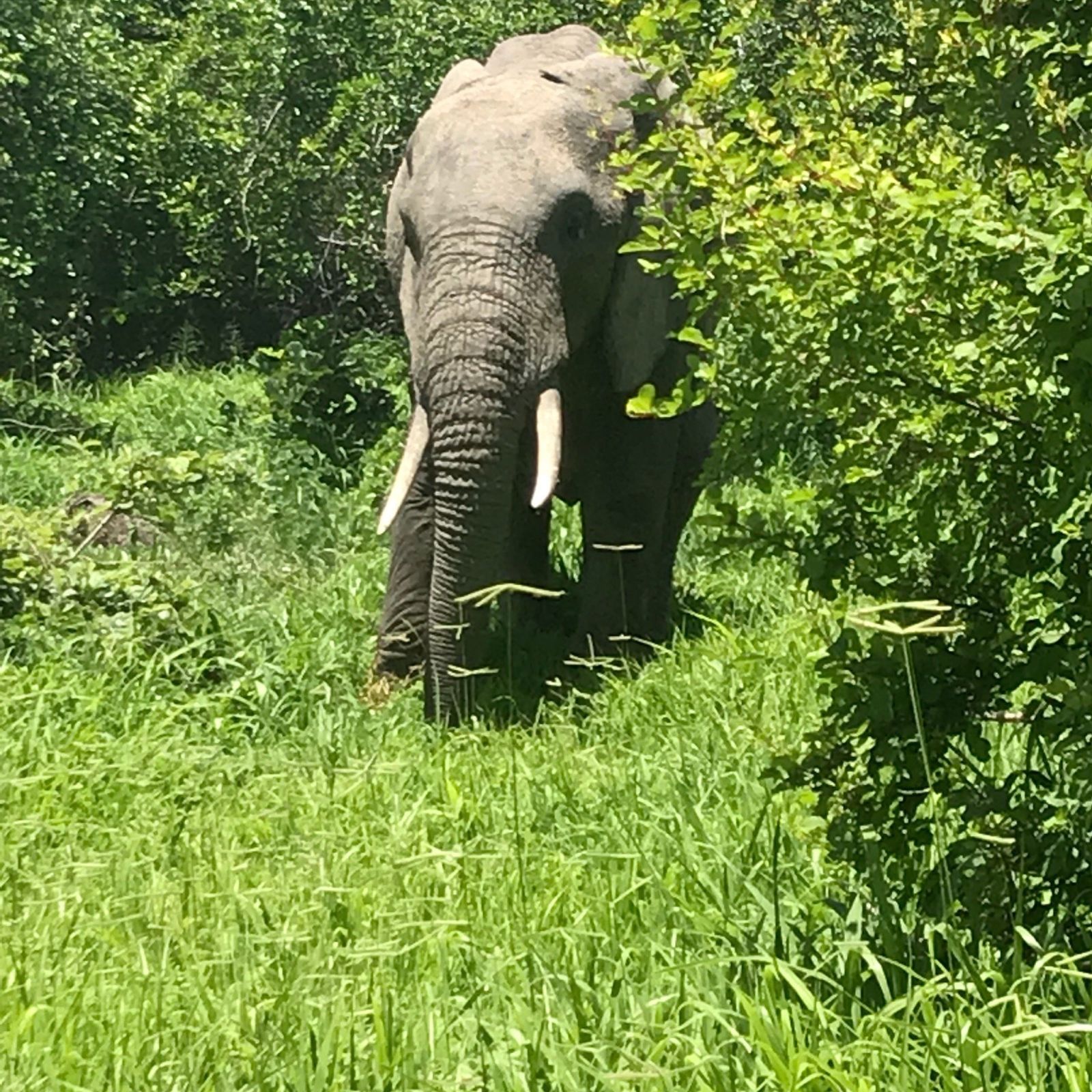
Tanzania's largest population, in herds that gather along the sand rivers to dig for water in the dry months.
Best places to see elephants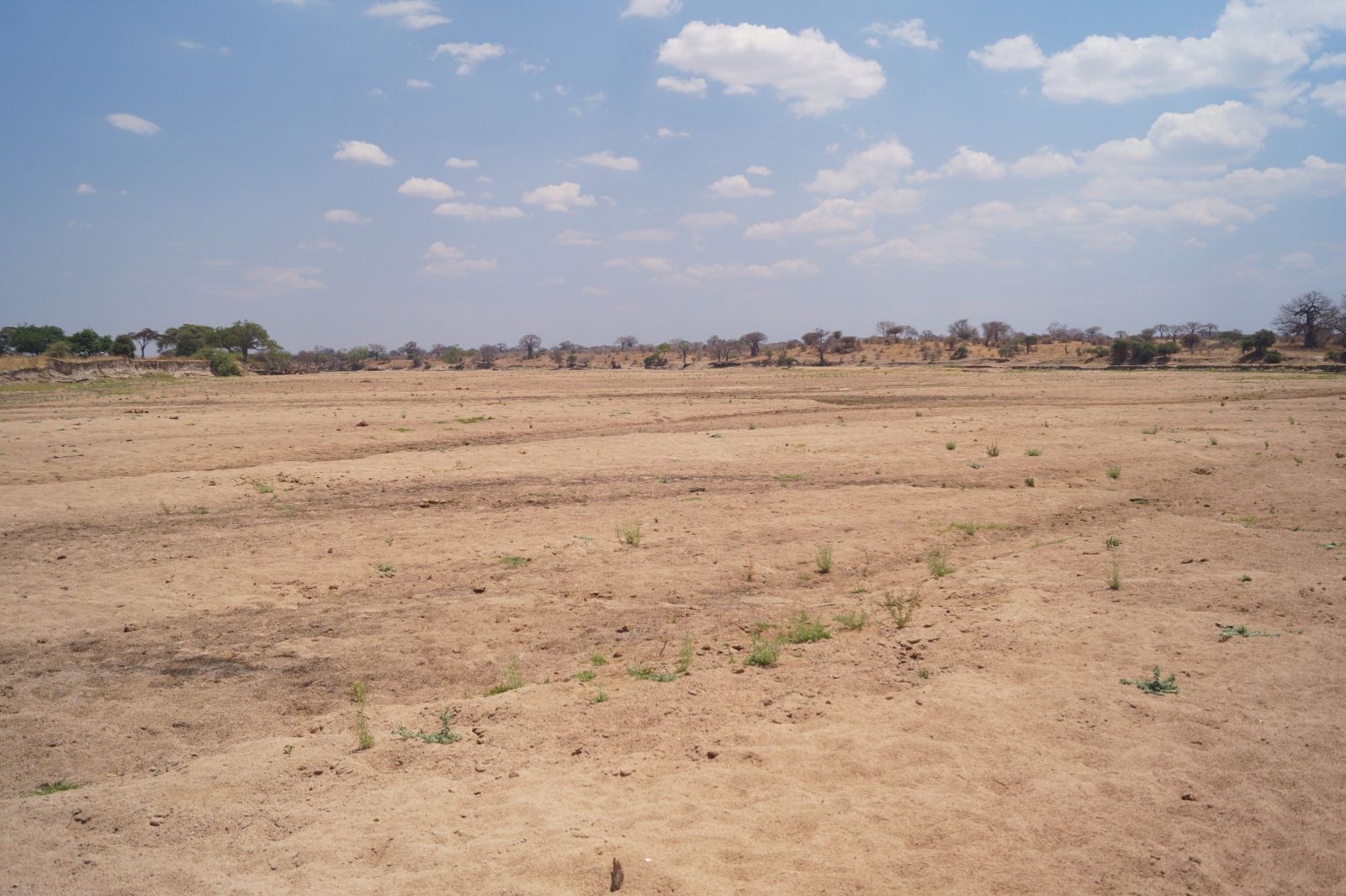
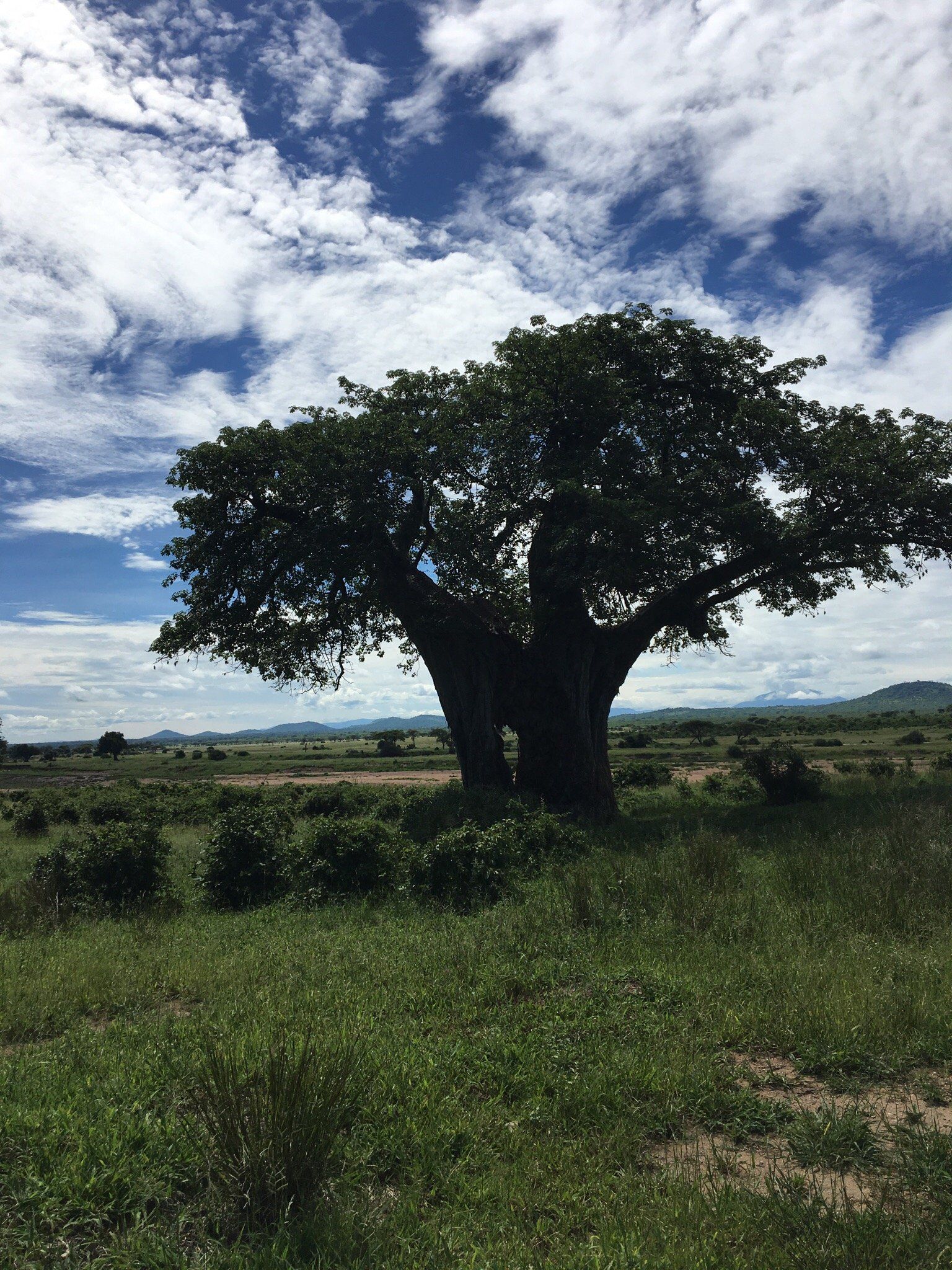
The largest national park in East Africaand one of the emptiest. Twenty thousand square kilometres of baobab, sand river and open miombo woodland.
Roughly a tenth of the world's remaining lions live here, alongside the biggest elephant population in Tanzania and one of Africa's last strongholds for wild dog.
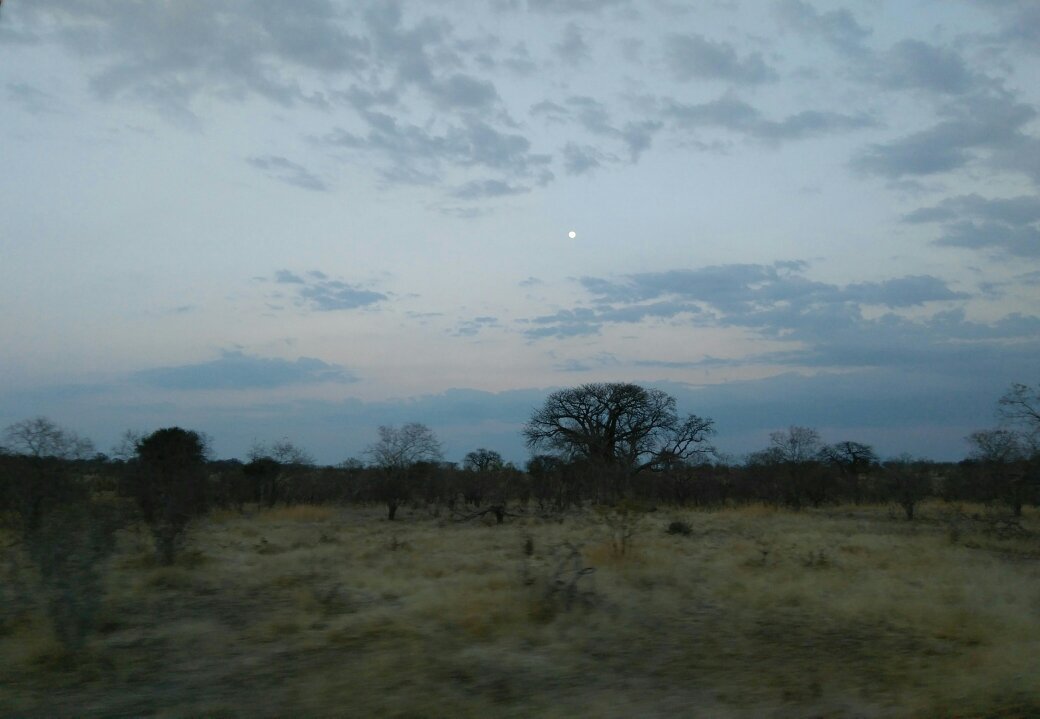
Ruaha sits at the meeting point of East and Southern Africa. Acacia savannah runs into miombo woodland; the Great Ruaha River carves the eastern boundary, and ancient baobabs stand over it all.
It is the largest park in Tanzania, yet it receives a fraction of the visitors the northern circuit sees. On most drives you will not pass another vehicle.
Larger than Wales, and part of a protected ecosystem of more than 45,000 km². The park runs from the Usangu wetlands in the south-west to the rocky Ikuka escarpment in the north.
Distances are real here. A morning drive can cover eighty kilometres and three completely different habitats.
Ruaha holds around ten percent of the world's lions, in prides that regularly run to more than twenty animals, among the largest recorded anywhere.
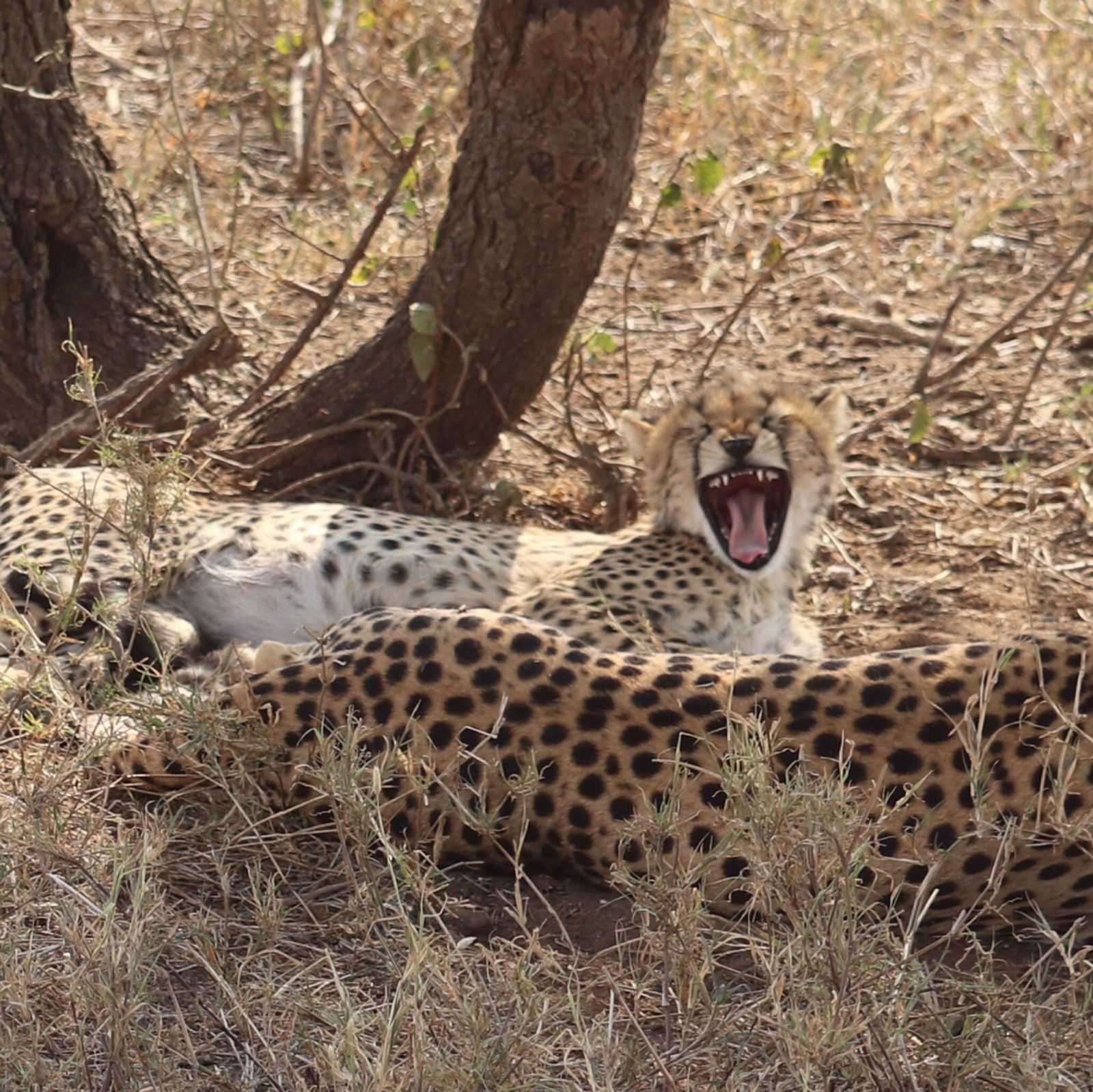
Leopard, cheetah, spotted hyena, striped hyena and endangered African wild dog all share the same ground.
Ruaha's position on the transition zone means species from two African regions overlap. Greater and lesser kudu browse the same thicket; sable and roan antelope appear in the miombo; and predators are unusually dense along the river.
About the East–South African transition zone Flagship
Tanzania's largest population, in herds that gather along the sand rivers to dig for water in the dry months.
Best places to see elephants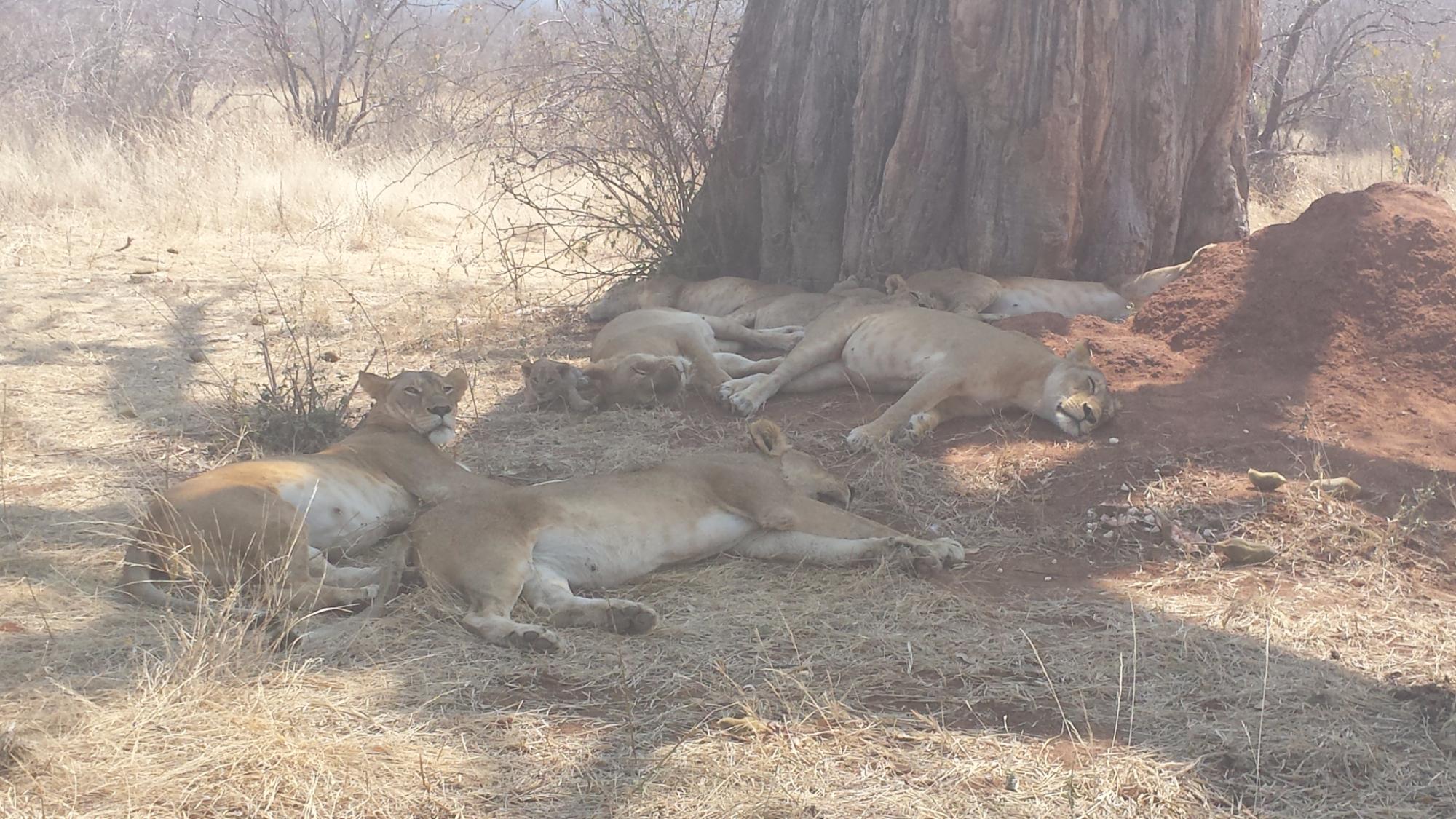 Apex
Apex
Prides of twenty or more, big enough to hunt buffalo and, occasionally, young giraffe.
Lion tracking in Ruaha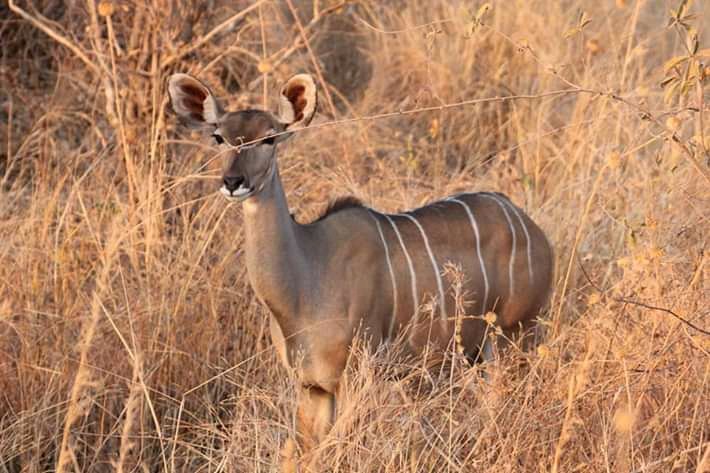
Greater and lesser kudu, sable, roan and eland, the park's signature draw for return visitors.
Which animals you can see
Masai giraffe browse the acacia; buffalo herds several hundred strong move through the flood plain.
Elephant and buffalo herds
Over 570 species, including the Ruaha red-billed hornbill, found almost nowhere else on earth.
Birdwatching in Ruaha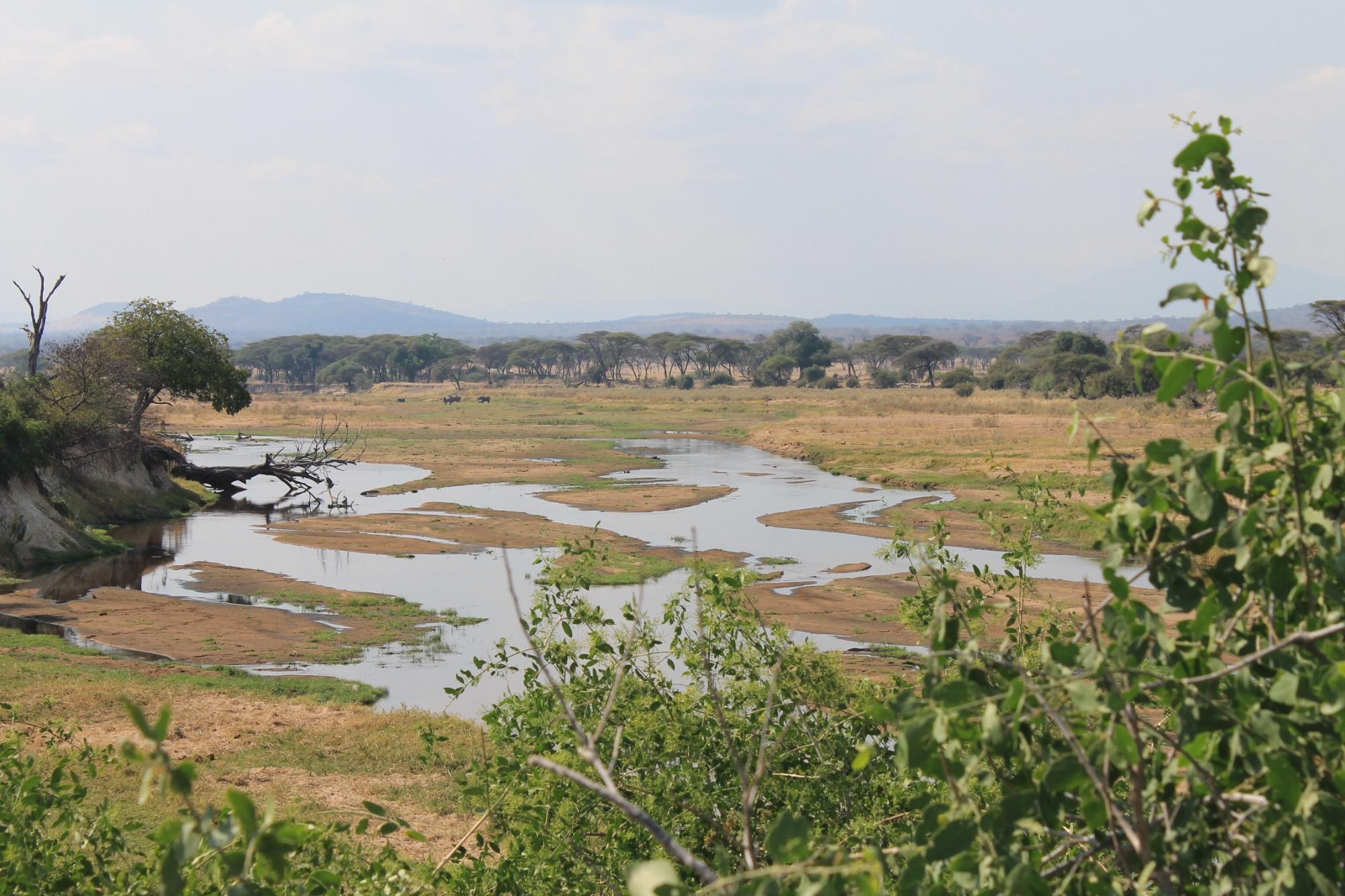
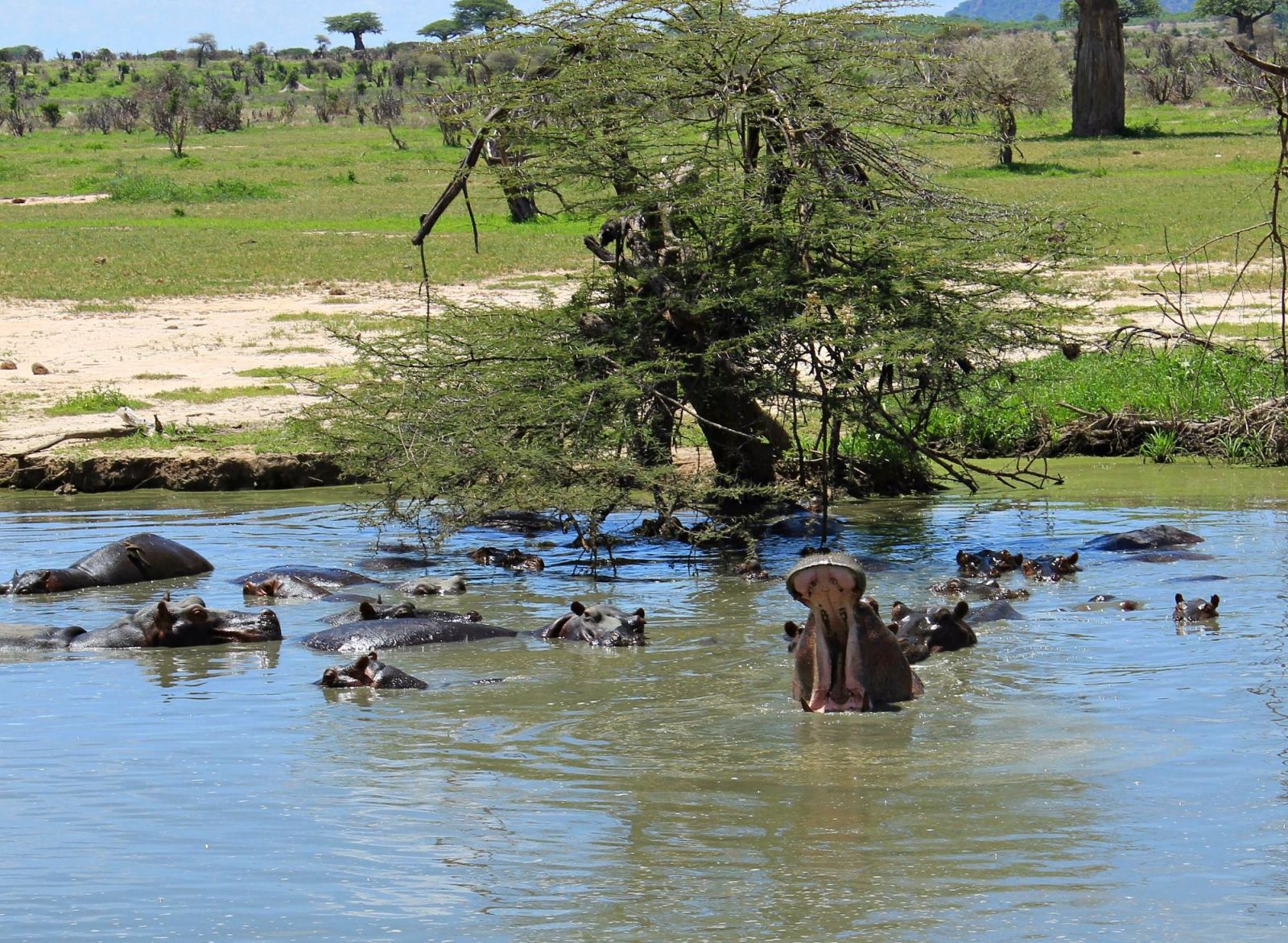
The Great Ruaha runs along the park's eastern edge and shrinks to a chain of pools by September. Those pools become the stage: hippo packed shoulder to shoulder, crocodile on the sandbanks, and a near-constant procession of elephant, buffalo and impala coming down to drink.
Ruaha rewards slow travel. Most camps recommend a minimum of three nights, and many guests build their trip around a single habitat rather than trying to cover everything.
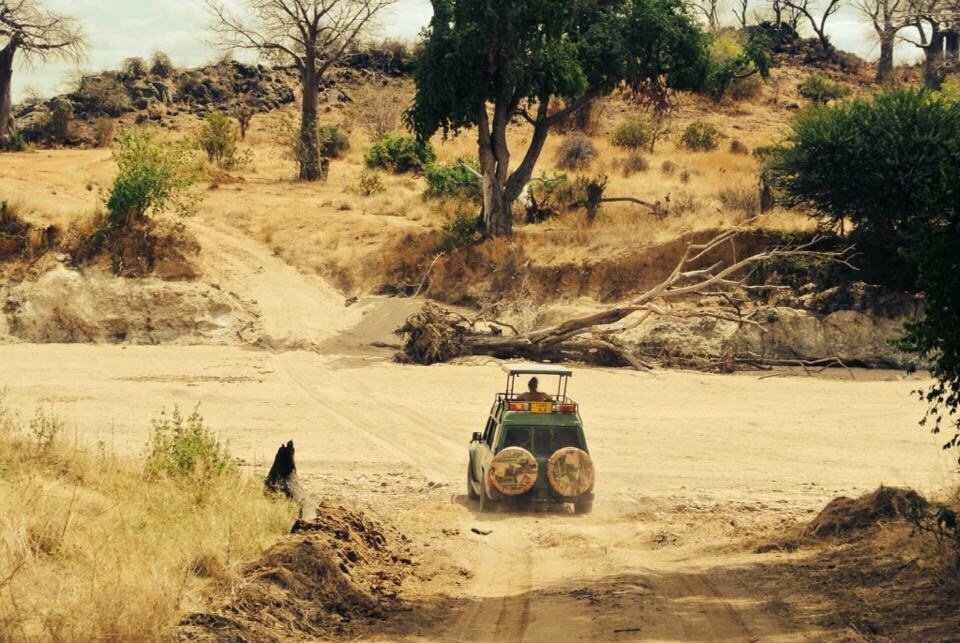
Morning and afternoon runs along the river circuits, or full-day drives out to the western miombo.
Full-day game drives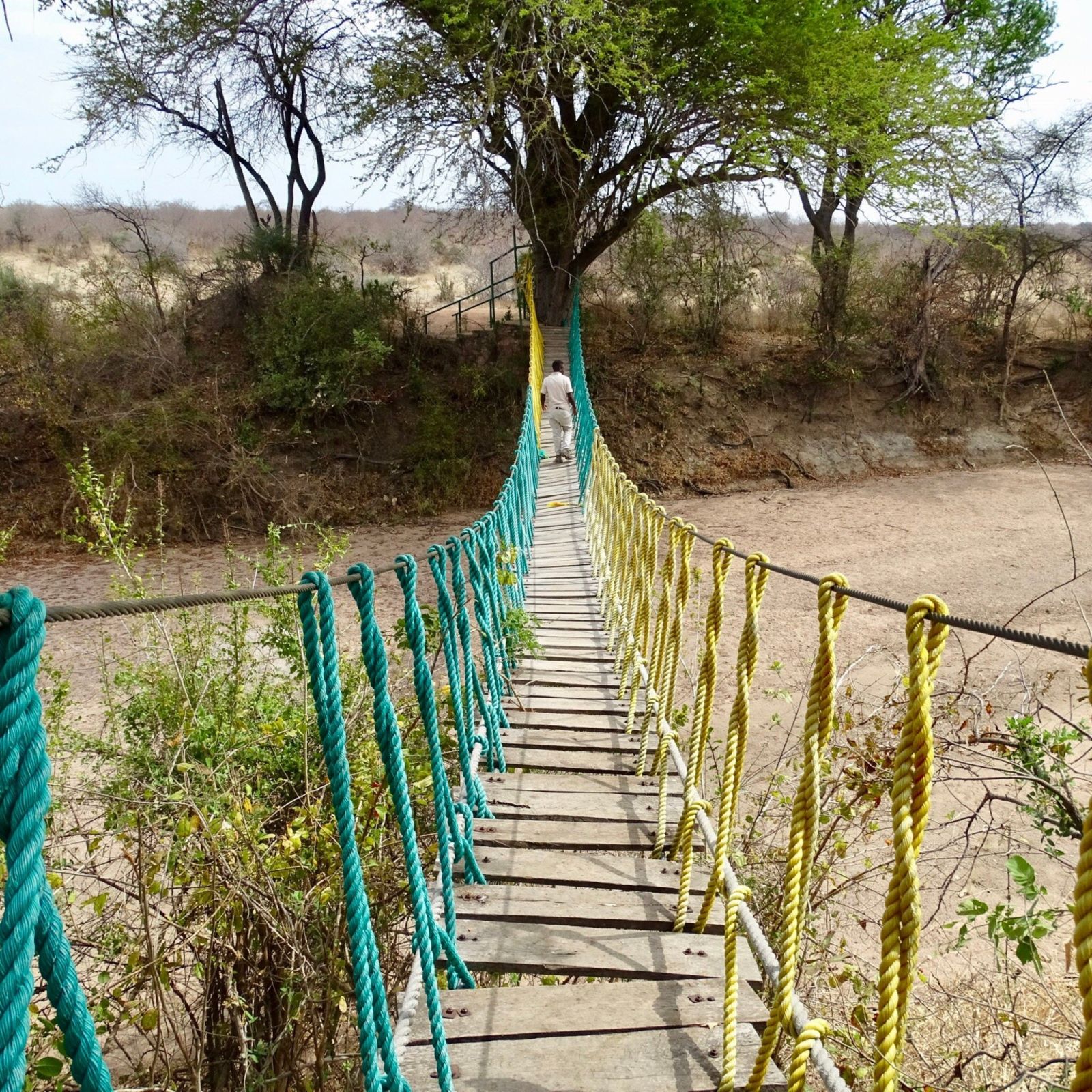
Guided bush walks with an armed ranger, tracks, trees, insects and the detail you miss from a vehicle.
Guided walking safaris
Offered from camps on the park's private concessions: genets, civets, bushbabies and hunting leopard.
Night game drives
Low light, low traffic, and hides overlooking the water. Specialist vehicles available on request.
Photography safarisAccommodation in Ruaha is deliberately limited. Most properties hold fewer than a dozen tents, and several are seasonal, packed down and carried out before the rains.
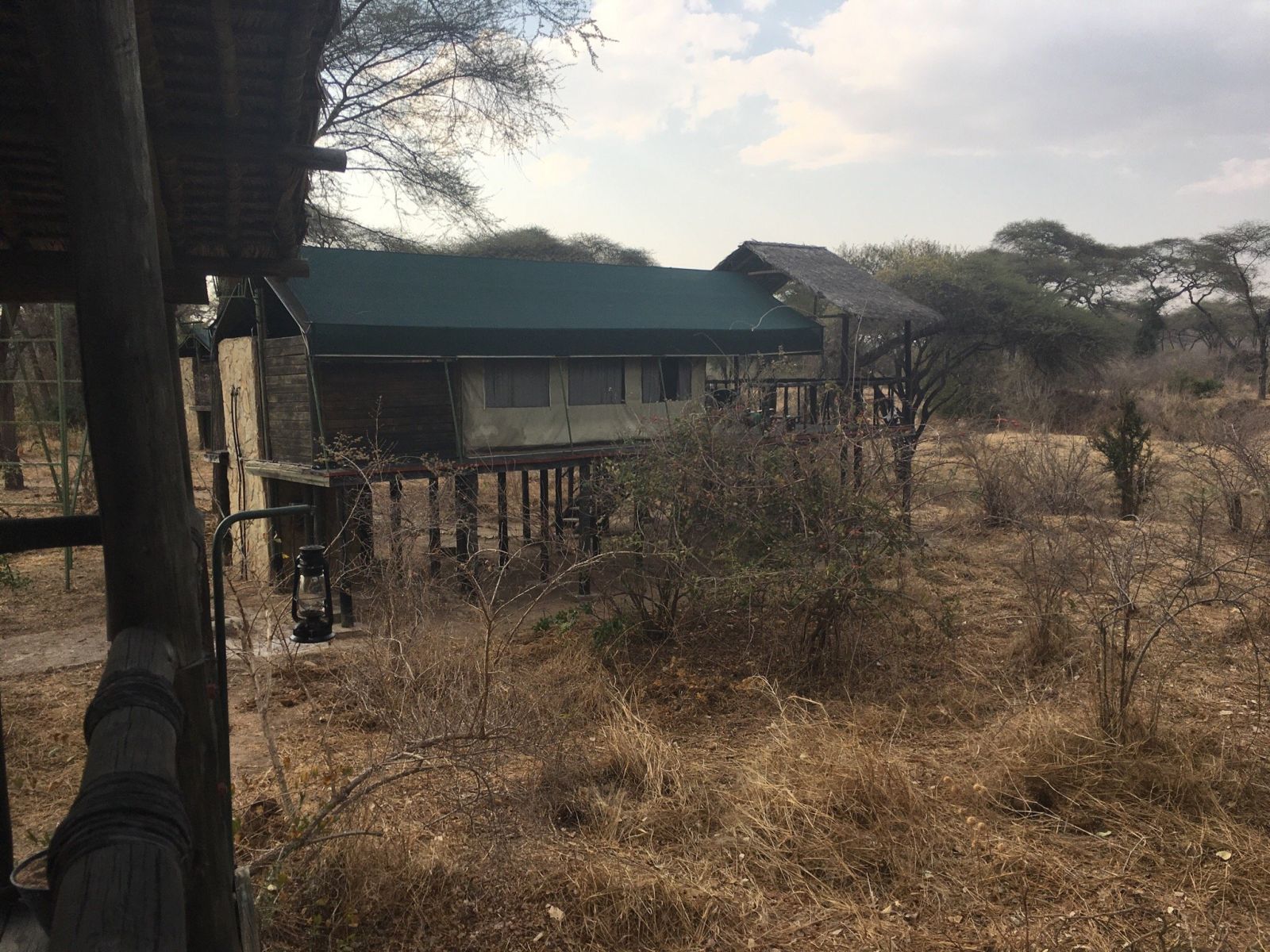
Classic canvas on raised decks overlooking the Great Ruaha or the Mwagusi sand river. Elephants often walk straight through camp.
Where to stay in Ruaha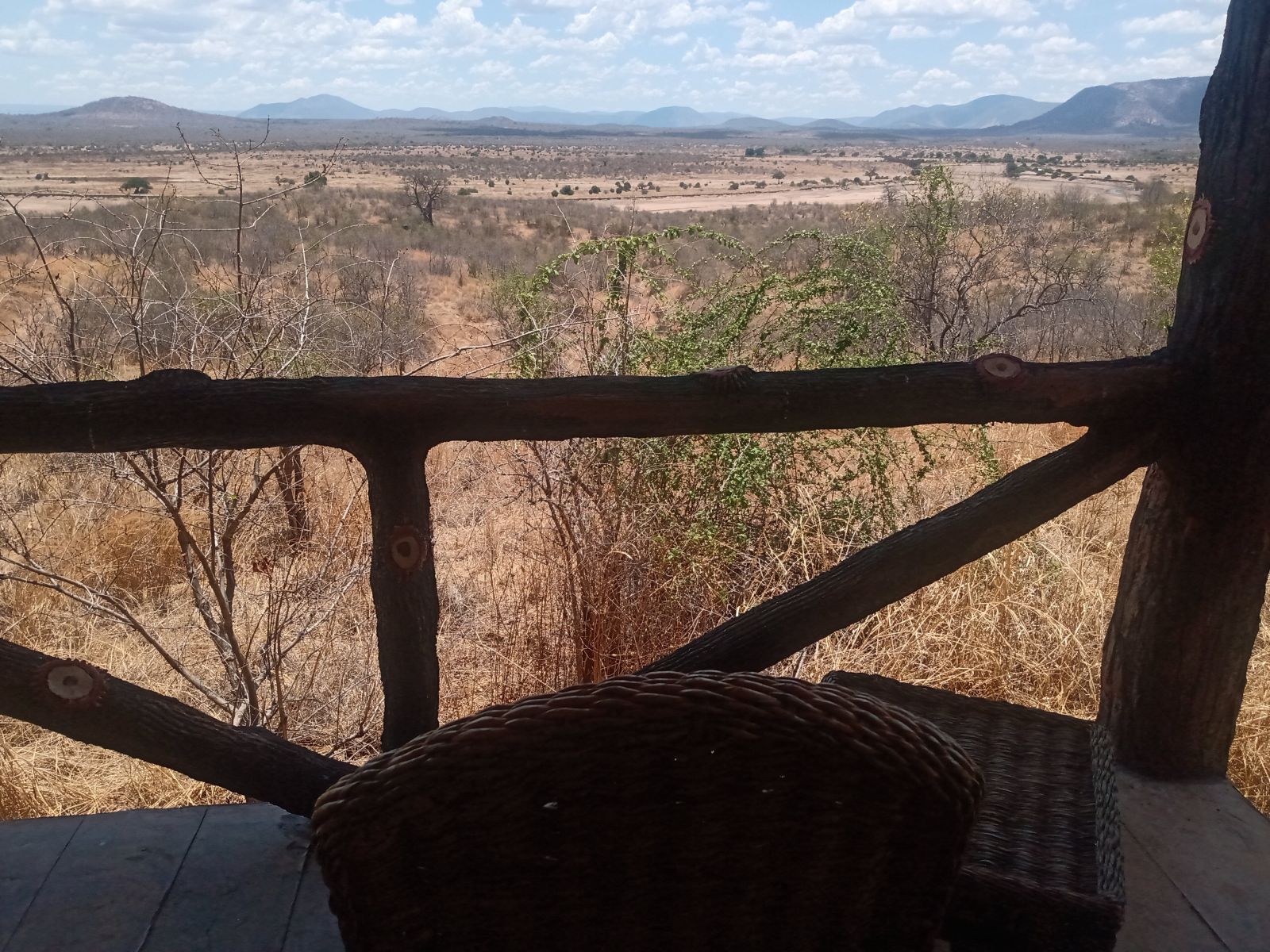
Built into the rocky ridges above the valley, with long views over the plain and cooler nights than the riverbed camps.
Lodges with the best views
At the simple end: park bandas at Msembe, or mobile fly-camps set up for a single night deep in the bush.
Fly-camping in RuahaScheduled light aircraft run daily from Dar es Salaam, Arusha, Zanzibar and Nyerere National Park, landing at Msembe or Jongomero airstrip. Roughly two hours from Dar; most camps meet the plane.
How fly-in safaris workAbout 130 km of road from Iringa town to the Msembe gate, the last stretch unsurfaced. Iringa itself is a comfortable day's drive from Dar es Salaam on the Tanzam highway.
How far Ruaha is from IringaRuaha pairs naturally with Nyerere National Park and the Udzungwa Mountains. A seven to ten day southern circuit gives you river, forest and open plain in one trip.
See a 7-day southern circuit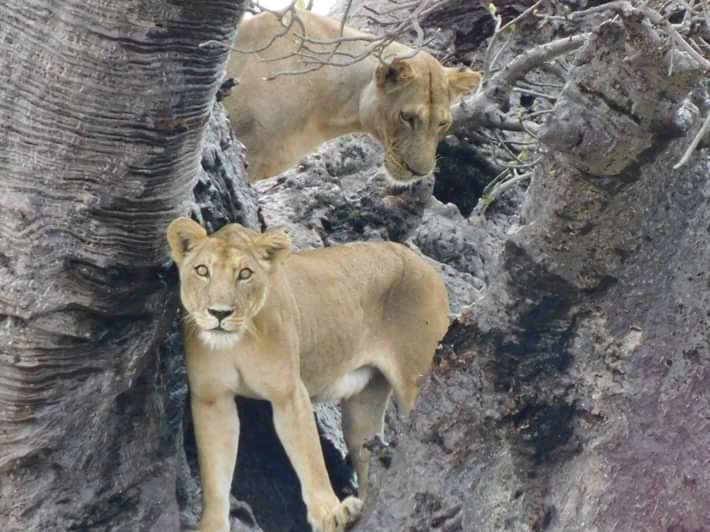
Ready-made routes across Ruaha and the wider region, from short trips to full circuits.
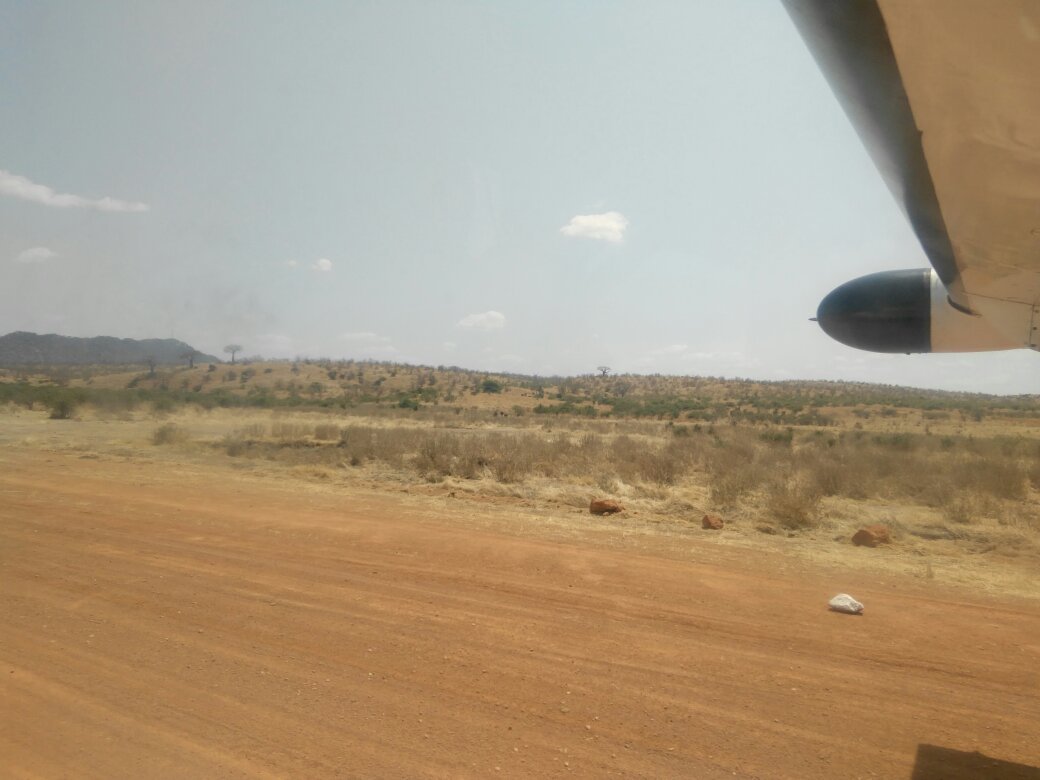
This short fly-in trip drops you straight into Ruaha, the largest national park in Tanzania at over 20,000 square kilometres, and keeps the…
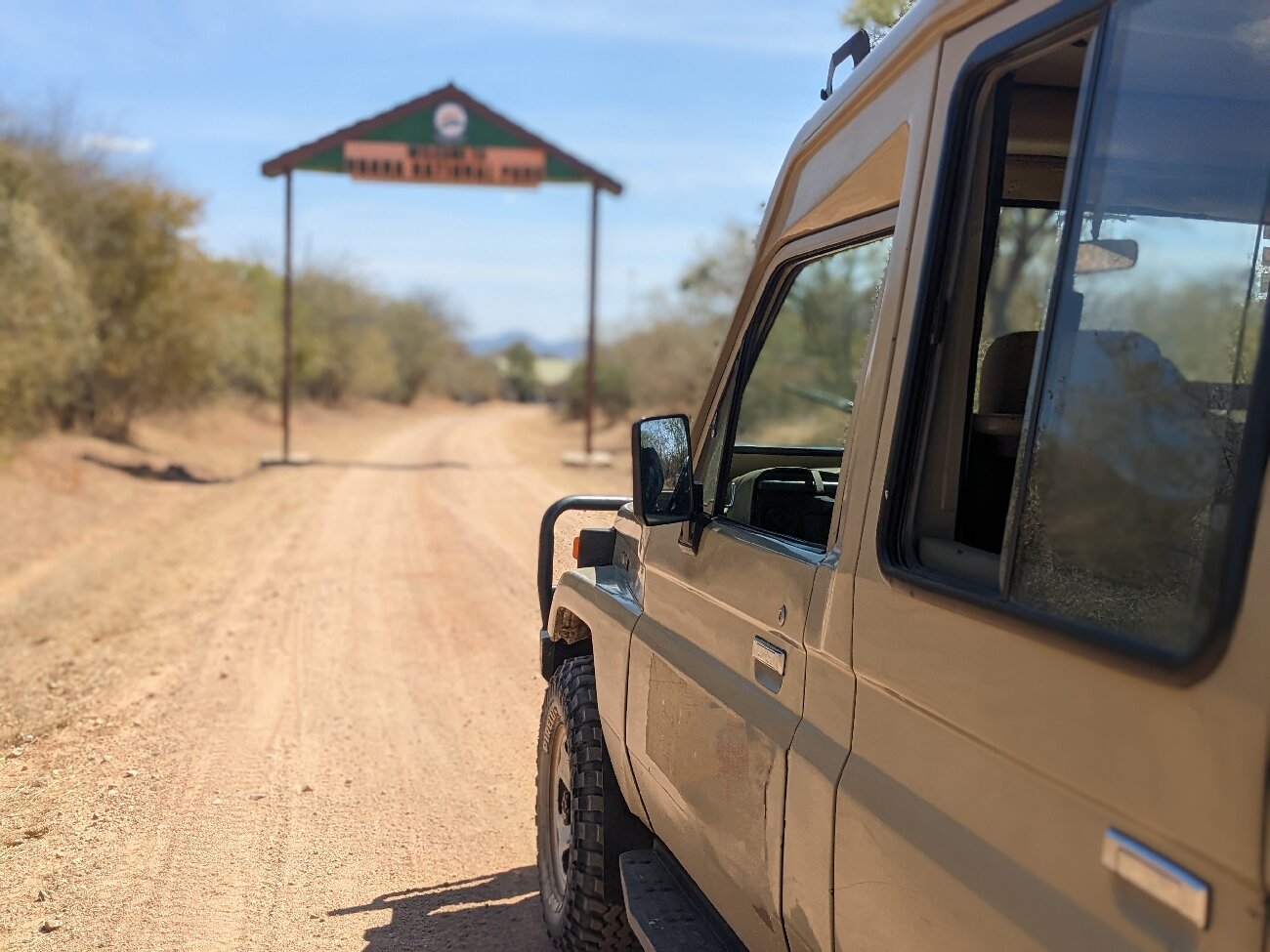
This is the road version of a Ruaha trip, for travellers who would rather drive in than fly and who want a night in the Southern Highlands on the way.
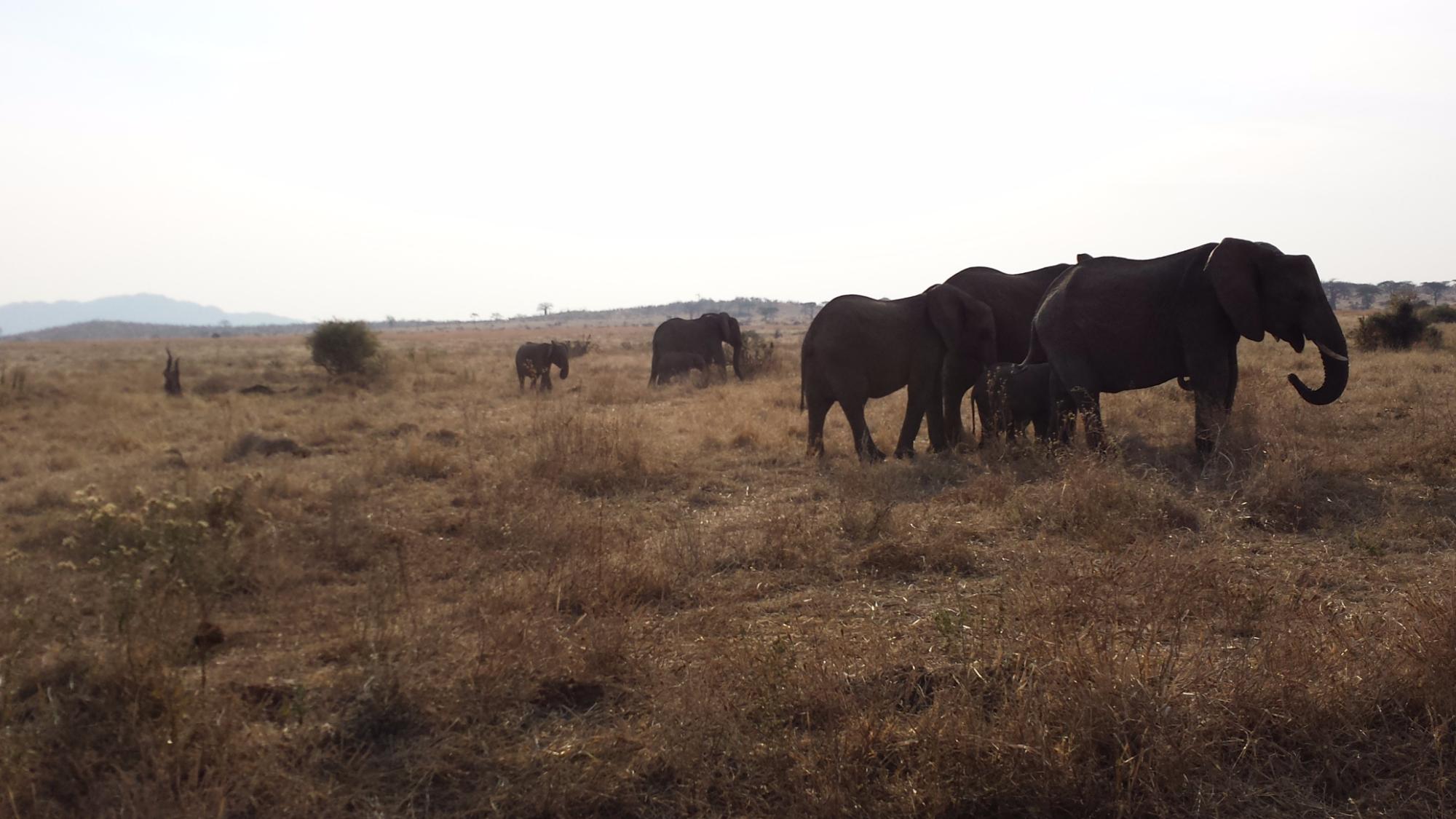
Two southern parks, one trip.
This site is an independent visitor guide, not a tour operator, so we cannot take a booking or hold a bed for you. What we can do is read your dates and reply with a straight answer: what the river is likely to be doing that month, which part of the park suits the trip, and which of the operators working in Ruaha to approach next.
Your message goes to the people who write this guide. No brochure, no sales call, and your details are not passed to anyone. If you would rather just read first, start with the cost breakdown or the frequently asked questions.