Frequently Asked Questions
Short answers to the questions people ask most often about visiting Ruaha National Park. Each one links out to the guide that covers it properly. If your question is not here, the Ruaha National Park: Complete Safari Guide is the place to start.
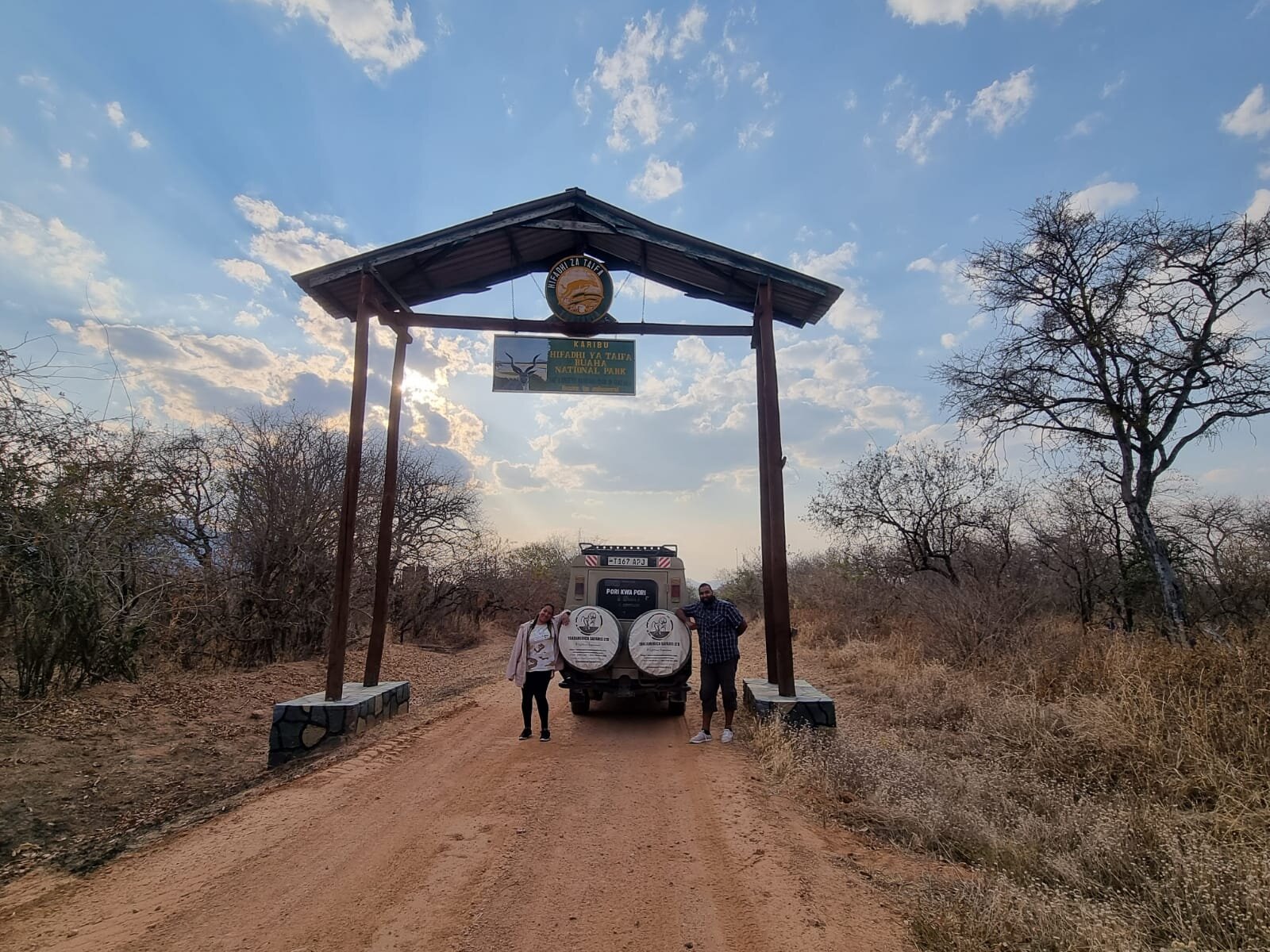
Where is Ruaha National Park?
In the Iringa Region of south-central Tanzania, on the country’s quieter southern safari circuit, roughly 130 kilometres by gravel road from Iringa town. Where Is Ruaha National Park Located? has the geography in full.
How big is Ruaha, really?
Around 20,226 square kilometres, which makes it the largest national park in Tanzania and bigger than the Serengeti, yet only a handful of camps operate inside it. How Large Is Ruaha National Park? puts that figure in context.
When is the best time to visit?
The dry season, broadly June to October, for concentrated game around the shrinking river. The green months are better for birds and cheaper, but the game disperses and some camps close. See Best Time to Visit Ruaha National Park and, if you are choosing between two specific months, Which Month Has the Best Wildlife Viewing in Ruaha?.
What is the weather like?
Hot days and cool nights through the dry season, with June and July nights dipping toward ten degrees. The rains come as afternoon storms from around November to April. What Is the Weather Like in Ruaha National Park? goes month by month.
How many days should you spend in Ruaha?
Three nights is the usual sweet spot for a first visit: enough for morning and afternoon drives, a walk, and a night drive if your camp runs one. Two works as part of a longer circuit; four or more suits photographers and the remoter southern sectors. How Many Days Should You Spend in Ruaha National Park? explains the trade-offs.
How much does it cost to visit Ruaha National Park?
Park entry for a non-resident adult sits around 30 US dollars per 24 hours before 18 percent VAT, with extra fees for vehicles, walks and night drives, and fees change with the TANAPA fiscal year. Flights, camps and vehicle hire dwarf the entry fee on most trips. How Much Does It Cost to Visit Ruaha National Park? breaks the whole budget down.
How do you get to Ruaha?
Most people fly: roughly two to two and a half hours by light aircraft from Dar es Salaam to Msembe or Jongomero airstrip. The road alternative is the A7 to Iringa, then 120 to 130 kilometres of gravel. See How to Get to Ruaha National Park From Dar es Salaam, How Do Fly-In Safaris to Ruaha Work? and How Far Is Ruaha National Park From Iringa?.
Which entrance gate should you use?
It depends on where you are coming from and which sector your camp sits in. Msembe, near park headquarters, is the usual one for the river camps. Which Entrance Gate Should You Use for Ruaha? compares them. One rule applies whichever you pick: there is no night driving in the park, so you must clear the gate in time to reach camp before dark.
Where should you stay?
Inside the park if the budget stretches, because it puts you in the wildlife at dawn rather than driving in to reach it. Outside the boundary is cheaper with a longer transfer. Where to Stay in Ruaha National Park covers the camps, and Which Lodges Offer the Best Views in Ruaha? is for anyone who cares more about the view from the deck.
How safe is Ruaha for tourists?
Safe within the normal terms of a safari: stay with your guide, stay in the vehicle unless you are on a guided walk, keep to camp rules after dark. Malaria is the practical health issue and is present year round, peaking in the wet months. How Safe Is Ruaha for Tourists? has the detail.
What should you pack?
Neutral layers for cold dawns and hot middays, closed shoes for walks, binoculars, and more camera storage than you think. What Should You Pack for a Ruaha Safari? is the full list, and photographers should also read What Photography Equipment Should You Bring to Ruaha?.
Which animals can you see?
Four of the Big Five, being lion, elephant, leopard and buffalo. There are no rhino in Ruaha. What the park adds instead is cheetah, African wild dog, greater and lesser kudu, sable and roan. See Which Animals Can You See in Ruaha National Park?, Which Animals Are Most Common in Ruaha? and Big Five Safari in Ruaha National Park.
What are the chances of seeing wild dogs?
Better here than almost anywhere, but never a promise. Packs range huge distances, and the best odds come in the denning months around June and July when a pack stays tied to one spot. Where Can You See African Wild Dogs in Ruaha? and African Wild Dog Tracking in Ruaha National Park are honest about the odds.
Is Ruaha good for birding?
Very. The park list runs well past 500 species, and roughly October to January brings migrants in on top of the residents. What Birds Can Be Seen in Ruaha National Park? and Birdwatching Safari in Ruaha National Park cover it.
Can you walk, or do a night drive?
Both, but not everywhere and not with every camp. Walks go out with an armed ranger; night drives need a camp licensed to run them, since general driving in the park stops at dusk. See Guided Walking Safari in Ruaha National Park and Night Game Drive in Ruaha National Park before you choose a camp.
How does Ruaha compare to the Serengeti?
They are different trips. The Serengeti has the migration, higher density and far more vehicles; Ruaha trades some of that for space, big prides, unusual antelope and empty roads. How Does Ruaha Compare to the Serengeti? sets the two side by side.
What kind of vehicle do you need?
A 4×4 for the gravel and the sand, and an open or pop-top vehicle if photography matters to you. Which Safari Vehicle Is Best for Ruaha? explains the difference it makes.
What conservation work happens in Ruaha?
Ruaha sits inside a much larger protected system and carries significant lion, elephant and wild dog populations, so a good deal of research and anti-poaching work runs here. What Conservation Projects Operate in Ruaha? covers who does what.
Do you book tours or safaris?
No. This is an independent guide with nothing to sell. Trips are arranged by the recognised operators listed across the site; see Which Tour Operators Offer Ruaha Safaris? and contact them directly.
Can you recommend an operator?
We can point you at who runs trips into Ruaha, not tell you which to pick. Choose one that fits your dates, budget and the sector of the park you want to be in, and ask them the awkward questions about vehicle sharing and camp location before you pay anything.
How do I plan a Ruaha trip from scratch?
Start with the Complete Safari Guide, then read the best-time, cost and where-to-stay guides. Once the shape is clear, compare it against the twelve worked itineraries and send the closest one to an operator for a quote. The enquiry form on the homepage is the way to reach us if you get stuck.
How current is the information here?
Guides are reviewed rather than left to rot, but park fees, flight schedules and camp seasons change without much warning. Always confirm current rates with TANAPA or your operator before travelling, and tell us through the contact page if you find something stale.
Still Planning?
The Ruaha National Park: Complete Safari Guide pulls the whole park together in one page and indexes every guide on this site. The twelve worked itineraries show what three, seven or fourteen days actually look like on the ground, and the contact page explains who to speak to when you are ready to book. We are not that person: this site does not take bookings.