Ruaha National Park: Complete Safari Guide
A Ruaha National Park safari centres on big-cat viewing, large elephant herds and game drives along the Great Ruaha River, with walking safaris, night drives and birding filling out the rest of the day. Most visitors fly in from Dar es Salaam or Zanzibar and spend two to four nights at a tented camp inside the park. Ruaha is one of Tanzania’s largest national parks, set in the south-central Iringa Region, and it anchors the country’s quieter southern safari circuit.
What Makes a Ruaha National Park Safari Unique
Ruaha sits at a biological crossroads. The acacia and baobab country of East Africa meets the miombo woodland of the south here, and the wildlife reflects that overlap in a way you will not find in any other Tanzanian park. Greater and lesser kudu graze the same slopes. Sable and roan antelope share ground with Grant’s gazelle and impala. Even the hyenas double up, with the shy striped hyena moving through the same hours as its spotted cousin.
Size is the other thing that sets a Ruaha safari apart. The park spreads across roughly 20,226 square kilometres, which makes it larger than the Serengeti, yet only a handful of camps operate inside it. Do the arithmetic and the appeal is obvious. On a morning game drive you can go an hour or two without passing another vehicle, and a lion sighting stays yours rather than turning into a ring of parked cars.
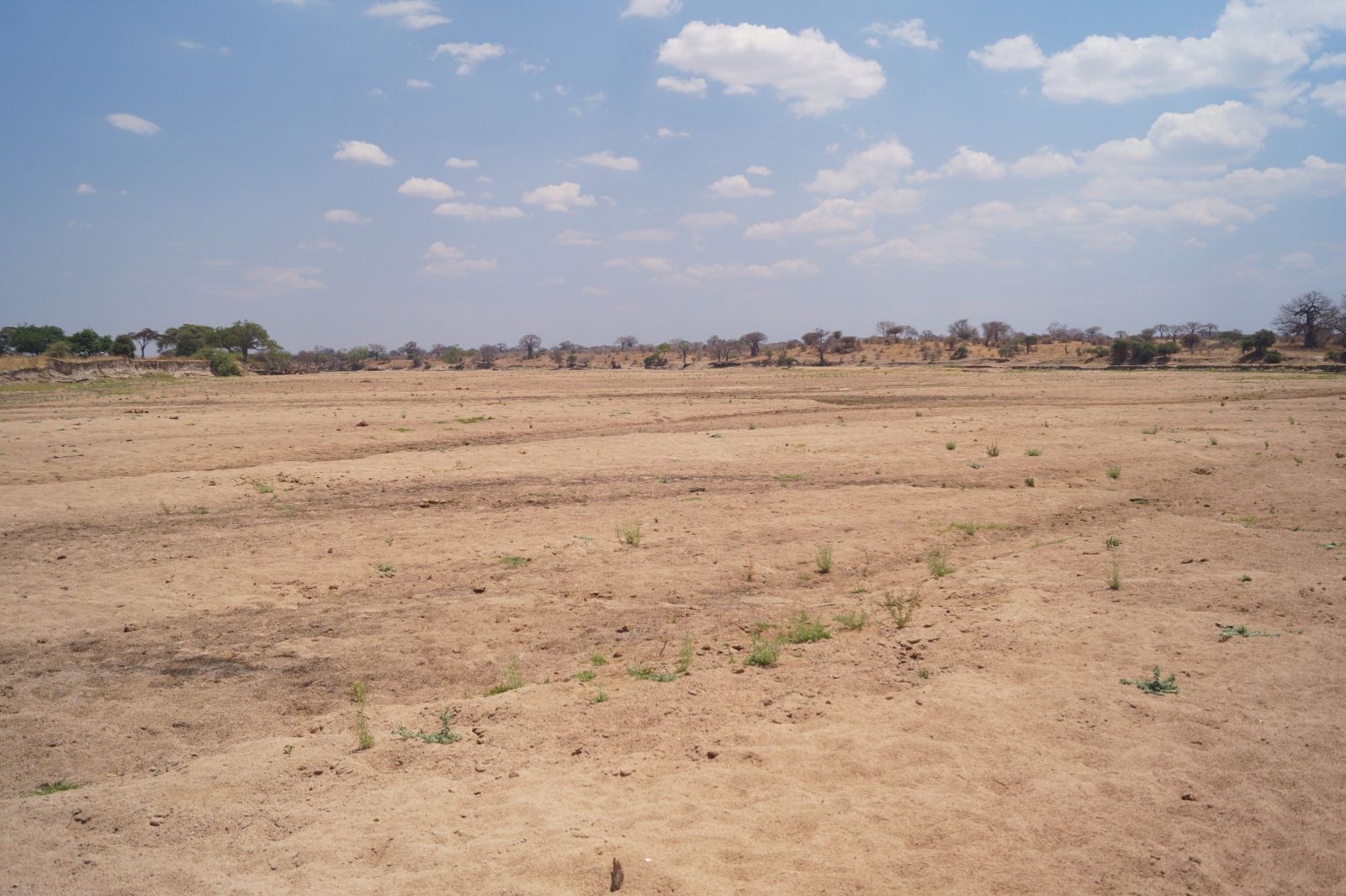
The Great Ruaha River runs along the eastern edge and gives the park both its name, taken from the Hehe word for river, and its rhythm. Through the long dry months the river shrinks to a chain of pools, and those pools pull in everything that needs to drink. That single fact shapes most of what a first-time visitor will see.
Ruaha was gazetted in 1964 and grew again in 2008 when the Usangu wetlands were folded in. It forms part of the wider Rungwa-Kizigo-Muhesi system of around 45,000 square kilometres, so wildlife moves well beyond the park boundary and populations stay healthy.
Big Cat and Predator Safaris in Ruaha National Park
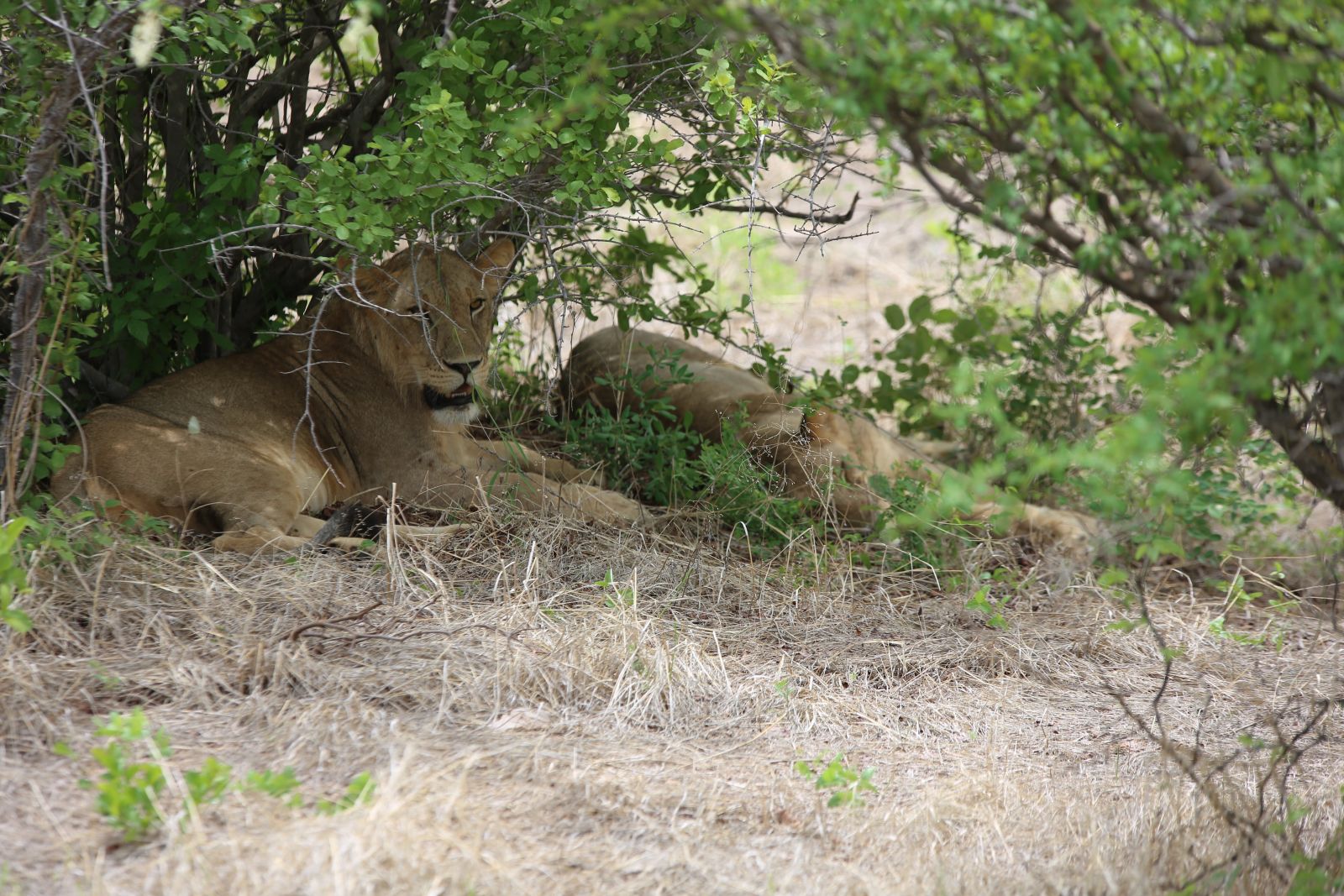
Predators are the headline. A Ruaha predator safari puts you in one of the strongest lion regions in Africa, and the numbers behind that reputation are worth knowing. Guides and researchers often cite the greater Ruaha area as holding close to a tenth of the world’s remaining lions, and while any single figure like that deserves a pinch of caution, the day-to-day reality on the ground backs up the billing. Prides here run large. Groups of more than twenty are seen fairly regularly, and they are bold enough to take on buffalo and, now and then, a young giraffe.
Leopard sightings are reliable by safari standards, with cats often resting in sausage trees through the heat of the day. Cheetah work the open plains, and Ruaha holds one of only a few cheetah populations left in East Africa. The real prize, though, is the African wild dog. Around a hundred of these endangered animals range across the park, one of the larger remaining groups anywhere, and a pack on the move at dawn is the kind of sighting seasoned safari-goers travel a long way for. Wild dogs cover huge distances, so a sighting is never a given. The best odds come in the denning months around June and July, when a pack ties itself to one spot.
A word on honesty here. Big cats are commonly seen through the dry season, and predator action along the river can be excellent, but nothing in the bush is guaranteed. What Ruaha offers is strong density and space, which stacks the odds in your favour over a two or three night stay rather than promising a checklist ticked off in a single drive.
Elephant, Kudu and Plains Game Safaris Along the Great Ruaha River
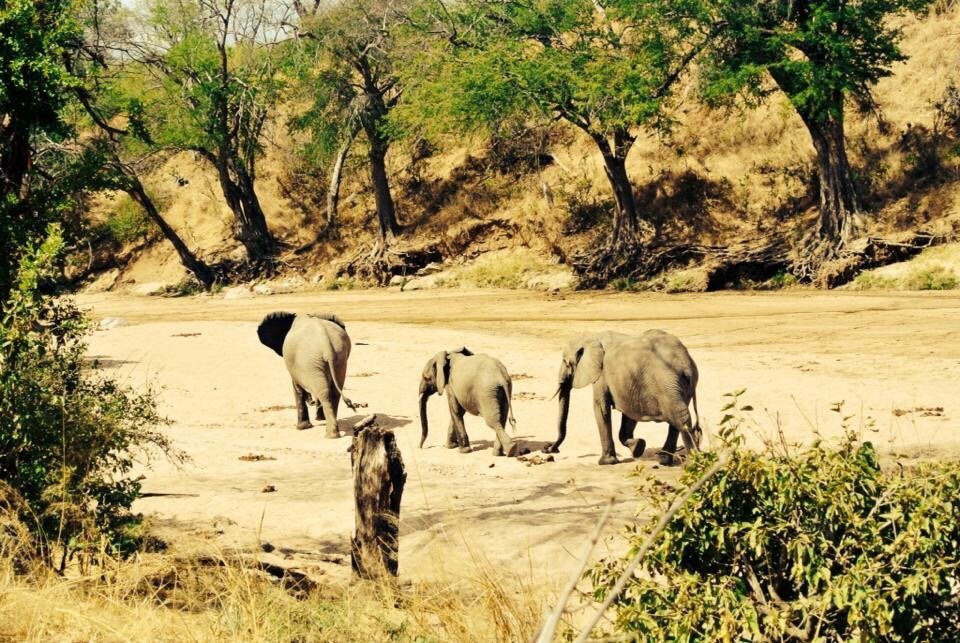
Ruaha carries one of the largest elephant populations in Tanzania, with figures commonly quoted in the region of ten thousand across the greater ecosystem. In the dry season the herds gather along the riverbed, and you will see them digging into the sand with trunks and feet to reach water below the surface. Standing back and watching a family group work a dry channel is one of the quieter pleasures of a Great Ruaha River safari, and it tends to stick with people longer than the big dramatic kills.
The plains game is where Ruaha’s split personality shows best. Greater kudu, with those long spiralled horns, are something of a signature here, and photographers come specifically for the bulls. Add zebra, giraffe, buffalo, eland, impala and the rarer sable and roan, and the general game list stays busy between predator sightings. Four of the Big Five are present, being lion, elephant, leopard and buffalo. There are no rhino, which is worth setting straight before you arrive so the expectation matches the park.
Ruaha covers more ground than the Serengeti, yet only a handful of camps share it, so a game drive here rarely crosses paths with another vehicle.
Game Drive Safaris in Ruaha: Morning, Afternoon and Night
The game drive safari is the backbone of any Ruaha trip, and how you time it matters. Early morning drives leave camp around first light, when cats are still active and the air is cool. Late afternoon drives run into the golden part of the day and often catch predators waking up to hunt. Both work the river and its sandy tributaries, since that is where the animals concentrate once the land dries out.
Morning game drive. A pre-breakfast start that catches predators at their most active and the light at its softest. Best paired with a bush breakfast out in the park.
Afternoon and sundowner drive. A later start that runs toward dusk, ending with a drink out in the bush as the temperature drops. Good for leopard and general game.
Full-day drive. A packed lunch and a long loop into areas beyond the reach of a short drive, useful for reaching the Mwagusi or Jongomero sectors.
Night drive. Offered by select camps such as Ikuka, Jabali Ridge and Kwihala, using a spotlight to find civet, genet, bushbaby and hunting cats after dark.
One practical point that surprises people. There is no self-drive night driving inside the park, and general driving stops at dusk, so a night drive has to be booked through a camp licensed to run one. If seeing nocturnal wildlife matters to you, choose your camp with that in mind before you book.
Walking Safaris in Ruaha National Park With Armed Rangers
A walking safari changes the whole scale of the place. On foot, led by an armed ranger, you stop noticing the big set-piece sightings and start reading the small stuff, being tracks in the sand, a chewed pod, the alarm call of a bird that has spotted something you have not. Camps such as Kichaka Expeditions, Jongomero and Ikuka build a good part of their offering around guided walks, and the dry season is the safer, clearer time for them.
Walking is not about ticking off the Big Five. It is slower, closer and a little more exposed, and that is the point. Rules are strict for good reason. You stay with your guide, walk where you are told, and treat every animal as wild, because it is. For anyone who has done a few vehicle safaris and wants a different gear, this is the one to add.
Birdwatching Safaris in Ruaha National Park
Ruaha logs well over 500 recorded bird species, with many sources putting the tally north of 570. A birdwatching safari here rewards both the casual looker and the serious lister. Bee-eaters, hornbills, kingfishers, eagles and storks work the river and woodland year round, and the green months bring in migrants from Europe and Asia that lift the count further.
Timing shifts the birding. The window from around October into January is prime, as migratory species arrive and resident birds move into breeding colour. That overlaps neatly with the tail of the dry season and the start of the rains, so a visit in that stretch can pair decent general game with excellent birds. Bring binoculars even if birds are not your main reason for coming. On a slow game-viewing hour, the birdlife along the water keeps the drive interesting.

Safari Camps and Lodges in Ruaha National Park
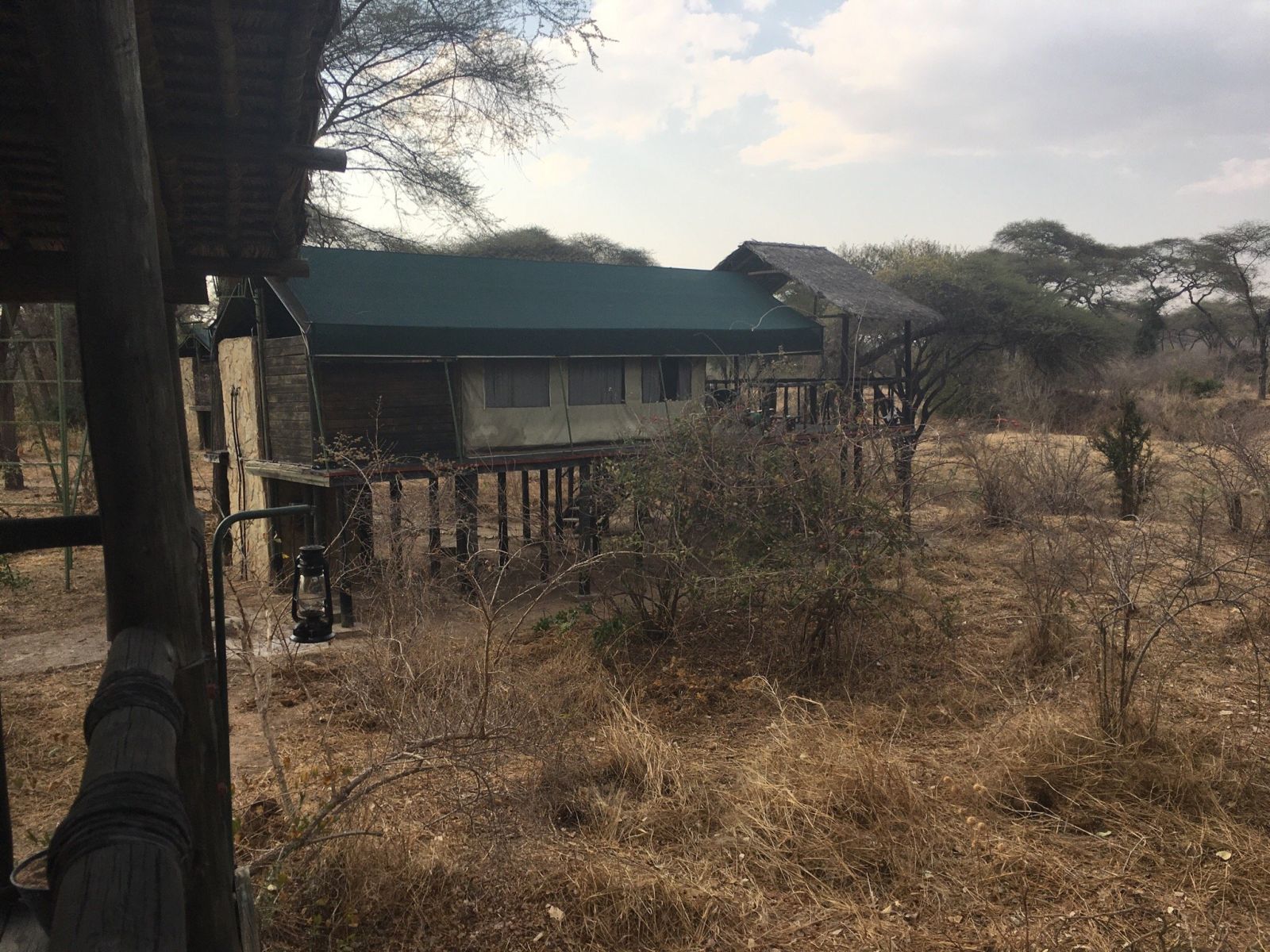
Where you stay shapes a Ruaha trip as much as the wildlife does, because the camps are spread far apart and each sits in its own patch of the park. Inside the boundary you have a small, well-regarded set of tented camps and lodges. Jongomero sits alone in the remote south, secluded and polished, with a pool that earns its keep on hot afternoons. Jabali Ridge perches on a rocky outcrop over the Mwagusi drainage and the Ikuka escarpment, and both are on any shortlist of the lodges with the best views in the park. Kwihala and Kigelia offer classic mobile-style tented comfort close to the game. Mwagusi, owner-run and characterful, sits right on the Mwagusi Sand River, while Ruaha River Lodge takes the riverfront and Mdonya Old River Camp holds down the good-value end without giving up the location.
Just outside the park, options like Ruaha Hilltop Lodge and Tandala Tented Camp give a more affordable base, usually reached by road, with the trade-off of a longer transfer to the core game areas each morning. For a first Ruaha safari, staying inside the park is worth the extra outlay if the budget stretches, simply because it puts you in the wildlife at dawn and dusk rather than driving in to reach it.
Some camps close through the heaviest rains, roughly January to March, so if you are set on a particular property, check its season before you lock in dates. Camps that stay open in the green months, such as Mwagusi, are worth knowing about for a wet-season visit.
Getting to Ruaha National Park for Your Safari
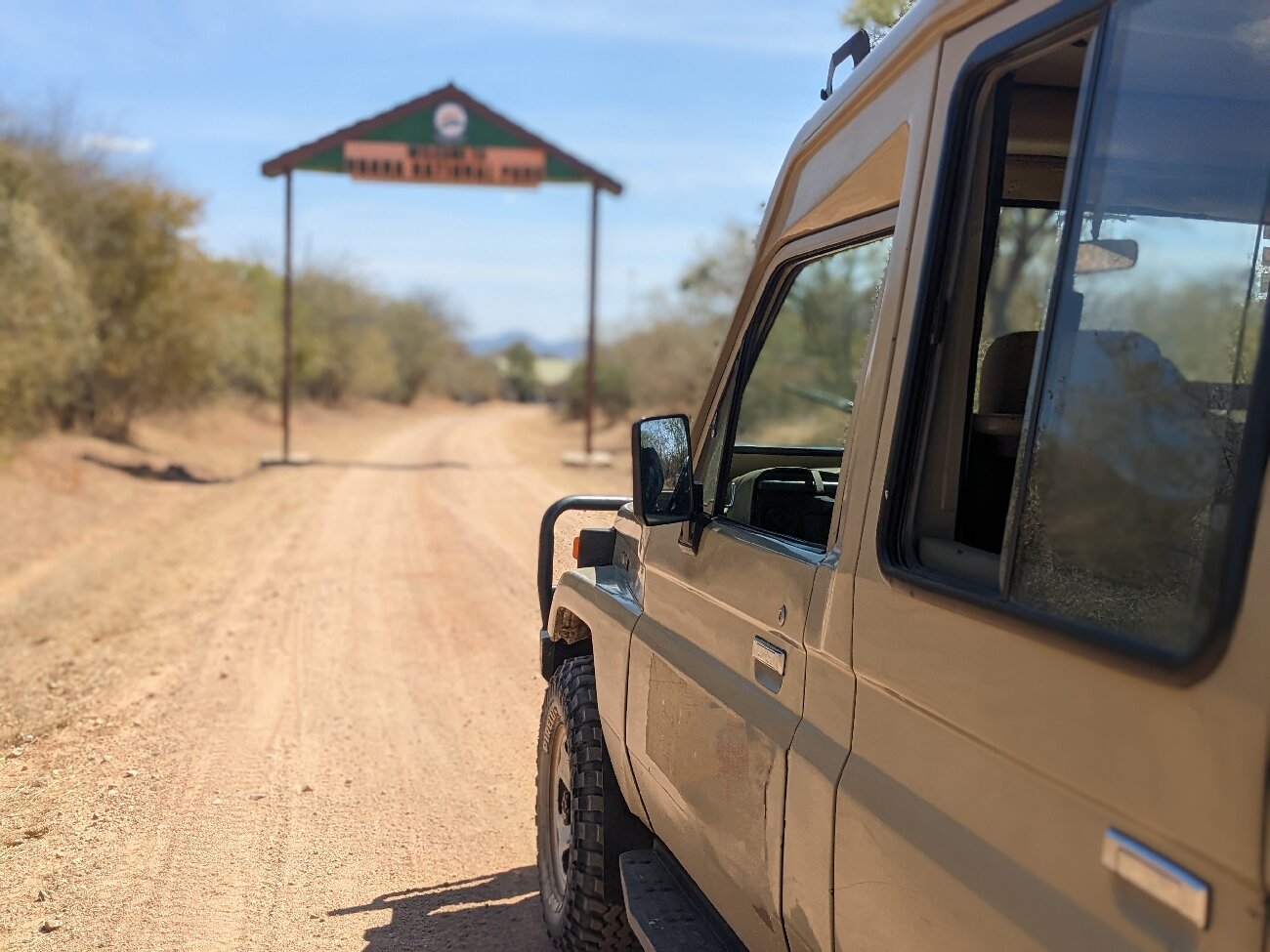
Most people fly. A scheduled light-aircraft flight from Dar es Salaam takes roughly two to two and a half hours and lands at Msembe airstrip near park headquarters, or at Jongomero airstrip for camps in the south. Carriers on the route include Coastal Aviation, Auric Air, Safari Air Link and Flightlink, and connections also run from Zanzibar, Arusha and the other southern parks, so a fly-in fits easily into a longer Tanzania trip. Expect the odd hop, since your plane may touch down at Mikumi or Nyerere on the way in or out depending on other passengers.
Driving is the other way, and it suits travellers who want to see rural Tanzania and keep costs down. The road from Dar es Salaam runs to Iringa on the paved A7 in around six to eight hours, then it is a further 120 to 130 kilometres of gravel to the Msembe gate, two to three hours in a 4×4. Total road time lands around eight to ten hours, so most drivers break the trip. Iringa is the nearest town, roughly 130 kilometres from the gate. One firm rule shapes the arrival. There is no night driving inside Ruaha, so you must reach your camp before dark, which means timing the last leg carefully.
Best Time for a Ruaha Safari
The dry season, broadly June to October, is the standout time for a first Ruaha safari. The bush thins, water shrinks back to the river and its pools, and wildlife concentrates where it is easy to find. Predator action peaks, elephant herds crowd the riverbed, and days are warm rather than fierce, with cool nights that can dip toward ten degrees in June and July. Crowds climb a little in July and August, though by any global measure the park stays quiet.
Dry season, June to October. Prime game viewing. Thin bush, concentrated wildlife, strong predator sightings and comfortable temperatures. The busiest, and the best, window for first-timers.
Green season, November to April. Warmer and wetter, with afternoon storms. The park turns green, birding is at its best and rates soften, but game is harder to find and some camps close in the heavy months.
Shoulder months, May and November. A middle path. You may catch the tail of the dry concentrations or the first flush of green, with fewer visitors and often better value.
Birders lean the other way, favouring roughly October to January when migrants arrive. If your priority is photography of green country and dramatic skies, the wet months deliver a different look entirely, with the trade-off of trickier tracks and dispersed animals. If you are choosing between two months rather than two seasons, Which Month Has the Best Wildlife Viewing in Ruaha? goes month by month. Match the season to what you most want to see, and Ruaha rarely disappoints across a stay of a few nights.
Every Ruaha Guide on This Site
This page is the overview. Each section above is covered in far more depth somewhere else on the site, and the lists below are the full index, grouped by the sort of question they answer.
Planning, Access and Practicalities
- Where Is Ruaha National Park Located?
- How to Get to Ruaha National Park From Dar es Salaam
- How Do Fly-In Safaris to Ruaha Work?
- How Far Is Ruaha National Park From Iringa?
- Which Entrance Gate Should You Use for Ruaha?
- Best Time to Visit Ruaha National Park
- Which Month Has the Best Wildlife Viewing in Ruaha?
- What Is the Weather Like in Ruaha National Park?
- How Many Days Should You Spend in Ruaha National Park?
- How Much Does It Cost to Visit Ruaha National Park?
- How Safe Is Ruaha for Tourists?
- What Should You Pack for a Ruaha Safari?
- Which Safari Vehicle Is Best for Ruaha?
- Where to Stay in Ruaha National Park (Best Lodges & Camps)
- Which Lodges Offer the Best Views in Ruaha?
- Which Tour Operators Offer Ruaha Safaris?
Wildlife and Where to Find It
- Which Animals Can You See in Ruaha National Park?
- Which Animals Are Most Common in Ruaha?
- Big Five Safari in Ruaha National Park
- Lion Tracking in Ruaha National Park
- When Is the Best Time to See Lions in Ruaha?
- Leopard and Cheetah Spotting in Ruaha National Park
- African Wild Dog Tracking in Ruaha National Park
- Where Can You See African Wild Dogs in Ruaha?
- Elephant and Buffalo Herds in Ruaha National Park
- Where Are the Best Places to See Elephants in Ruaha?
- Hippo and Crocodile Viewing in Ruaha National Park
- What Birds Can Be Seen in Ruaha National Park?
- Birdwatching Safari in Ruaha National Park
Game Drives, Walks and Other Activities
- Morning Game Drive in Ruaha National Park
- Afternoon Game Drive in Ruaha National Park
- Full-Day Game Drive in Ruaha National Park
- Night Game Drive in Ruaha National Park
- Sunrise Safari in Ruaha National Park
- Guided Walking Safari in Ruaha National Park
- Sand-River Drives in Ruaha National Park
- Great Ruaha River Exploration in Ruaha National Park
- Fly-In Safari in Ruaha National Park
- Fly-Camping in Ruaha National Park
- Camping Safari in Ruaha National Park
- Photography Safari in Ruaha National Park
- What Photography Equipment Should You Bring to Ruaha?
- Bush Breakfast in Ruaha National Park
- Picnic Lunch in Ruaha National Park
- Sundowner Experience in Ruaha National Park
- Family and Honeymoon Safari in Ruaha National Park
- Cultural Visits Near Ruaha National Park
Landscape, Rivers and Conservation
- What Makes Ruaha National Park Unique?
- What Are the Top Reasons to Visit Ruaha?
- How Large Is Ruaha National Park?
- How Does Ruaha Compare to the Serengeti?
- What Are the Main Ecosystems of Ruaha?
- East-South African Vegetation Transition Zone
- Miombo and Acacia Woodlands
- Baobab Landscapes in Ruaha National Park
- Baobab-Studded Plains
- What Rivers Flow Through Ruaha National Park?
- The Great Ruaha River
- The Mwagusi Sand River
- The Mdonya Sand River
- Nyamakuyu Rapids
- Usangu Wetlands and Ihefu Swamp
- Kimilamatonge Hill
- Ismani Rolling Hills
- Jongomero
- What Conservation Projects Operate in Ruaha?
Worked Itineraries
Twelve routes are written up day by day, from a three-night fly-in to a fortnight that ends on the coast. The full set sits on the safari packages page.
- 3 Day Ruaha Fly-In Safari
- 4 Day Ruaha Safari From Iringa
- 5 Day Ruaha And Mikumi Safari
- 6 Day Ruaha And Nyerere Safari
- 7 Day Southern Tanzania Safari
- 7 Day Ruaha And Udzungwa Walking Safari
- 8 Day Ruaha And Zanzibar Beach Safari
- 9 Day Ruaha Serengeti And Ngorongoro Safari
- 10 Day Southern Circuit And Zanzibar
- 10 Day Tanzania South And North Safari
- 12 Day Grand Tanzania Safari
- 14 Day Ultimate Tanzania Safari And Zanzibar
Two of those routes are also written up as longer articles: the 3-Day Ruaha Fly-In Safari and the 4-Day Mikumi and Ruaha Road Safari.
Frequently Asked Questions
How much does it cost to enter Ruaha National Park?
Park entry for a non-resident adult is currently around 30 US dollars per person for each 24 hour period, with children aged 5 to 15 at about 10 dollars and under-fives free. East African citizens pay a lower rate in shillings, and Tanzanian residents pay a reduced dollar rate. Those are all gate rates before 18 percent VAT, which is added on top, so a non-resident adult pays about 35 US dollars in practice, and that is the figure you will see quoted on safari packages. The fee covers 24 hours from the moment you enter rather than a calendar day, and it is charged on each entry, so basing yourself outside the gate and driving in every morning means paying it again each day. There are extra fees for vehicles, night drives and walking safaris. TANAPA sets these rates and reviews them with its fiscal year, so treat every figure here as indicative and confirm the current ones with TANAPA or your operator before you travel. How Much Does It Cost to Visit Ruaha National Park? breaks the whole budget down.
How many days do you need in Ruaha?
Three nights is the sweet spot for a first visit. It gives you time for morning and afternoon game drives, a walking safari and, if your camp offers it, a night drive, without feeling rushed. Two nights works if Ruaha is one leg of a longer southern circuit trip, while four or more nights suits keen photographers and anyone wanting to reach the remoter southern sectors around Jongomero.
Is Ruaha better than the Serengeti?
They are different trips. The Serengeti offers the migration and very high game density with more vehicles around. Ruaha trades some of that volume for space, strong predator viewing, unusual antelope and a genuine sense of having the park to yourself. Many repeat safari-goers rate Ruaha among the most rewarding parks in the country precisely because it stays quiet. If it is your first ever safari and you want the classic spectacle, start with the north. If you want wildness and few crowds, Ruaha is hard to beat. The long version of this answer is in How Does Ruaha Compare to the Serengeti?.
Can you see the Big Five in Ruaha?
You can see four of them. Lion, elephant, leopard and buffalo are all present, with lion and elephant especially strong. There are no rhino in Ruaha, so the full Big Five is not on offer here. What the park adds instead is excellent cheetah and wild dog viewing, which many people rate above a rhino sighting anyway.
How much does a Ruaha safari cost in total?
It depends heavily on how you travel and where you stay. Budget road-based trips using camps outside the park sit at the lower end, mid-range fly-in safaris with tented camps inside the park land in the middle, and the luxury camps with private guiding run considerably higher per person per night. Flights from Dar es Salaam add a meaningful cost on top of park fees and accommodation. For an accurate all-in figure, get a tailored quote, and treat any single headline price with caution since season and group size move it a lot.
Is Ruaha safe for tourists?
Yes, within the normal terms of a safari. The wildlife is wild, so you follow your guide’s instructions, stay in the vehicle unless on a guided walk, and keep to camp rules after dark. The main practical health point is malaria, which is present year round and peaks in the wet months, so speak to a travel clinic about prophylaxis and bring repellent and cover-up clothing for dusk. See How Safe Is Ruaha for Tourists? and What Should You Pack for a Ruaha Safari? for the detail.
Plan Your Ruaha Safari
Sorting out a first trip to a park this remote can feel like a lot, and you really do not have to piece it together on your own. This site is an independent guide and does not sell or book anything; the safari companies and tour operators listed here have spent years running trips across Ruaha and the wider southern circuit, with guides who know where the prides rest through the heat and how the river reads from one month to the next. Ask them straight and they will tell you when a wild dog sighting is likely and when it is a long shot, rather than promising the earth.
Whether the budget is tight or open, the days get built around what you actually want to see, and the flights, park bookings and camp choices are handled quietly in the background so none of the admin lands on you. Want a proper quote, or just a steer on where to start? A good first step is one of the twelve worked itineraries, so you have a shape to react to, then the enquiry form on the homepage to send your dates on. Questions about the park itself are answered across the FAQ.