What Is the Weather Like in Ruaha National Park?
Ruaha National Park has a warm, semi-arid climate with two seasons: a dry season from June to October with warm days, cool nights and clear skies, and a green season from November to April that is hotter and more humid with afternoon storms. Sitting at a moderate altitude keeps temperatures comfortable. Ruaha is one of Tanzania’s largest national parks, in the south-central Iringa Region, and the anchor of the country’s quieter southern safari circuit.
The Climate of Ruaha for a Safari
Ruaha sits in a semi-arid part of central Tanzania, and its weather runs on a clear two-season rhythm that shapes every Ruaha safari. There is a long dry season and a shorter green, or wet, season, with no real cold spell in between. The park’s moderate altitude, rising from the river valleys to cooler wooded high ground, keeps the heat from becoming as fierce as it does on the coast, so even the hot months stay manageable. Rainfall is modest overall and heavily concentrated in the wet season, which is why the dry months are so dry.
Understanding this pattern matters because the weather drives the wildlife. When it is dry, water shrinks and animals concentrate. When it is wet, water spreads and they disperse. So the same climate that dictates what to pack also decides what your game viewing will be like, which is why the seasons come up again and again when planning a trip.
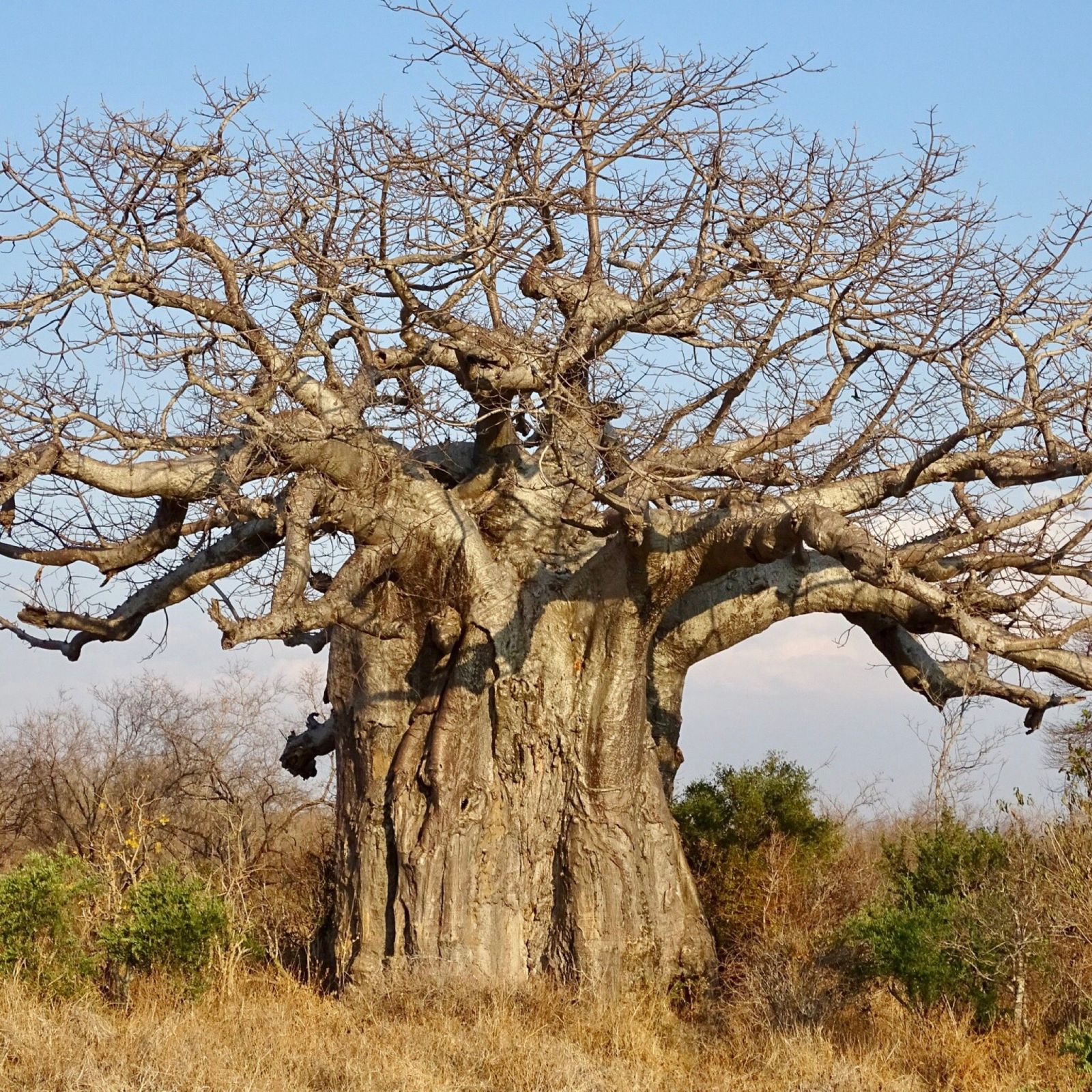
Ruaha’s semi-arid setting also explains its character on the ground. This is not a rainforest or a wetland but a dry-country park, where the vegetation is adapted to long spells without water and the baobabs store moisture in their swollen trunks. The Great Ruaha River is the exception that makes the rest possible, carrying water through a country that would otherwise bake, which is why the river matters so much to both the wildlife and the weather story. Knowing that Ruaha is fundamentally a hot, dry place, softened by altitude and cut through by one great river, is the key to picturing its climate.
Dry Season Weather on a Ruaha Safari
The dry season, from June to October, is the classic time for a Ruaha safari, and the weather is a big part of why. Rain is rare to non-existent, the skies stay clear, and the humidity is low, so the days are comfortable and the light is clean for photography. As the season goes on, the land dries out and the dust builds, particularly by September and October when it is at its hottest and dustiest. This is the reliable, settled weather that makes planning easy, since you can count on dry days and open skies.
Cool Mornings and Warm Days on a Dry-Season Safari
The defining feature of dry-season weather is the daily temperature swing. Thanks to the altitude, early mornings can be genuinely cold, especially in June and July, when the open game-drive vehicle and the wind chill can push the feel toward ten degrees or a little above. By the middle of the day the same day warms into the high twenties, and later in the season into the thirties. This is why layering is the sensible approach, with a warm top and hat for the dawn drive that you shed as the sun climbs. The cool nights are a pleasant surprise for many visitors, making for comfortable sleeping and cosy evenings around the fire.
Ruaha’s dry-season mornings can start cold enough for a fleece and end hot enough for shorts. The daily swing, driven by the altitude, is the single most useful thing to know before you pack.
Green Season Weather for a Ruaha Safari
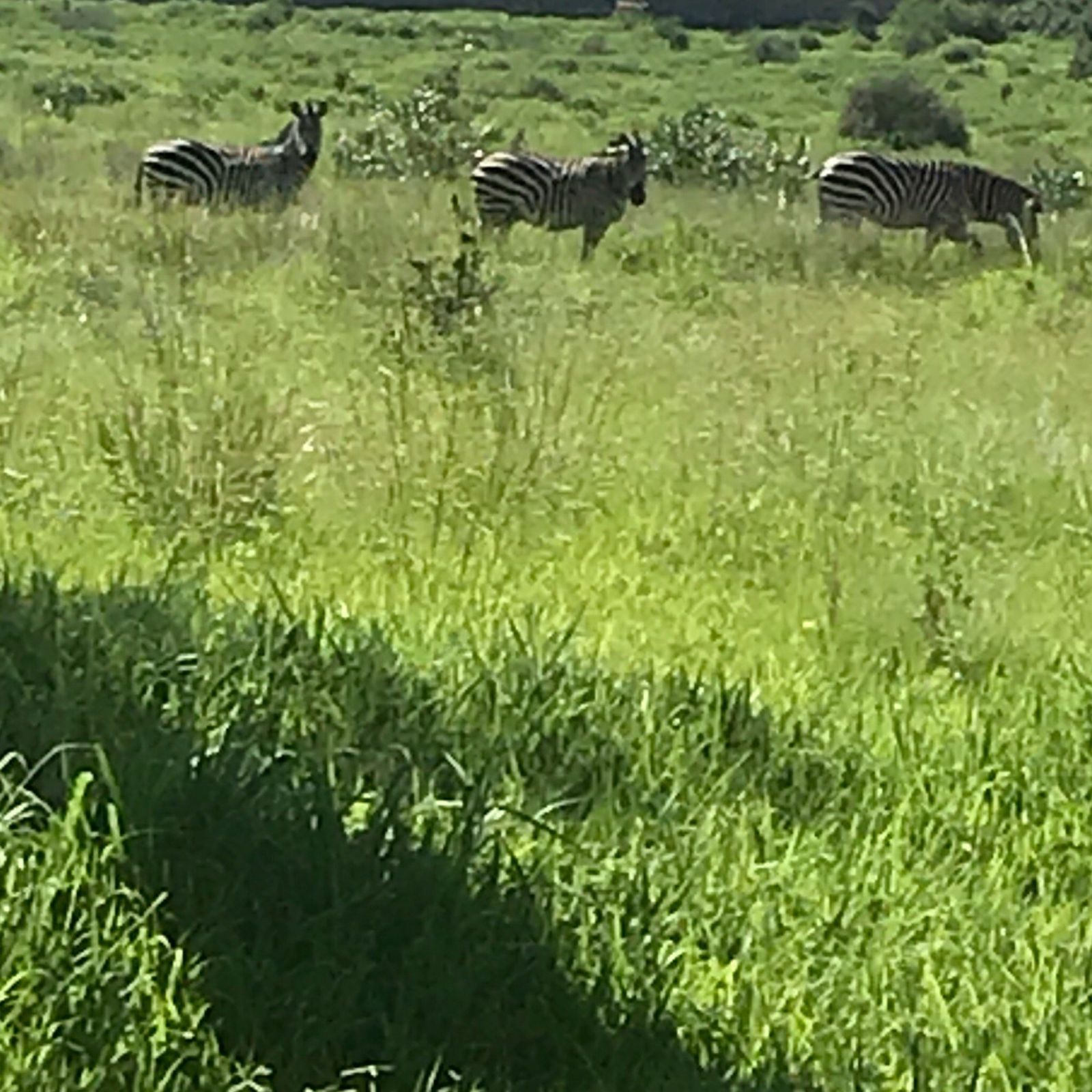
From November the short rains arrive and the park shifts into its green season, which lasts through April. The weather turns warmer and more humid, and the rain comes mostly as short, heavy afternoon storms rather than all-day drizzle, so you often still get clear mornings and dramatic skies. The country greens up quickly, the baobabs come into leaf, and the scenery is at its most photogenic. December through March is the wettest heart of the season, while April sees the last of the heavier rain before the transition to the drier shoulder in May. A green-season Ruaha safari trades the settled dry weather for a greener, warmer, more atmospheric park.
Rainfall and Storms Through the Safari Year
Rainfall in Ruaha is concentrated and seasonal. The dry months from June to October see little or none, which is what makes them so reliable, while the green months carry almost all the year’s rain. In the wettest months the park can see storms most afternoons, with rainfall in the region of a few inches a month, enough to green the country and swell the river but usually not enough to wash out a whole day. The storms tend to build in the heat of the afternoon and clear, often leaving spectacular light behind. On a green-season trip, a light rain layer and flexible plans handle the weather easily.
The rain rarely disrupts a safari the way an all-day soaking would. Because the storms are short and usually confined to the afternoon, morning drives generally go ahead under clear skies, and the wet often arrives while you are resting through the midday heat anyway. The rain also transforms the park quickly, settling the dust, filling the river, and turning the country green within days, so a green-season visitor sees Ruaha at its freshest. The main practical effect is on the roads, which can soften and slow after heavy rain, and on a few remote camps that close in the wettest stretch, both of which are worth checking when you plan.
Temperatures Month by Month in Ruaha
June and July are the coolest months, with warm, pleasant days and cold early mornings that call for a fleece. August warms up steadily, and September and October are the hottest and driest, with strong daytime heat and dust. November brings the first rains and rising humidity as the green season begins, and December through February stays warm and humid with afternoon storms. March and April remain warm and wet through the last of the heavy rain, before May eases into drier, mild shoulder conditions. Across the year, daytime highs generally sit in the high twenties to low thirties, while dry-season nights are the only time it turns genuinely cool.
How the Weather Shapes Wildlife and Your Safari
The weather is not just about comfort, since it decides the wildlife viewing. In the dry season, the lack of rain shrinks the water to the river and its pools, forcing animals to concentrate where they are easy to find, which is why the dry months are best for game. In the green season, the rain spreads water across the whole park, so the animals disperse and take more finding, though the birding and scenery are at their peak. So when you choose your dates, you are really choosing between settled weather with concentrated game, or greener, warmer conditions with dispersed wildlife and the best birds. Matching the weather to your priorities is the heart of planning a Ruaha safari.
What to Pack for Ruaha’s Weather on Safari
The weather points clearly to what belongs in your bag. For a dry-season trip, pack warm layers for the cold mornings, light clothing for the hot days, plenty of sun protection, and something to keep dust off your gear. For a green-season trip, swap some of the warm kit for a light rain jacket and quick-drying clothes, and bring stronger insect protection since mosquitoes are more active when it is wet. Neutral colours, a wide-brimmed hat and good sunglasses stay constant whenever you visit. Getting the layers right is the key, since the same day can start cold and turn hot on a Ruaha safari.
Frequently Asked Questions
What is the weather like in Ruaha?
Ruaha has a warm, semi-arid climate with two seasons. The dry season from June to October brings warm days, cool nights and clear skies with little rain. The green season from November to April is hotter and more humid with short afternoon storms. The moderate altitude keeps temperatures from becoming as extreme as on the coast.
How cold does Ruaha get in the dry season?
Dry-season mornings, especially in June and July, can feel close to ten degrees Celsius or a little above, cold enough for a fleece and hat on the early game drive, particularly with the wind chill in an open vehicle. The days then warm into the high twenties or thirties, so the daily swing is large. Nights stay cool, which makes for comfortable sleeping.
When does it rain in Ruaha?
Almost all the rain falls in the green season from November to April, mostly as short, heavy afternoon storms rather than all-day rain. December through March is the wettest heart of the season. The dry months from June to October see little or no rain, which is what makes them so reliable for a safari.
Is Ruaha too hot to visit?
Not usually. The moderate altitude keeps the heat manageable compared with the coast, though September and October are hot and dusty at the peak of the dry season, and the green months are warm and humid. Drives are timed for the cooler early and late hours, and the midday heat is spent resting, so the weather rarely spoils a trip.
How much does a Ruaha safari cost, whatever the weather?
Cost depends on how you travel and where you stay rather than the weather, though green-season rates are often lower. Park entry for a non-resident adult is currently around 30 US dollars per person for each 24 hours before 18 percent VAT, with reduced rates for residents and East African citizens. Flights and accommodation add to the total. Confirm current fees with TANAPA before you travel.
Plan Your Ruaha Safari
Matching your dates to the weather you want, and packing for the big daily temperature swing, is easier with advice from people who know the park through the seasons. The safari companies and tour operators listed on this website run trips across Ruaha year round, and they can tell you exactly what to expect from the weather on your dates and how it will shape your game viewing.
Whether the budget is tight or open, the days get shaped around your priorities, and the flights, park bookings and camp choices are handled in the background so none of the admin lands on you. Want a proper quote, or just a steer on the best season? Reach out to the operators listed here, and a real person, not a bot, will get back to you.