Which Entrance Gate Should You Use for Ruaha?
Most visitors use the Msembe Gate, the main entrance to Ruaha National Park, reached by road from Iringa and set close to park headquarters on the Great Ruaha River. Fly-in guests arrive instead at the Msembe or Jongomero airstrips, bypassing the road gate entirely. Which point you use depends on whether you drive or fly and where your camp sits. Ruaha is one of Tanzania’s largest national parks, in the south-central Iringa Region, and the anchor of the country’s quieter southern safari circuit.
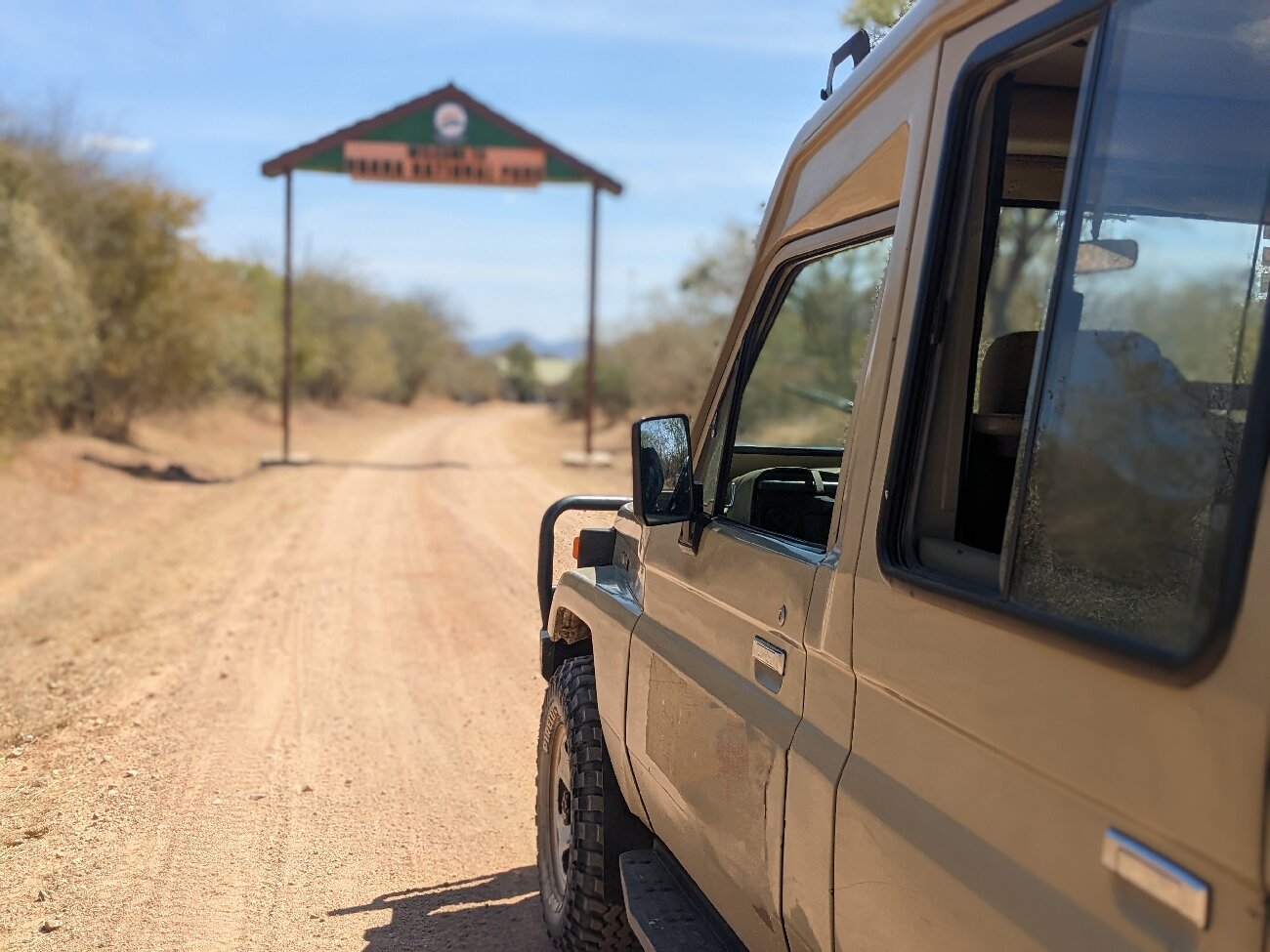
The Main Msembe Gate for Your Ruaha Safari
For anyone arriving by road, the Msembe Gate is the answer. It is the park’s main entrance, sitting near the bridge that crosses the Great Ruaha River, close to the park headquarters, the administrative offices and the hippo and crocodile pool that most visitors pass on the way in. This is where you register, pay your fees and pick up any final information before starting your safari. Nearly every road-based itinerary into Ruaha comes through here, so if you are unsure which gate you need, it is almost certainly Msembe.
The gate is reached on the dirt road that runs west from Iringa, the last stretch of the long approach from Dar es Salaam or the highlands. Because there is no night driving in the park, plan to reach the gate in good daylight so you can register and drive on to your camp before dark. The headquarters area just beyond the gate has basic facilities, and it is the hub from which the park’s road network spreads out.
Around the Msembe headquarters you will find the practical backbone of the park. There are simple bandas and a campsite for budget travellers, a place to top up fuel in an emergency, and the ranger and administrative offices that keep the park running. It is not a resort, and you would not linger here, but it is reassuring to know the hub exists. Most guests pass straight through after registering, heading out on the transfer to their camp, which begins the game viewing right away.
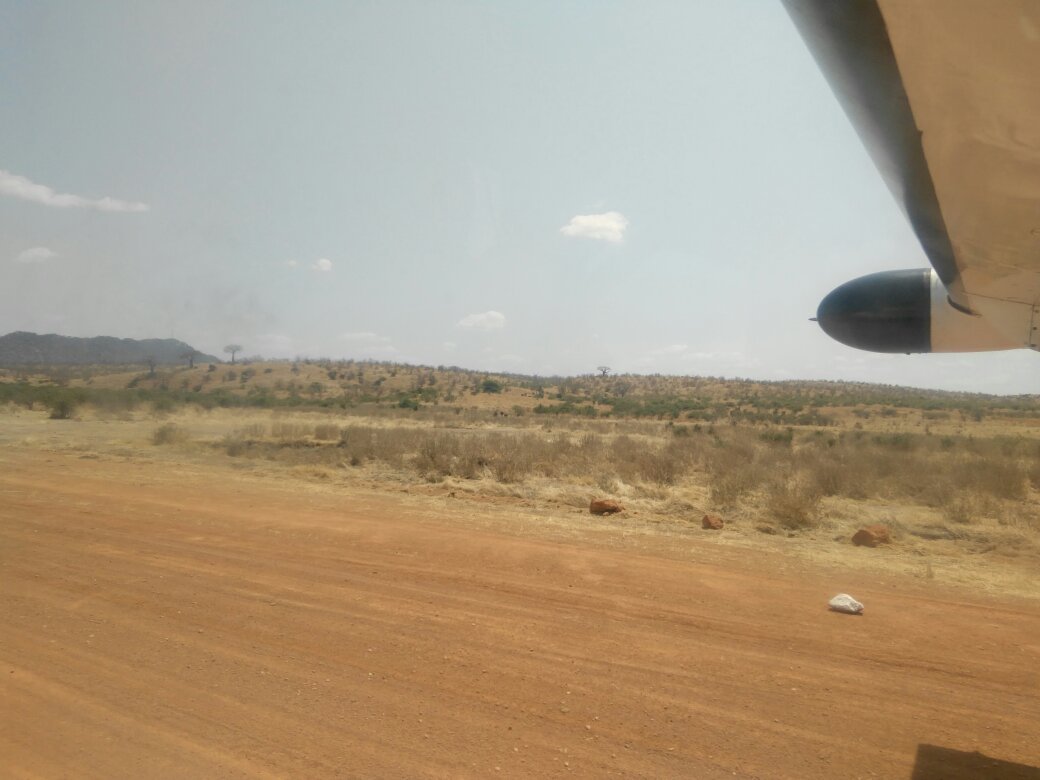
Arriving by Air at the Msembe and Jongomero Airstrips
If you fly in, you skip the road gate altogether. Ruaha has two airstrips, and which one you use depends on your camp. The main airstrip is at Msembe, beside park headquarters, where most scheduled flights land and where the majority of central camps collect their guests. The second is Jongomero, in the remote south near the Jongomero Ranger Post, serving the camps in that quieter sector. On landing, you clear a quick registration and are met by your camp’s vehicle for the transfer, which doubles as your first game drive. For a fly-in safari, your camp tells you which airstrip suits your booking, so the choice is made for you.
There is a small quirk to flying in worth knowing. Because the light aircraft serve several parks on a route, your plane may touch down at Mikumi or Nyerere along the way, and you may land at Msembe even if your camp is elsewhere in the central area, with the road transfer handling the last leg. It all gets arranged for you, but it explains why two guests on the same flight can end up at different camps by different transfers. The airstrips are the entry point, and the drive from the strip to camp is where your safari really begins.
Entering From the Iringa and Tungamalenga Road
The classic road approach comes from Iringa, running west toward the park on graded gravel. Along the final stretch, near the village of Tungamalenga about 18 kilometres east of the main gate, sits a cluster of small lodges and camps that have grown up to serve budget-conscious travellers. Staying here means you are close to the Msembe Gate and can run day safaris into the park, paying the entry fee each time you go in. For self-drivers and those watching the budget, this Tungamalenga corridor is a practical base, and the Msembe Gate is the entry point you will use each day.
Remember that park entry covers a 24 hour period, not a calendar day. If you are based outside the gate and driving in each morning, you pay the fee on each entry, so factor that into a multi-day day-trip plan rather than assuming one payment covers the whole stay.
Choosing a Gate by Where You Stay on Safari
The simplest way to pick your entry point is to work backward from your camp. If you are staying at one of the central camps along the Great Ruaha River, you will use the Msembe Gate by road or the Msembe airstrip by air. If your camp is in the remote south around Jongomero, you will fly into the Jongomero airstrip, since reaching that sector by road is a long haul few visitors attempt. If you are based in the budget lodges near Tungamalenga outside the park, the Msembe Gate is your daily entry point. Matching the entry to the camp, rather than the other way round, keeps the logistics simple on a Ruaha safari. In practice, your operator sets all of this when they build your trip, so the entry point is decided the moment you choose where to stay and how to travel. You rarely need to think about gates yourself, but understanding the logic helps you picture how the pieces fit together.
Approaching Ruaha From Other Directions
While Iringa is the standard road approach, the park can in principle be reached from other directions for the adventurous. Routes exist from the Morogoro and Dodoma regions, since the park sits in the centre of the country, but these are longer, rougher and far less used, and they suit only well-prepared self-drivers in capable vehicles. For nearly all visitors, the Iringa road to the Msembe Gate, or a flight to one of the airstrips, is the sensible way in. If you are considering an unusual overland route, plan carefully and check conditions, since services and signage are sparse away from the main approach.
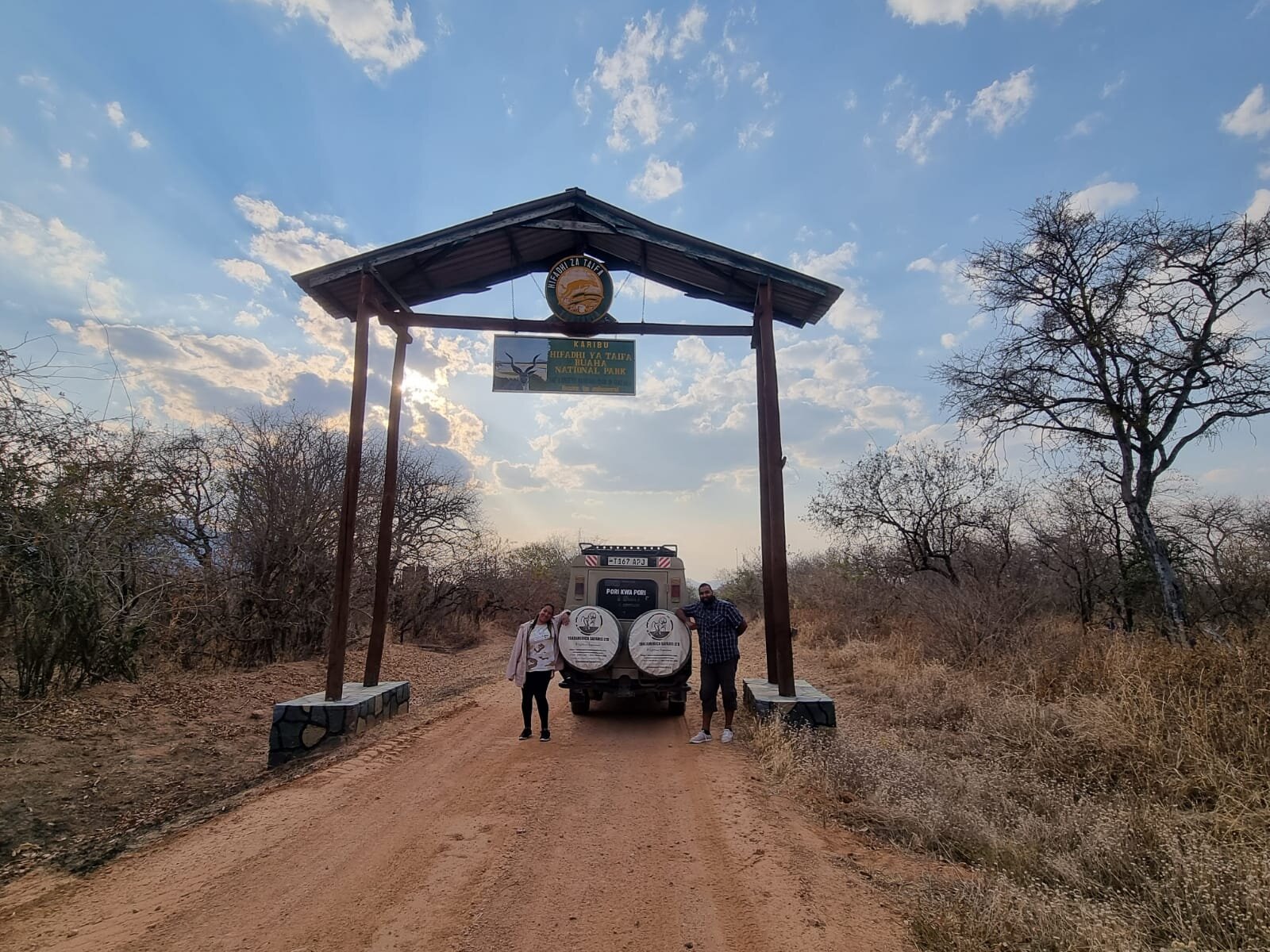
What Happens at the Ruaha Gate
Arriving at the Msembe Gate is straightforward. You stop to register, present your details and settle the park fees, which are generally paid by card or through the electronic system rather than in cash. If you are on an operator’s package, this is handled for you, and the whole stop takes only a short while. Beyond the gate lies the headquarters area and the start of the road network, from which your guide heads out toward your camp. Fly-in guests go through a similar quick registration at the airstrip instead. Either way, the formalities are light, and within minutes you are on your first drive.
A little preparation smooths the stop. Have your passports ready, since names and details are recorded, and know whether your fees are prepaid through your operator or due at the gate. If you are paying yourself, be set to use a card or the electronic system rather than cash. Queues are rare at Ruaha given how few visitors it sees, so the registration is usually quick and relaxed, a world away from the busy gates of the northern parks. It is a gentle introduction to a park that stays quiet from the boundary inward.
Best Time to Arrive at the Ruaha Gate
Timing your arrival at the gate matters because of the no-night-driving rule. Aim to reach the Msembe Gate by mid-afternoon at the latest, so you have daylight to register and drive on to your camp, which can be some distance inside the park. For road travellers coming from Dar es Salaam, this usually means an overnight in Iringa and an early start, rather than trying to do the whole trip in one day. Fly-in guests have it easier, since flights are scheduled to land with plenty of daylight for the transfer. In the wet season, allow extra time on the approach road, as it can slow after rain.
Frequently Asked Questions
What is the main entrance gate to Ruaha?
The main entrance is the Msembe Gate, near park headquarters on the Great Ruaha River, reached by the dirt road from Iringa. It is where road visitors register and pay fees. Fly-in guests instead arrive at the Msembe or Jongomero airstrips and skip the road gate.
Do I choose the gate, or does my camp?
In practice your camp and your mode of travel decide it for you. Central camps are reached via the Msembe Gate or airstrip, southern camps via the Jongomero airstrip, and budget lodges outside the park use the Msembe Gate for daily entry. Your operator will confirm the entry point when they arrange your trip.
How much does it cost to enter through the gate?
Park entry for a non-resident adult is currently around 30 US dollars per person for each 24 hour period, before 18 percent VAT, with reduced rates for residents and East African citizens and free entry for children under five. If you are based outside the park and driving in each day, you pay on each entry. Confirm current fees with TANAPA before you travel, as they are reviewed each fiscal year.
Can you reach Ruaha without using the Msembe Gate?
Yes, if you fly in, since you arrive at an airstrip rather than a road gate. For road travellers, the Msembe Gate via Iringa is the standard entry, though longer and rougher routes exist from the Morogoro and Dodoma directions for well-prepared self-drivers. Most visitors use Iringa and Msembe, or fly.
How do you pay the entry fee at the gate?
Fees are generally paid by card or through the TANAPA electronic payment system rather than in cash, and foreign currency in cash is not a reliable fallback. If you are on an operator package, the fees are handled for you and already sit in your quote. Independent travellers should arrive ready to pay electronically.
Plan Your Ruaha Safari
Working out which entry point suits your camp and your route is a small thing that a good operator sorts without you having to think about it. The safari companies and tour operators listed on this website arrange Ruaha access every week, matching the gate or airstrip to where you are staying and how you are travelling, so you arrive at the right place with the fees and registration already in hand.
Whether you drive in through Msembe or fly to an airstrip, the transfers, park bookings and paperwork are handled in the background so none of the logistics land on you. Want a proper quote, or just a steer on the best way in? Reach out to the operators listed here, and a real person, not a bot, will get back to you.