How Safe Is Ruaha for Tourists?
Ruaha is a safe destination for tourists within the normal terms of a safari, with very low crime, well-run camps and experienced guides. The main things to manage are wildlife safety, by following your guide and camp rules, and malaria, which is present year round. Ruaha is one of Tanzania’s largest national parks, in the south-central Iringa Region, and the anchor of the country’s quieter southern safari circuit.
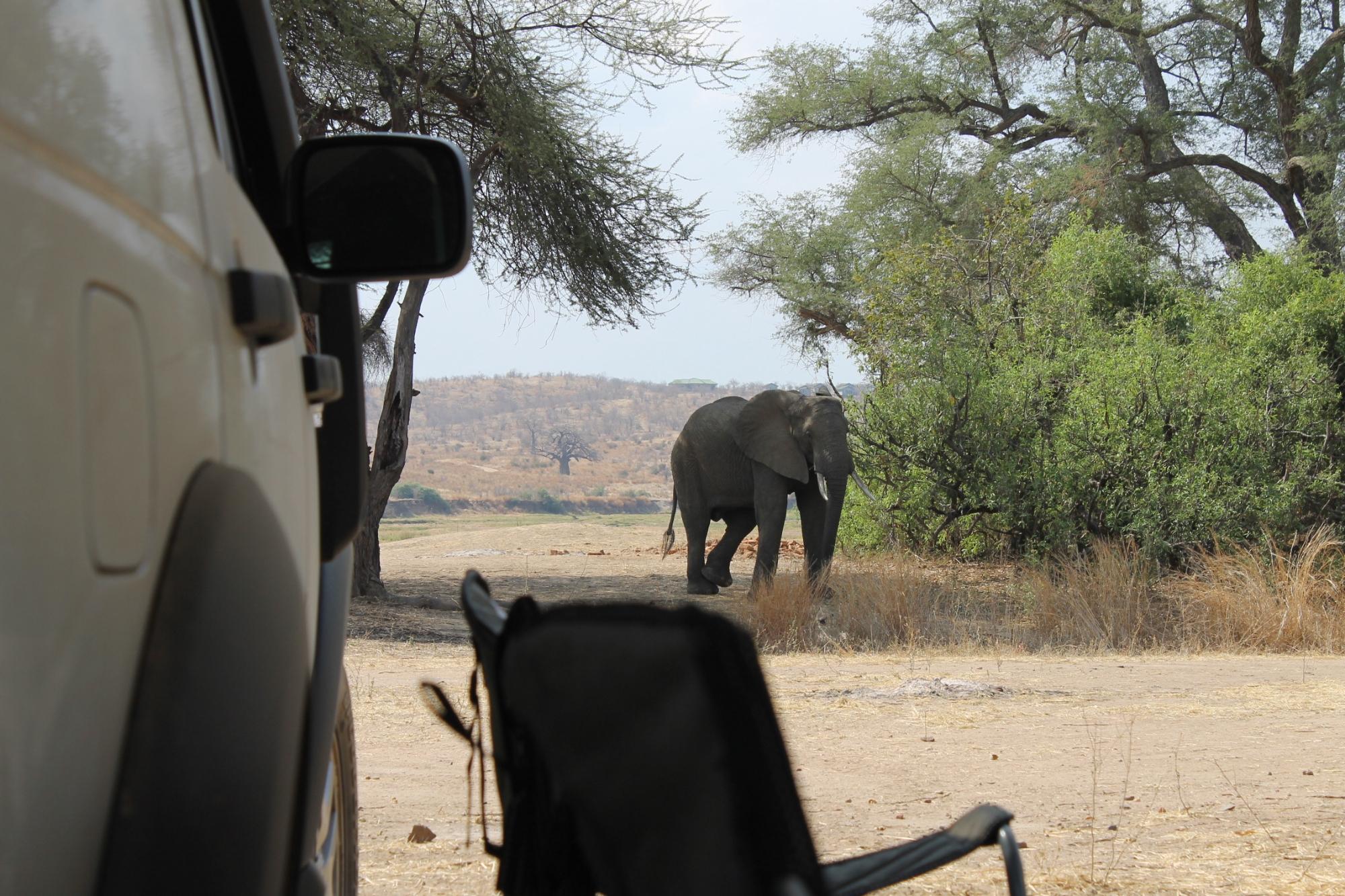
Is Ruaha Safe for a Safari?
For a well-planned trip, a Ruaha safari is a safe experience. The park is remote and thinly visited, crime against tourists is very rare, and the camps and operators are practised at looking after guests in a wilderness setting. The risks that exist are the ordinary ones of any safari, being wild animals, mosquitoes and the remoteness itself, and all of them are managed with sensible precautions rather than avoided by staying away. Millions of people safari in Tanzania without incident, and Ruaha, being quiet and professionally run, is no exception.
That said, remoteness cuts both ways. The same isolation that makes the park feel wild also means help is far off, so the emphasis is on prevention and preparation rather than relying on quick rescue. Following your guide, respecting the wildlife and sorting your health precautions before you travel are what keep a trip smooth. Do those things, and Ruaha is as safe as any major safari park.
Wildlife Safety on a Ruaha Safari
The animals are wild, so the main safety rules are about respecting them. On a game drive, stay seated in the vehicle and keep your voice and movements calm, since the wildlife treats a vehicle as a harmless shape but reacts differently to a person standing or stepping out. Do not stand up suddenly near predators, and let your guide decide how close to approach. At camp, especially the unfenced ones, animals can wander through, so you follow the camp’s rules about moving around after dark, which usually means being escorted between your tent and the main areas at night.
These rules are not there to alarm you but to keep a safe situation safe. Guides and camp staff know the animals and the ground, and incidents are rare precisely because the precautions are taken seriously. Listen to the briefing when you arrive, ask if you are unsure, and treat every animal as wild, and the wildlife side of a Ruaha safari stays firmly in the column of thrill rather than danger.
A few specifics help. Keep your arms and equipment inside the vehicle near big animals, avoid wearing strong scents that can draw insects or curiosity, and never try to get out for a better photo, since the vehicle is your safe shape and stepping down breaks it. Around elephants, give the herd space and let the guide read their mood, as a matriarch protecting calves wants room. None of this makes the animals a threat in normal conditions, but the point of the rules is that they keep a calm situation calm. Guides have spent years reading these animals, so trusting their judgement is the surest way to stay safe and still get close.
Malaria and Health Precautions in Ruaha
The most important health point is malaria, which is present in the region year round and peaks in the wet season. Speak to a travel clinic well before you go about antimalarial medication, and take the full course as prescribed. Alongside that, cover up with long sleeves and trousers at dusk when mosquitoes are most active, use a good insect repellent, and sleep under the net your camp provides. These simple steps sharply reduce the risk.
Beyond malaria, the usual travel-health sense applies. Drink bottled or treated water, protect yourself from the strong sun, and bring any personal medicines plus a small first-aid kit, since the park is remote and a pharmacy is far away. Check that your travel insurance covers safari activities and, ideally, emergency evacuation, given the isolation. None of this is cause for worry, but sorting the medical side with a professional before you travel is the single best thing you can do for a healthy trip.
Make sure your travel insurance covers remote-area medical evacuation. Ruaha is far from major hospitals, so cover that includes getting you out in an emergency matters more here than in a city-based holiday. Confirm the details before you travel.
Crime and Personal Safety in and Around the Park
Crime is not a major concern inside Ruaha. The park is remote, visitor numbers are low, and camps are secure, so theft and personal crime against tourists are very rare. The ordinary common sense you would use anywhere applies: keep valuables secure, do not flash expensive gear in towns, and use hotel or camp safes where available. On the drive in through Iringa and along the highway, the usual road-travel precautions are enough. For a Ruaha safari, crime is far down the list of things to think about compared with wildlife and health.
Road and Travel Safety Getting to Ruaha
Getting to the park carries the everyday risks of long-distance travel in the region. If you drive, the highway to Iringa and the gravel road to the gate call for a sound vehicle, sensible speeds and daylight travel, since the roads can be rough and hazards like livestock and pedestrians appear in the villages. Breaking the long drive with an overnight in Iringa reduces fatigue, which is itself a safety measure. If you fly, the light aircraft are operated by established carriers with good records, and flying sidesteps the road risks entirely, which is one more reason most visitors choose to fly in. Either way, the no-night-driving rule inside the park keeps arrivals in daylight.
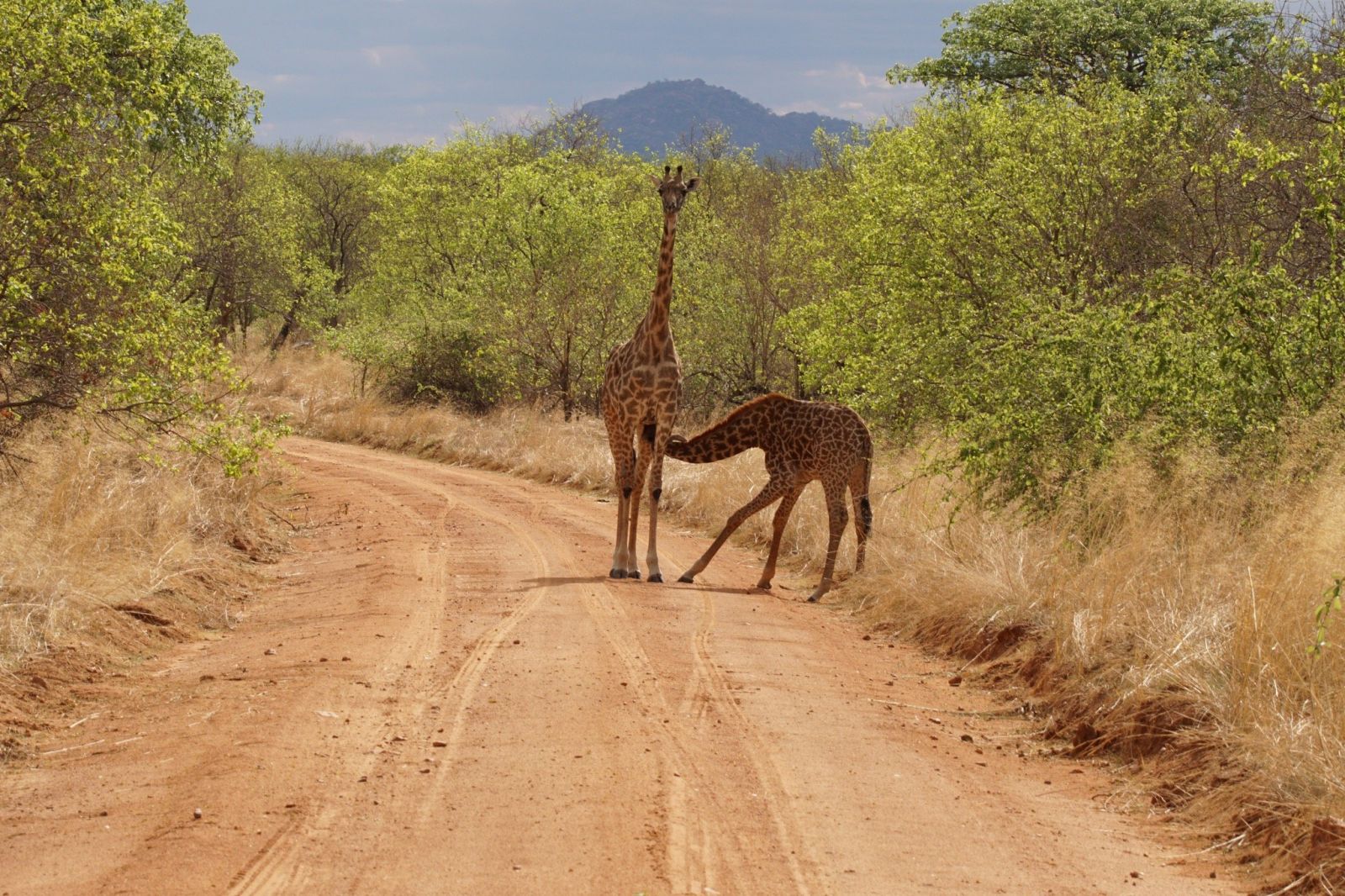
Safety on Walking Safaris and Night Drives
Ruaha’s more active outings come with their own safeguards. A walking safari is always led by an armed ranger, and the rules are strict for good reason: you walk in single file, stay with the guide, keep quiet, and do exactly as instructed, since you are on foot in a park with dangerous game. Done this way, walking is safe and deeply rewarding. Night drives, offered by some camps, use a spotlight to find nocturnal animals, and again you stay in the vehicle and follow the guide’s lead. Both activities are run by professionals who manage the risk, so the key is simply to respect the rules rather than test them.
Staying Safe in Remote Camps
The camps themselves are safe, comfortable bases, but their wilderness setting shapes a few habits. Many are unfenced, so wildlife can pass through, which is part of the appeal and the reason for the after-dark escort rule. Keep your tent zipped to stop small animals and insects getting in, store food as the camp advises rather than in your tent, and use the whistle or radio some camps provide if you need to call for help at night. Staff are on hand and know how to handle the animals, so following their guidance keeps camp life relaxed. This is all standard for a remote Ruaha safari, and it quickly becomes second nature. Within a day you stop noticing the routines and simply enjoy the rare feeling of sleeping out in genuinely wild country, which is exactly what draws people to a park like this in the first place.

Best Time to Visit for a Safe, Comfortable Ruaha Safari
Every season is safe to visit, but the dry season from June to October is the most comfortable and straightforward, with firm roads, lower malaria risk as mosquitoes decline, and easy game viewing. The green season from November to April is also fine, with the trade-offs of higher malaria risk in the wetter months, muddier tracks and some camp closures, so take extra care with insect precautions and allow more travel time. Whenever you go, the safety basics stay the same: follow your guide, respect the wildlife, sort your malaria protection, and carry good insurance.
Frequently Asked Questions
Is Ruaha safe to visit?
Yes, within the normal terms of a safari. Crime against tourists is very rare, the camps and guides are experienced, and the park is professionally run. The main things to manage are wildlife safety, by following your guide and camp rules, and malaria, which is present year round. With sensible precautions, Ruaha is as safe as any major safari park.
Do I need malaria tablets for Ruaha?
Yes. Malaria is present in the region year round and peaks in the wet season, so speak to a travel clinic before your trip about antimalarial medication and take the full course. Cover up at dusk, use insect repellent, and sleep under the net your camp provides. These steps sharply reduce the risk.
Is it dangerous to walk on a safari in Ruaha?
Walking safaris are safe when done properly, and they are always led by an armed ranger. You walk in single file, stay with the guide, keep quiet and follow instructions, since you are on foot in a park with dangerous animals. Handled this way, a walking safari is one of the most rewarding and well-managed experiences in the park.
Are the camps in Ruaha safe at night?
Yes, though many are unfenced so wildlife can pass through, which is why camps escort guests between tents and the main areas after dark. Keep your tent zipped, store food as advised, and follow the staff’s guidance. The staff know how to handle the animals, and incidents are rare when the simple rules are respected.
Should I get travel insurance for a Ruaha safari?
Strongly recommended. Given how remote the park is, choose insurance that covers safari activities and, ideally, emergency medical evacuation, since major hospitals are far away. Confirm the details before you travel. Good cover is one of the most important safety measures for a trip to a remote park like Ruaha, so sort it early and read what it includes rather than assuming.
Plan Your Ruaha Safari
A safe, smooth trip to a remote park comes down to good planning, from malaria protection to insurance to a well-run camp, and that is exactly where an experienced operator helps. The safari companies and tour operators listed on this website run trips across Ruaha with professional guides and safe, well-managed camps, and they can advise on health precautions, insurance and everything else that keeps a remote safari straightforward.
Whether the budget is tight or open, the guiding, camps, flights and park bookings are handled in the background so none of the admin lands on you. Want a proper quote, or just a steer on planning a safe trip? Reach out to the operators listed here, and a real person, not a bot, will get back to you.