How Much Does It Cost to Visit Ruaha National Park?
The cost of visiting Ruaha National Park comes down to four things: park entry and conservation fees, how you get there, the camp tier you choose, and the activities you add on. Most visitors book a fly-in safari of two to four nights through an operator who bundles these into a single per-person price, with the full figures set out in the section below. Ruaha is one of Tanzania’s largest national parks, in the south-central Iringa Region, and the anchor of the country’s quieter southern safari circuit, which keeps it less crowded but pricier to reach than the northern parks.
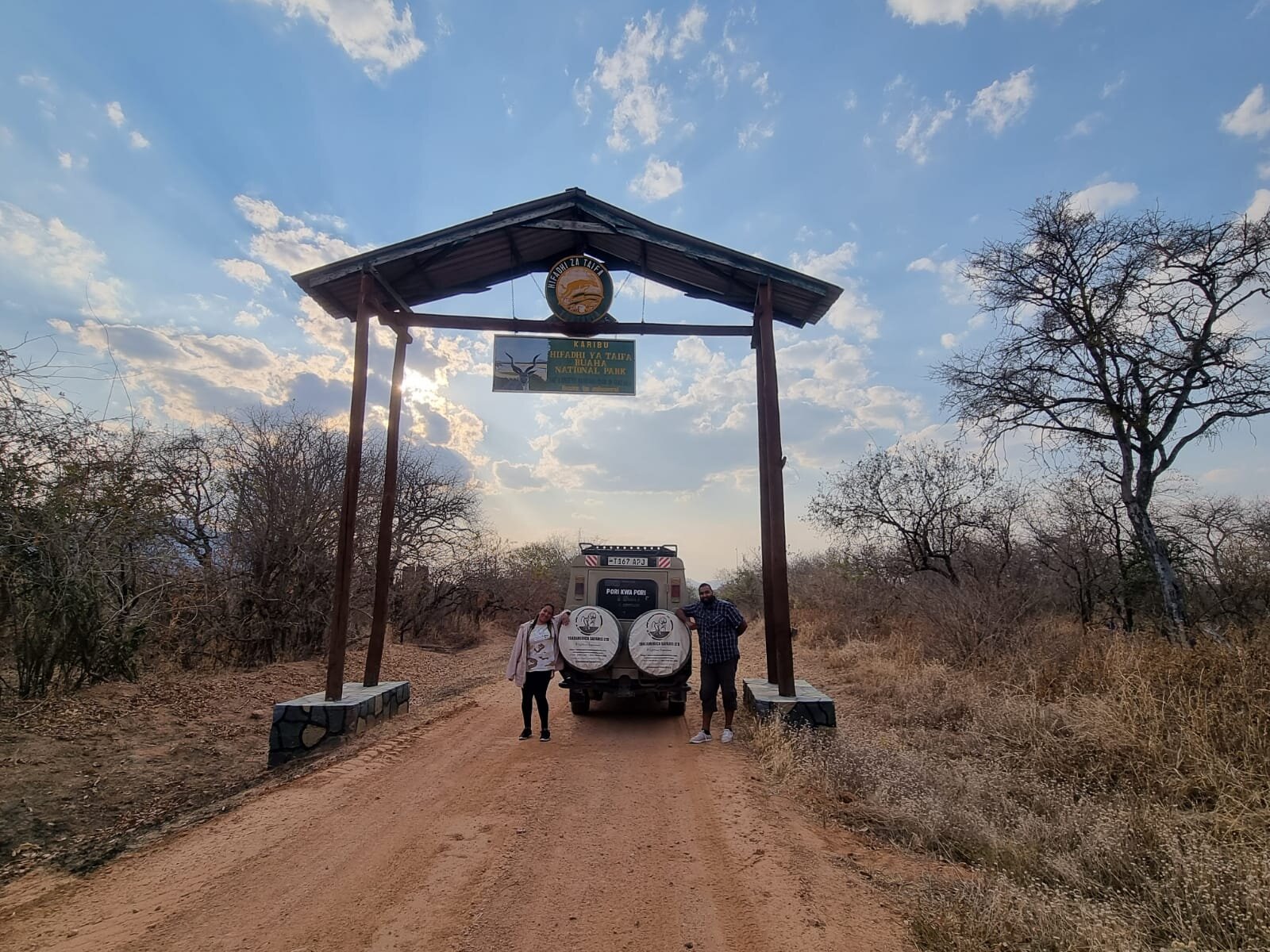
What You Pay For on a Ruaha National Park Safari
It helps to see a Ruaha safari cost as a stack rather than one number. At the base sit the government park fees, which everyone pays and which fund conservation. On top of that comes transport, and this is the swing factor, since flying in costs a good deal more than driving. Then there is accommodation, which ranges from simple lodges outside the park to exclusive tented camps deep inside it. Finally there are the extras, being the guided activities, vehicle charges and small add-ons that turn a bare entry ticket into an actual safari.
Park and conservation fees. Paid to TANAPA per person for each 24 hour period in the park, plus a concession fee if you sleep inside the boundary. Fixed by residency status.
Getting there. The biggest variable. A fly-in from Dar es Salaam or Zanzibar costs far more than a road transfer through Iringa, but it saves the better part of two days.
Accommodation. The largest slice for most trips. Rates climb sharply from budget lodges outside the park to luxury camps within it.
Activities and extras. Vehicle charges, night drives, walking safaris and guiding. Some sit inside a camp’s rate, others are billed on top.
Understanding the stack matters because two people can visit the same park in the same week and pay wildly different amounts. One drives up from Dar, stays outside the gate and self-caters. The other flies in and takes a suite on the river. Both had a real Ruaha safari. The gap between them is choices, not the park.
Park Entry and Conservation Fees for a Ruaha Safari
The park fee is the one cost you cannot design around, and it works on residency. Non-residents pay the highest rate, East African citizens pay a much lower rate in Tanzanian shillings, and Tanzanian residents sit in between. Children pay a reduced fee, and the very youngest go free. The fee covers a 24 hour period rather than a calendar day, running from the moment you pass the gate, so timing your entry well can quietly save you a night’s worth of fees over a multi-day stay. It is also charged per entry, which matters if you sleep outside the boundary and drive in each morning, because that is a fresh fee every time you go through the gate.
Two things trip people up. First, the headline gate rate is quoted before VAT, and Tanzania adds 18 percent on top, so the real amount payable is higher than the sticker. In round numbers, the 30 dollar non-resident adult rate works out at about 35 dollars once the tax is added, which is why you will see Ruaha quoted at 30 in one place and 35 in another. They are the same fee, one net and one inclusive. Second, if you sleep at a camp inside the park, a concession fee usually applies per person per night on top of entry. Neither is hidden, but both belong in your budget from the start rather than as a surprise at checkout. The exact figures sit in the questions at the foot of this guide, and because TANAPA reviews rates with its fiscal year, it is worth confirming them fresh before you pay.
Vehicle, Activity and Guiding Fees on a Ruaha Safari
Beyond the per-person entry, the park charges for vehicles, and the rate depends on whether the vehicle is foreign or locally registered and on its weight. If you are on an operator’s package this is already built into your quote, but self-drivers need to add it. The activities that make Ruaha special also carry their own charges. A night game drive is billed separately, since it needs a licensed vehicle and a spotter, and a walking safari brings a fee for the armed ranger who has to accompany every walk.
None of these are large next to flights or lodging, but they add up across a stay, and they are easy to leave out of a rough sum. A useful habit is to ask, for any activity you are keen on, whether it is inside the camp’s nightly rate or extra. Camps differ, and the answer changes your real per-day cost more than you might expect.
Park fees at Ruaha are generally paid by card or through the TANAPA electronic system rather than in cash. Foreign currency in cash is not the reliable fallback it once was, so do not plan your entry around paying the gate in dollars.
Fly-In Versus Road Safari Costs to Ruaha
How you reach the park is where budgets split most sharply, so it deserves its own look. Flying is fast and comfortable. A light aircraft from Dar es Salaam reaches the park in a couple of hours and drops you straight into game country, and for many visitors the time saved is worth every bit of the fare. Driving is the budget route, trading a long day on the road for a much lower transport bill and a look at rural Tanzania along the way.
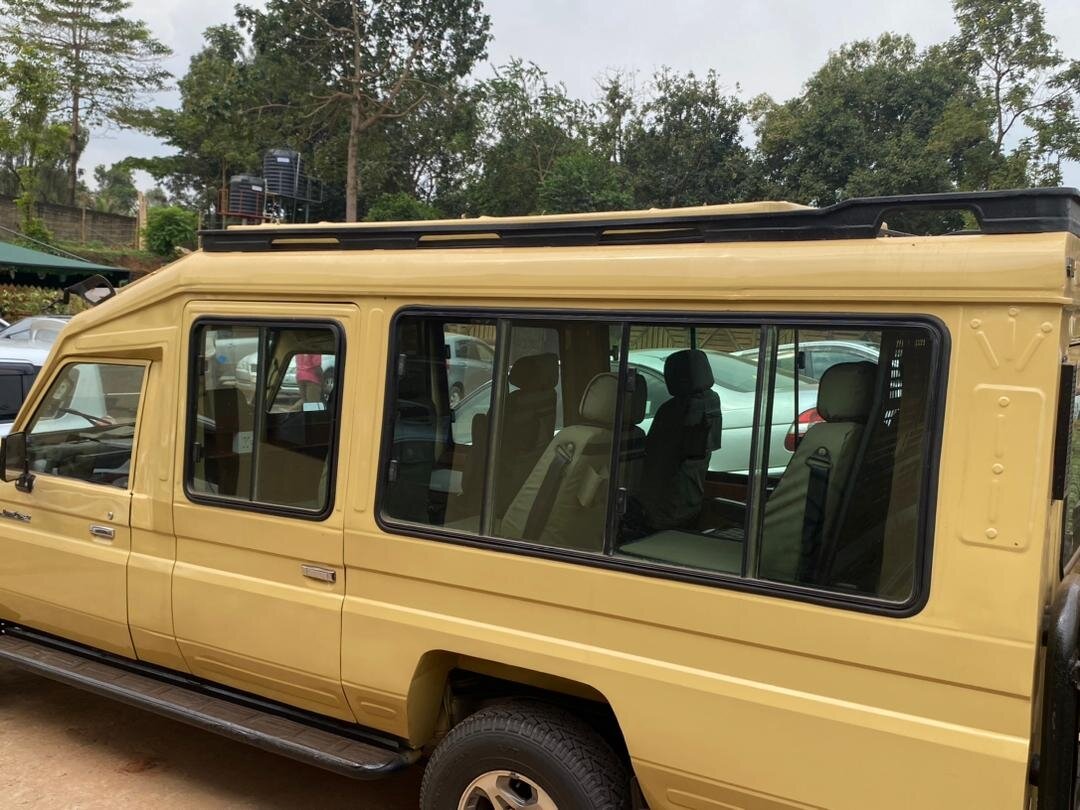
Fly-in safari. Around two hours from Dar es Salaam to an airstrip inside the park. Higher cost, minimal fatigue, and easy to slot Ruaha into a wider Tanzania or Zanzibar trip. The usual choice for shorter, higher-end safaris.
Road safari. Eight to ten hours from Dar via Iringa, the last stretch on gravel in a 4×4. Much cheaper on transport, heavier on time, and best for travellers on a budget or those combining several southern parks by vehicle.
There is a middle path worth knowing. Some visitors drive one leg and fly the other, or fly to Iringa and cover the final stretch by road. That splits the difference on both cost and time. Whichever you pick, remember that Ruaha allows no night driving, so a road arrival has to reach camp before dark, which sometimes forces an extra overnight stop and its own small cost.
Safari Lodge and Camp Price Tiers in Ruaha National Park
Accommodation is the biggest lever on a Ruaha safari cost, and the range is wide. At the affordable end sit lodges and camps outside the park boundary, reached by road, which keep nightly rates down at the price of a longer drive to the core game areas each morning. In the middle are the classic tented camps inside the park, comfortable and well guided, giving you dawn and dusk on the doorstep of the wildlife. At the top are the small luxury camps with private guiding, fine food and just a handful of tents, where seclusion is the product and the rate reflects it.
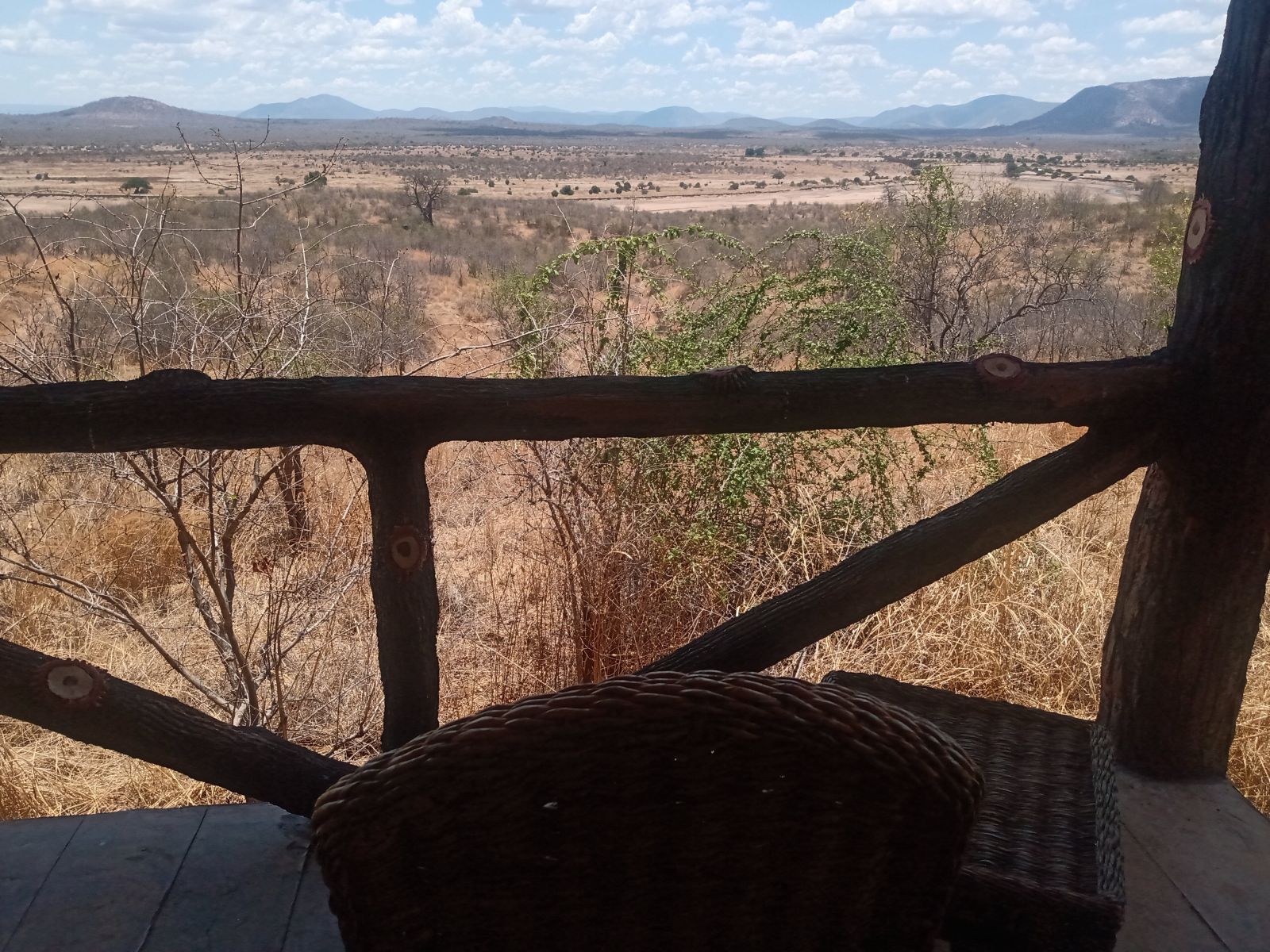
For a first visit, spending a little more to stay inside the park usually pays off, because it puts you among the animals at the two best hours of the day rather than driving in to find them. That said, a mix works well too. A night outside to save money, then two inside where it counts, can bring the average down without gutting the experience. The specific nightly ranges for each tier are set out in the questions below.
Two travellers can visit Ruaha in the same week and pay very different amounts. The park fee barely moves. Everything above it is a choice.
How Group Size and Trip Length Change a Ruaha Safari Cost
Per-person prices fall as a group grows, and the reason is simple. A private vehicle, a guide and the flat parts of a transfer cost much the same whether one person or four share them, so splitting those fixed costs across more people drops the rate for each. A couple pays more per head than a family of four or a group of friends filling a vehicle. If you are travelling solo, joining a small group departure is the single most effective way to cut the bill.
Length cuts the other way, gently. Each extra night adds park fees, accommodation and often a concession fee, so a longer stay costs more in total even as the fixed transport cost gets spread thinner per day. The trick is matching nights to what you want. Two or three nights covers the headline wildlife. Beyond that you are paying for depth, quieter sectors and a slower pace, which is worth it for some and not for others.
Ways to Keep a Ruaha Safari Affordable
Ruaha has a reputation as a pricey park, mostly because of its remote setting, but there are honest ways to bring the cost down without ruining the trip. Travel in the green season, roughly the wetter months, when many camps drop their rates and the park empties out. Drive rather than fly if you have the time and a tolerance for a long day on the road. Stay outside the gate for part of the trip, and inside it only where the game density justifies the premium. Fill a vehicle with a small group to split the fixed costs.
The one thing not to cut is the guiding. A good guide is what turns a long drive past empty bush into a run of real sightings, and skimping there tends to cost you the very thing you came for. Trim transport, trim accommodation nights, trim the season, but keep the guiding sound. That is the balance most seasoned travellers land on for a southern circuit trip.
How Season Affects the Price of a Ruaha Safari
Season moves the price as much as any single choice. The dry months from around June to October are peak, with the best game viewing and the highest rates, and the popular camps book out well ahead. The green season from roughly November to April brings softer rates, fewer visitors and excellent birding, with the trade-off of harder game viewing and some camps closed through the heaviest rains. The shoulder weeks in May and November can offer the best value of all, catching a park in transition with prices yet to peak.
If your dates are flexible and budget is the main driver, aim for the shoulders or the green season. If your priority is the classic dry-season spectacle of predators and elephants crowding the river, plan and book early, and accept that you are paying peak rates for the park at its most generous. Either way, the actual numbers behind these tiers sit in the questions that follow.
Frequently Asked Questions
How much is the Ruaha National Park entry fee?
For a non-resident adult, entry is currently around 30 US dollars per person for each 24 hour period, with children aged 5 to 15 at roughly 10 dollars and under-fives free. East African citizens pay about 5,000 Tanzanian shillings for an adult and 2,000 for a child, and Tanzanian residents pay a reduced dollar rate. Those are the gate rates before tax; with 18 percent VAT added, a non-resident adult actually pays about 35 US dollars for each 24 hours, which is the figure most operators and safari packages quote. Everything here is indicative, because TANAPA sets the rates and reviews them with its fiscal year, so confirm the current figures with TANAPA or your operator before you travel.
Is VAT added on top of the park fees?
Yes. Tanzania applies 18 percent VAT to park fees, so the amount you actually pay is higher than the quoted gate rate. A non-resident adult entry of around 30 dollars works out closer to about 35 dollars once VAT is included. Reputable operators fold this into their quotes, but it is worth checking that a price you are given is VAT-inclusive rather than the bare rate.
What do vehicle, night drive and walking safari fees cost?
A foreign-registered vehicle is charged roughly 40 dollars per day for the lighter weight class, with locally registered vehicles paying much less. A night game drive is commonly priced around 50 dollars per person, which is nearer 59 once VAT is added, and a walking safari adds a ranger fee, often in the region of 20 to 40 dollars. If you sleep inside the park, a concession fee of about 30 to 35 dollars per person per night usually applies on top of entry. Those are all pre-VAT figures, and like the entry fee they gain 18 percent at the till, so treat them as indicative and verify the current rates with TANAPA.
How much do flights to Ruaha cost?
A scheduled light-aircraft flight from Dar es Salaam to Ruaha has commonly run at around 380 dollars per person each way, though the exact fare varies by carrier, season and how far ahead you book. Connections from Zanzibar, Arusha or the other southern parks cost more because of the longer routing. Flights are the single biggest reason a Ruaha trip costs more than a northern-circuit park, so factor them in early.
How much are lodges and camps per night in Ruaha?
As a rough guide, budget lodges outside the park run from about 150 to 250 dollars per person per night, mid-range tented camps inside the park sit around 400 to 700 dollars, and the luxury camps with private guiding start near 900 dollars and climb well past 1,500 in peak season. Rates usually include meals and activities at the higher tiers but not park or concession fees. These figures move with the season, so use them to plan rather than as a fixed quote.
What is a realistic total cost for a Ruaha safari?
For a three night trip, a budget road-based safari can come in at the lower end once you add fees, fuel and simple lodging, while a mid-range fly-in with a tented camp inside the park lands well above that, and a luxury fly-in safari runs higher again per person. Group size, season and how you travel move the total a great deal, so the honest answer is to get a tailored quote for your dates rather than trust a single headline number.
How do you pay park fees at Ruaha?
Fees are generally paid by card or through the TANAPA electronic payment system rather than in cash, and foreign currency in cash is not a reliable fallback. If you are on an operator package, the fees are handled for you and already sit in your quote. Independent travellers should arrive prepared to pay electronically at the gate.
Plan and Price Your Ruaha Safari
Pinning down a real cost for a park this remote is fiddly, with fees, flights, camps and extras all pulling in different directions, and you do not have to work it out alone. The safari companies and tour operators listed on this website price and run Ruaha safaris across the southern circuit, and they will build a trip around your budget rather than talking you into more than you need. Tight or open, the days get shaped to what you want to see, and the park bookings, flights and fees are handled in the background so nothing catches you out at the gate.
Want a clear, all-in quote for your dates and group? Reach out to the operators listed here, and a real person, not a bot, will get back to you with honest numbers.