Which Safari Vehicle Is Best for Ruaha?
The best vehicle for a Ruaha safari is a 4×4, ideally an open-sided game viewer run by a camp for the best visibility and photography, or a pop-top Land Cruiser or Land Rover for self-drivers who need weather protection. A high-clearance 4×4 is important for the park’s rough tracks and the gravel approach. Ruaha is one of Tanzania’s largest national parks, in the south-central Iringa Region, and the anchor of the country’s quieter southern safari circuit.
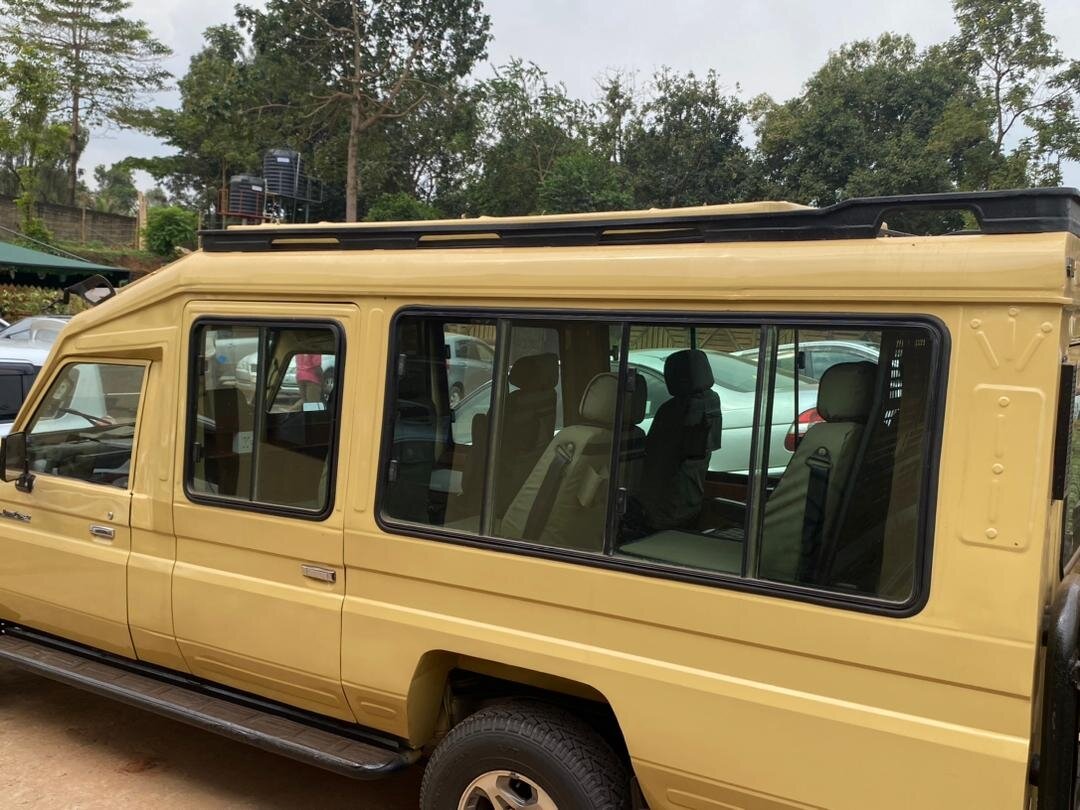
Why You Need a 4×4 for a Ruaha Safari
Ruaha is not a park for an ordinary car. The tracks inside are rough and unsurfaced, the sand rivers and their banks demand grip and clearance, and the approach road from Iringa is graded gravel that turns tricky after rain. A high-clearance 4×4 handles all of this, where a two-wheel-drive vehicle would get stuck or bottom out. This is why every serious operator uses a four-wheel-drive game viewer, and why self-drivers are told plainly to bring one. The vehicle is not a luxury here, it is what makes the park accessible at all. Trying to reach or explore Ruaha in an ordinary car is not just uncomfortable but genuinely unsafe on the rougher stretches.
Ground clearance matters as much as the drive itself. Between the rocky sections, the sandy riverbeds and the odd washout, a vehicle that sits low will struggle, so the tall, rugged build of a proper safari 4×4 is what you want under you. In the wet season this is doubly true, when soft ground and mud test even a capable vehicle and a lesser one simply cannot cope.
The approach road adds its own case for a 4×4. The graded gravel from Iringa to the Msembe gate is passable through the year, but it is dusty and corrugated in the dry season and can soften in the rains, and there is little help along the way if a vehicle gives out. A sturdy four-wheel-drive with good tyres and a spare handles the approach and the park tracks alike, which is why operators and camps standardise on them. Turning up in anything less is a false economy that can end a trip before it starts.
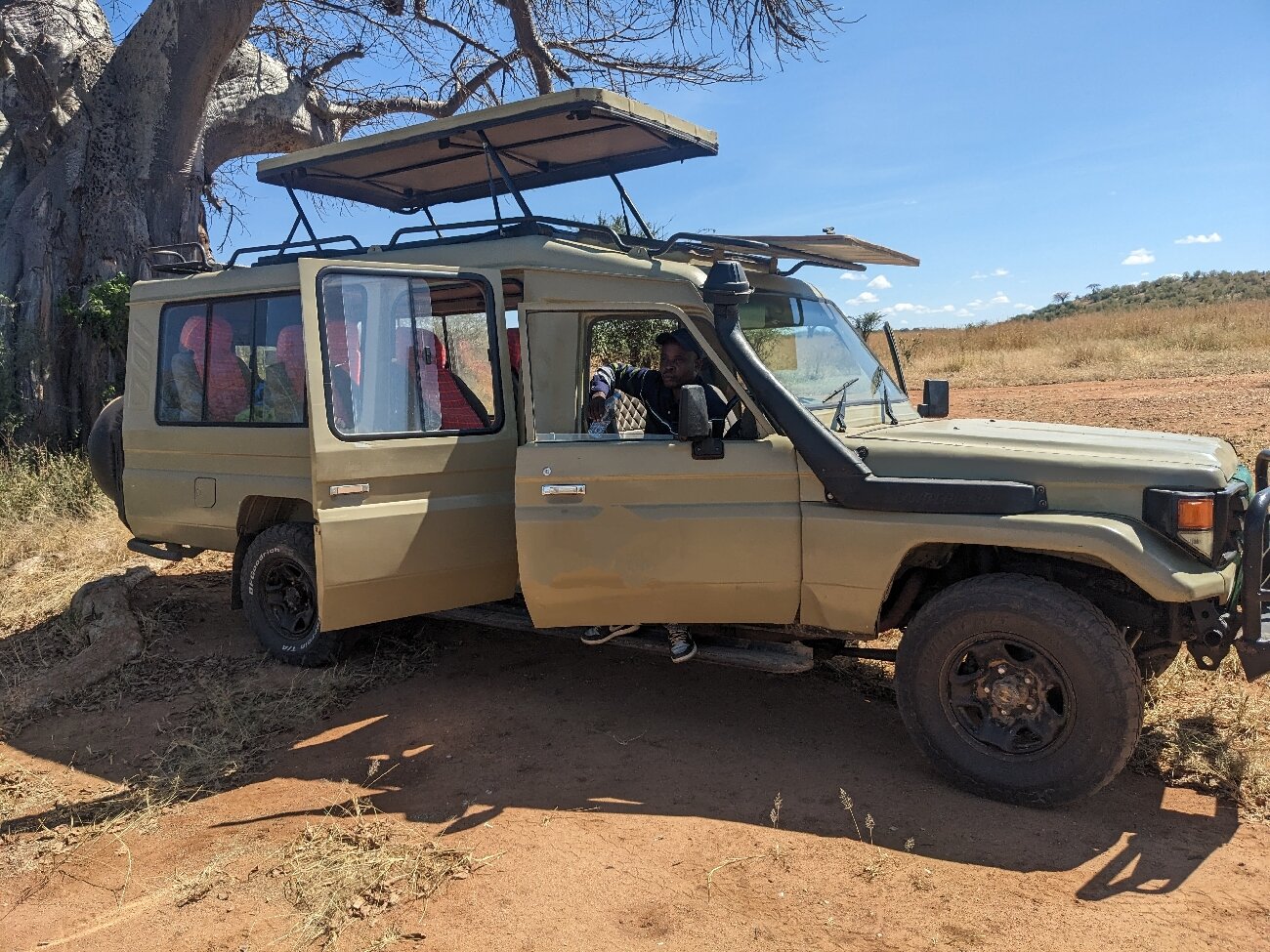
Open-Sided Game Viewers for the Best Safari Experience
For most visitors, the best experience comes in an open-sided game viewer, the kind of vehicle the in-park camps run. With no windows or a roll-down side, an open safari vehicle gives you an uninterrupted view, clean sightlines for photography, and the full sound and smell of the bush that a closed cabin shuts out. Raised, tiered seating means everyone gets a clear line to the wildlife, and the open sides make it easy to swing a camera in any direction.
These vehicles are guided, so you are not driving, which frees you to watch and shoot while an expert reads the bush and positions the vehicle. That combination of an open view and a knowledgeable guide is why a camp game viewer beats a self-drive for sheer quality of sightings. If photography or the immersive feel of the bush matters to you, this is the vehicle to be in.
Open-sided game viewer. Run by camps and operators, guided, with open sides and tiered seats. Best visibility, photography and atmosphere. The choice for most fly-in and in-park safaris.
Pop-top 4×4 (Land Cruiser or Land Rover). Enclosed with a raised roof hatch. Weather and dust protection with standing viewing. Common for self-drivers and road-based trips.
Pop-Top Land Cruisers and Land Rovers on a Ruaha Safari
The other common vehicle is the enclosed 4×4 with a pop-up roof, usually a Toyota Land Cruiser or a Land Rover. You view the wildlife by standing up through the open roof hatch, and the closed sides give protection from dust, sun and rain. This style suits self-drivers, road-based trips from Iringa, and anyone who prefers a bit of shelter, especially on the long transfer in. It is a very capable setup and a familiar sight across East Africa. The trade-off against an open game viewer is slightly restricted sightlines and a touch less of the open-air feel, but for a self-drive Ruaha safari it is the sensible workhorse.
Self-Drive Versus Guided Vehicles in Ruaha
Self-driving Ruaha is possible in the right vehicle, but it comes with caveats. You need a properly equipped high-clearance 4×4, a spare or two, basic recovery gear and a real sense of the park, since help is far away and signage is sparse. You also lose the biggest advantage of a guided vehicle, which is the guide. A good guide knows where the prides rest, how the river reads through the season, and how to find the animals that a first-time visitor would drive straight past.
For that reason, most people are better served by a guided game viewer, either as part of a camp package or with an operator’s vehicle and driver-guide. Self-drive rewards the experienced and the budget-focused who value independence, but it asks more of you. If it is your first Ruaha trip, the guided route delivers more wildlife for less stress, and the vehicle comes with the local knowledge built in.
There is a safety dimension too. Ruaha is remote, phone signal is patchy, and a breakdown far from camp is a serious matter rather than an inconvenience. A guided vehicle comes with a driver who knows the tracks, carries recovery gear, and can call on the wider operator network if something goes wrong. Self-drivers take that responsibility on themselves, which is manageable for the well-prepared but adds a layer of risk that many travellers would rather not carry on holiday. Weigh the freedom of self-drive against the security and expertise of a guided vehicle, and for most first-timers the guided option wins on both wildlife and peace of mind.
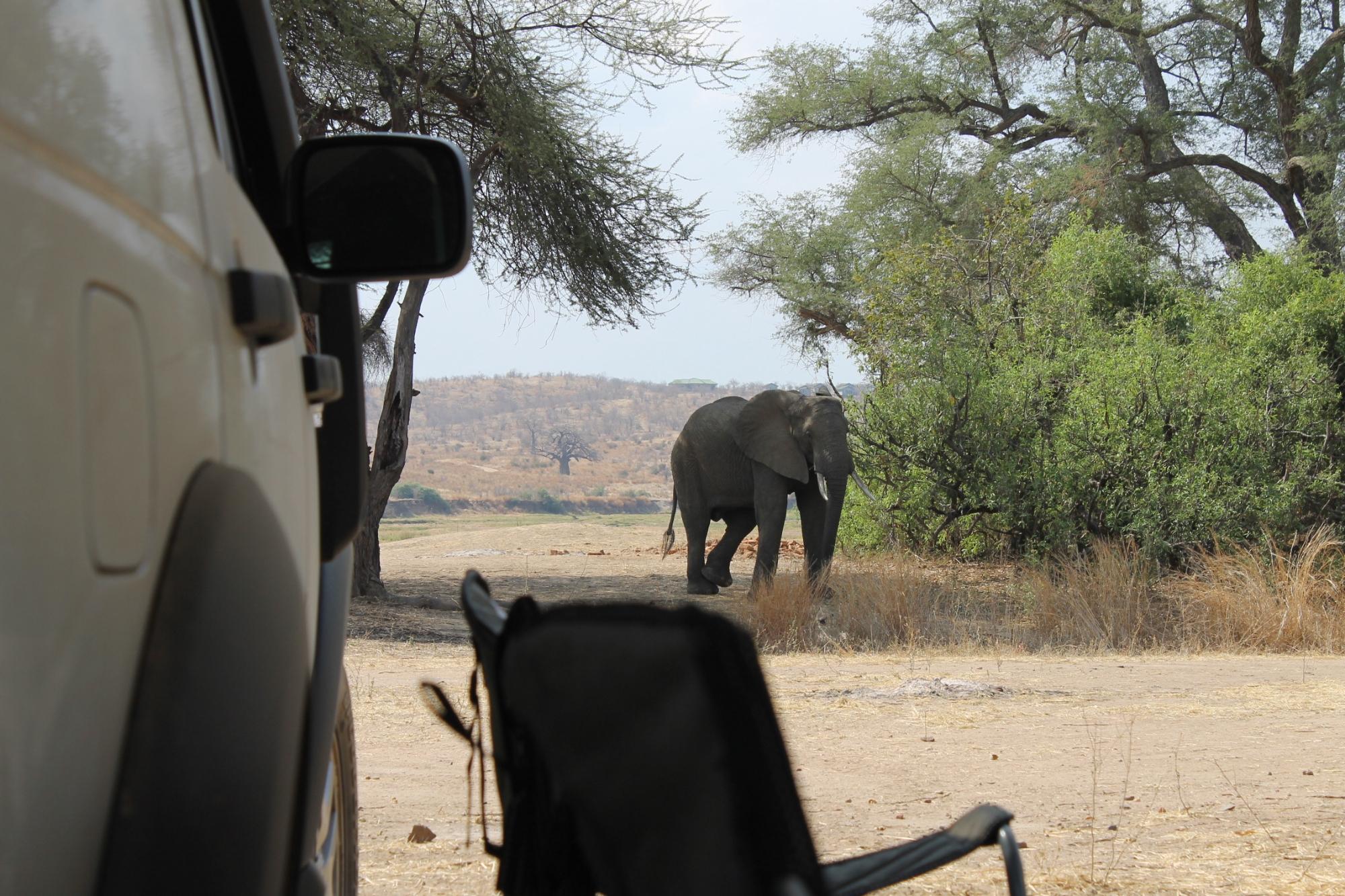
What Makes a Good Safari Vehicle in Ruaha
Beyond the drivetrain, a few features separate a good safari vehicle from a basic one. Raised, tiered or bench seating gives everyone a clear view over the bush. Open sides or a large roof hatch matter for photography and for simply seeing out. A canvas roof or shade keeps the sun off during the hot middle hours. Charging points, a cool box for water and a beanbag for steadying a long lens all add comfort and usefulness on a long drive. When you book a Ruaha safari, it is worth asking what vehicle your camp or operator uses, since the difference between an open game viewer and a cramped minibus is felt on every single drive.
The number of guests per vehicle is worth checking too. A game viewer shared by four or five people gives everyone a window seat and room to move, while one crammed to capacity means jostling for the best angle and someone always shooting past a neighbour’s head. Many higher-end camps guarantee a limited number per vehicle, or even a private one, and for photographers that can be the detail that makes or breaks the trip. It costs more, but a seat with a clear line to every sighting is what you are really paying for on a drive.
Seasonal Considerations for Your Ruaha Safari Vehicle
The season shapes the vehicle choice too. In the dry season, dust is the main issue, so an open vehicle wants dust covers for cameras and a cloth to keep gear clean, though the firm tracks are easy going. In the green season, mud and soft ground put a premium on a capable 4×4 with good tyres, and an enclosed pop-top can be more comfortable against the afternoon storms. Some in-park camps run open vehicles year round and simply supply ponchos and blankets when the weather turns. Either way, the four-wheel-drive is non-negotiable, and the open-versus-enclosed choice comes down to weather and personal preference. Ask your camp what they run and how they handle the weather, and you will know what to expect before you arrive.
Frequently Asked Questions
Do you need a 4×4 for Ruaha?
Yes. The park’s rough tracks, sandy riverbeds and gravel approach road all require a high-clearance four-wheel-drive vehicle, and this is more important still in the wet season when the ground softens. Ordinary cars cannot handle the terrain, which is why every operator and every sensible self-driver uses a 4×4.
Are Ruaha safari vehicles open or closed?
Both are used. In-park camps typically run open-sided game viewers for the best visibility and photography, while self-drivers and road-based trips often use enclosed pop-top Land Cruisers or Land Rovers that give dust and weather protection with standing viewing through the roof. Open vehicles offer the more immersive experience, closed ones more shelter.
Can you self-drive in Ruaha?
Yes, but only in a properly equipped high-clearance 4×4 and with a good sense of the park, since help is far off and signage is limited. Self-drive suits experienced, budget-minded travellers who value independence. Most first-time visitors do better with a guided game viewer, which comes with a guide who knows where to find the wildlife.
What is the best vehicle for photography in Ruaha?
An open-sided game viewer is best for photography, since it gives clean sightlines in every direction with no window frames or glass in the way, plus raised seating for a clear line to the wildlife. Bring a beanbag or soft support to steady a long lens on the vehicle, and a dust cover for the dry season.
How much does a safari vehicle cost to hire in Ruaha?
If you are on a camp or operator package, the vehicle is included in your rate, so there is no separate charge. For self-drivers, private 4×4 hire with a driver runs in the region of 200 to 300 US dollars per day, plus fuel and the park’s vehicle entry fee, which is around 40 dollars per day for a foreign-registered vehicle before VAT. Confirm current figures with your operator and TANAPA before you travel.
Plan Your Ruaha Safari
Getting the right vehicle, whether that is an open game viewer with a guide or a self-drive 4×4, makes a real difference to what you see, and it is worth sorting properly. The safari companies and tour operators listed on this website run well-equipped 4×4 game viewers with experienced guides across Ruaha, so you are in the right vehicle for the terrain and the season without having to arrange any of it yourself.
Whether the budget is tight or open, the vehicle, guiding, flights and park bookings are handled in the background so none of the admin lands on you. Want a proper quote, or just a steer on the best setup for your trip? Reach out to the operators listed here, and a real person, not a bot, will get back to you.