Big Five Safari in Ruaha National Park
A Big Five safari in Ruaha National Park can deliver four of the five: lion, elephant, leopard and buffalo are all present, with lions and elephants especially abundant. Rhino are absent, so Ruaha is a four-of-the-Big-Five park, which it more than makes up for with huge prides and unusual wildlife. Ruaha is one of Tanzania’s largest national parks, in the south-central Iringa Region, and a leading predator destination on the southern safari circuit.
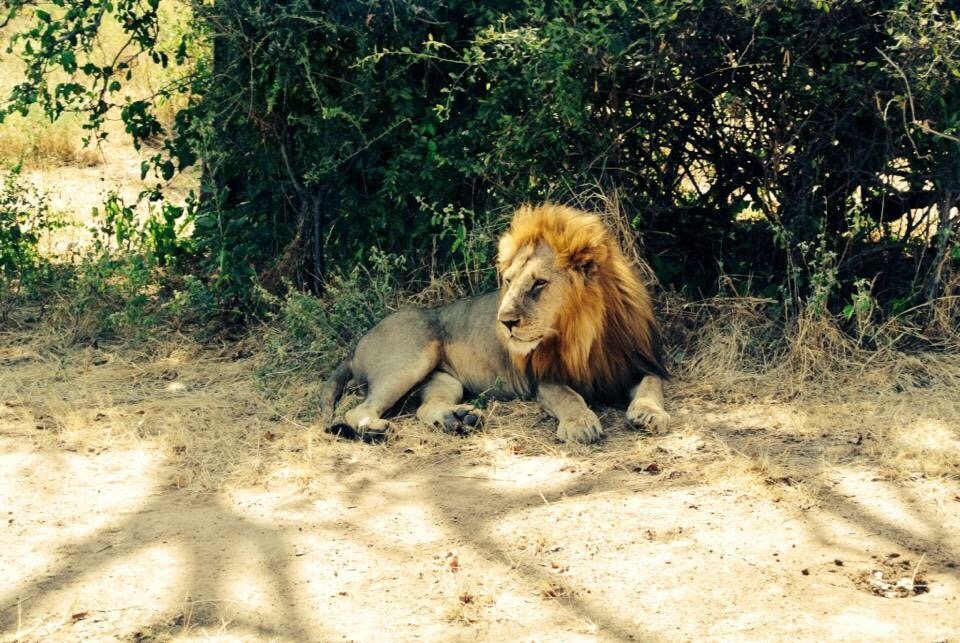
The Big Five on a Ruaha Safari
The Big Five, being lion, leopard, elephant, buffalo and rhino, is the classic safari checklist, and it is worth being clear from the start about how Ruaha stands against it. The park holds four of the five in good numbers, since lion, leopard, elephant and buffalo are all here, but it has no rhino, which were lost from the area long ago. So a Big Five safari in the strict sense is not possible in Ruaha, though four of the five very much is.
That honesty matters, because some destinations imply a full Big Five where it does not exist. What Ruaha offers instead is arguably better for many travellers: exceptional numbers of the four it does have, in a park so quiet you often watch them alone, plus a cast of unusual animals the famous five leaves out. If ticking all five is your single goal, Ruaha is not the park, but if you want superb sightings of four of them without the crowds, it is hard to beat on a Ruaha safari.
It is worth remembering where the Big Five idea comes from, since it explains why the list matters less than it seems. The term was coined by hunters to describe the five animals considered most dangerous to pursue on foot, not the five most worth seeing, so it is really a relic of a different era rather than a measure of a park’s quality. Plenty of superb wildlife, from cheetah to wild dog to the great herds of plains game, never made the list at all. Treating it as a loose guide rather than a checklist to complete leaves you free to enjoy what Ruaha actually does best.
Lions on a Big Five Safari in Ruaha
Lions are the standout of Ruaha’s Big Five animals. The greater Ruaha area is often cited as holding close to a tenth of the world’s remaining lions, and while any single figure like that deserves caution, the prides here really are large, with groups of more than twenty seen fairly regularly. They are bold enough to hunt buffalo and even young giraffe, and they are relaxed around vehicles, so sightings tend to be close and calm. Of all the Big Five, lion is the one Ruaha delivers most reliably and most memorably on a Ruaha safari.
Elephants and Buffalo: The Reliable Big Five Sightings
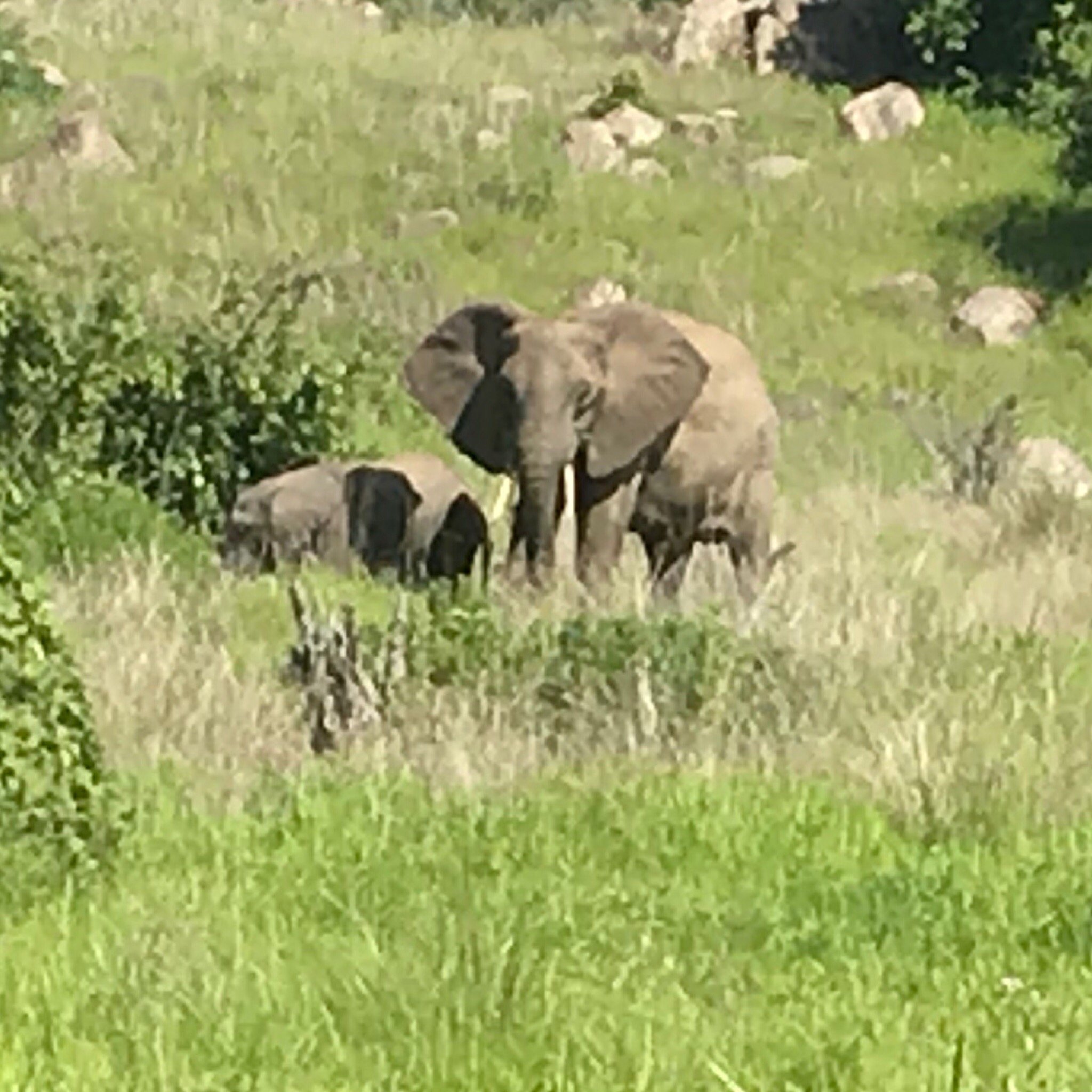
Elephant and buffalo are the two Big Five animals you are almost certain to see. Ruaha carries one of Tanzania’s largest elephant populations, commonly put around ten thousand across the greater ecosystem, so family groups are a daily sight, particularly along the river where they come to drink and dig for water. Buffalo gather in large herds that crowd the river country in the dry season, sometimes hundreds strong.
Both are easiest to find in the dry season, when they concentrate on the water, and both make for rewarding viewing beyond just ticking the box. Watching an elephant family interact at the river, or a big buffalo herd move as one across the plain, are among the highlights of a Big Five safari here, and the buffalo in turn draw the lions that hunt them.
Ruaha holds four of the Big Five, not all five. There are no rhino. What it offers instead is huge lion prides, thousands of elephants and a quiet park where the sightings are usually yours alone.
Leopards: The Elusive Big Five Cat on Safari
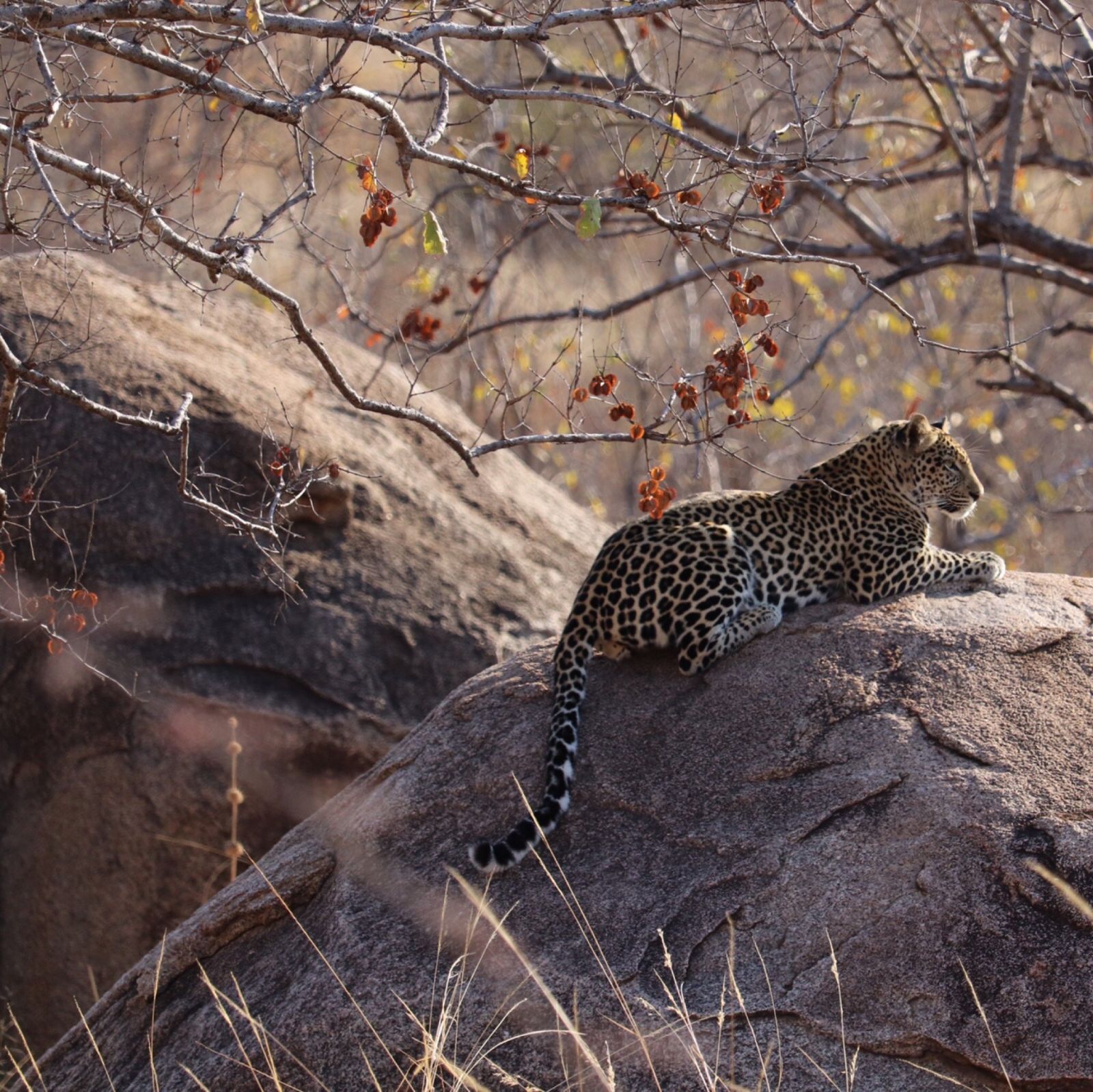
Leopard is the trickiest of Ruaha’s four, as it is almost everywhere, but the park is a good place to look. Leopards are present in solid numbers and seen fairly regularly, favouring the riverine woodland, big trees and rocky outcrops where they hunt from cover and stash kills. They are secretive and superbly camouflaged, so a sighting takes patience and a good guide, and plenty of visitors go home without one.
The odds improve with time and tactics. A stay of several nights, drives that work the riverine strips and rocky ground, and a night drive if your camp offers one all raise your chances, since leopards become more active after dark. Finding the fourth of the Big Five is often the most satisfying moment of the trip, precisely because it is the hardest to earn on a Ruaha safari.
Why Ruaha Has No Rhino on Safari
The missing member of the Big Five is the rhino, and it is worth explaining why. Black rhino once occurred in the region, but like so many populations across Africa, they were wiped out by poaching, and Ruaha has no rhino today. Restoring them would require the kind of intensively protected reserve that a vast, open park like Ruaha is not set up to provide, so there is no realistic prospect of seeing one here.
If seeing rhino is important to you, it needs to be built into a wider Tanzania trip, since a few reserves elsewhere in the country protect small populations under heavy guard. Combining Ruaha with one of those is possible, but they are a long way apart. For most people, accepting Ruaha as a superb four-of-the-five park, and seeking rhino elsewhere if at all, is the sensible way to think about a Ruaha safari.
Beyond the Big Five: Ruaha’s Unusual Wildlife on Safari
Fixating on the Big Five sells Ruaha short, because some of its best wildlife falls outside that list. The park is a stronghold for endangered African wild dogs, with around a hundred ranging the area, and it holds one of the few cheetah populations left in East Africa. It is the only park where greater and lesser kudu occur together, and it has sable and roan antelope, striped and spotted hyena, and huge numbers of plains game.
These animals give a Ruaha safari a richness the Big Five checklist misses entirely. Many seasoned travellers rate a wild dog sighting or a cheetah on the plains above any of the classic five, and Ruaha offers both in a way the famous northern parks cannot. So while the Big Five is a useful shorthand, the fuller picture of Ruaha’s wildlife is what makes it special.
There is a case for a different checklist here altogether. Some seasoned safari-goers talk about their own Ruaha short list of animals to hope for: the big lion prides, the wild dogs, a cheetah on the plains, both kudu species side by side, and a leopard in a riverine tree. Tick those and you have seen the animals that genuinely set the park apart, which is a more meaningful goal than chasing a colonial-era five that was never designed for Ruaha in the first place. Approached that way, the park rarely disappoints, and the absence of rhino stops mattering at all.
Best Time of Year for a Big Five Safari in Ruaha
The dry season from June to October is the best time to see the four Big Five animals Ruaha holds, and the peak from August to October is best of all. As water shrinks to the river, lions, elephants and buffalo concentrate where they are easy to find, and thin bush improves the odds of spotting a leopard. The whole checklist, minus the absent rhino, comes together most reliably in these months.
In the green season from November to April, the wildlife disperses as water spreads across the park, so the four take more finding, even though they are all still present. The birding and scenery are at their best then, so a green-season trip has its own rewards, but for the strongest four-of-the-five viewing, aim for the second half of the dry season on your Ruaha safari.
Frequently Asked Questions
Can you see the Big Five in Ruaha?
Not all five, since Ruaha has no rhino. It holds four of the Big Five: lion, leopard, elephant and buffalo, with lions and elephants especially abundant. So a full Big Five is not possible here, but four of the five very much is, alongside unusual animals like wild dogs and cheetah that the checklist leaves out.
Why are there no rhino in Ruaha?
Black rhino once occurred in the region but were wiped out by poaching, as happened to many populations across Africa. Restoring them would need an intensively protected reserve that a vast, open park like Ruaha is not set up to provide, so there are no rhino here today and no realistic prospect of seeing one.
Which of the Big Five is hardest to see in Ruaha?
Leopard, as almost everywhere. They are present in good numbers but secretive and superbly camouflaged, favouring riverine woodland and rocky ground. A stay of several nights, drives that work the right habitats, and a night drive if your camp offers one all improve your chances of finding this fourth member.
Is Ruaha good for a Big Five trip?
For four of the five, yes, and superbly so, with exceptional lions and elephants in a quiet park where sightings are often yours alone. If seeing all five including rhino is your single goal, Ruaha alone will not do it, and you would need to add a reserve elsewhere. For most travellers, four of the five plus unusual wildlife is a strong offering.
How much does a Big Five safari in Ruaha cost?
Big Five viewing happens on standard game drives, so the cost is that of any Ruaha safari. Park entry is currently around 30 US dollars per non-resident adult per 24 hours before 18 percent VAT, with reduced rates for residents and East African citizens. Flights and accommodation add to the total. Confirm current fees with TANAPA before you travel.
Plan Your Ruaha Safari
Seeing the four Big Five animals Ruaha holds, especially the elusive leopard, comes down to timing, the right camp and a skilled guide, all of which a good operator arranges. The safari companies and tour operators listed on this website run drives across Ruaha that give the best chance of lion, elephant, buffalo and leopard, along with the wild dogs and cheetah that make the park special.
Whether the budget is tight or open, the drives get built around what you most want to see, and the flights, park bookings and camp choices are handled in the background so none of the admin lands on you. Want a proper quote, or just a steer on timing for the big game? Reach out to the operators listed here, and a real person, not a bot, will get back to you.