Fly-Camping in Ruaha National Park
Fly-camping in Ruaha National Park means spending a night out in the bush in a light, temporary camp away from the main lodge, sleeping under canvas or the stars with only the sounds of the wild around you. It is the most adventurous way to experience the park and a genuine step back to old-style safari. Ruaha is one of Tanzania’s largest national parks, in the south-central Iringa Region, and the anchor of the country’s quieter southern safari circuit.

What Fly-Camping on Safari Involves
Fly-camping is the practice of heading out from your main camp to sleep a night in a simple, temporary setup pitched in a remote spot. The name comes from the light, portable nature of the kit, which is carried out and set up just for the night, then packed away. It strips a safari back to its basics: a small tent or bedroll, a campfire, a simple dinner cooked in the bush, and the open wilderness around you.
The experience is deliberately pared down compared with a lodge, and that is the whole point. Without the walls, the electricity and the comforts of the main camp, you are far more exposed to the sounds, the darkness and the sheer presence of the wild. For the right traveller, a night fly-camping is the most memorable part of a Ruaha safari, precisely because it is so raw and immediate.
It helps to understand what fly-camping is not. It is not roughing it without support, and it is not dangerous in the way sleeping unprotected in the bush would be. A trained team goes with you, an armed ranger stays through the night, and everything is planned, so the exposure you feel is real but managed. Think of it as the wilderness brought as close as it safely can be, with the comforts stripped away on purpose rather than through lack of care. That distinction is what lets people who would never dream of camping alone in a national park enjoy a night out with confidence.
How a Fly-Camping Night Is Set Up in Ruaha
A typical fly-camp is arranged by your main camp as an add-on to a stay. In the afternoon, a small crew heads out to a chosen spot and sets up a light camp: a simple walk-in tent or a bedroll under a mosquito net, a bucket shower and a basic bush toilet, a campfire, and a place to eat. You arrive later, often on foot or by vehicle at the end of an afternoon drive, in time for sundowners and dinner around the fire.
The level of comfort varies. Some fly-camps are genuinely rustic, close to sleeping rough with a roof, while others are a touch more comfortable with proper camp beds and a prepared meal. An armed ranger and the guiding team stay with you through the night for safety, keeping the fire going and watching the surroundings. It is simple, but it is looked after, which is what makes a fly-camp on a Ruaha safari both adventurous and safe.
Fly-camping strips the safari to its bones: a bedroll, a fire, a ranger keeping watch, and the dark full of sound. It is as close as most travellers get to the safaris of a century ago.
Sleeping Out Under the Stars on Safari
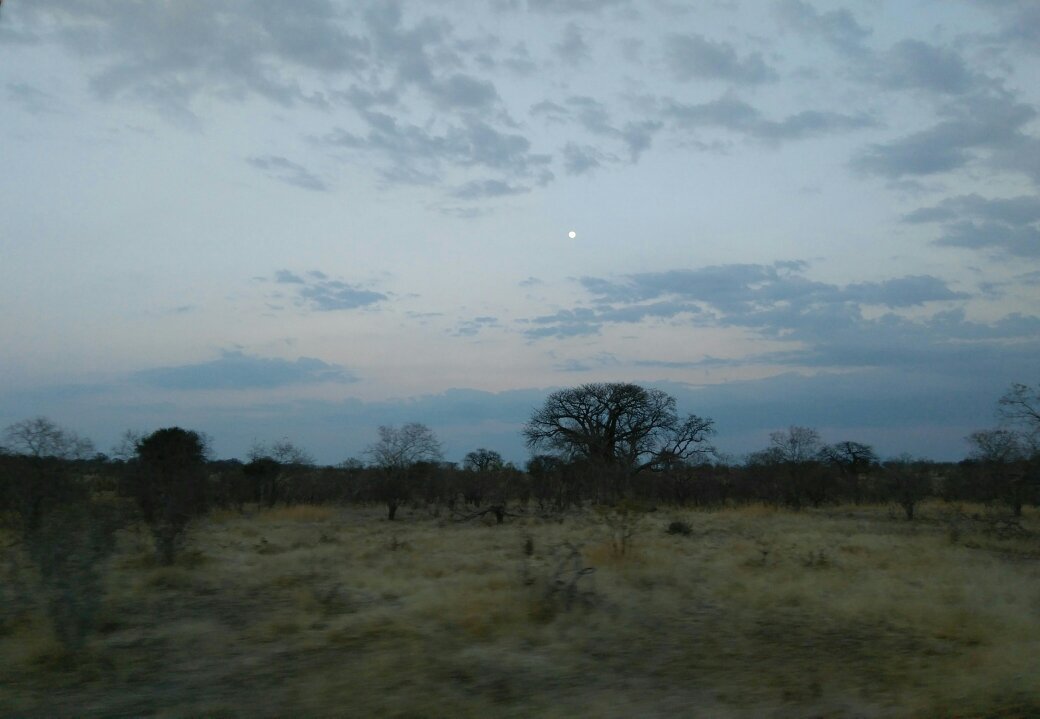
The heart of fly-camping is the night itself. Lying in a simple tent or under a net beneath the open sky, you hear the park as you never do from a lodge: the whoop of hyenas, the roar of a lion carrying across the dark, the rustle of something moving through the grass nearby. In a park as remote as Ruaha, with no light pollution for a hundred kilometres, the stars are astonishing, and many people spend a long time simply looking up before they sleep.
It can be an intense experience, and a little daunting the first time, since the sounds are close and the dark is total. That edge of vulnerability is exactly what draws people to it, and the sense of having genuinely slept out in the wilderness, protected only by canvas and the watchful crew, stays with you long after. It is the most immediate way to feel the wild on a Ruaha safari.
Fly-Camping and Walking Safaris in Ruaha
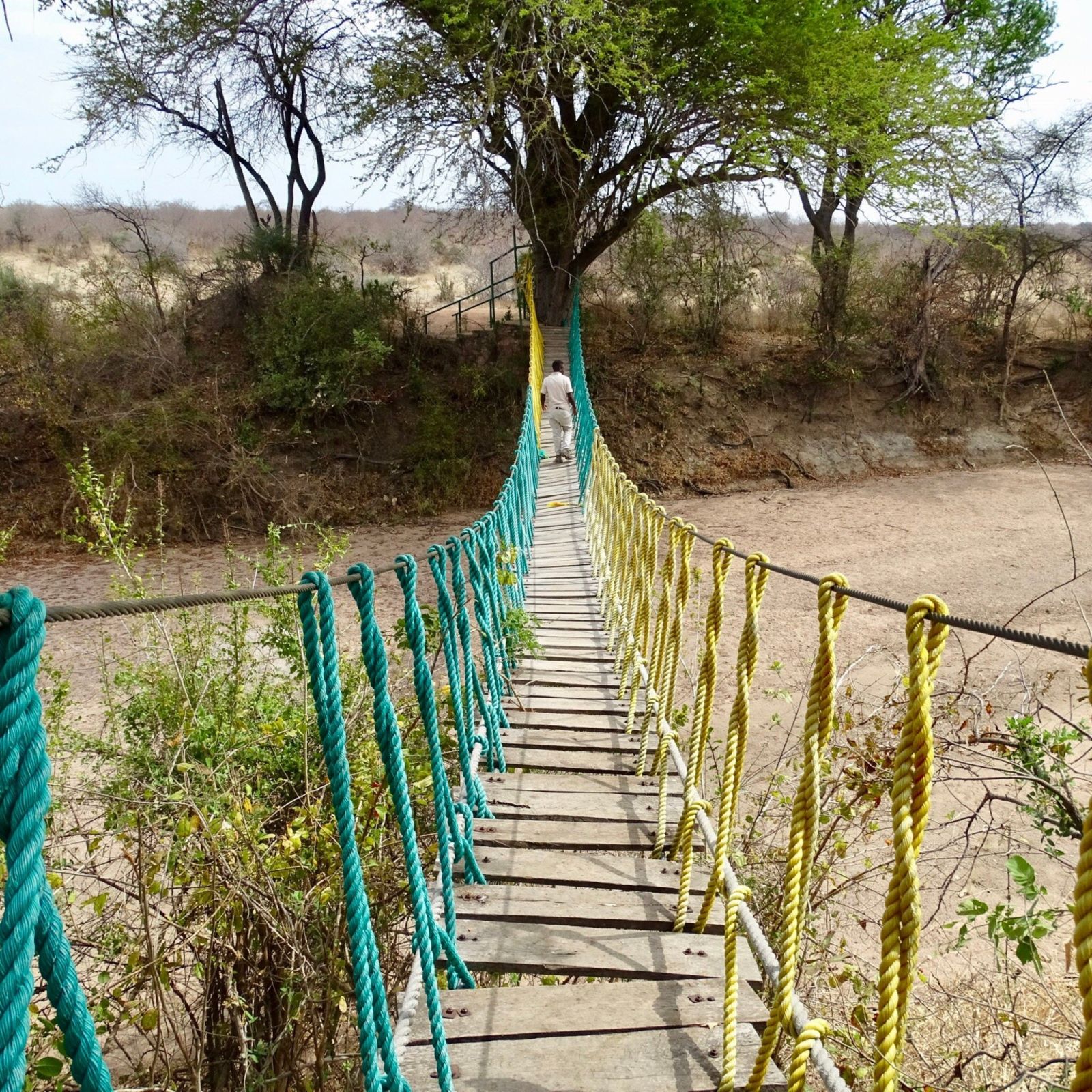
Fly-camping pairs naturally with walking. Often the night out is combined with a walking safari, so you walk to the fly-camp in the afternoon with an armed ranger, sleep out, and walk again in the morning, covering country on foot in a way no vehicle-based trip can. This walking-and-camping combination is the purest form of old-style safari, moving through the bush under your own power and sleeping where you stop.
The camps that specialise in walking itineraries are usually the ones that offer fly-camping, since the two go together, and they have the experienced walking guides and rangers the experience needs. If getting out on foot and sleeping in the bush both appeal, look for a camp built around this style, and you can combine them into a genuine wilderness adventure on a Ruaha safari.
The rhythm of a walking-and-camping night has a satisfying shape. You set out in the cool of the late afternoon, walking with the ranger and guide through country that a vehicle would rush past, reading tracks and stopping for whatever the bush offers, and arrive at the fly-camp as the light softens toward sundowners. After dinner and a night under the stars, you wake to coffee at dawn and walk again while the air is still cold and the animals active, before a vehicle collects you or you walk back. Covered on foot rather than by engine, even a short distance feels like a proper expedition.
Safety and Comfort at a Fly-Camp
Sleeping out sounds risky, but it is carefully managed. An armed ranger stays with the camp through the night, the fire is kept burning, and the crew watches the surroundings, so the wildlife keeps its distance as it does around any camp. You are briefed on the simple rules: stay in your tent or by the fire at night, use a torch, and call the crew if you need to move, and following them keeps the night safe.
On comfort, set your expectations for basic rather than luxurious. The bedding is simple, the facilities are a bucket shower and a bush toilet, and there is no electricity beyond lamps and torches. That simplicity is the appeal, not a shortcoming, but it does mean fly-camping suits travellers happy to trade comfort for adventure. Bring warm layers, since the nights are cold, and a torch, and the crew handles the rest on a Ruaha safari.
Who Fly-Camping Safaris Suit
Fly-camping is for the adventurous. It suits travellers who want something raw and memorable, who are comfortable with basic facilities and a night out in the wild, and who relish the idea of sleeping under the stars with lions calling in the dark. It is often the highlight for repeat safari-goers looking to go beyond the standard lodge experience.
It is not for everyone. Those who value comfort, a proper bed and an ensuite bathroom, or who would find the sounds and exposure of a night in the bush unsettling rather than exciting, are better off enjoying the wilderness from a comfortable camp. Very young children are usually not suited to it either. If a night of genuine adventure appeals more than a night of comfort, fly-camping is one of the standout things to do on a Ruaha safari.
Best Time of Year for Fly-Camping in Ruaha
The dry season from June to October is the time for fly-camping, since it needs dry, settled weather to work. Clear nights mean no risk of a soaking, the firm ground is easy to camp on, and the star-filled skies are at their best. The nights are cold, particularly in June and July, so warm layers and a good sleeping setup matter, but the reliable dry weather makes the experience straightforward.
In the green season from November to April, rain makes sleeping out impractical and most camps do not offer fly-camping then, both for comfort and because wet ground and storms complicate everything. So if a night in the bush is on your wish list, plan your Ruaha safari for the dry months, when fly-camping is both possible and at its finest.
Frequently Asked Questions
What is fly-camping on safari?
It is spending a night out in the bush in a light, temporary camp away from the main lodge, sleeping under canvas or the stars with only a simple setup and the sounds of the wild around you. The name comes from the portable kit carried out for the night. It is the most adventurous, pared-back way to experience the park.
Is fly-camping safe?
Yes, when run by an experienced camp. An armed ranger stays with the camp through the night, the fire is kept burning, and the crew watches the surroundings, so wildlife keeps its distance. You are briefed on simple rules, such as staying in your tent or by the fire at night. Following the team’s guidance keeps the night safe.
How comfortable is a fly-camp?
Basic rather than luxurious, by design. Expect a simple tent or a bedroll under a net, a bucket shower, a bush toilet, a campfire and lamplight rather than electricity. Some fly-camps are a touch more comfortable with proper camp beds. The simplicity is the appeal, so it suits travellers happy to trade comfort for adventure.
Can you combine fly-camping with a walking safari?
Yes, and the two often go together. A common arrangement is to walk to the fly-camp with an armed ranger in the afternoon, sleep out, and walk again in the morning, which is the purest form of old-style safari. Camps that specialise in walking are usually the ones offering fly-camping, with the guides and rangers the experience needs.
How much does fly-camping cost?
Fly-camping is usually an add-on to a stay at a main camp and carries a supplement, since it needs extra crew, kit and an armed ranger, so the cost varies by camp and is quoted on top of your accommodation. It also sits on top of park fees, currently around 30 US dollars per non-resident adult per 24 hours before 18 percent VAT. Confirm current prices with your camp and operator.
Plan Your Ruaha Safari
Fly-camping is offered by only a handful of camps and needs experienced walking guides and rangers, so being placed with the right operator is what makes it possible and safe. The safari companies and tour operators listed on this website know which camps offer fly-camping in Ruaha, and they can build a night in the bush into your trip.
Whether the budget is tight or open, the camp choice, activities, flights and park bookings are handled in the background so none of the admin lands on you. Want a proper quote, or just a steer on camps that offer fly-camping? Reach out to the operators listed here, and a real person, not a bot, will get back to you.