What Photography Equipment Should You Bring to Ruaha?
For a Ruaha safari, bring a camera with a telephoto zoom lens, a wider lens for scenery, plenty of spare batteries and memory, a beanbag or support to steady long shots, and dust protection for your gear. Good binoculars complete the kit. The park’s dust, distances and golden light all reward a little preparation. Ruaha is one of Tanzania’s largest national parks, in the south-central Iringa Region, and one of the country’s best photography destinations on the southern safari circuit.
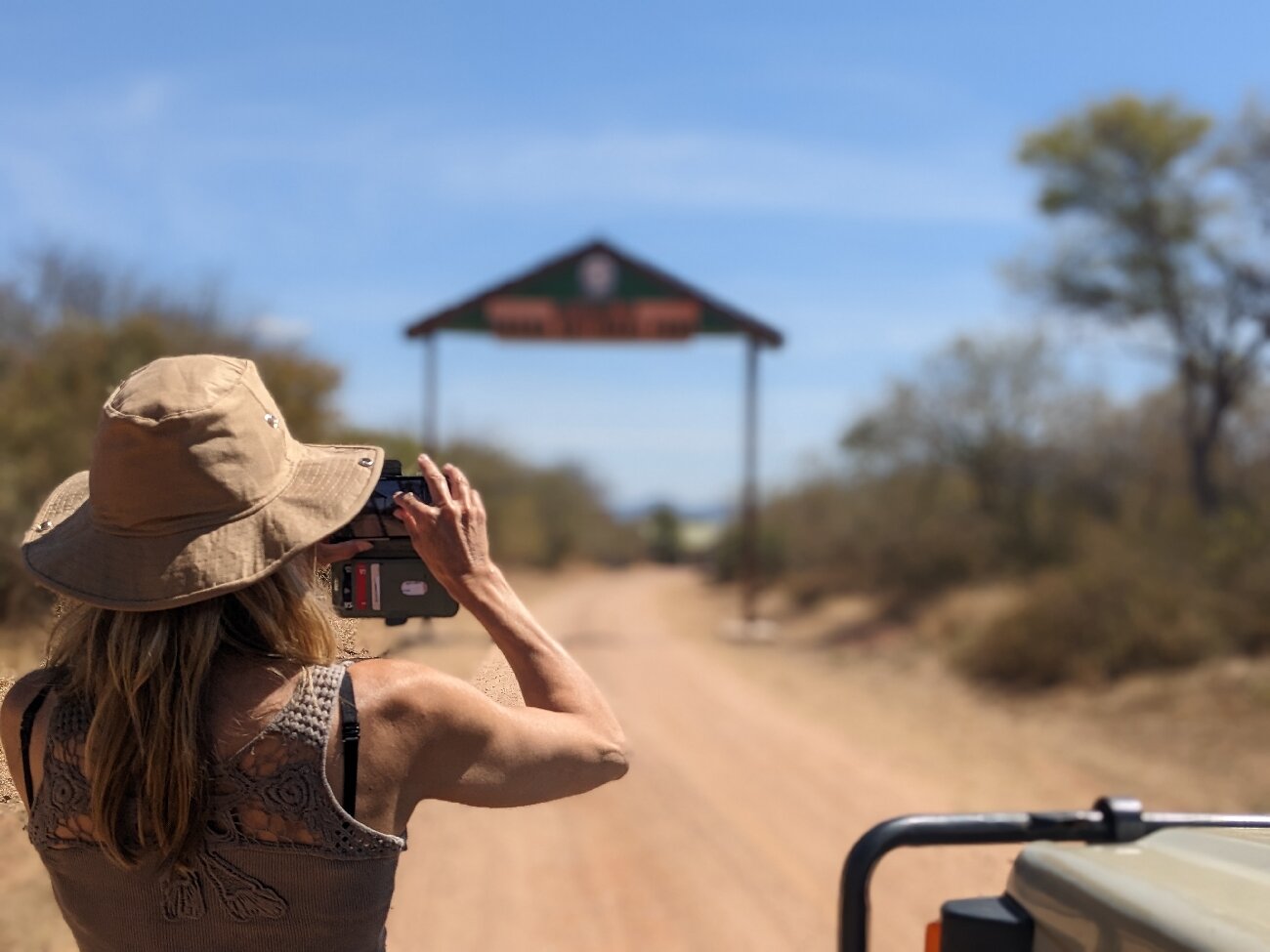
Camera Gear to Bring for a Ruaha Safari
Ruaha is a rewarding park to photograph, so it is worth thinking about your kit before a Ruaha safari. A camera with interchangeable lenses, whether a DSLR or a mirrorless body, gives you the reach and control that a phone cannot, and it is the natural choice for wildlife. That said, you do not need a professional rig to come home with strong images. A mid-range camera, the right lenses and a bit of technique go a long way, and the park’s clean light and open country do much of the work for you.
Whatever body you bring, the priority is being ready for the moment. Wildlife does not wait, so keep the camera on and to hand rather than packed away, set for the conditions, so a sudden sighting does not catch you fumbling. A second body, if you have one, saves swapping lenses at a critical moment, but for most people one camera and a versatile lens is plenty.
It is worth being honest about how much gear you really need. A common mistake is to bring too much, then spend the safari managing bags and swapping equipment instead of watching the wildlife. For most travellers, one capable camera, one or two well-chosen lenses, and the small supporting items are the sweet spot. Serious photographers with heavier kit should think about the light-aircraft weight limit on the flights into the park and pack with that in mind. The best setup is the one you can actually use quickly and comfortably from a moving vehicle, not the one with the most in the bag.
Lenses for Wildlife Photography on Safari
Lenses matter more than the body for a wildlife trip. A telephoto zoom is the workhorse, letting you fill the frame with a lion or a bird from the distance a vehicle keeps, and a range reaching into the longer focal lengths covers most situations. A mid-range zoom handles closer animals and scenes, and a wider lens comes into its own for the big Ruaha country, the baobabs against the sky and herds beneath them. If you can bring only one lens, a versatile telephoto zoom is the pick for a photography safari, since it covers the wildlife that most people come for.
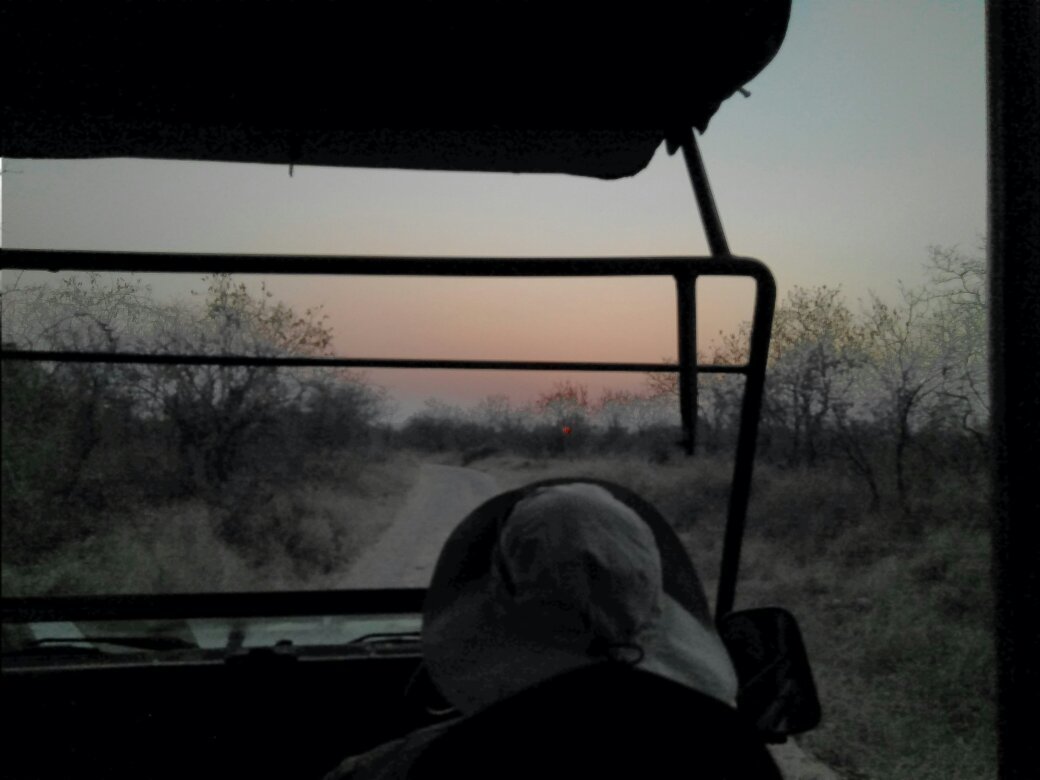
Protecting Your Gear From Dust on a Ruaha Safari
Dust is the real enemy in Ruaha, especially in the dry season when the tracks are powder-fine. It works its way into everything, so protecting your gear is worth the effort. Bring a sealable bag or a dust cover for the camera, keep lens changes to a minimum and do them out of the wind, and carry a blower and a cloth to clean lenses and sensors. A simple rain cover doubles as dust protection on the vehicle. None of this is heavy or expensive, but it saves your images from dust spots and your gear from grit, which matters over several dusty days on a Ruaha safari.
Change lenses as little as possible in the dry season. Every swap invites dust onto the sensor, and a spotted sensor means hours of cleaning up images later. A versatile zoom that stays on the camera is the simplest defence against Ruaha’s fine dust.
Beanbags, Supports and Steadying Your Shots
Sharp images of distant wildlife need a steady camera, and a tripod is impractical in a vehicle, so a beanbag is the safari photographer’s best friend. Rested on the door frame or roof edge, it steadies a long lens far better than hand-holding over rough ground. Many camps can provide one, or you can bring an empty bag and fill it with beans or rice on arrival to save luggage weight. A monopod is a lighter alternative for walking safaris. Whatever you use, a stable support is what turns a soft long-lens shot into a crisp one, so it is well worth building into your kit for a photography safari.
Batteries, Memory and Power on a Fly-In Safari
Power and storage are easy to underestimate. Bring several spare batteries, since a full day of shooting drains them and charging can be limited at remote camps that run on solar or generator power with set hours. Plenty of memory cards matter too, because wildlife photography fills cards fast, and you do not want to be deleting images in the field to make room. A power bank keeps phones and small devices topped up, and a multi-plug or the right adapter helps you charge everything during the midday rest. On a fly-in safari, remember the luggage weight limit, so pack this small gear efficiently rather than bulking out the bag.
Binoculars and Extras for a Ruaha Safari
Beyond the camera, a good pair of binoculars is the one item seasoned safari-goers never skip. They let you find and enjoy wildlife the camera cannot reach, from a distant leopard to a bird along the river, and they make the whole experience richer. A few other extras earn their place: a headtorch for early starts and camp, a small daypack for the vehicle, lens cloths, and a comfortable strap for a heavy lens. A polarising filter can cut glare off the water and deepen the sky, though it is optional. These small items round out a kit that handles most of what a Ruaha safari throws at you, and they sit alongside the clothing and medical items on the wider Ruaha packing list.

Photographing Ruaha’s Light, Baobabs and Wildlife
Ruaha gives a photographer a lot to work with, which is why a dedicated photography safari in Ruaha is a popular way to shape a trip. The best light falls in the early morning and late afternoon, the golden hours that happen to coincide with the most active wildlife, so timing your drives for those windows pays off twice. The park’s ancient baobabs, big skies and river country make for strong wide scenes, while the predators, elephants and unusual antelope reward the long lens. In the green season, dramatic storm light and green country add another mood entirely. Working with the light rather than against it, and being patient at a good sighting, matters more than any single piece of gear on a photography safari.
A few habits lift your images beyond the gear. Shoot at eye level with the animal where you can, since a low angle from an open vehicle gives a far more intimate result than looking down from above. Watch the background as much as the subject, as a clean backdrop makes a portrait, while a cluttered one spoils it. Wait for behaviour rather than just a static pose, since an elephant lifting its trunk or a lion cub mid-yawn tells a story a still portrait cannot. And in the harsh light of midday, when the animals rest anyway, so can you, saving your shooting for the golden hours when both the light and the wildlife are at their best.
Best Time and Settings for a Photography Safari in Ruaha
The dry season from June to October is easiest for photography, with clean light, thin bush and concentrated wildlife, though it brings dust to manage. The green season from November to April offers greener scenes, dramatic skies and the best birds, at the cost of trickier light and softer ground. Shoot in the golden hours, keep your shutter speed high enough to freeze movement, and lean on your beanbag for the long lens. Whatever your settings, the biggest wins come from good light and patience, so plan your drives around the best hours and let the park do the rest.
Frequently Asked Questions
What camera should I bring to Ruaha?
A camera with interchangeable lenses, either a DSLR or a mirrorless body, is ideal for wildlife, since it gives the reach and control a phone lacks. You do not need a professional rig, though; a mid-range camera with the right lenses and some patience produces strong images. The park’s clean light and open country help a great deal.
What lens is best for a Ruaha safari?
A telephoto zoom is the workhorse, letting you fill the frame with wildlife from the distance a vehicle keeps. If you bring only one lens, make it a versatile telephoto zoom. A wider lens is worth adding for the baobab scenery and big skies, and a mid-range zoom covers closer animals and scenes.
How do I protect my camera from dust in Ruaha?
Dust is the main hazard, especially in the dry season. Bring a sealable bag or dust cover, keep lens changes to a minimum and do them out of the wind, and carry a blower and cloth for cleaning. A versatile zoom that stays on the camera is the simplest way to keep dust off the sensor over several dusty days.
Do I need a tripod for a Ruaha safari?
Not a tripod, which is impractical in a vehicle, but a beanbag is very useful for steadying a long lens on the door frame or roof edge. Many camps can supply one, or bring an empty bag to fill on arrival. A monopod is a lighter option for walking safaris.
How much does a photography safari in Ruaha cost?
Photography happens on standard game drives, so the cost is that of any Ruaha safari, though some camps offer photographic vehicles or private guiding for a premium. Park entry for a non-resident adult is currently around 30 US dollars per person for each 24 hours before 18 percent VAT, with reduced rates for residents and East African citizens. Flights and accommodation add to the total. Confirm current fees with TANAPA before you travel.
Plan Your Ruaha Safari
Getting the most from Ruaha’s photography means being in the right place in the right light, ideally in an open vehicle with a guide who understands what a photographer needs, and that is worth arranging properly. The safari companies and tour operators listed on this website run photography-friendly drives across Ruaha, and some can provide beanbags, photographic vehicles or private guiding so you have the setup to make the most of the park’s wildlife and light.
Whether the budget is tight or open, the vehicles, guiding, flights and park bookings are handled in the background so none of the admin lands on you. Want a proper quote, or just a steer on a photography-focused trip? Reach out to the operators listed here, and a real person, not a bot, will get back to you.