Best Time to Visit Ruaha National Park
The best time to visit Ruaha National Park is the dry season, roughly June to October, when wildlife gathers along the shrinking Great Ruaha River and game viewing is at its strongest. Birders and budget travellers often lean toward the green season from November to April, which brings migrant birds and softer rates. Ruaha is one of Tanzania’s largest national parks, in the south-central Iringa Region, and the anchor of the country’s quieter southern safari circuit.
Dry Season Safaris in Ruaha: June to October
If you want the classic Ruaha safari, come in the dry season. From June the rains have gone, the grass dies back, and water shrinks to the river and a chain of pools. Animals have nowhere else to drink, so they come to you. Predators know it too, which is why the dry months bring the best of Ruaha’s famous big-cat action along the water.
July and August are the coolest months, with pleasant days and nights that can drop toward ten degrees, so a warm layer for the early drive earns its place in the bag. By September and October the heat builds and the bush is at its thinnest, which many guides quietly rate as the single best stretch for sightings. Visitor numbers tick up in July and August, but this is Ruaha, so even peak feels empty next to the northern parks. This is the window to book if a first safari and strong game viewing are the priority.
Green Season Safaris in Ruaha: November to April
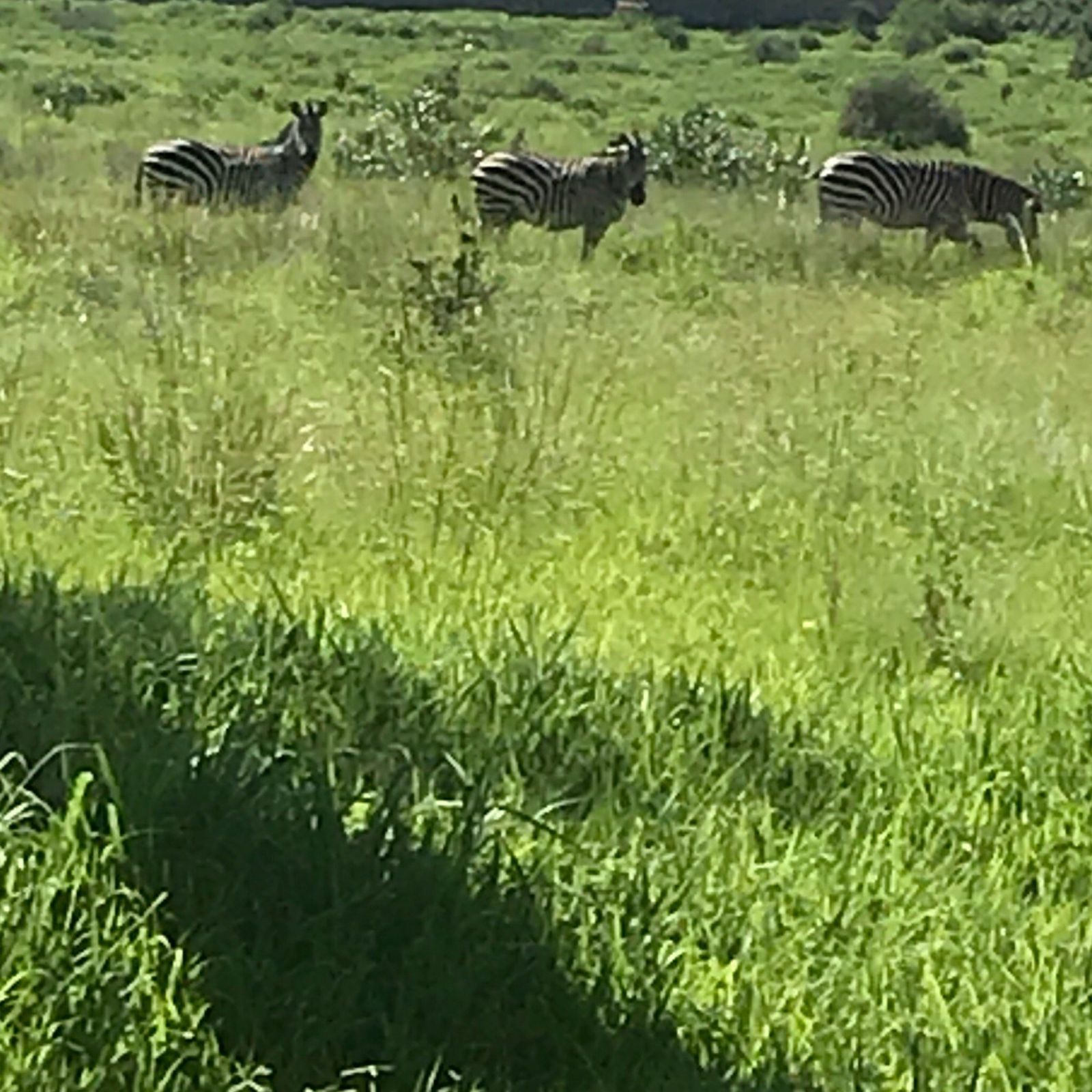
The green season is a different park. The short rains arrive around November, the country turns green almost overnight, and the baobabs push out leaves and flowers. Wildlife spreads out because water is everywhere, so the concentrated river sightings of the dry months give way to a more scattered game experience. Big cats are still around, and the scenery is at its most photogenic, but you work harder for each sighting.
Two honest trade-offs come with a green-season Ruaha safari. Some camps close through the heaviest rains, broadly January to March, and the tracks can turn muddy enough to limit where a vehicle goes. Against that, you get lower rates, near-empty roads and the best birding of the year. For photographers and repeat visitors who already have the big sightings on file, the green months hold real appeal.
Dry season, June to October. The prime window. Thin bush, concentrated wildlife, strong predator sightings, cool mornings and comfortable days. Busiest and best for a first visit.
Green season, November to April. Warm and wet with afternoon storms. Green country, excellent birding, softer rates and few visitors, but dispersed game and some camp closures in the heavy months.
Shoulder months, May and November. A middle path with fewer people and often better value, catching either the last of the dry concentrations or the first flush of green.
Shoulder Months for a Ruaha Safari: May and November
The weeks either side of the main seasons are underrated. In May the long rains are tailing off, the country is still green, and the crowds have not yet arrived, so you get scenery and space together. Come November and the park is drying out again, wildlife is starting to draw back toward the river, and the first migrant birds are showing up. Rates in these shoulder weeks often sit below peak, which makes them a smart pick for anyone with flexible dates who wants a bit of everything without paying top season prices.
Best Time for Predator and Big Cat Safaris in Ruaha
Predators are Ruaha’s calling card, and the dry season is when a predator safari here really delivers. As the river drops to isolated pools through August, September and October, prey has to come and drink, and the lions, leopards and cheetahs set up around those pools. Large lion prides, sometimes more than twenty strong, are commonly seen working the river country in these months.
Wild dogs are the exception that rewards a different plan. These endangered animals range over huge areas and are never a guaranteed sighting, but the denning months around June and July pin a pack to one spot, which lifts your odds. If seeing wild dogs matters most to you, aim for early dry season and tell your guide it is a priority, so the drives can be planned around it.
Best Time for Elephant Safaris Along the Great Ruaha River
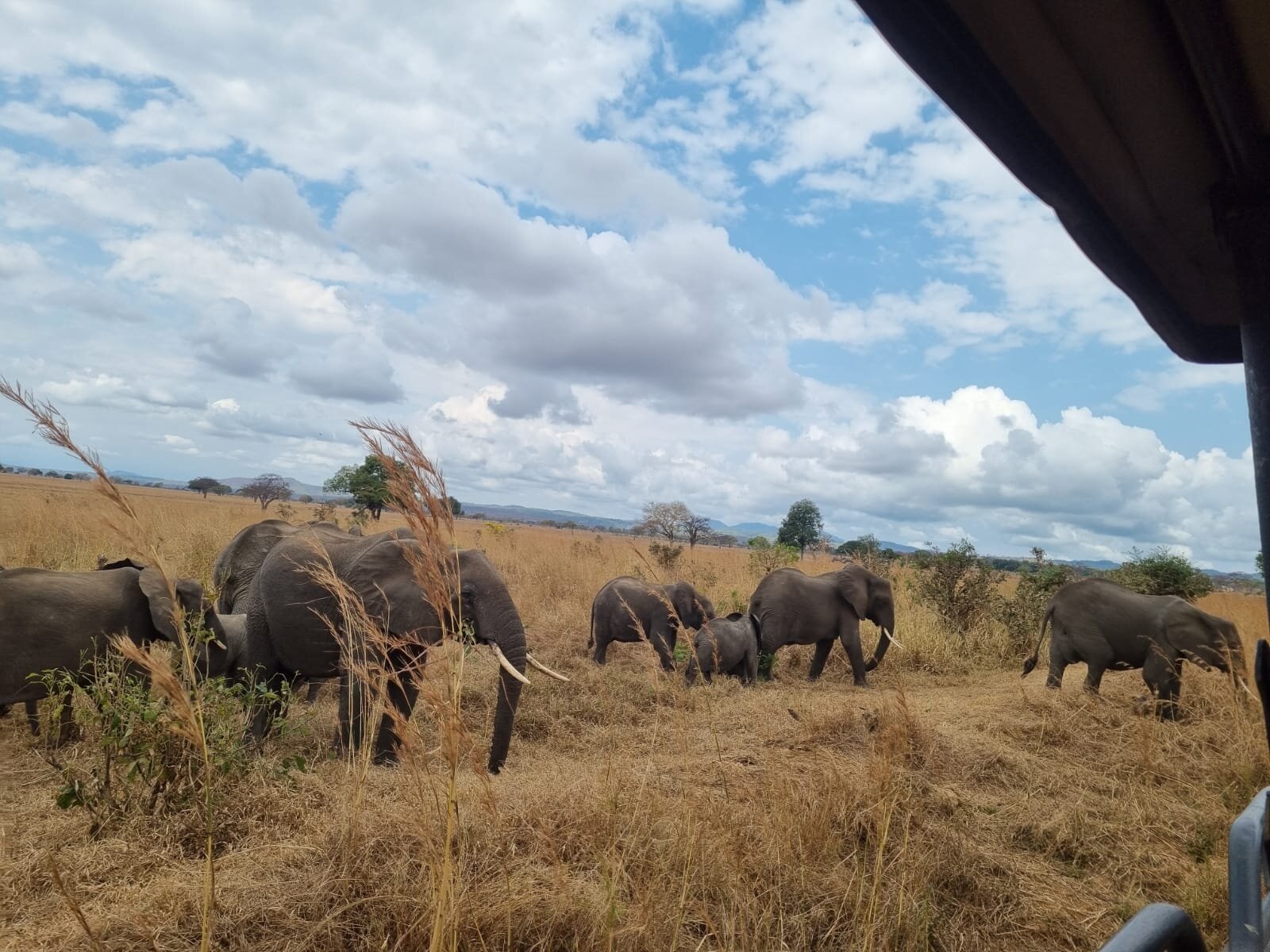
Ruaha holds one of Tanzania’s largest elephant populations, and the dry season concentrates them beautifully. As surface water vanishes, the herds move to the riverbed and dig for water in the sand with trunks and feet, and watching a family group do this in the low golden light is one of the quiet highlights of a dry-season trip. The best months are the same as for predators, broadly August to October, when the river is at its lowest and the herds have nowhere else to go.
In the dry months the Great Ruaha River becomes the one address in the park worth having. Wait by the water and, over a morning, much of Ruaha comes to you.
Best Time for Birdwatching Safaris in Ruaha
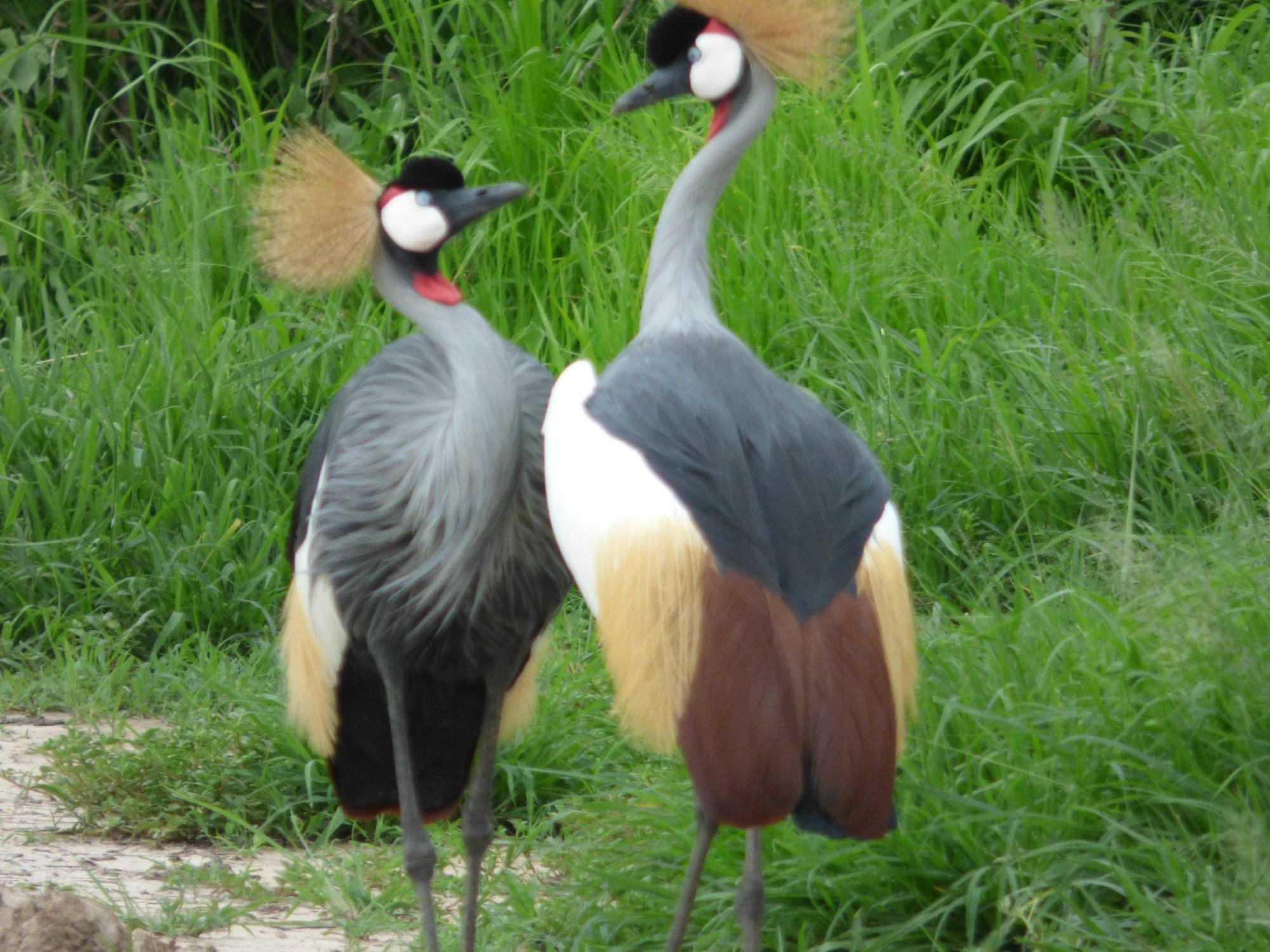
For a birdwatching safari, the calendar flips. Ruaha’s tally runs well over 500 species, and the best birding falls in the green season, roughly November through April, when migrants from Europe and Asia arrive and resident birds move into breeding colour. The stretch from around October into January is especially good, since it overlaps the tail of the dry season with the first arrivals, so you can pair decent general game with a busy bird list.
Bee-eaters, hornbills, kingfishers, eagles and storks are around the river and woodland year round, so even a dry-season visitor sees plenty. It is the sheer variety and the breeding activity that pull keen birders toward the wet months. Bring binoculars whenever you come, because Ruaha’s birdlife fills the slower game-viewing hours nicely.
Best Time for Walking Safaris in Ruaha
A walking safari is best in the dry season, and for practical reasons. Visibility is high once the grass has died back, the ground is firm underfoot, and the weather is stable, all of which make a guided walk safer and more rewarding. Camps that specialise in walking tend to run their strongest programmes from June to October. In the wet months, tall grass and soft ground make walking harder and less common, so if getting out of the vehicle on foot is on your list, plan a dry-season trip.
Month-by-Month Guide to a Ruaha Safari
June opens the dry season with green country still holding on, full baobabs and a relatively full river, plus cool, quiet conditions. July and August are the coolest and among the busiest, with excellent game viewing and chilly early starts. September and October turn hot and dusty, the bush thins to its clearest, and sightings peak, making this the sharpest end of the season for predators and elephants.
November brings the short rains and the first green flush, along with returning migrant birds and a park emptying of visitors. December through February is the heart of the green season, warm and wet with dramatic skies, superb birding and dispersed but still-present game. March and April see the heaviest rain, when some camps close and tracks can be tricky, before May eases back into drier, greener shoulder conditions. Match your month to whether you are chasing predators, birds or value, and Ruaha rewards a visit across most of the year.
Weather and What to Pack for Each Ruaha Season
Ruaha sits at a moderate altitude, so the dry season is warm by day and genuinely cool at night, with June and July mornings dropping low enough to want a fleece and a hat for the first drive. Days climb into the high twenties and warm further by October. The green season is hotter and more humid, with short, heavy afternoon storms rather than all-day rain. Pack neutral layers you can add and shed, a warm top for early drives in the dry months, a light rain layer for the green season, sun protection year round, and good insect cover for dusk, since malaria is present and peaks in the wet season.
Frequently Asked Questions
What is the overall best month to visit Ruaha?
September and October are often rated the very best for wildlife, since the bush is at its thinnest and animals are tied to the river. July and August are close behind and a touch cooler. If birds are your focus, aim for the green season instead, around November to January, when migrants arrive.
Is Ruaha worth visiting in the rainy season?
Yes, with the right expectations. The green season brings the best birding, the most photogenic country and the lowest rates, and the park is almost empty. The trade-offs are dispersed wildlife, tougher tracks and some camp closures in the heaviest months of January to March. It suits photographers, birders and repeat visitors more than a first-timer chasing big cats.
Do park fees change with the season?
No. The government park entry fee is a flat rate set by residency, currently around 30 US dollars per non-resident adult per 24 hours before 18 percent VAT, which is about 35 dollars once the tax is on it, and it does not rise and fall with the season. What changes is accommodation, since many camps charge peak rates in the dry months and drop them in the green season. Confirm the current park fee with TANAPA before you travel, as rates are reviewed each fiscal year.
Is it cheaper to visit Ruaha in the green season?
Usually yes, and sometimes by a wide margin. Camp rates in the green months can fall well below dry-season pricing, and shoulder weeks in May and November often sit lower again. Flights and park fees stay much the same, so the saving comes almost entirely from accommodation. If budget drives your dates, the green and shoulder periods are the ones to target.
When is the best time to see wild dogs in Ruaha?
The denning months around June and July give the best odds, because a pack stays close to one den site rather than ranging across the whole park. Sightings are never guaranteed at any time of year, since wild dogs cover huge distances, but early dry season stacks the deck in your favour. Let your guide know it is a priority so drives can be planned around it.
Plan Your Ruaha Safari
Picking the right month for what you most want to see is half the battle, and you do not have to guess at it alone. The safari companies and tour operators listed on this website run trips across Ruaha through every season, and they can match your dates to predators, birds or better value rather than selling you a one-size trip. Ask them straight and they will tell you when a wild dog sighting is likely and when it is a long shot.
Whether the budget is tight or open, the days get shaped around your priorities, and the flights, park bookings and camp choices are handled in the background so none of the admin lands on you. Want a proper quote, or just a steer on timing? Reach out to the operators listed here, and a real person, not a bot, will get back to you.