The Great Ruaha River
The Great Ruaha River runs along the south-eastern edge of Ruaha National Park, cutting through gorges and over rocky rapids before shrinking to a chain of pools in the dry months. It gave the park its name, sustains its wildlife, and today faces real pressure from water use upstream. Ruaha is one of Tanzania’s largest national parks, in the south-central Iringa Region, and the anchor of the country’s quieter southern safari circuit.
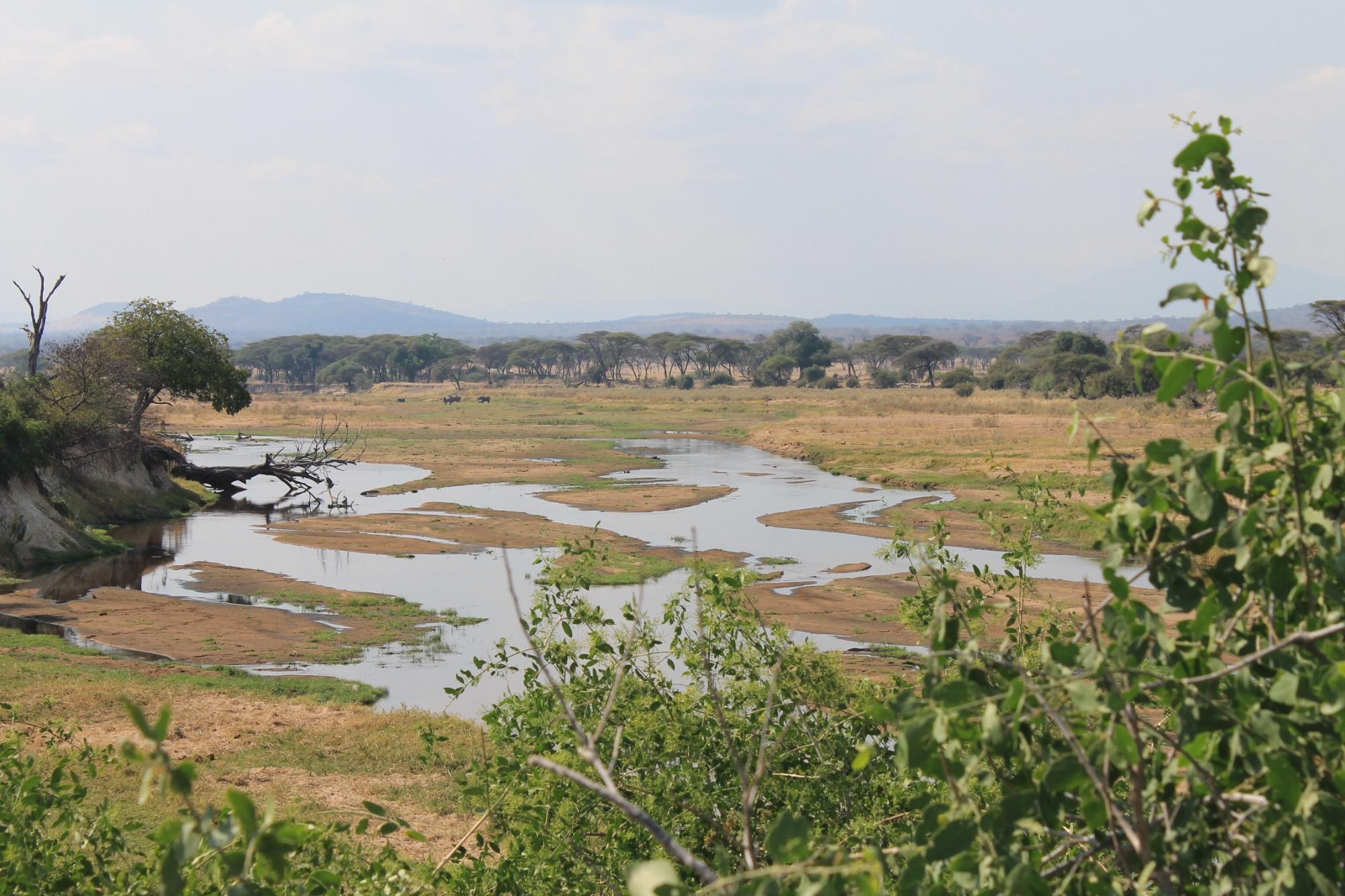
The River That Names the Park on Safari
The park takes its name directly from this river, drawn from the Hehe word for river, which tells you how completely the two are bound together. Flowing along the south-eastern margin of the park, the Great Ruaha is the single most important physical feature in a hot, semi-arid country, and every account of the park’s wildlife eventually comes back to it.
Rising in the highlands to the south-west and eventually feeding into the Rufiji system, the river passes through the park as a broad watercourse in the wet months and a much reduced one in the dry. Its course sets the boundary for a long stretch of the park’s edge, and the main road network and most of the camps are arranged in relation to it. Any Ruaha safari spends much of its time within reach of these banks.
Gorges and Rapids: The River on Safari
The Great Ruaha is not a placid, uniform waterway. Along its length through the park it moves through deep gorges, over rocky shelves and stretches of swirling rapids, and between broad sandy reaches where the channel spreads out. That variety gives different sections quite distinct characters, from narrow rocky passages to wide open banks where the water pools.

Where the river runs over rock, the current picks up and breaks white, and these rapid sections are worth stopping at for the sound and movement alone, which is a rarity in a park otherwise defined by dry heat and stillness. Elsewhere the channel widens into slow, deep pools that hold hippo and crocodile year round. Understanding that the river has these different moods helps you appreciate why guides work particular sections at particular times on a Ruaha safari.
How the River Changes Through the Safari Seasons
The transformation between seasons is dramatic. In the green season from November to April, fed by the rains, the Great Ruaha runs full, fast and brown, filling its channel and sometimes spilling across the sandy margins. It looks and sounds like a substantial African river, and the country around it turns green in response.
By the height of the dry season, from August onward, the same river has retreated to a chain of separate pools linked by dry sand, and stretches that carried water in March lie bare and hot. This shrinking is the single most important seasonal event in the park, because it forces every animal that needs to drink into a handful of remaining places. The river you see in October and the one you see in March barely seem related, which is why the season shapes a Ruaha safari so completely.
In March the Great Ruaha is a full, fast river. By October it is a chain of pools linked by dry sand. Everything about the park’s wildlife follows from that annual shrinking.
Wildlife Drawn to the River on Safari
Because it holds the only reliable water for a long way in the dry months, the river becomes the focus of the park’s animal life. Elephants come down in family groups to drink, bathe and dig in the sandy reaches. Buffalo arrive in large herds. Impala, waterbuck, zebra, giraffe and both greater and lesser kudu file in to drink, edgy and watchful, because the predators know exactly where they must come.
Lions set up near the pools where prey has to pass, hippos crowd the deeper water and crocodiles haul out on the sandbanks. The birdlife along the banks is superb, with fish eagles calling from the tall trees, herons stalking the shallows and kingfishers working the edges. This concentration is why a drive along the river reliably outproduces one heading into the dry interior on a Ruaha safari.
Sand Tributaries Feeding the River on Safari
The Great Ruaha does not work alone. A network of sand rivers feeds into it, chief among them the Mwagusi, along with the Mdonya, the Jongomero and the Mzombe, and these seasonal watercourses extend the river’s influence deep into the park. For much of the year they carry no surface water at all, running as broad beds of pale sand, but water sits beneath, which is where elephants dig their wells.
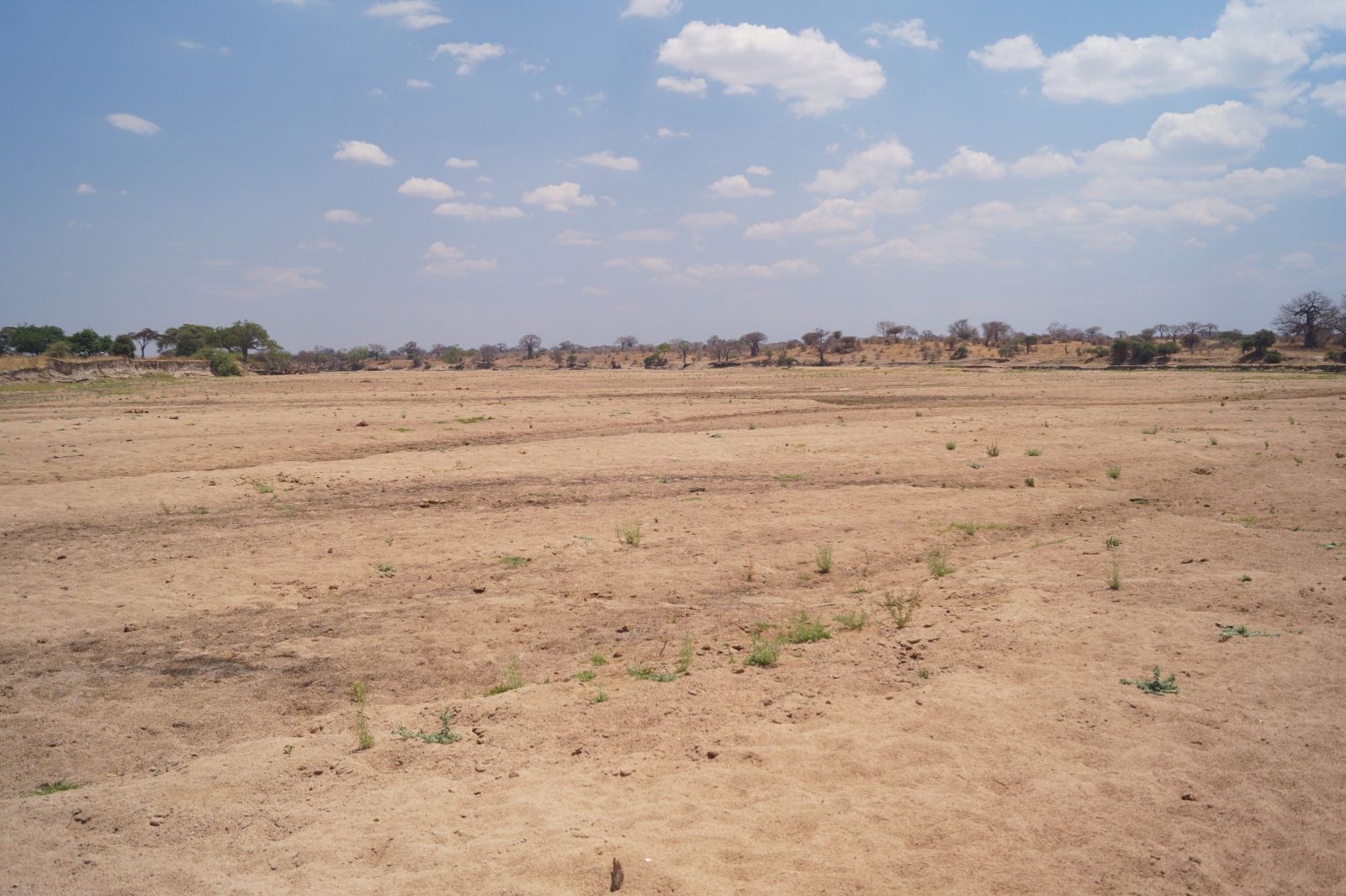
These tributaries matter because they spread the river system’s pull across a much wider area than the main channel alone could reach. Their open beds make good game-viewing corridors, and their thicker fringing vegetation holds leopards. Several of the park’s finest camps sit on these sand rivers rather than the main river, which tells you how productive they are on a Ruaha safari.
The main river. Permanent water in the dry season, holding hippo and crocodile year round, with the largest concentrations of elephant, buffalo and plains game coming to drink.
The sand tributaries. Dry beds with water beneath, where elephants dig wells. Open sightlines, thicker fringing bush holding leopards, and game moving through as natural corridors.
The River Under Pressure: Conservation on Safari
The Great Ruaha faces a genuine problem that anyone visiting should understand. Water use upstream, largely for irrigated agriculture in the Usangu wetlands to the west, has reduced the flow reaching the park, and stretches that once ran through the whole year have in recent decades stopped flowing entirely in the worst dry months. Downstream, the river feeds a hydro-power scheme, so its water is pulled in several directions at once.
The consequences land on the wildlife and on people alike. When the river ceases to flow, the animals that depend on it in the hardest weeks of the year suffer badly, and communities downstream lose a resource they rely on. Managing the basin’s water more carefully is a shared challenge involving the park authority, government and local people, and its outcome will shape the park’s future. Knowing this adds a sober note to the beauty of a Ruaha safari.
Viewing the River on a Ruaha Safari
The river is watched from the land rather than travelled on, since there are no boat safaris here, so access comes through game drives along the banks, guided walks where camps offer them, and simply sitting at a good pool. A slow drive along the water with the engine off at stops is the classic approach, letting the wildlife come to you rather than chasing it.
Guided walking safaris along the banks and sand beds add a closer perspective, since the soft ground records every track from the night before and a guide can read it for you. Riverside camps let you watch from a veranda between drives. The bridge and pool near the park headquarters at Msembe is a reliable stop that most road visitors pass on the way in, and it makes a natural first look at the river on a Ruaha safari.
Best Time to See the Great Ruaha River on Safari
For wildlife along the water, the dry season from June to October is the time to come, and the peak from August to October is best of all, since the shrinking river concentrates the animals where they are easy to find. This is when the river’s role as the park’s lifeline is most visible, with everything from elephant herds to lion prides gathered within reach of the remaining pools.
For the river itself at its most impressive, the green season from November to April shows it full and powerful, with the rapids running hard and the country green around it, which photographs beautifully even though the game disperses. Birders should also favour these months, when migrants swell the already long list along the banks. Either way, the river is the heart of a Ruaha safari whenever you visit.
Frequently Asked Questions
Why is the Great Ruaha River important to the park?
It is the park’s lifeline and the source of its name, taken from the Hehe word for river. As the only reliable water in a hot, semi-arid country, it forces all the wildlife to come and drink in the dry months, which concentrates game along its banks and draws the predators that hunt them.
Does the Great Ruaha River dry up?
Stretches of it do. Water use upstream, largely for irrigated agriculture, has reduced the flow, so sections that once ran year round now stop flowing in the worst dry months, retreating to a chain of separate pools linked by dry sand. This harms the wildlife and communities downstream, and better basin management is a shared conservation challenge.
Can you take a boat safari on the Great Ruaha?
No. There are no boat safaris on the Great Ruaha within the park, so the river is experienced from the land, on game drives along the banks, on guided walking safaris where camps offer them, and from riverside camps. The viewing from the banks is excellent, particularly in the dry season when animals crowd the water.
What animals gather at the river?
Elephants drinking, bathing and digging in the sand, large buffalo herds, lions waiting where prey must pass, hippos in the deeper pools and crocodiles on the sandbanks, along with impala, waterbuck, zebra, giraffe and both greater and lesser kudu. The birdlife is superb, including fish eagles, herons and kingfishers.
How much does it cost to visit the Great Ruaha River?
Seeing the river is part of any visit to the park rather than a separate charge, so the cost is that of a Ruaha safari. Park entry is currently around 30 US dollars per non-resident adult per 24 hours before 18 percent VAT, with reduced rates for residents and East African citizens. Flights and accommodation add to the total. Confirm current fees with TANAPA before you travel.
Plan Your Ruaha Safari
Basing yourself on the right stretch of river, and being there at the hours when the wildlife comes down to drink, is what separates a good trip from a great one. The safari companies and tour operators listed on this website know the Great Ruaha and its sand tributaries through every part of the season, and they can place you in a camp with the river access that suits how you want to travel.
Whether the budget is tight or open, the drives, walks, flights and park bookings are handled in the background so none of the admin lands on you. Want a proper quote, or just a steer on the best riverside camps? Reach out to the operators listed here, and a real person, not a bot, will get back to you.