How Many Days Should You Spend in Ruaha National Park?
Most visitors should spend three nights in Ruaha National Park, which gives time for morning and afternoon game drives, a walking safari and a night drive without feeling rushed. Two nights works if Ruaha is one leg of a longer trip, while four or more suits keen photographers and anyone wanting the remote southern sectors. Ruaha is one of Tanzania’s largest national parks, in the south-central Iringa Region, and the anchor of the country’s quieter southern safari circuit.
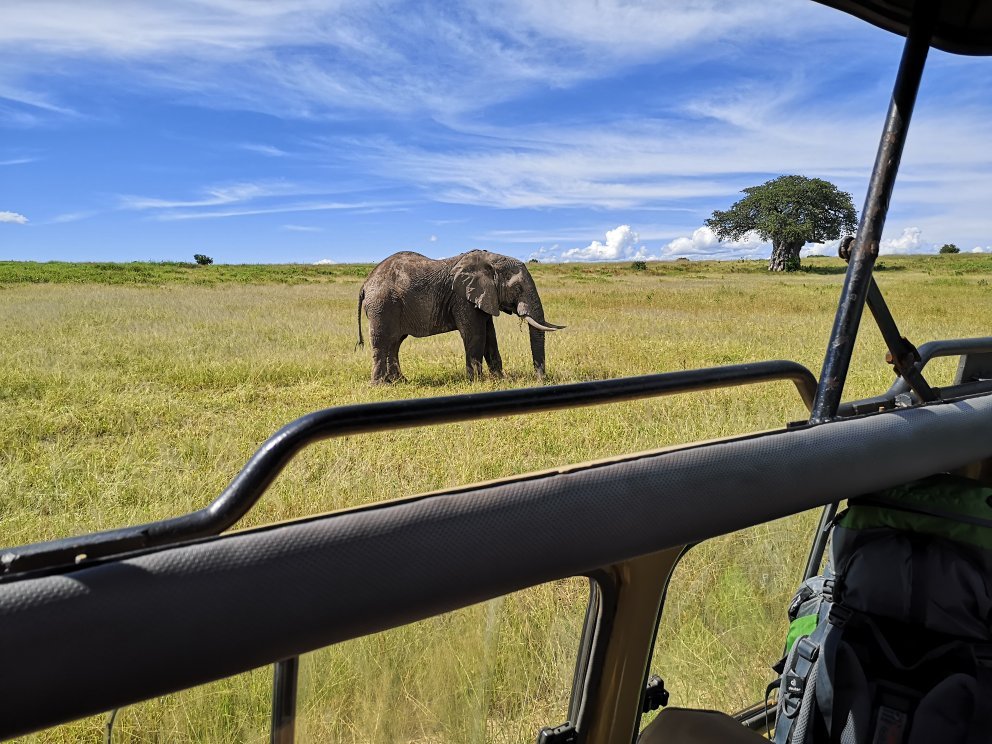
How Many Nights You Really Need for a Ruaha Safari
The honest answer depends on how you travel and what you came for, but three nights is the number most guides land on for a first Ruaha safari. That length covers the park’s headline wildlife with room to breathe. It absorbs the odd slow drive, gives the guide a chance to work an area over more than one outing, and leaves space for a walk or a night drive rather than back-to-back game drives from dawn to dusk.
Ruaha’s remoteness feeds into the maths too. Because getting here takes either a flight or the better part of a driving day, a single night barely justifies the effort of arriving. Build in enough time that the trip in feels worth it, and you come away with a proper sense of the place rather than a rushed sample.
A Two-Night Ruaha Safari: The Short Stay
Two nights is the shortest stay that makes sense, and it works best when Ruaha is part of a wider route rather than a trip on its own. With two nights you get one full day plus the afternoons of your arrival and a morning drive on departure, which is enough for a solid taste of the park. Fly in to save the day the road would eat, and you can pack a lot into that window.
The trade-off is depth. Two nights leaves little slack for a walking safari or a long push to the southern sectors, and a couple of quiet drives can take a bigger bite out of a short stay. For travellers stringing Ruaha together with Nyerere or a beach finish, though, two nights is a reasonable way to fit it in.
If two nights is all your calendar allows, make them count. Fly rather than drive so you arrive with the afternoon intact, tell your camp in advance which sightings matter most so the guide can plan around them, and stay inside the park rather than outside the gate to save the long morning transfer. Those three choices squeeze the most out of a short stay and can make two nights feel closer to three.
A Three-Night Ruaha Safari: The Sweet Spot
Three nights is where a Ruaha safari settles into its stride. You get two full days in the park, which changes the rhythm entirely. One day can focus on the river and its predators, another on a walking safari or a run to a different sector, and there is time to try a night drive at a camp licensed for one. The guide can read the park across several outings and take you back to a promising spot rather than chasing everything in one go.
Two nights. A short taster, best as part of a longer trip. One full day plus arrival and departure drives. Fly in to make the most of it.
Three nights. The sweet spot for a first visit. Two full days for game drives, a walk and a night drive, without feeling rushed.
Four to five nights. For depth. Time to reach the remote south, slow down for photography and let the wildlife come to you.
A Four to Five Night Ruaha Safari: Going Deeper
Four or five nights is for people who want to go beyond the highlights. With this much time you can base in more than one part of the park, reach the remote Jongomero sector in the south, and spend unhurried mornings waiting at a pool for whatever turns up rather than covering ground. Photographers value the extra days because good images come from patience, and a longer stay hands you plenty of it.
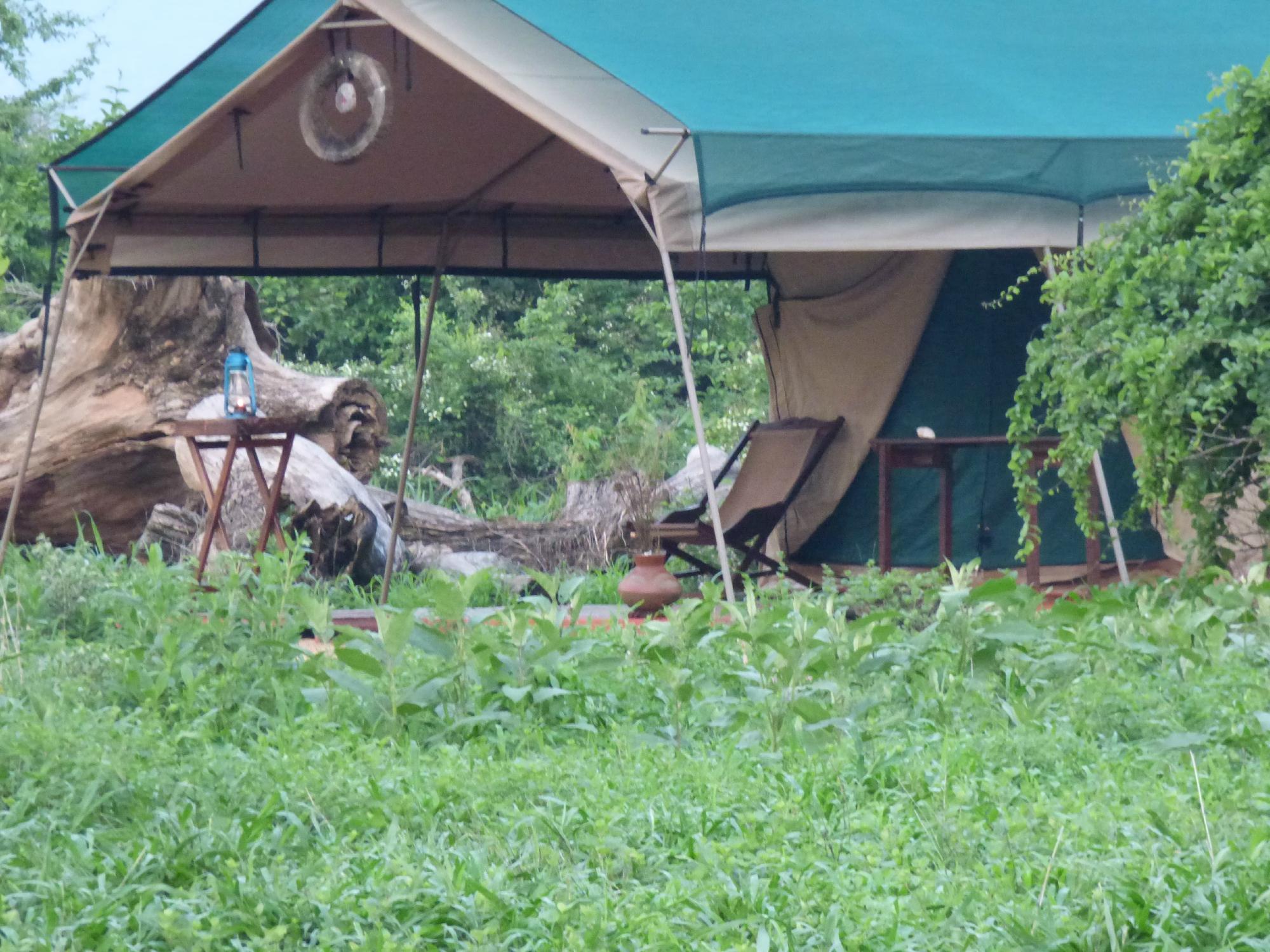
This length also suits anyone chasing a specific sighting, like wild dogs, where repeated drives over several days lift the odds far above what a single day allows. If Ruaha is the centrepiece of your trip rather than a stop along the way, four or five nights lets the park show its full range.
Ruaha rewards time. The visitors who slow down and wait by the river tend to come away with more than those who spend every drive racing to the next thing.
Fitting Ruaha Into a Longer Southern Circuit Safari
Ruaha rarely travels alone. It pairs naturally with the other southern parks on a circuit trip, and light aircraft hop between them, so a week to ten days can take in two or three parks comfortably. A common shape is Mikumi or Udzungwa first, reached by road from Dar es Salaam, then Ruaha as the wild heart of the trip, with Nyerere added for those with more time. On a southern circuit safari, three nights in Ruaha balances well against a couple of nights in each of the smaller parks.
Combining Ruaha With a Zanzibar Beach Trip
The other classic pairing ends at the sea. Flights link Ruaha with Zanzibar, so many people run three or four nights of safari and then fly to the island for a few days on the beach. It is a satisfying arc, wild first and restful second, and the single flight between the two makes it easy to arrange. On this kind of Ruaha safari and beach trip, keep the park to three nights so the beach half does not get squeezed, or stretch the whole holiday to ten days or more if the calendar allows.
How Your Days Fill on a Ruaha Safari
It helps to picture a day. Most camps run a morning game drive that leaves at first light, breaks for a bush breakfast, and returns for the heat of the midday rest. The afternoon drive heads out later and runs toward dusk, often ending with a sundowner in the bush. Add a walking safari with an armed ranger on one morning, and a night drive on another evening if your camp offers it, and the days fill without ever feeling packed. That gentle rhythm is why three nights, rather than two, tends to leave people satisfied rather than wishing for one more day.
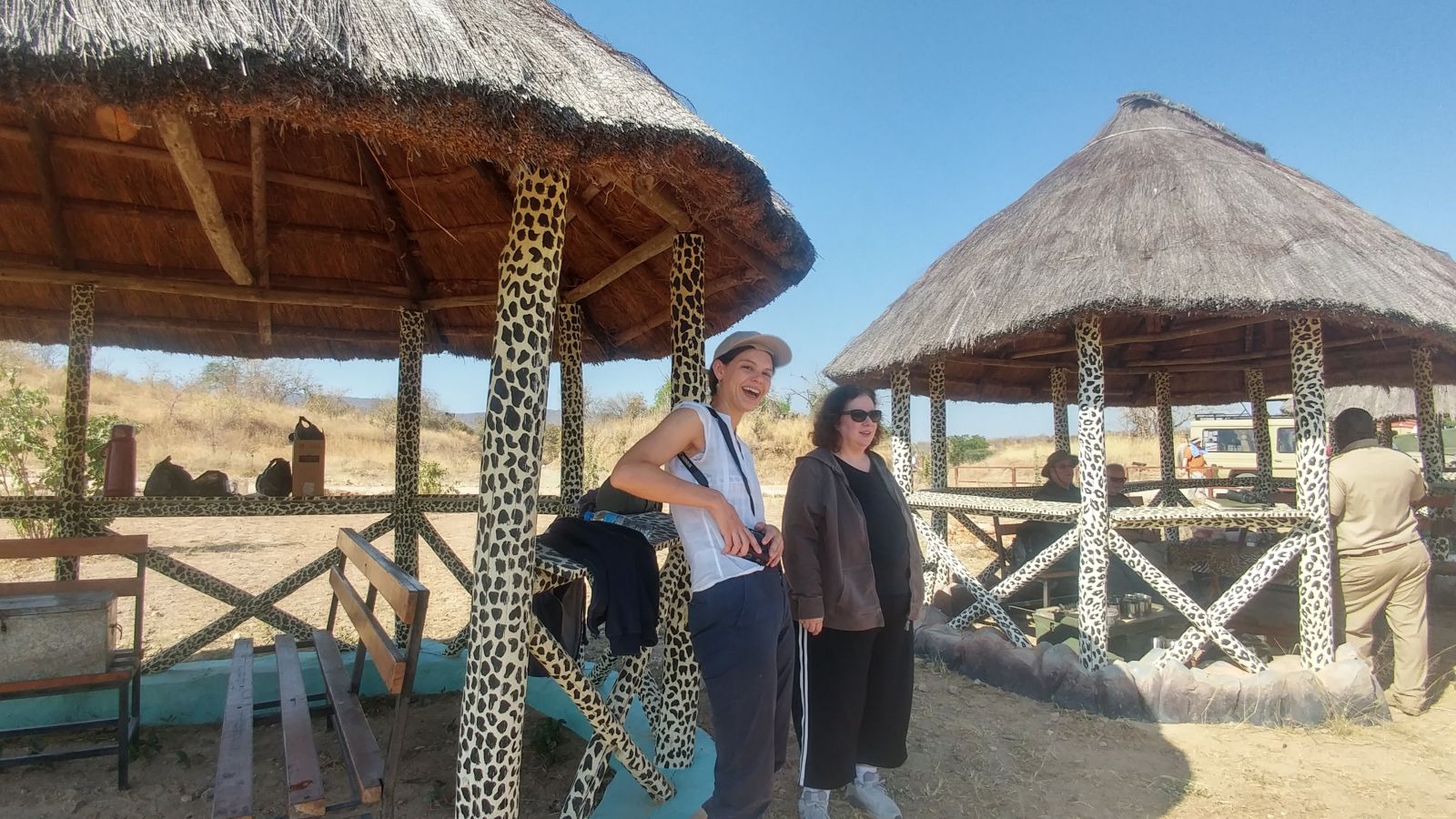
The midday gap matters more than people expect. Ruaha gets hot, and the wildlife goes quiet in the middle of the day, so camps build in a long rest over lunch when you can sleep, read, or watch the game that wanders past the tents. That downtime is part of the pleasure, not wasted time, and it is another reason a two-night stay can feel tight: with only one full day, you either skip the rest and tire yourself out, or take it and lose a chunk of your limited game time. A three-night stay lets you keep the restful pace and still see plenty, which suits families with children and older travellers especially well.
Best Time to Plan Your Ruaha Safari Days
Length and timing work together. In the dry season from June to October, when wildlife concentrates on the river, even a two or three night stay delivers strong sightings, so shorter trips punch above their weight. In the green season from November to April, game is more scattered and you may want an extra night to improve your chances, though the birding and the scenery reward the time. Whatever the season, three nights remains the reliable middle ground, with more added for depth and fewer only when Ruaha is one stop on a busy route.
Frequently Asked Questions
Is one night in Ruaha enough?
Not really. Given how long it takes to reach the park, a single night barely repays the trip in and leaves almost no room for a slow drive or a second attempt at a sighting. Two nights is the practical minimum, and three is far more satisfying. Save the one-night stopovers for parks that are quicker to reach.
How many days do you need to see the Big Five in Ruaha?
Ruaha has four of the Big Five, since there are no rhino here. Lion, elephant and buffalo are commonly seen, and leopard sightings are reliable by safari standards, so three nights gives a good chance of all four. No park guarantees any sighting, but the longer you stay, the better your odds, especially for the more elusive leopard and the wild dogs that many visitors hope for.
Does a longer stay cost much more?
Each extra night adds accommodation, park fees and often a concession fee, so a longer stay costs more in total. Park entry for a non-resident adult is currently around 30 US dollars per person for each 24 hours before 18 percent VAT, and camps charge per night, so budget accordingly. The fixed cost of flights, though, is spread thinner the longer you stay, which softens the per-day figure. Confirm current fees with TANAPA before you travel.
How many nights should I stay to see wild dogs?
Wild dogs are wide-ranging and never guaranteed, so more nights genuinely help. Four or five nights in the June to July denning season gives the best realistic chance, since it allows repeated drives around known den areas. On a two-night stay, treat a wild dog sighting as a lucky bonus rather than an expectation.
What is the ideal Ruaha and Zanzibar trip length?
Around seven to ten days works well. Three or four nights on safari in Ruaha followed by three or four on the beach in Zanzibar gives each half enough room to breathe, with the flight between them handled in a single hop. Stretch it further if you want to add another southern park before the coast.
Plan Your Ruaha Safari
Working out how many nights to give the park, and how it fits around the rest of your trip, is exactly the kind of thing worth talking through with someone who knows the ground. The safari companies and tour operators listed on this website plan Ruaha stays of every length, and they can tell you honestly whether two nights will feel rushed for your route or whether four is worth it for what you want to see.
Whether the budget is tight or open, the days get shaped around your priorities, and the flights, park bookings and camp choices are handled in the background so none of the admin lands on you. Want a proper quote, or just a steer on how long to stay? Reach out to the operators listed here, and a real person, not a bot, will get back to you.