Jongomero
Jongomero is the remote southern sector of Ruaha National Park, built around the Jongomero Sand River and reached by its own airstrip, where a single camp sits roughly seventy kilometres from its nearest neighbour. It offers the deepest solitude in an already quiet park, for travellers who value having the wilderness to themselves. Ruaha is one of Tanzania’s largest national parks, in the south-central Iringa Region, and the anchor of the country’s quieter southern safari circuit.
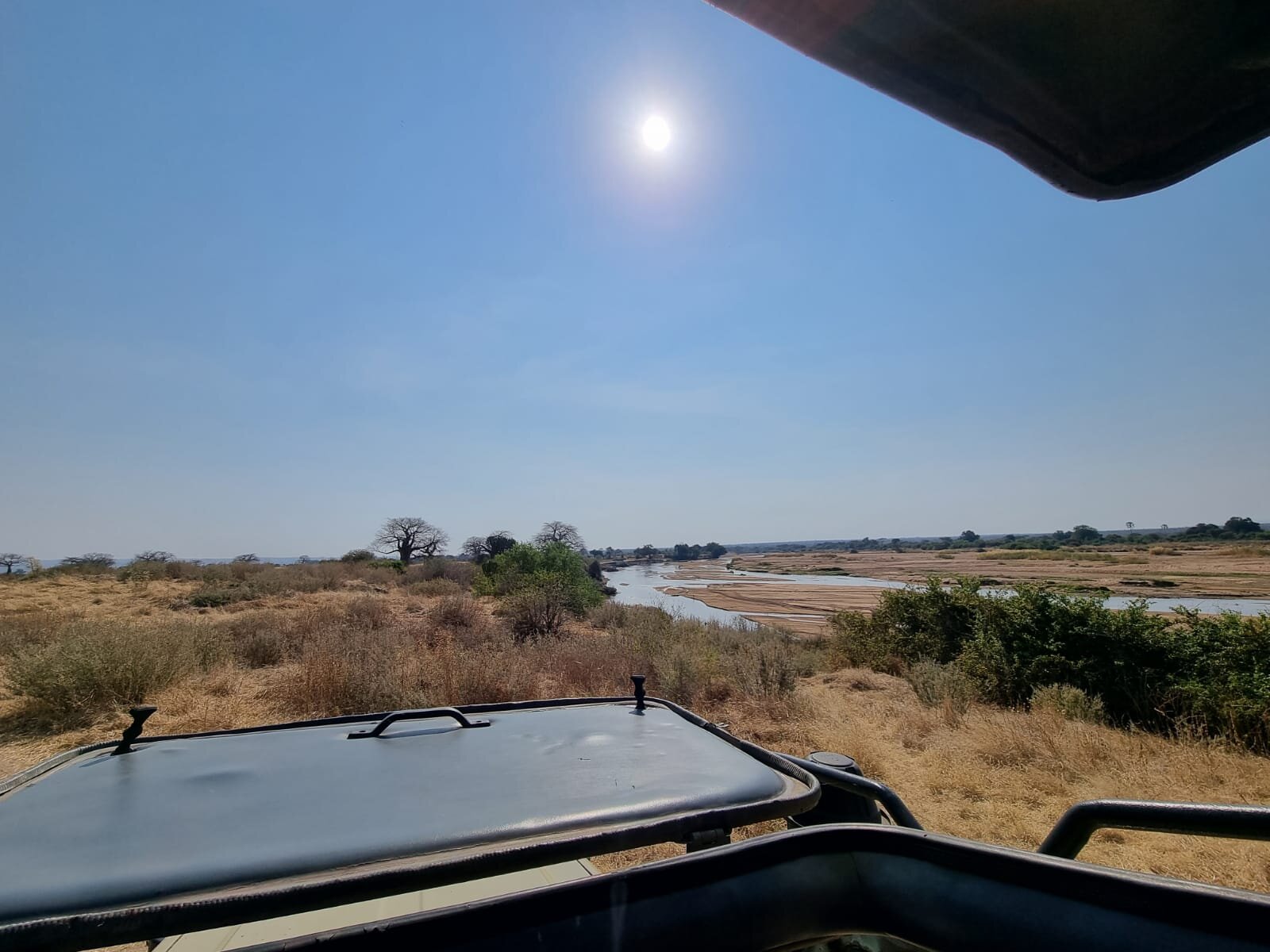
Where Jongomero Sits in the Park on Safari
Jongomero lies in the far south of Ruaha, well away from the central river country where most visitors spend their time. It takes its name from the Jongomero Sand River, another of the seasonal watercourses feeding the wider system, and the sector includes the Jongomero Ranger Post along with its own airstrip serving the area.
The distance from the rest of the park is the defining fact. While the central camps cluster within reach of each other along the Great Ruaha and the Mwagusi, Jongomero sits alone, far enough that reaching it by road from the main gate is a long undertaking few attempt. Almost everyone arrives by air, landing at the Jongomero airstrip rather than the main strip at Msembe, which sets the tone for a Ruaha safari in this sector.
The Solitude of a Jongomero Safari
Ruaha is already one of Africa’s emptiest major parks, so a sector described as its remotest corner takes that quality further still. With a single camp serving a vast area and its nearest neighbour some seventy kilometres off, the chance of meeting another vehicle on a drive here is close to nil. You are not sharing sightings or waiting your turn; the country is simply yours.
That solitude changes the character of the safari. Drives run at whatever pace suits you, a sighting can be watched for as long as you like, and the sense of being deep in untouched wilderness is complete rather than partial. For travellers who measure a safari partly by how alone they feel in it, Jongomero delivers something the central sector, quiet as it is, cannot quite match on a Ruaha safari.
The isolation has a psychological effect that guests often struggle to describe until they have felt it. Knowing that the nearest other travellers are the better part of an hour’s flight away, and that nobody else is working the same country, removes a background awareness that persists even in quiet parks. Sundowners feel genuinely remote rather than pleasantly private, and the silence out on a drive is complete. Some people find this profoundly restful and others find it slightly unnerving at first, but almost nobody finds it ordinary.
One camp, seventy kilometres to its nearest neighbour, in a park already bigger than the Serengeti. If solitude is what you came for, the southern sector is where Ruaha runs out of company altogether.
The Jongomero Sand River and Its Safari Country
The sector’s centrepiece is the Jongomero Sand River, which behaves much as the park’s other sand rivers do. For most of the year its bed is a broad expanse of pale sand carrying no surface water, with water held beneath, and it fills only during the rains. Elephants dig in it as they do elsewhere, and the open bed gives the long sightlines that make sand rivers such good game corridors.
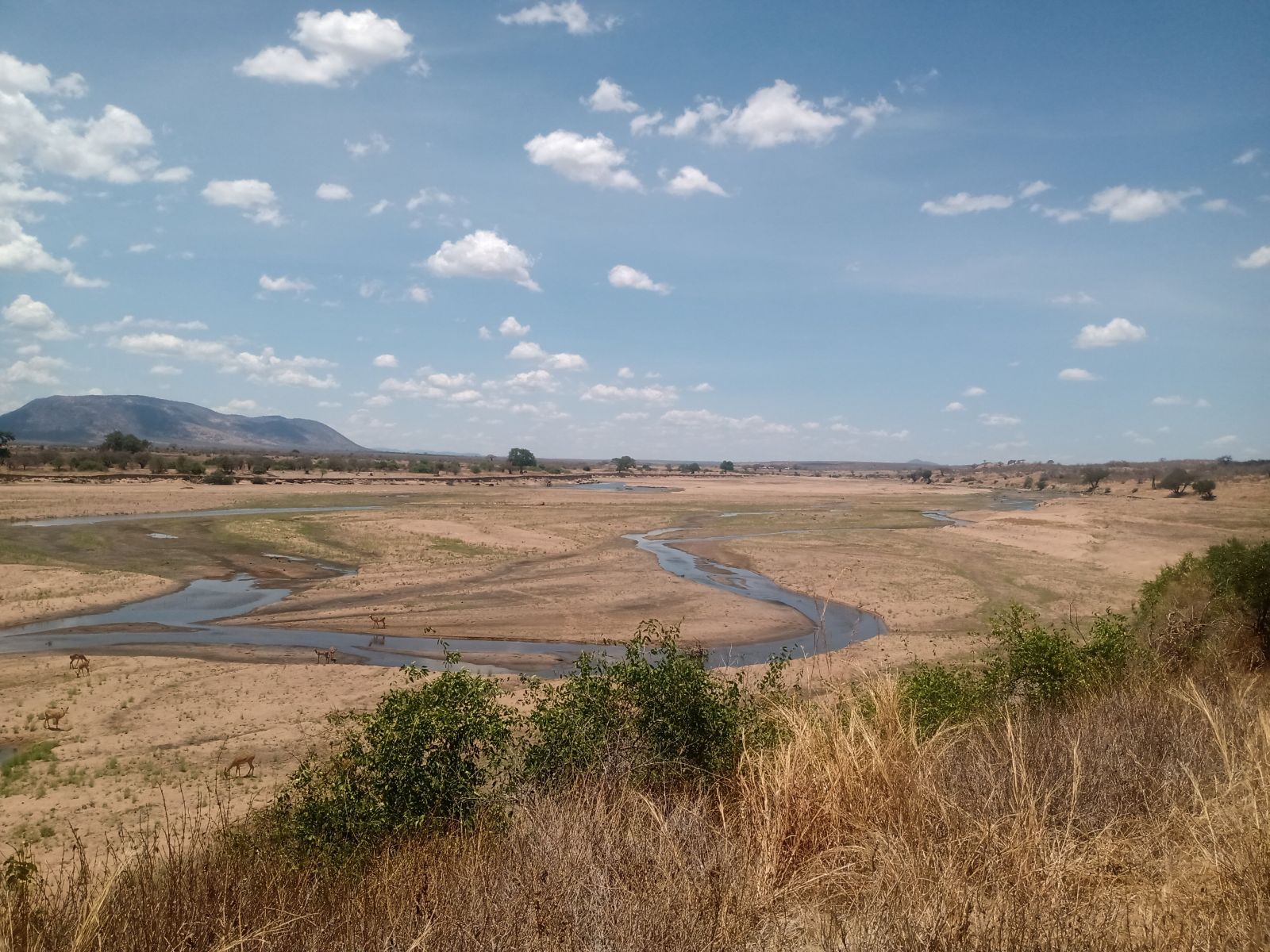
The surrounding country is a mix of woodland, open ground and the baobabs that characterise the park, with the drainage lines threading through it. Because so few vehicles work this area, the bush feels genuinely untouched, and tracks in the sand are usually the only sign of anything having passed. Exploring this quiet country is the substance of a Ruaha safari based at Jongomero.
Wildlife in the Jongomero Sector on Safari
An honest word on wildlife is worth giving here. Jongomero holds the same species mix as the rest of the park, so elephants, lions, leopards, buffalo, giraffe, kudu and the full cast are all present, and the sand river draws them as sand rivers do. Wild dogs range through the wider area.
What differs is density and predictability. The central river country, where the Great Ruaha holds permanent water and the game concentrates most heavily in the dry season, generally produces more sightings per drive than the remote south. So Jongomero trades a degree of wildlife density for solitude and wilderness feel. Travellers whose priority is the maximum number of sightings usually do better in the central sector, while those who want emptiness accept the trade gladly on a Ruaha safari.
Staying at Jongomero on a Ruaha Safari
Accommodation in the sector means a single luxury camp set beside the sand river, with tented rooms under thatch, a swimming pool for the hot afternoons, and the kind of unhurried service that suits a place with no neighbours. The remoteness is part of what you are paying for, and the camp is built around it rather than apologising for it.
Because it stands alone, the camp handles everything: the airstrip transfers, the drives, the walks and the meals, so a stay here is a self-contained experience. Some guests combine a few nights at Jongomero with time in the central river country, flying between the two, which gives both the density of the main game area and the solitude of the south. Your operator can arrange that shape of trip on a Ruaha safari.
That combination is worth considering seriously if you have the nights to spare, because the two sectors answer different wishes. Three nights in the central river country in the dry season gives you the elephant herds at the water, the big prides and the density that makes Ruaha’s reputation, while two or three at Jongomero gives the solitude and the wilderness feel. Doing both means you are not choosing between sightings and space, and the short flight between them is scenic in its own right. For a longer trip, it is the fullest way to experience the park.
Activities and Walking Safaris at Jongomero
The activities follow the usual pattern of game drives in the cool hours, but the remoteness lends itself especially well to getting out of the vehicle. Guided walking safaris with an armed ranger are a strong draw here, since walking rewards quiet, empty country, and the sand riverbed holds tracks superbly for a guide to read.
Because there is no competition for the ground, drives and walks can go where they like without regard for other vehicles, and full-day outings with a packed lunch make good sense given the space to explore. Sundowners in country this empty feel genuinely remote, and the night skies, with no light for a very long way in any direction, are among the best you will see on a Ruaha safari.
Fly-camping, where a light temporary camp is set up for a night out in the bush, also suits this sector particularly well, since the whole appeal of sleeping out is the sense of being far from anything, and here that is simply the truth rather than an impression. Where camps offer it, a night under canvas in the southern sector is about as deep into wilderness as a guest can comfortably get in Tanzania, and it pairs naturally with the walking that this quiet, empty country rewards.

Best Time to Visit Jongomero on Safari
The dry season from June to October is the time to visit, and this matters more at Jongomero than in the central sector. The sand river’s buried water draws game in as the surrounding country dries, so wildlife concentrates where the camp can reach it, and the firm ground makes driving and walking easy.
The remote southern camps are also the ones most likely to close in the wettest months, since access becomes difficult and the game disperses widely across country that is hard to work in the rain. If Jongomero appeals, check the camp’s operating season carefully when planning, because the window is narrower here than for the central camps, and build your Ruaha safari around the dry months.
Frequently Asked Questions
Where is Jongomero in Ruaha?
In the far south of the park, well away from the central river country where most visitors stay. It takes its name from the Jongomero Sand River, and the sector includes the Jongomero Ranger Post and its own airstrip. Its nearest camp neighbour is roughly seventy kilometres away, which makes it the park’s remotest corner.
How do you get to Jongomero?
Almost everyone flies, landing at the Jongomero airstrip rather than the main strip at Msembe, since reaching the sector by road from the main gate is a long undertaking few attempt. Your camp arranges the flight and meets you at the airstrip, with the transfer to camp doubling as your first game drive.
Is the wildlife as good at Jongomero as in central Ruaha?
The same species are present, but the central river country generally produces more sightings per drive, since the Great Ruaha holds permanent water and concentrates game heavily in the dry season. Jongomero trades some wildlife density for solitude and a stronger wilderness feel. Which suits you depends on whether sightings or emptiness matters more.
How many camps are at Jongomero?
The sector is served by a single luxury camp beside the sand river, with tented rooms, a swimming pool and self-contained service covering airstrip transfers, drives, walks and meals. Having only one camp across such a large area is precisely why the solitude here is so complete.
How much does a Jongomero safari cost?
Jongomero sits at the luxury end, with rates commonly starting near 900 US dollars per person per night and rising in peak season, usually including meals and activities but not park or concession fees. Flights to the Jongomero airstrip add to that, along with park entry, currently around 30 dollars per non-resident adult per 24 hours before 18 percent VAT. Confirm current prices with your operator and TANAPA before you travel.
Plan Your Ruaha Safari
Reaching the remote south takes a flight to its own airstrip and a camp booked well ahead, and combining it with the central river country needs a bit of planning to get right. The safari companies and tour operators listed on this website can arrange a stay at Jongomero, or pair it with time in the main game area so you get both solitude and density.
Whether the budget is tight or open, the flights, transfers, camp choice and park bookings are handled in the background so none of the admin lands on you. Want a proper quote, or just a steer on whether the remote south suits your trip? Reach out to the operators listed here, and a real person, not a bot, will get back to you.