Night Game Drive in Ruaha National Park
A night game drive in Ruaha National Park uses a spotlight after dark to find nocturnal animals rarely seen by day, from bushbabies and civets to hunting lions and leopards. Offered by camps licensed for it and carrying a separate fee, it opens a side of the park the daytime drives never show. Ruaha is one of Tanzania’s largest national parks, in the south-central Iringa Region, and the anchor of the country’s quieter southern safari circuit.
What a Night Game Drive in Ruaha Involves
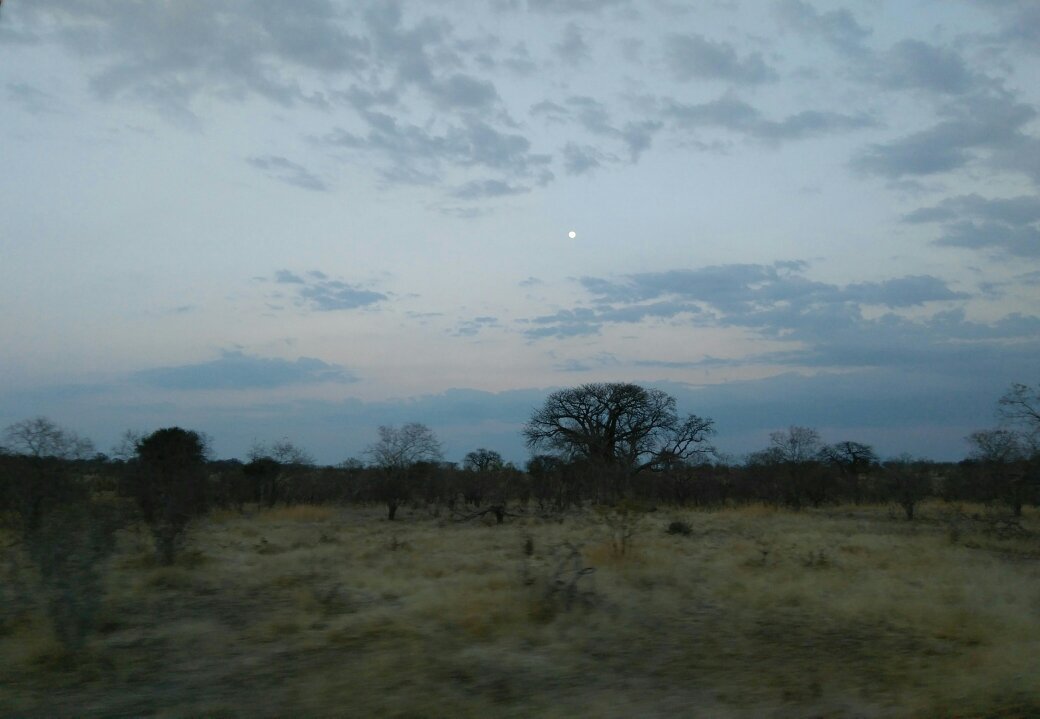
A night game drive takes you out after dark, when most visitors are back at camp, to see the park’s nocturnal side. The drive usually sets off around dusk or after dinner in an open 4×4, with a spotter working a powerful handheld light across the bush to pick up the eyeshine of animals in the dark. Your guide drives slowly and quietly, letting the spotter sweep the country, and the whole experience has a different, more mysterious feel than a daytime outing. It is a chance to find creatures that stay hidden while the sun is up, and to catch predators as they begin their night’s work.
Because night drives require a special permit, only certain camps can offer them, and the outing is typically shorter than a day drive, often an hour or two. It is an add-on to the usual rhythm rather than a replacement, and for many people it is one of the more memorable parts of a Ruaha safari, precisely because it shows a version of the park no daytime drive can.
The atmosphere is a big part of it. There is something quietly gripping about being out in the bush after dark, with the vehicle’s engine low and the spotlight the only light for miles, and the wide, star-filled sky of a remote park overhead. Sounds carry differently at night, and the calls of hyenas, owls and nightjars replace the daytime birdsong. Even when the light finds nothing dramatic, the experience of moving slowly through the dark wilderness, senses alert for the next pair of eyes to appear, is unlike anything the daytime offers. It is a reminder that the park does not switch off when the sun goes down.
Why Go on a Night Drive Safari
The reason to do a night drive is simple: a whole cast of animals only comes out after dark. Many of Africa’s most interesting smaller creatures are nocturnal, and by day you would never know they were there. A night drive safari reveals them, from the wide eyes of a bushbaby in a tree to a porcupine trundling across the track. It also catches the big predators at their most active, since lions and leopards do much of their hunting under cover of darkness. For anyone who wants to see beyond the standard daytime sightings, the night drive adds a genuinely different dimension to the trip.
Nocturnal Wildlife You Can See After Dark
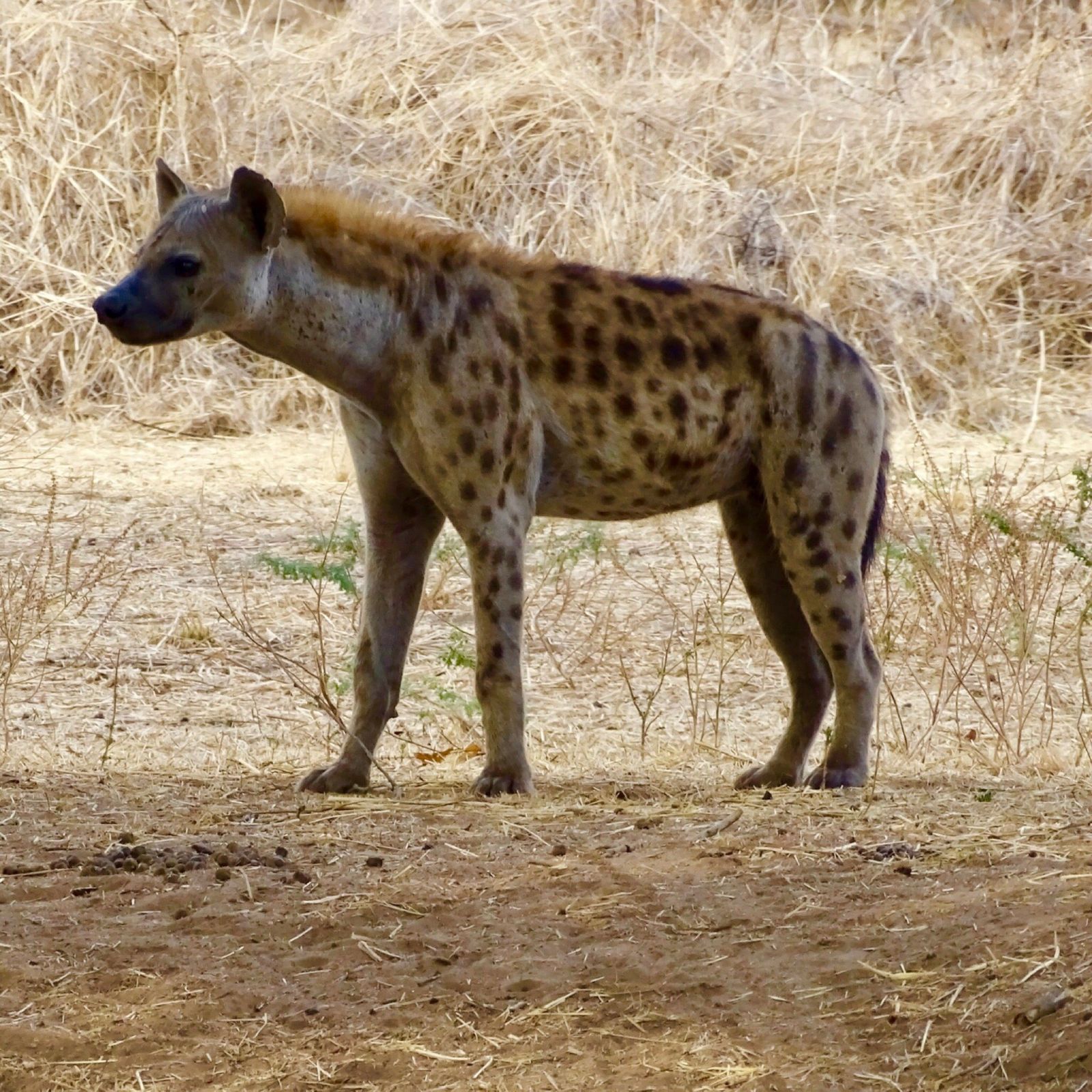
The night belongs to a different set of animals. The spotlight commonly turns up smaller nocturnal species like civets, genets, bushbabies, white-tailed mongoose, porcupines and the occasional aardvark or bat-eared fox, creatures almost never seen on a day drive. Among the predators, leopards are more likely to be active and hunting after dark, lions are often on the move, and hyenas patrol the night. Even familiar animals behave differently after sunset, and the sounds of the bush at night, the calls and rustles in the dark, add to the atmosphere. A night game drive in Ruaha is unpredictable, which is part of its appeal, since you never quite know what the light will find.
Some of the most charming sightings are the small ones. A bushbaby leaping between branches, its huge eyes glowing in the beam, or a genet picking its delicate way along a limb, are the kind of encounters that only the night offers and that guests often remember above the bigger animals. Chameleons show up well in the spotlight, their colours giving them away in a manner impossible by day. Owls and nightjars work the darkness, and the occasional aardvark or pangolin, though rare, is the sort of prize that makes a night drive special. Part of the fun is that the odds are never fixed, so each night out is its own lucky dip.
By day you see the park’s headline animals. By night, the spotlight finds the ones that were there all along, unseen: the civet, the bushbaby, the leopard slipping through the dark on the hunt.
How the Spotlight Works on a Night Drive
The spotlight is the heart of the night drive. A trained spotter sweeps a powerful beam across the bush, watching for the reflective eyeshine that animals give off in the dark, which betrays their presence long before you could otherwise see them. Once an animal is found, the light is handled carefully, often using a red filter or keeping the beam off the animal’s eyes, so as not to dazzle or disturb it. Good operators follow guidelines that keep the wildlife’s welfare first, so the sighting is respectful as well as exciting. Learning to read eyeshine and spot movement in the dark is a skill, and a good spotter makes the difference on a night drive safari.
Which Camps Offer Night Game Drives in Ruaha
Not every camp can run a night drive, since it needs a special permit, so this is worth checking when you book. Camps with the right concession or licence can take you out after dark, while others cannot offer it at all. Generally the camps positioned to run night activities, and the private concession areas, are your best bet, so if a night drive is a priority, ask your operator to place you at a camp that offers one. It is a simple thing to confirm ahead of time, and it saves disappointment, since arriving hoping for a night drive at a camp that does not run them means missing out. On a Ruaha safari, planning around this in advance is the way to guarantee the experience.
What to Bring on a Night Game Drive Safari
A night drive gets cold, so the main thing to bring is warmth. Even after a hot day, the temperature drops sharply once the sun is down, and sitting still in an open vehicle in the wind chill makes it feel colder still, so a warm jacket, a hat and long trousers are worth having. Your camp usually provides blankets and often hot water bottles for the vehicle. A camera can struggle in the dark, so keep expectations modest on photography, though some capture atmospheric shots. Insect repellent helps, since mosquitoes are active at night. Beyond that, let the spotter and guide do the work, and simply enjoy the unusual experience of a night game drive.
Night Drives and Predators Hunting
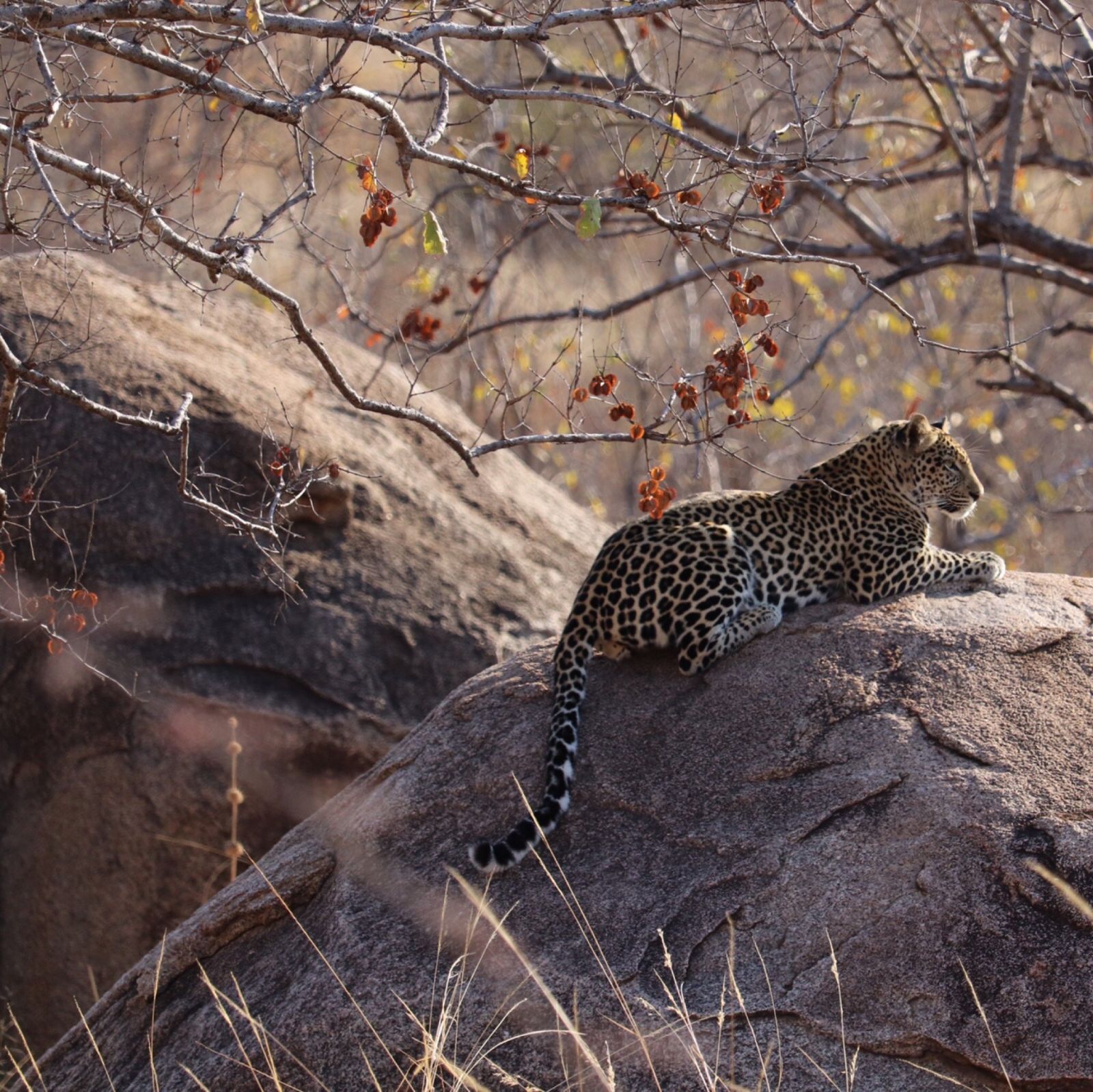
One of the biggest draws of a night drive is the chance to see predators hunting, since so much of it happens after dark. Lions, which may have dozed through the day, are often up and moving at night, and a drive might come across a pride setting out or working toward prey. Leopards, largely nocturnal, are more likely to be active, stalking through the dark. While a kill is never guaranteed and hunts unfold fast, the night is when the odds of witnessing predator behaviour are highest. Catching a big cat on the move in the spotlight is one of the most memorable things a night drive safari in Ruaha can offer.
Best Time of Year for a Night Game Drive Safari in Ruaha
Night drives run through much of the year, but the dry season from June to October is the easiest and most rewarding, with clear conditions and wildlife concentrated near the river where the spotlight can work productively. The cool, clear nights of the dry months also make for comfortable, atmospheric outings, though warm layers matter most then. In the green season from November to April, rain can interrupt night drives and some camps close, so the experience is less reliable. Whenever you visit, confirm your camp offers night drives, and dress warmly, and the after-dark outing adds a standout chapter to a Ruaha safari.
Frequently Asked Questions
What can you see on a night game drive in Ruaha?
The spotlight commonly finds nocturnal animals rarely seen by day, such as civets, genets, bushbabies, porcupines, white-tailed mongoose and the occasional aardvark, along with active predators like leopards, lions and hyenas. Many animals behave differently after dark, and the atmosphere of the night bush is a big part of the appeal.
Do all camps in Ruaha offer night drives?
No. Night drives need a special permit, so only certain camps, particularly those with the right concession or licence, can run them. If a night drive is a priority, ask your operator to place you at a camp that offers one, and confirm it before you book, since not all camps can take you out after dark.
Are night drives safe and ethical?
Yes, when run properly. Good operators handle the spotlight carefully, often with a red filter or by keeping the beam off animals’ eyes, to avoid dazzling or disturbing the wildlife, and they follow welfare guidelines. You stay in the vehicle throughout, led by an experienced guide and spotter, so a night drive is both safe for you and respectful of the animals.
Can you photograph wildlife on a night drive?
It is difficult, since the low light challenges most cameras, so keep your expectations modest. Some photographers capture atmospheric shots with the right gear and settings, but for most people the night drive is better enjoyed by watching than by trying to photograph. Bring a camera if you like, but do not count on strong images.
How much does a night game drive cost?
A night drive usually carries a separate fee on top of your accommodation, often in the region of 50 US dollars per person, reflecting the special permit and the after-dark staffing. This is separate from park entry, currently around 30 dollars per non-resident adult per 24 hours before 18 percent VAT. Confirm current fees with your camp and TANAPA before you travel.
Plan Your Ruaha Safari
Since only certain camps can run night drives, the key to enjoying one is being based at the right camp, and that is exactly the kind of detail a good operator handles. The safari companies and tour operators listed on this website know which camps offer night game drives in Ruaha, and they can build your trip around a camp that takes you out after dark.
Whether the budget is tight or open, the camp choice, drives, flights and park bookings are handled in the background so none of the admin lands on you. Want a proper quote, or just a steer on where to base yourself for a night drive? Reach out to the operators listed here, and a real person, not a bot, will get back to you.