What Should You Pack for a Ruaha Safari?
For a Ruaha safari, pack neutral-coloured layers, a warm top for cool mornings, light long-sleeved clothing for sun and insects, sturdy closed shoes, a wide-brimmed hat, high-SPF sunscreen, insect repellent, binoculars and a camera with a zoom lens. A soft duffel bag suits the light-aircraft weight limit, and antimalarial medication is important. Ruaha is one of Tanzania’s largest national parks, in the south-central Iringa Region, and the anchor of the country’s quieter southern safari circuit.
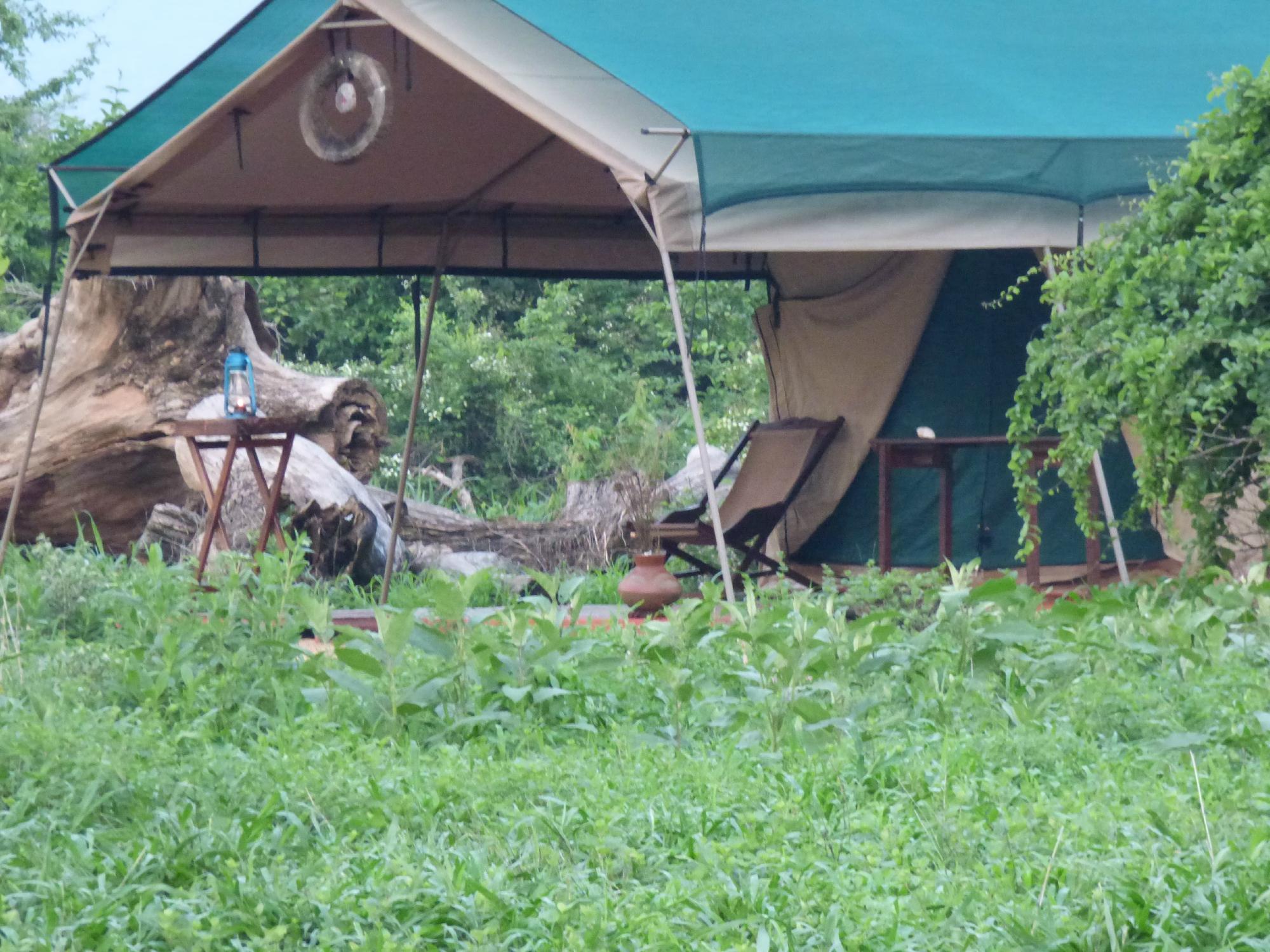
Clothing to Pack for a Ruaha Safari
Colour matters more than people expect on a Ruaha safari. Stick to neutral tones, being khaki, olive, tan, brown and soft grey, which blend into the bush and do not spook wildlife. Avoid bright colours and white, which stand out and show the dust, and steer clear of dark blue and black, since those shades are known to attract tsetse flies in the wooded parts of the park. Loose, comfortable clothing beats anything tight, both for the heat and for the long hours in a vehicle.
Think in layers rather than single heavy items. A few light long-sleeved shirts and a couple of pairs of trousers cover most days, with shorts and t-shirts for the warm middle hours around camp. Most of the camps and lodges in Ruaha offer a laundry service, so you do not need a fresh outfit for every day. Packing light is genuinely useful here, both because the light aircraft limit your luggage and because you simply do not need much on safari.
Dressing for Cool Mornings and Hot Days on Safari
Ruaha sits at a moderate altitude, which gives it a real temperature swing across the day. In the dry season, especially June and July, dawn game drives can be genuinely cold, with the open vehicle and the wind chill dropping the feel toward ten degrees. By midday the same day can climb into the high twenties or thirties. That range is why layering is the sensible approach.
For the early start, bring a warm fleece or jacket, a hat that covers the ears and maybe a light scarf or buff, then peel them off as the sun climbs. A blanket is often provided in the vehicle for the coldest mornings, but your own warm top is worth its space. In the green season the mornings are milder, so you can pack lighter on the warm layers, but a light jacket still earns its place for the odd cool, wet start.
Clothing. Neutral-coloured long-sleeved shirts and trousers, a few t-shirts and shorts for camp, a warm fleece or jacket for cool mornings, and a light rain layer in the green season.
Sun and insects. Wide-brimmed hat, sunglasses, high-SPF sunscreen, lip balm and a good insect repellent. Long sleeves and trousers at dusk help against mosquitoes.
Footwear. Sturdy closed walking shoes or light boots for walking safaris, plus comfortable sandals or trainers for around camp.
Gear. Binoculars, a camera with a zoom lens, spare batteries and memory cards, a dust cover for the camera, a power bank and a headtorch.
Health. Antimalarial medication, any personal medicines, a small first-aid kit, hand sanitiser and rehydration salts.
Documents. Passport, visa, travel insurance details, and a yellow fever certificate if you are arriving from a risk country.
Sun and Insect Protection for Your Ruaha Safari
The sun is strong here, and the open vehicles offer little shade, so sun protection is not optional. A wide-brimmed hat, good sunglasses and a high-SPF sunscreen you reapply through the day are the basics, along with lip balm, since the dry air chaps lips fast. Cover up with light long sleeves rather than relying on cream alone, which is kinder to your skin over several days in the sun.
Insects are the other thing to plan for. Mosquitoes carry malaria in the region, and they are most active at dusk and after dark, so long sleeves and trousers in the evening plus a repellent with a decent concentration of active ingredient make a real difference. In the wooded parts of the park, tsetse flies can be a nuisance in the day, which is where avoiding dark blue and black clothing helps. A repellent and a bit of patience handle them, and camps are used to helping guests stay comfortable.
Footwear for Game Drives and Walking Safaris
You do not need heavy hiking boots for a standard Ruaha trip, but you do want sensible closed shoes. For game drives, comfortable trainers or light walking shoes are plenty, since you spend most of the time seated. If you plan a walking safari, which Ruaha does very well, bring sturdier closed walking shoes or light boots with a bit of ankle support and a sole that grips, since the ground can be uneven and you will cover real distance on foot. Around camp, sandals or slip-ons let your feet breathe in the heat. Break in any new footwear before the trip so blisters do not spoil a walk.
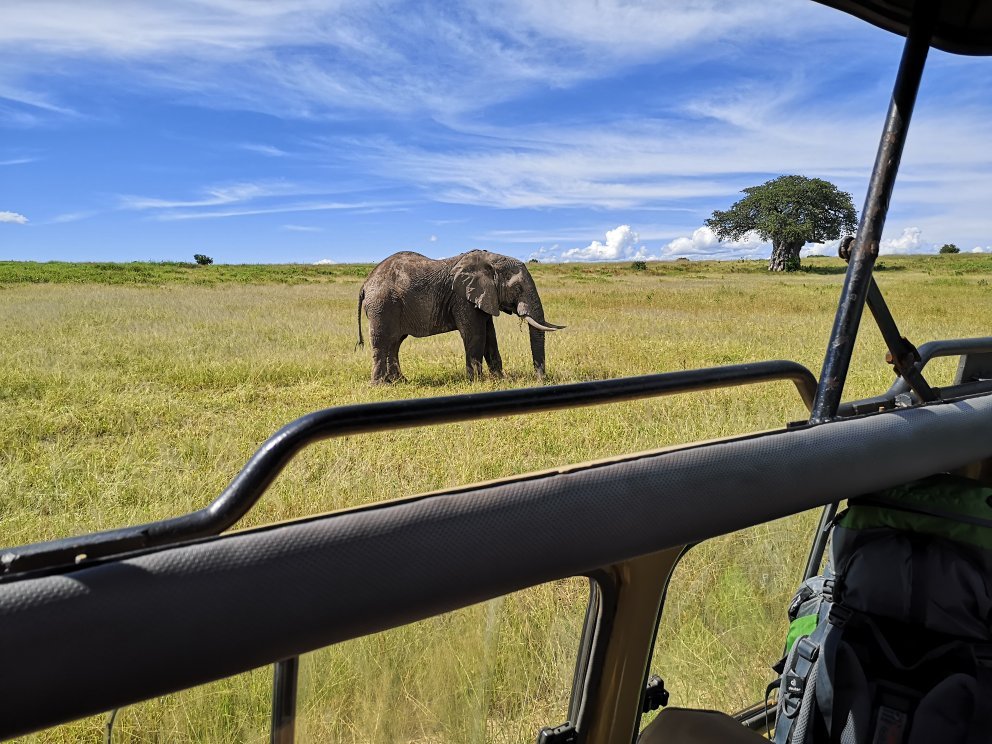
Camera and Binocular Kit for a Ruaha Safari
Ruaha rewards good optics. A decent pair of binoculars transforms the experience, letting you pick out a leopard in a distant tree or follow a bird along the river, and it is the one item seasoned safari-goers never leave behind. For photography, a camera with a zoom or telephoto lens gets you far closer to the wildlife than a phone can, and the park’s baobabs, river country and big skies reward a wide lens too.
Dust is the enemy of camera gear in the dry season, so bring a cover or a sealable bag and a cloth to keep lenses clean. Pack spare batteries and plenty of memory, since charging can be limited at some camps, and a power bank helps keep phones and small devices topped up. A beanbag or a soft support steadies a long lens on the vehicle far better than trying to hand-hold it over rough ground.
Charging is not a given at every camp. Some run on solar or generator power with set hours, and a few have no in-tent sockets. Bring a power bank, charge everything during the midday rest, and do not count on drying a drained camera battery overnight.
Health and Malaria Items to Pack for Ruaha
Ruaha lies in a malaria area, so speak to a travel clinic well before you go about antimalarial medication and any vaccinations, and bring enough of your prescribed course for the whole trip plus a buffer. A small personal first-aid kit is worth packing, with plasters, painkillers, any regular medicines, rehydration salts for the heat, and something for an upset stomach. Hand sanitiser and wet wipes are handy in the bush where washing facilities are limited.
None of this is cause for anxiety. A safari to Ruaha is a well-trodden trip, and camps are equipped to help with the everyday scrapes and grumbles. The point is simply to arrive prepared, since the park is remote and a pharmacy is a long way off, so the small kit you bring is the kit you have. Sort the medical side with a professional before you travel and you can relax into the trip.
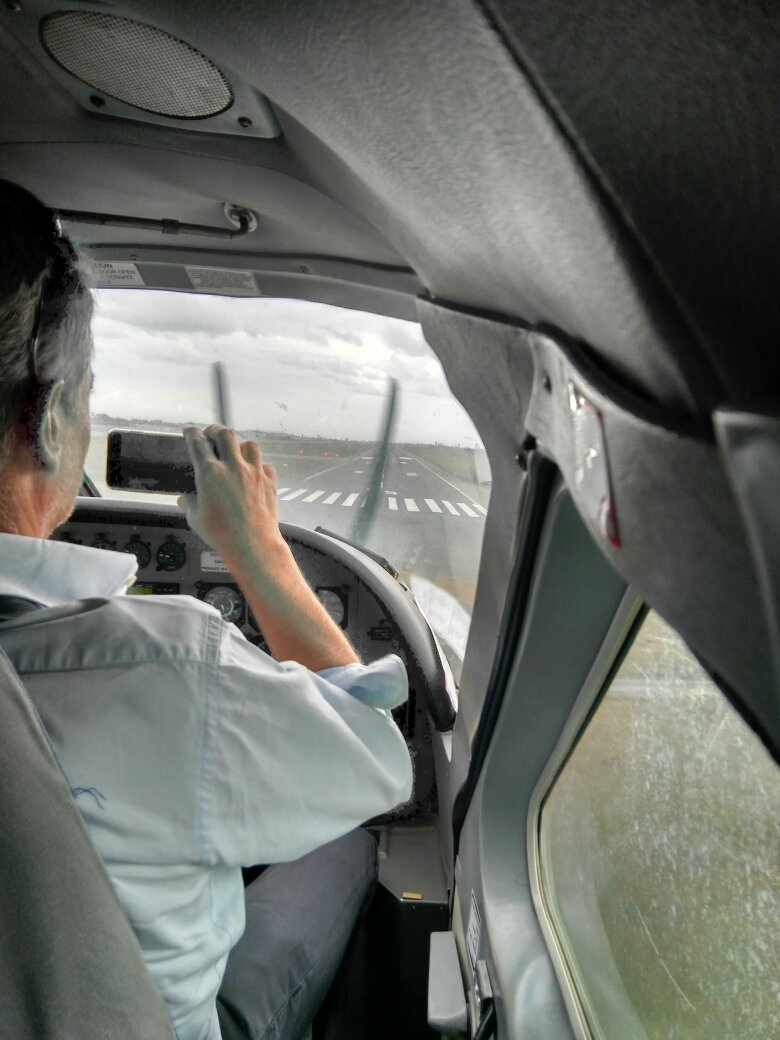
Luggage and Bag Choice for a Fly-In Safari
If you are flying in, and most visitors are, your bag choice is dictated by the aircraft. Light planes on these routes hold you to a strict weight limit, commonly around 15 kilograms, and they want a soft duffel or holdall rather than a hard case, since soft bags pack into the small hold far more easily. Weigh your bag before you leave and pare it down, because excess or the wrong shape can genuinely be a problem at the airstrip.
Pack a small daypack for the vehicle to hold your camera, binoculars, sunscreen, water and a warm layer, so you have what you need to hand on a drive. If you are on a longer trip with a city or beach leg, many people leave a larger case in Dar es Salaam or Zanzibar and take only the soft bag into the park, which sidesteps the weight limit neatly.
What to Pack by Season for a Ruaha Safari
The season shifts the emphasis. For a dry-season trip from June to October, load up on warm layers for the cold early drives, since the mornings are the coldest part of a Ruaha visit, and expect plenty of dust, so pack accordingly for your gear and clothing. For a green-season trip from November to April, swap some of the warm kit for a light rain jacket and quick-drying clothes, since afternoon storms are likely, and bring stronger insect protection, as mosquitoes are more active in the wetter months. Sun protection, neutral colours and good optics stay constant whenever you visit.
Frequently Asked Questions
What colours should you wear on a Ruaha safari?
Stick to neutral tones like khaki, olive, tan, brown and grey, which blend into the bush. Avoid bright colours and white, which stand out and show dust, and skip dark blue and black, since those shades attract tsetse flies in the wooded areas. Muted, natural colours are both practical and kinder on your camera’s exposure.
Do I need special shoes for Ruaha?
Not for standard game drives, where comfortable trainers or light walking shoes are fine. If you plan a walking safari, bring sturdier closed shoes or light boots with good grip and some ankle support, since the ground is uneven and you cover real distance on foot. Add sandals for around camp, and break in any new footwear before you travel.
How much luggage can I bring on a fly-in safari?
Light aircraft on the Ruaha routes usually limit you to around 15 kilograms in a soft duffel or holdall rather than a hard case, though the exact allowance varies by carrier, so check yours. Weigh your bag before you leave, pack light, and consider leaving a larger case in Dar es Salaam or Zanzibar if your trip includes a city or beach leg.
Do I need malaria tablets for Ruaha?
Ruaha is in a malaria area, so speak to a travel clinic before your trip about antimalarial medication and any recommended vaccinations. Bring your full prescribed course plus a little extra, along with insect repellent and cover-up clothing for dusk. The park is remote, so arrive with everything you need rather than expecting to buy it locally.
Can I hire or buy safari gear near Ruaha?
Options are very limited given how remote the park is, so plan to bring what you need rather than shop for it locally. Some items like binoculars may be available to borrow at certain camps, but do not count on it. Sort your clothing, footwear, optics and medical kit before you travel, and confirm with your operator what your camp provides, since some supply blankets, water bottles and similar.
Plan Your Ruaha Safari
Getting the packing right is easier once you know how you are travelling and which camp you are staying in, and that is where a bit of local advice helps. The safari companies and tour operators listed on this website plan Ruaha trips through every season, and they can tell you exactly what to bring for your dates, your camp and your flights, from the weight limit on the plane to whether you will need warm layers for the mornings.
Whether the budget is tight or open, the flights, park bookings and camp choices are handled in the background so none of the admin lands on you. Want a proper quote, or just a steer on what to pack? Reach out to the operators listed here, and a real person, not a bot, will get back to you.