3 Day Ruaha Fly-In Safari
Destinations: Tanzania, Ruaha National Park
This short fly-in trip drops you straight into Ruaha, the largest national park in Tanzania at over 20,000 square kilometres and keeps the driving to almost nothing. You fly in from Dar es Salaam or from the northern parks, land at Msembe airstrip, and are on a game drive within the hour. Two nights on the Great Ruaha River give you the park’s dry-country game viewing, big lion prides, elephant on the sand rivers, and the tall baobabs that make Ruaha look like nowhere else on the southern circuit.
Day By Day
Day 1 Fly In And Afternoon Game Drive
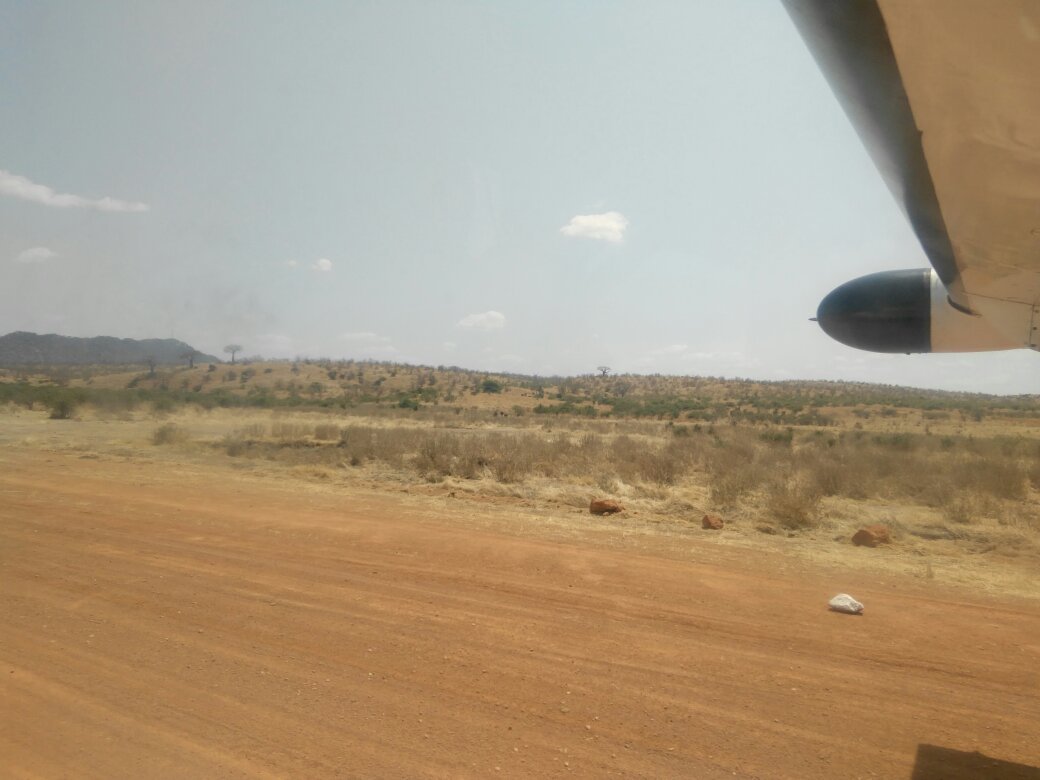
Your light aircraft lifts off from Dar es Salaam or Julius Nyerere airport and turns inland over the Southern Highlands. The flight runs roughly two hours and the last stretch crosses miombo woodland before the Great Ruaha River shows up as a silver line below. You land on the gravel at Msembe, where your guide meets you at the strip.
Rather than drive straight to camp, most operators run the transfer as your first game drive. The ground near the river holds elephant through the dry months, and the acacia flats are good for giraffe and impala. Ruaha carries roughly ten percent of the world’s remaining lions and prides here can run to twenty animals, so the guide works the riverbanks slowly as the light drops. You reach camp for dinner under the baobabs, with hippo grunting on the water below.
Day 2 Full Day On The Great Ruaha River
A full day in the park, out early with a packed breakfast. Mornings are cool and the predators are still moving, so this is the window for lion on a kill and for the wild dogs that den in Ruaha some years. The park holds one of the largest African wild dog populations left on the continent, and a pack on the hunt is the sighting most guests hope for.
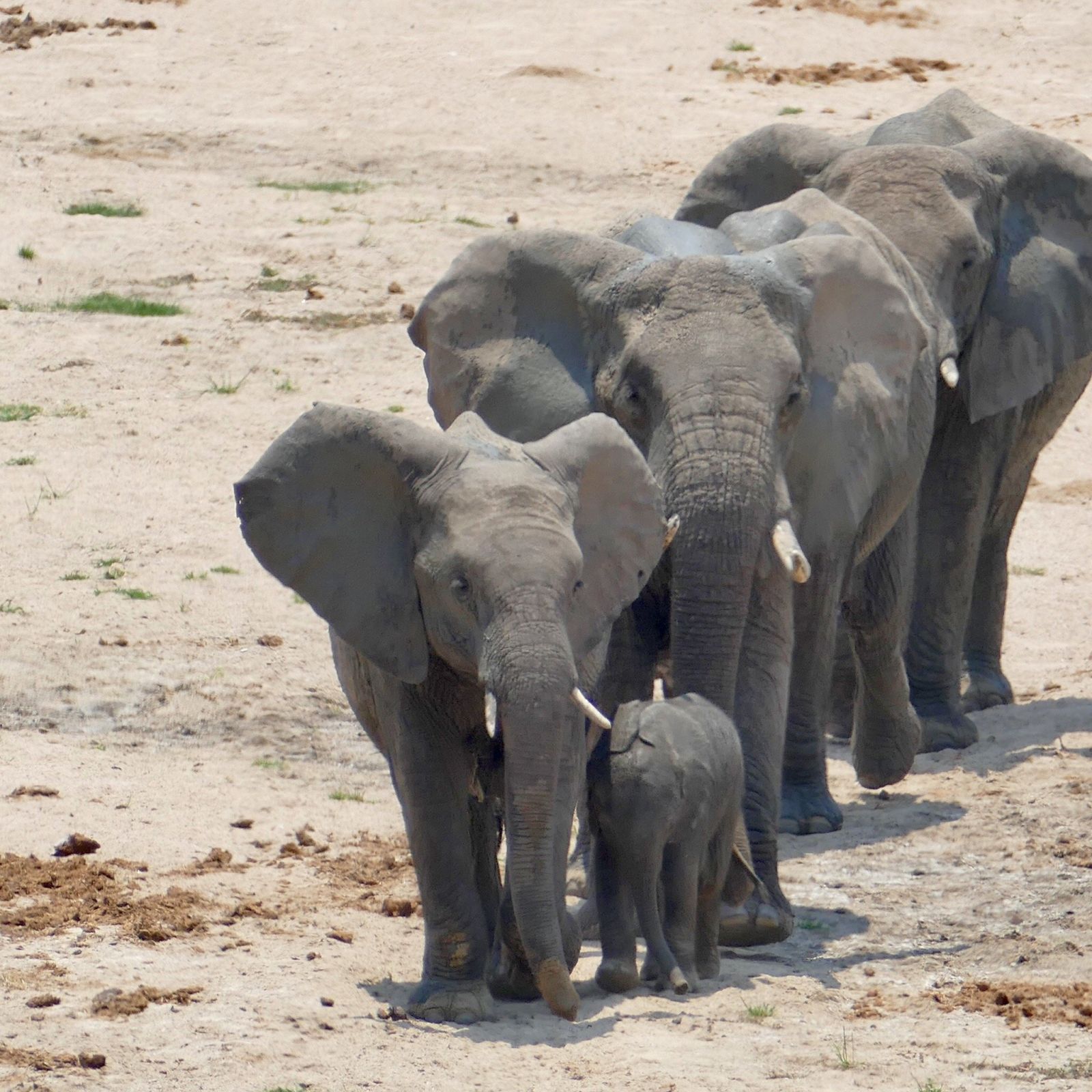
The Great Ruaha River is the day’s anchor. In the dry season it shrinks to pools, and every animal in the area comes down to drink, elephant from a greater ecosystem of around 12,000 buffalo in long lines, and the kudu and sable that Ruaha does better than the northern parks. Midday you rest in the shade while the heat sits heavy, then head out again for the afternoon. Ruaha’s birdlife is strong too, with more than 570 species recorded so the guide keeps an eye on the river fringe for fish eagles and bee-eaters.
Day 3 Morning Drive And Fly Out
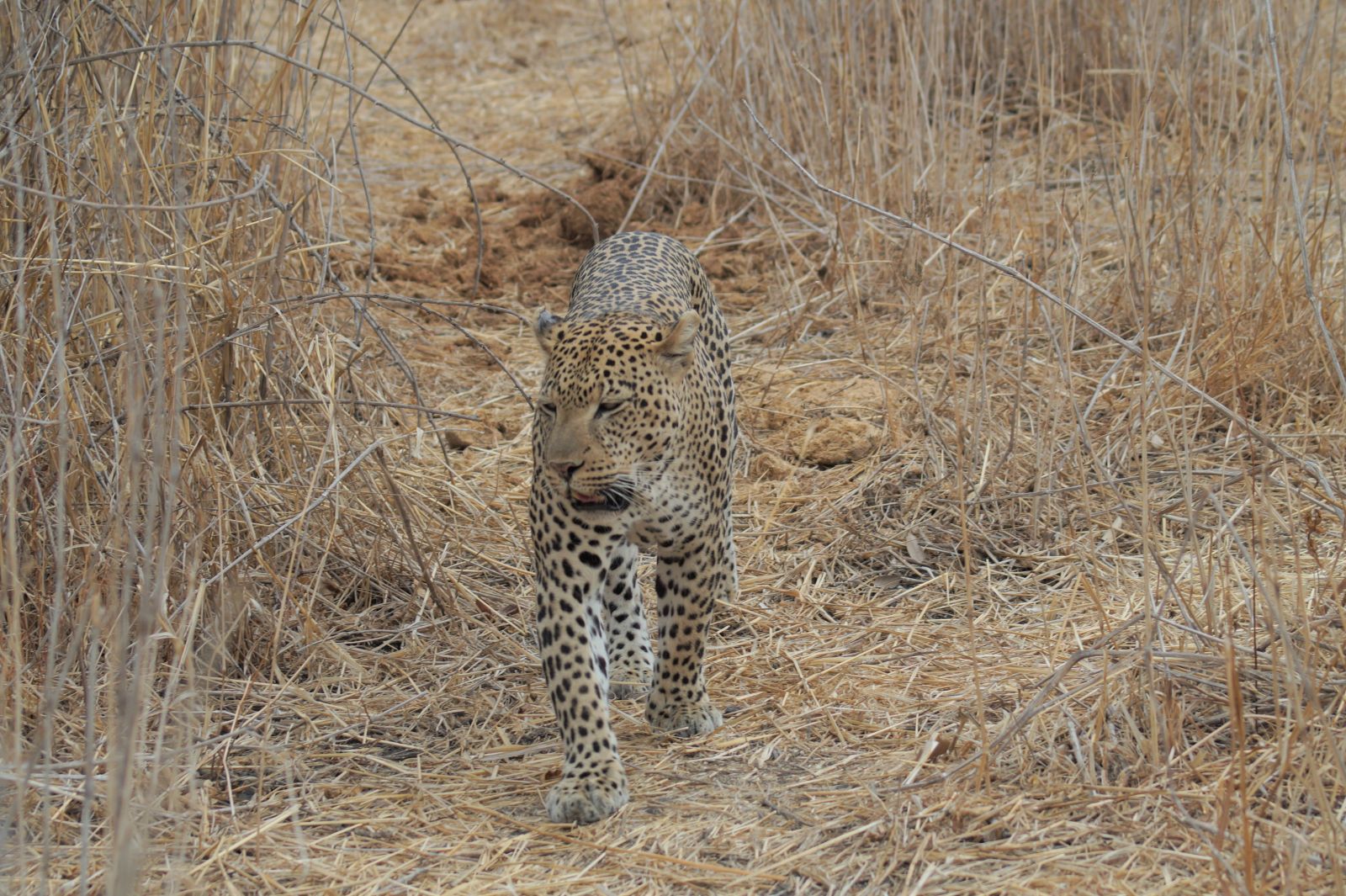
One more drive before you leave, and often the best of the trip. The air is cold at first light and the animals are active, so you are out at dawn with coffee in the vehicle. This is the time to fill any gaps from the day before, a leopard draped in a sausage tree, a cheetah on a termite mound, the big male lions the guide has been tracking.
You work your way back toward Msembe as the morning warms, watching the sand rivers where elephant dig for water with their trunks. Back at the strip you say goodbye to the guide and board your flight out, connecting in Dar es Salaam for the coast, Zanzibar or an onward international flight. Two nights is short, but because you fly in and out you spend your time in the park itself rather than on the long road from the highlands.
What’s Included
- Return light-aircraft flights (Dar es Salaam or Iringa to Ruaha)
- Two nights full-board accommodation in Ruaha
- Shared game drives in an open safari vehicle with a guide
- Ruaha park entry fees for the days shown
- Airstrip transfers, drinking water in the vehicle
What’s Not Included
- International and domestic flights to your start city
- Tanzania visa, travel insurance
- Drinks, tips for the guide and camp staff
- Anything personal, and activities not listed above
Why Is This Tanzania Safari a Good Option?
Ruaha is the park people mean when they talk about southern Tanzania being wild. It is the biggest park in the country and sees a fraction of the vehicles the Serengeti does, so a sighting here is usually yours alone. The cats are the draw. With a tenth of the world’s lions across the wider region and prides of twenty or more, plus healthy leopard and one of Africa’s better chances at wild dog, this is big-cat country first and foremost. Flying in is what makes three days work, you skip the ten-hour drive from Dar and put your short time on game drives instead. The baobab country, the sand rivers full of elephant, the kudu and sable you rarely see up north: it adds up to a park that feels a long way from anywhere, reached in a morning’s flight. For a first taste of the south, or a wildlife add-on before the beach, two nights on the Great Ruaha River earns its place.
Is a 3 Day Tanzania Safari Worth It?
Two nights is a taste, not a deep read of the park, and it is worth being honest about that. You will see the core of Ruaha, the river, the baobab flats, the main pride territories, and on a good run you can tick lion, elephant, giraffe, buffalo and a spread of antelope inside two days. What three days does not give you is the park’s size. Ruaha is over 20,000 square kilometres and the remote southern sector around Jongomero, or the escarpment country in the north, needs more nights and more driving to reach. Wild dogs and cheetah are chance sightings that reward extra time. If Ruaha is your only stop, three nights or four lets the park open up. If it is one piece of a longer trip, paired with Nyerere, or with the beach, then this short fly-in is a clean, efficient way to fit it in without losing days to the road.
How Much Do You Need for This Tanzania Safari?
What you pay for Ruaha turns mostly on the flights and the camp. The light-aircraft legs are the fixed cost, figure around USD 400 to 600 per person for the return hop, and on top of that Ruaha’s park fee, about USD 35 per adult per day, which is the USD 30 gate rate for a non-resident adult with 18% VAT added on top. Treat that as indicative rather than a quote, since TANAPA sets the rate and reviews it each fiscal year. Accommodation is the big lever: simple tented camps sit at the lower end, while the well-known river and escarpment camps like Mwagusi, Kwihala and Ikuka run higher. As a guide, most three-day fly-in trips land somewhere from around USD 1,600 to 3,500 per person sharing, depending on season and camp level, with the June to October high season the priciest and the green months cheaper. Group size helps, a private vehicle shared between four brings the per-person cost down. Tell an operator your dates and the camp style you want and they can quote it exactly.
Before You Commit to Three Days
A short trip leaves no slack, so the timing matters more than usual. Read Best Time to Visit Ruaha National Park and How Many Days Should You Spend in Ruaha National Park? before you fix dates, and How Do Fly-In Safaris to Ruaha Work? for how the light-aircraft legs are actually scheduled.
If the flights push this out of budget, the 4 Day Ruaha Safari From Iringa covers similar ground by road, and the 8 Day Ruaha And Zanzibar Beach Safari keeps this Ruaha core and adds the coast. The Ruaha National Park: Complete Safari Guide covers the park itself in full.
This site is an independent visitor guide and does not take bookings. Once the shape of the trip is clear, send it to one of the operators who run Ruaha safaris, or start with the enquiry form on the homepage.