4 Day Ruaha Safari From Iringa
Destinations: Tanzania, Iringa town and Ruaha National Park
This is the road version of a Ruaha trip, for travellers who would rather drive in than fly and who want a night in the Southern Highlands on the way. You start in Iringa a cool hill town at around 1,600 metres, then drive down into the heat of the Great Ruaha valley for three nights in the park. Four days gives Ruaha room to breathe, two full days of game drives in Tanzania’s largest park with the sand rivers, the baobabs and the big lion prides that make the long drive worth it.
Day By Day
Day 1 Arrival In Iringa
Whichever way you reach Iringa, the road up from Dar es Salaam, or a short flight to the regional strip, the town makes a good soft landing before the park. It sits high on a rocky plateau, the air is cool after the coast, and the old German-built streets and the Tuesday market are worth an hour on foot. Your guide meets you and runs through the plan for the days ahead.
If time allows the day includes a stop at the Isimila Stone Age site just outside town, where eroded sandstone pillars stand in a dry gully and stone tools dating back tens of thousands of years have been found. It is a quiet, strange place and a reminder that people have lived in this valley a very long time. You overnight in Iringa, with a proper bed and a cool night’s sleep before the drive down to Ruaha in the morning.
Day 2 Drive To Ruaha And Afternoon Drive
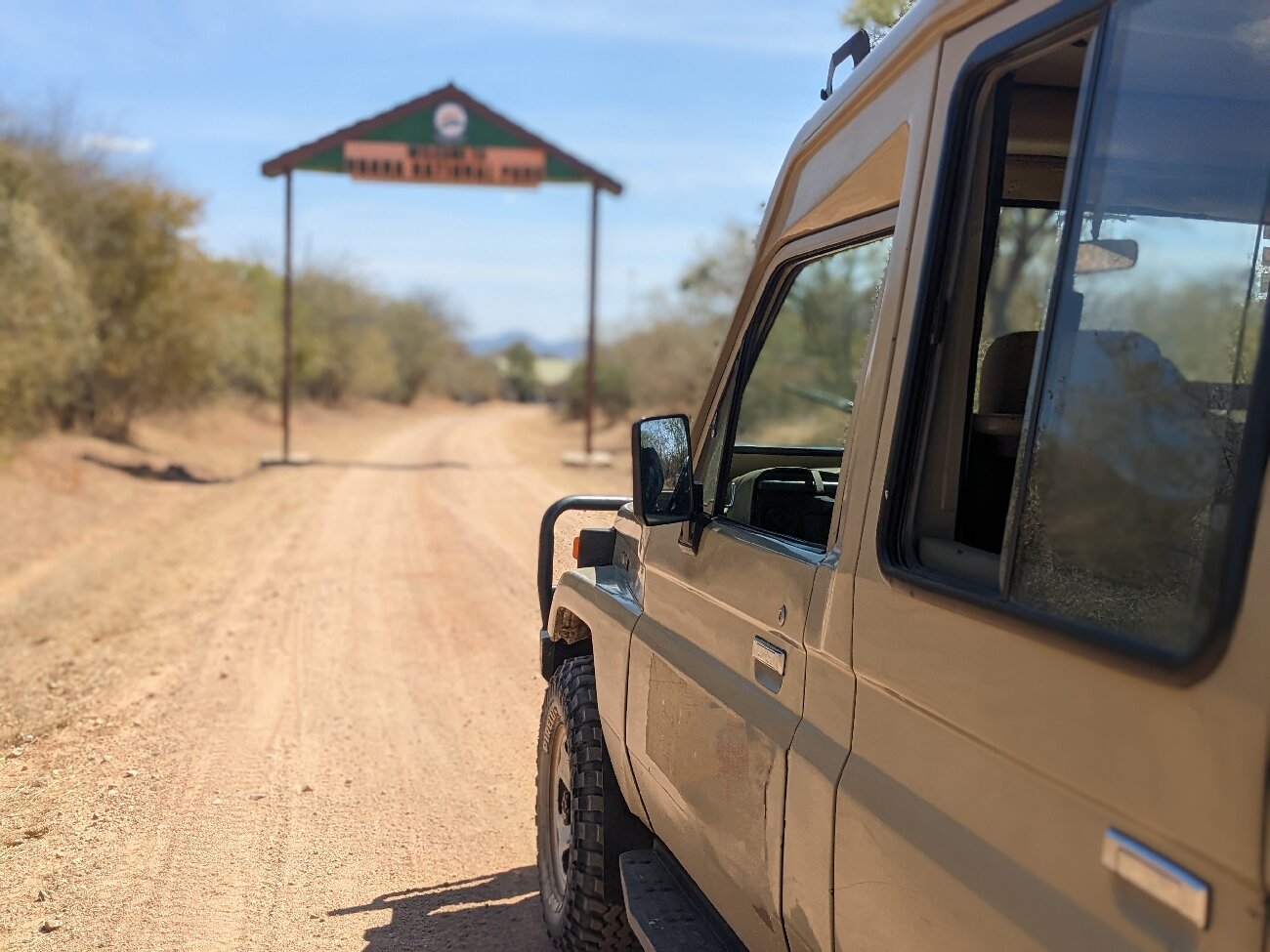
After breakfast you drive southwest toward the park. The tar gives way to red murram, the highlands drop away, and the temperature climbs as you come down into the Great Ruaha valley. The gate at Tungamalenga is roughly two hours from Iringa and the country has changed completely by the time you reach it, baobabs, acacia and open grassland instead of pine and farm.
You clear the park gate and the transfer to camp becomes your first game drive. The road follows the river, and even on this first afternoon you should start seeing Ruaha’s signatures: elephant on the banks, impala and giraffe in the acacia, and if you are lucky the first lions. Ruaha holds around ten percent of the world’s lions and the prides here are large. You reach camp in time to settle in before an evening drink looking over the river, hippo calling in the dark below.
Day 3 Full Day In Ruaha
Your one full day in the park, and the reason you came. Out at dawn with breakfast packed, you have the whole day to range along the Great Ruaha River and the sand rivers that feed it. Morning is prime time for predators, lion still out from the night, leopard heading for cover, and the wild dogs that make Ruaha one of the best places in Africa to see them.
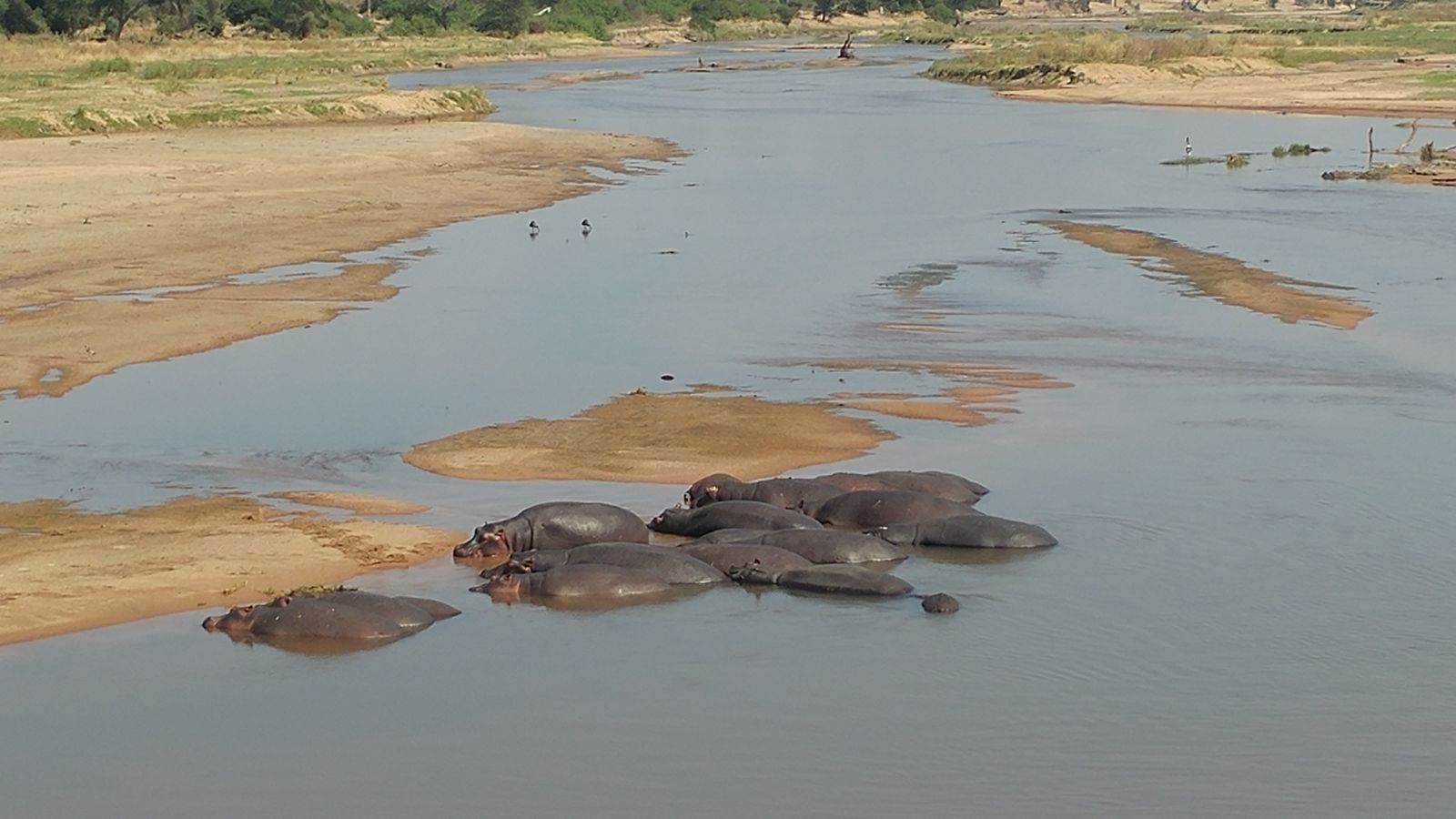
The dry-season river is the stage. As the water shrinks to pools, elephant come down in numbers from a greater ecosystem of around 12,000 buffalo herds churn the mud, and kudu and sable, antelope Ruaha does better than the northern parks, pick their way to drink. You break in the heat of midday, then head out again as it cools. With more than 570 bird species recorded, the river fringe stays busy even when the mammals rest. Back at camp after dark, dinner is under the stars.
Day 4 Morning Drive And Return To Iringa
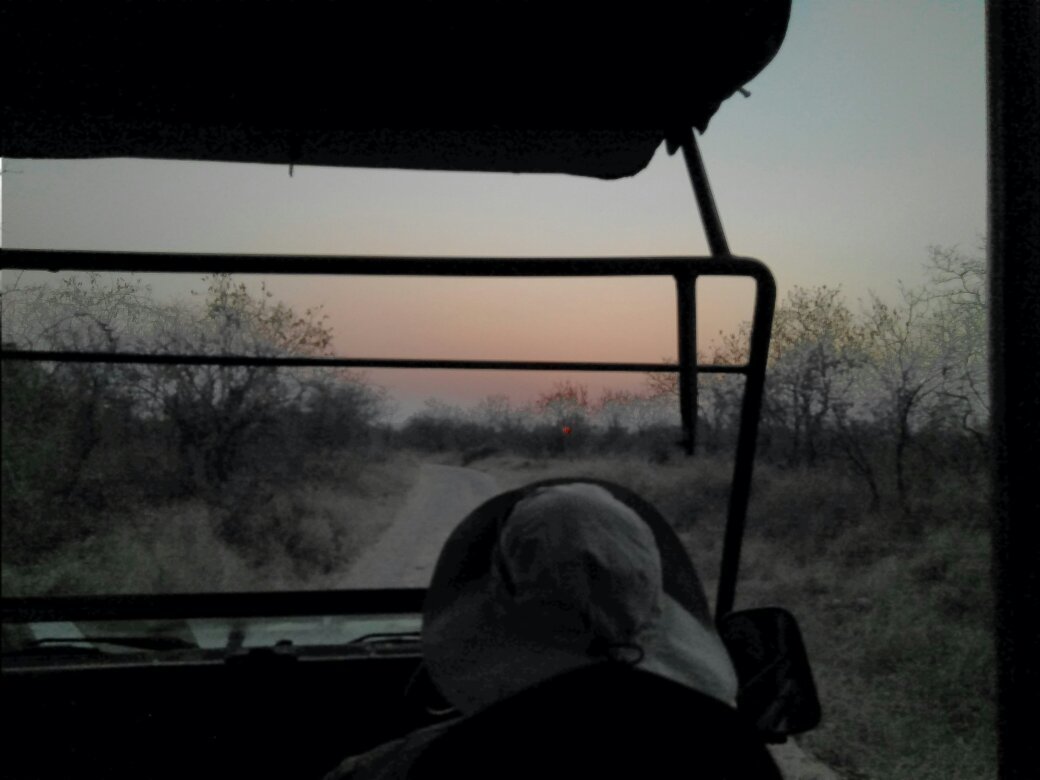
A last morning drive before the road home. The early cold has the animals moving, so you are out at first light to make the most of it, a final look for the cats, the elephant on the sand rivers, the rollers and hornbills in the early sun. You come back for a late breakfast and pack up.
The drive back up to Iringa retraces the murram road, the highlands rising cool ahead of you as the valley heat falls away. From Iringa you connect onward, the road or a flight to Dar es Salaam, and from there the coast, Zanzibar or home. Four days with one night in the highlands and three in the park is an honest, good-value way to do Ruaha without the cost of flying, and the drive itself, down out of the hills into the baobab country, is part of the trip rather than a chore.
What’s Included
- All road transport in a safari vehicle from Iringa
- One night in Iringa and two nights in Ruaha, full board in the park
- Game drives in an open vehicle with a guide
- Ruaha park entry fees for the days shown
- Drinking water in the vehicle
What’s Not Included
- Flights to and from Iringa or Dar es Salaam
- Tanzania visa, travel insurance
- Drinks, tips, items of a personal nature
- The Isimila site fee if visited
What Are the Reasons to Choose This Tanzania Safari?
Not everyone wants to fly, and this trip is for them. Driving in from Iringa gives you the Southern Highlands as a bonus, a cool hill town, the strange stone pillars at Isimila, and the long descent into the Great Ruaha valley where the country changes in front of you. It is also easier on the budget than a fly-in, since you trade the light-aircraft cost for a few hours on the road. Then there is the park itself. Ruaha is the largest in Tanzania and one of the quietest, a place where a big lion pride on a kill is often yours to watch alone. Two full days of drives is enough to get under its skin, the sand rivers thick with elephant, the baobab ridges, the kudu and sable, and a real shot at wild dog. For a traveller who likes the getting-there to count for something, and who wants time in the park rather than a quick in-and-out, four days from Iringa hits the mark.
What Can You See on a 4 Day Tanzania Safari?
Four days, three of them in or beside the park, is a comfortable short Ruaha trip. You get two full days of game drives, which is enough to work the main river sectors and give the cats a couple of chances rather than one. It suits a traveller who wants the drive-in scenery and a settled few nights in one camp over a rushed dash. What it does not do is reach Ruaha’s far corners. The park is over 20,000 square kilometres and the remote south around Jongomero or the northern escarpment sit beyond a day trip from the river camps. If your heart is set on wild dog or cheetah, more nights raise your odds. And if you have come all this way, pairing Ruaha with Nyerere or Mikumi turns a single-park trip into a proper southern circuit. But as a standalone, good-value read of Tanzania’s biggest park, four days from Iringa does the job well.
How Much Should You Expect to Pay for This Tanzania Safari?
Driving keeps this trip friendlier on price than flying. There is no light-aircraft leg, so your main costs are the vehicle and guide, the camps, and Ruaha’s park fee of about USD 35 per adult per day, being the USD 30 non-resident gate rate plus 18% VAT. That figure is indicative, as TANAPA sets it and reviews it each fiscal year. Camp choice sets the rest, simple tented camps near the gate at the lower end, the river and escarpment camps higher up. As a rough guide, a four-day road safari runs from around USD 1,100 to 2,600 per person sharing, with the June to October dry season dearer and the green season cheaper. Sharing a vehicle between four brings the per-person figure down, since the car and guide are charged per trip rather than per head. Give an operator your dates, group size and the camp level you want and they will turn this into a firm quote.
Reading Before You Drive In
Two things decide how well a road trip works here: the season and the gate. Start with Best Time to Visit Ruaha National Park, then Which Entrance Gate Should You Use for Ruaha? and Where to Stay in Ruaha National Park, which explains the trade-off between camps inside the park and the cheaper lodges near Tungamalenga.
Prefer to skip the drive altogether? The 3 Day Ruaha Fly-In Safari does the same park in less time, and the 5 Day Ruaha And Mikumi Safari adds a second park to the same overland route. Background on the park itself is in the Ruaha National Park: Complete Safari Guide.
Nothing is sold here. This is a reference site, so when you are ready to price the trip, take it to the operators who run Ruaha safaris or use the enquiry form on the homepage.