How Does Ruaha Compare to the Serengeti?
Ruaha is larger, quieter and more predator-focused than the Serengeti, trading the famous migration and high game density for space, strong big-cat viewing and far fewer crowds. The Serengeti offers the classic spectacle and easier access, while Ruaha delivers a wilder, more private safari on the southern circuit. Ruaha is one of Tanzania’s largest national parks, in the south-central Iringa Region, and the Serengeti is the flagship of the northern circuit.
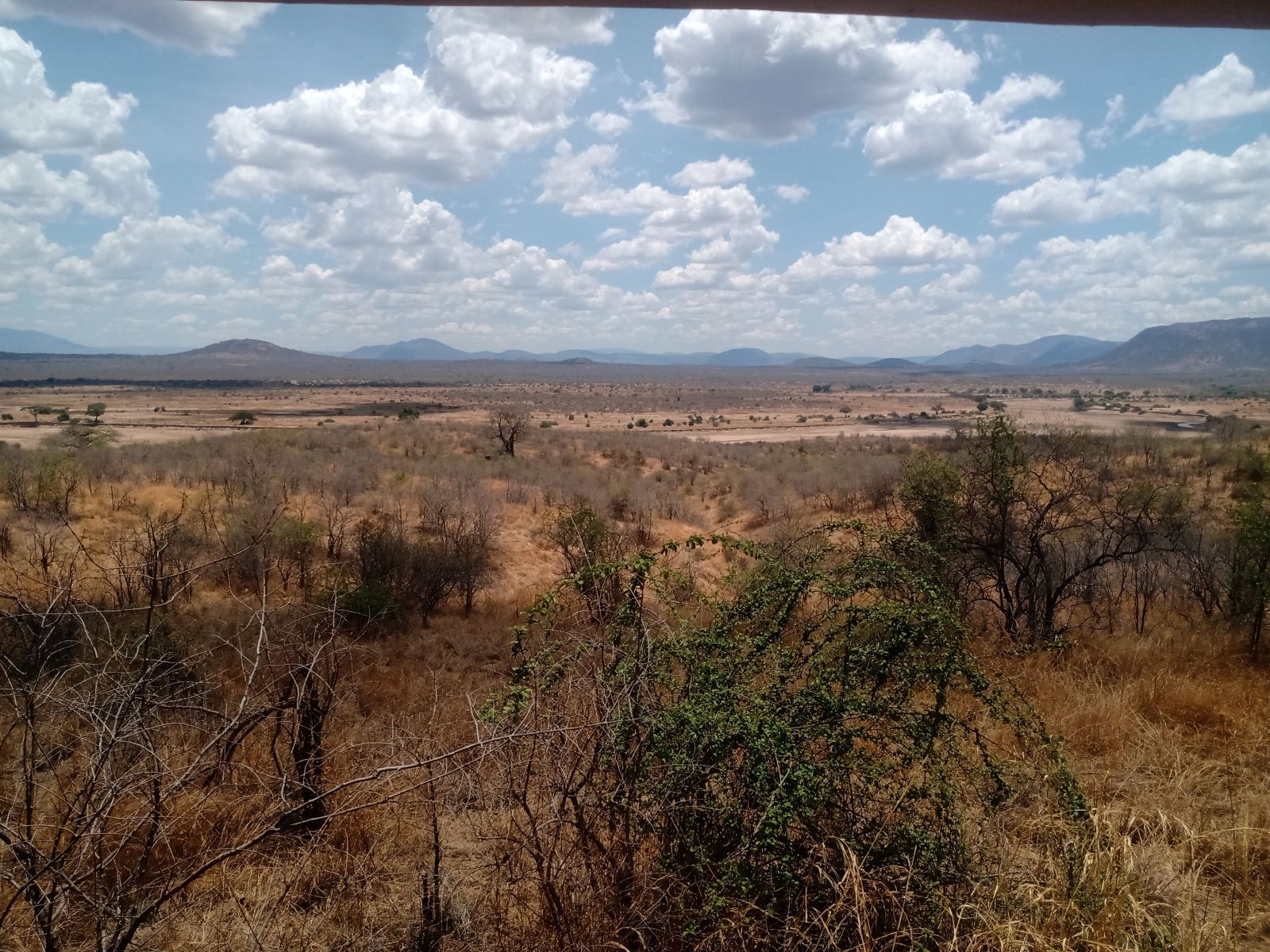
Ruaha vs Serengeti: Size and Space on Safari
On paper, Ruaha is the bigger park. It covers around 20,226 square kilometres, which is larger than the Serengeti’s roughly 14,750, yet it draws a tiny fraction of the visitors. That gap is the single biggest difference between the two on the ground. A Serengeti safari puts you in a world-famous park with plenty of other vehicles, especially at a good sighting, while a Ruaha safari gives you a larger area with only a handful of camps, so you can drive for an hour without meeting anyone.
Neither is better in the abstract. The Serengeti’s popularity is earned, and its infrastructure and access reflect it. Ruaha’s emptiness is its own reward, appealing to travellers who measure a safari partly by how alone they feel out there. Which matters more to you is the first question worth answering.
Wildlife and the Great Migration vs Ruaha’s Predators
The headline draw splits the two parks cleanly. The Serengeti has the Great Migration, the annual movement of well over a million wildebeest and zebra across the plains, which is one of the great wildlife shows on earth and simply has no equal in Ruaha. If seeing the migration is your dream, the Serengeti is the park, full stop.
Ruaha answers with predators. The greater Ruaha area is often cited as holding close to a tenth of the world’s remaining lions, in some of the largest prides recorded, and the park is a stronghold for endangered wild dog and one of the few homes of cheetah in East Africa. It also has an unusual wildlife mix, with greater and lesser kudu together and sable and roan antelope, thanks to its position where East and Southern African species overlap. For predator density and rare antelope, Ruaha holds its own and then some. For sheer numbers of animals on the move, the Serengeti wins.
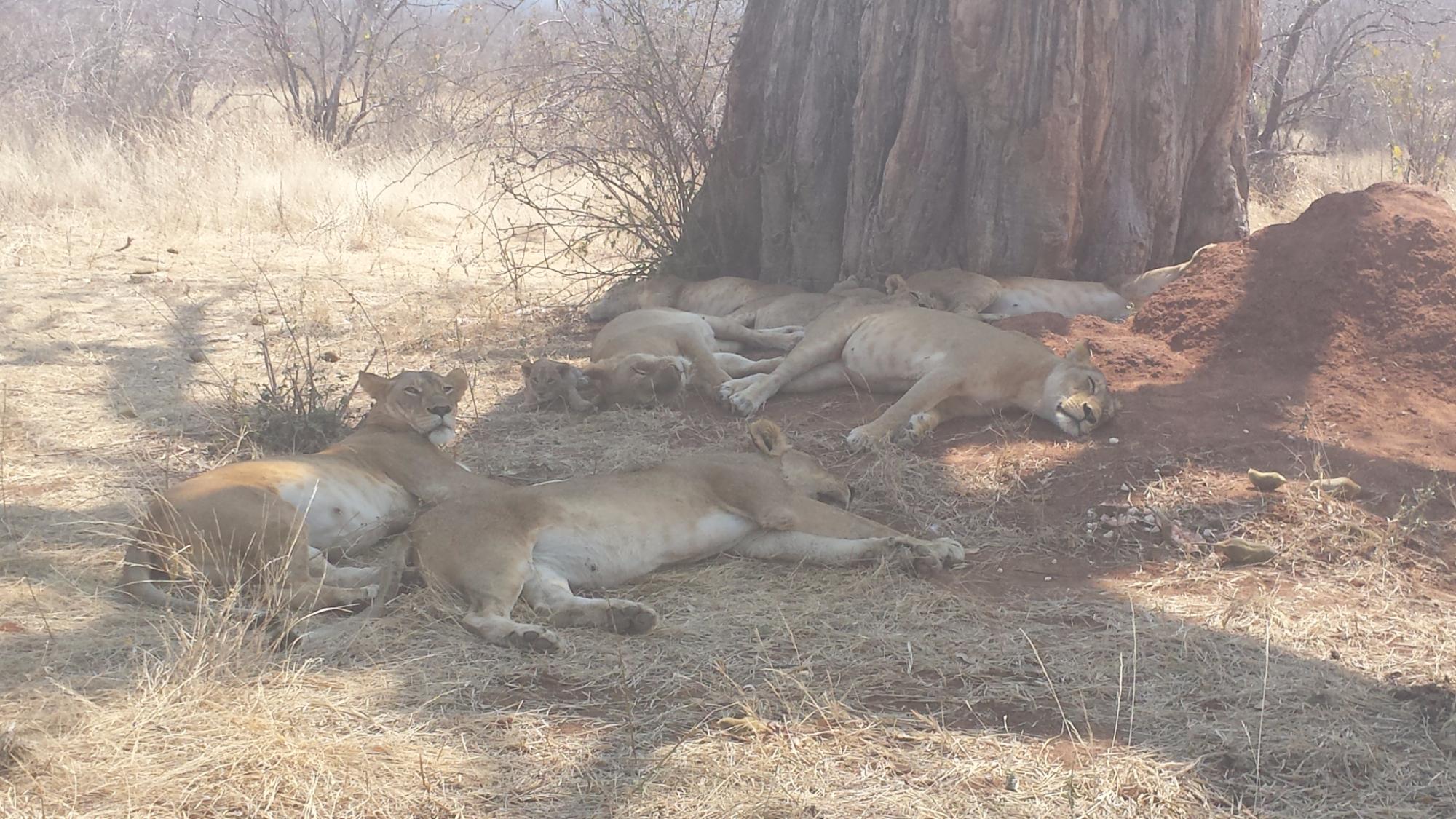
There is a subtler difference in how you see the wildlife, too. In the Serengeti, the sheer density means sightings come thick and fast, often with several vehicles sharing them. In Ruaha, the game can take a little more finding outside the dry-season river concentrations, but when you do find something, it is usually yours alone and the moment feels earned. Some travellers prefer the constant action of the plains, others the slower, more private rhythm of the south. It is less about which park has more animals and more about the kind of experience you want to have with them.
Serengeti. The Great Migration, very high game density, classic open plains, easy access and more visitors. The bucket-list northern park for a first safari.
Ruaha. Outstanding predators, rare antelope, baobab country and deep solitude, reached by flight or a long drive. The wild, quiet southern alternative.
Crowds and Solitude on a Ruaha or Serengeti Safari
Crowds are where the two parks feel most different. The Serengeti’s fame means popular sightings can gather a ring of vehicles, particularly in peak season and around the migration river crossings. It is still a vast park with quiet corners, but you share the highlights. Ruaha, by contrast, sees so few visitors that even peak season feels empty, and a lion sighting is usually yours alone. For travellers who picture a safari as a private thing, Ruaha’s solitude is a decisive point in its favour.
The crowd difference shapes the small moments as much as the big ones. In Ruaha you set the pace at a sighting, staying as long as you like without a queue of vehicles waiting their turn, and sundowners or a bush breakfast feel genuinely remote. That said, the Serengeti’s popularity brings real upsides too, including more camps at every price point, more frequent flights and a smoother experience for a first-timer who wants things to run easily. Solitude has a cost in convenience, and which way that trade falls depends on the traveller.
Scenery and Terrain: Open Plains vs Baobab Country
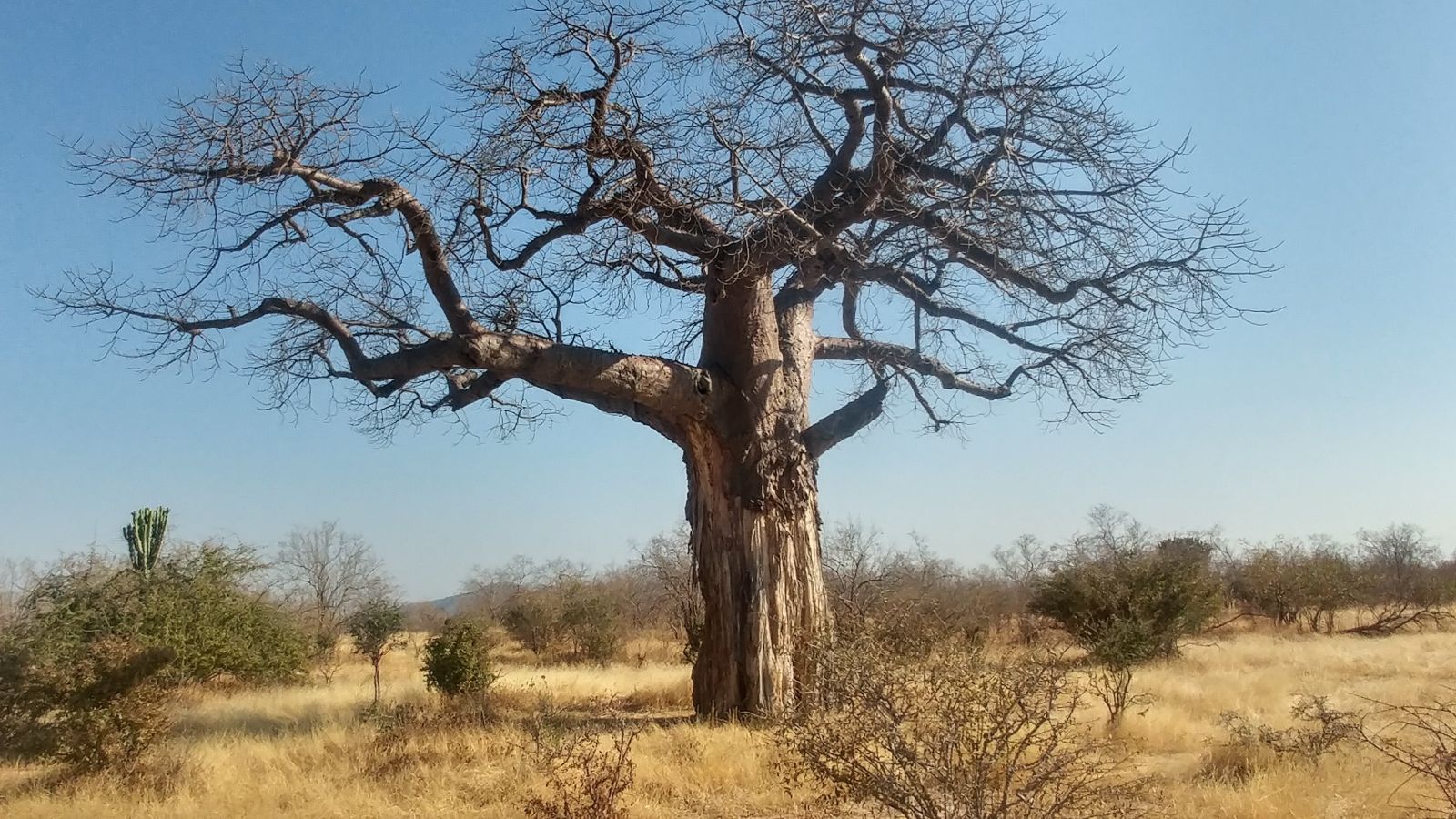
The two parks look different too. The Serengeti is defined by its endless short-grass plains, the open horizons that give the park its name and make the migration so visible. Ruaha is more varied and more rugged, with the Great Ruaha River and its sand tributaries, rolling hills and rocky outcrops, and ancient baobabs standing across the country. Neither is more beautiful, but they photograph differently, and a traveller who has seen the northern plains often finds Ruaha’s baobab country a refreshing change on a later trip.
Getting There: Southern vs Northern Safari Circuit
Access favours the Serengeti. It anchors the northern circuit alongside Ngorongoro and Tarangire, all reachable from Arusha, and it is well set up for visitors arriving that way. Ruaha sits on the quieter southern circuit, reached by a flight from Dar es Salaam or Zanzibar or a long drive through Iringa, and it links naturally with the other southern parks and with a Zanzibar beach finish. The southern circuit takes a little more effort to reach, which is precisely why it stays so uncrowded. Where you fly into the country, and what else you want to see, often decides which circuit suits your trip.
Combining Ruaha and the Serengeti on One Safari
You do not always have to choose. Air links between the circuits mean you can combine the two on a longer trip, pairing the migration and plains of the Serengeti with the predators and solitude of Ruaha. It makes for a full and varied safari, though it adds cost and flying time, so it suits travellers with a week or more and a healthy budget. A common shape puts the busy, bucket-list Serengeti first and finishes with the quiet wildness of Ruaha, or adds a Zanzibar beach stint to round the trip off.
Which Safari Suits You: Ruaha or Serengeti
The honest answer comes down to what you want. If it is your first safari and you dream of the migration, the classic plains and the full spectacle, start with the Serengeti. If you have safaris behind you, or you value wildness, strong predators and having the park to yourself over big crowds and big numbers, Ruaha is hard to beat. Many seasoned travellers end up loving both for different reasons, which is why combining them is so popular. There is no wrong choice, only the one that fits the trip you are picturing.
It also helps to think about the shape of your whole holiday. If you are flying into Arusha and touring the north, the Serengeti sits naturally alongside Ngorongoro and Tarangire in one loop. If you want to end on a beach in Zanzibar, or you like the idea of a quieter, less-trodden route, Ruaha and the southern circuit flow better. Budget, time and how much flying you are willing to do all feed into the decision, which is why it is worth mapping the full trip rather than choosing the park in isolation.
Best Time to Visit Ruaha and the Serengeti
Both parks are best in the dry season, broadly June to October, when wildlife concentrates and viewing peaks, though the Serengeti’s migration timing shifts the calendar depending on which part of the movement you want to catch. Ruaha’s dry season brings its predators and elephants to the river, while the green season offers birding and lower rates. If you are combining the two, the dry months line up well for both, delivering strong game viewing across the northern and southern circuits in a single trip.
Frequently Asked Questions
Is Ruaha better than the Serengeti?
Neither is simply better, since they offer different trips. The Serengeti has the migration, higher game density and easier access, with more crowds. Ruaha has outstanding predators, rare antelope and deep solitude, at the cost of a longer trip in. First-timers chasing the spectacle usually prefer the Serengeti, while those wanting wildness and few crowds favour Ruaha.
Does Ruaha have the Great Migration?
No. The Great Migration takes place in the Serengeti and the wider ecosystem to the north, not in Ruaha. What Ruaha offers instead is one of Africa’s best predator experiences, with large lion prides, endangered wild dog and cheetah, plus an unusual mix of antelope found in few other parks.
Is Ruaha cheaper than the Serengeti?
On park fees, yes. The Serengeti sits in a higher fee band, currently around 60 to 70 US dollars per non-resident adult per day before VAT depending on the season, which works out closer to 70 to 83 dollars once 18 percent VAT is added. Ruaha is in a lower band at around 30 dollars plus VAT. Against that, reaching Ruaha usually means a flight of around 380 dollars per person each way from Dar es Salaam, which narrows the gap. Overall cost depends heavily on accommodation and travel, so compare full quotes, and confirm current fees with TANAPA before you travel.
Can you visit both Ruaha and the Serengeti on one trip?
Yes. Air links connect the northern and southern circuits, so a longer trip can take in both, pairing the Serengeti’s migration and plains with Ruaha’s predators and solitude. It adds cost and flying time, so it suits travellers with a week or more, but it makes for a varied and rewarding safari.
Which park has fewer crowds?
Ruaha, by a wide margin. It sees a small fraction of the Serengeti’s visitors, so even in peak season it feels quiet, and sightings are usually yours alone. The Serengeti is far busier, especially around the migration crossings and in high season, though its size still leaves quieter corners.
Plan Your Ruaha Safari
Deciding between Ruaha and the Serengeti, or working out how to fit both into one trip, is exactly the kind of call worth talking through with someone who knows both parks. The safari companies and tour operators listed on this website run trips across the northern and southern circuits, and they can tell you honestly which suits your dates, budget and the kind of safari you are picturing rather than pushing one over the other.
Whether you want the migration, the solitude, or a combination of the two, the flights, park bookings and camp choices are handled in the background so none of the admin lands on you. Want a proper quote, or just a steer on which park fits? Reach out to the operators listed here, and a real person, not a bot, will get back to you.