Picnic Lunch in Ruaha National Park
A picnic lunch in Ruaha National Park is a packed midday meal eaten out in the bush, letting you stay in the park through the middle of the day instead of returning to camp. It is the meal that makes a full-day game drive possible and a relaxed way to pause in a shady, scenic spot. Ruaha is one of Tanzania’s largest national parks, in the south-central Iringa Region, and the anchor of the country’s quieter southern safari circuit.
What a Picnic Lunch on Safari Involves
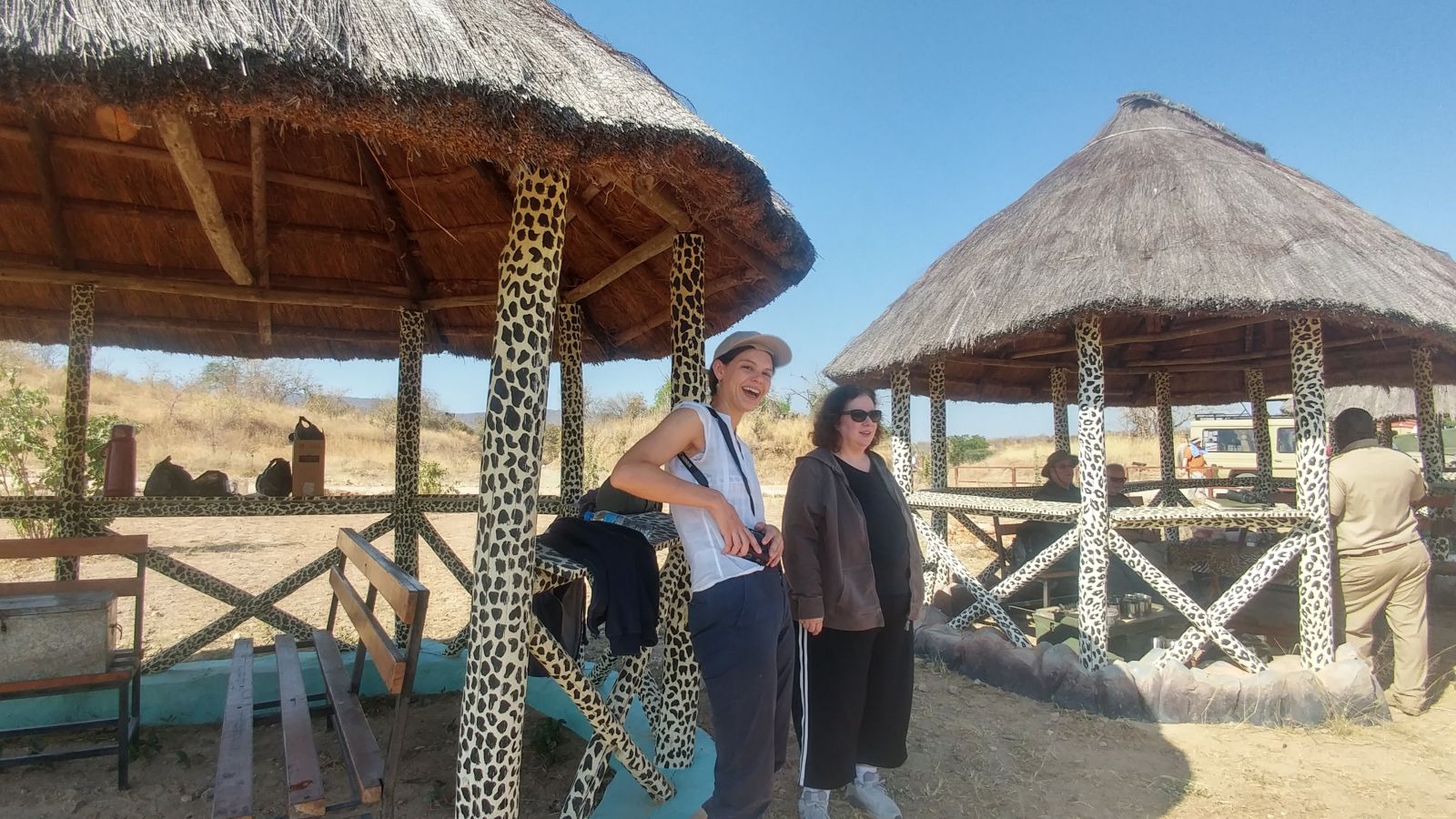
A picnic lunch is exactly what it sounds like: a meal packed by your camp and eaten out in the park rather than back at the mess tent. On a full-day drive, or any outing that keeps you out over midday, the crew provides a packed lunch that your guide sets up at a shady, scenic spot around the middle of the day, so you can eat, rest and carry on exploring without the long return to camp.
The picnic is the practical thing that unlocks a full day in the park. Because Ruaha is so large, some of the best country lies too far from camp to reach and return from between meals, so carrying lunch lets you push deeper and stay out longer. It is less about the food than about the freedom it gives you on a Ruaha safari.
The contrast with the usual pattern is worth spelling out. A standard safari day runs a morning drive, a return to camp for lunch and a rest through the heat, and an afternoon drive, which naturally keeps you within reach of your base. A picnic lunch breaks that tether, so instead of driving back mid-morning you keep going, eat in the field, and use the whole day. For a park the size of Ruaha, where distances are large and the interesting country can be far off, that difference is the whole reason the packed lunch exists.
Where to Stop for a Picnic Lunch in Ruaha
The midday stop is chosen for shade first and view second, since the middle of the day is hot. A big tree, often a baobab or a spreading acacia, gives the shade you want, and guides know the spots that combine it with a good outlook. A shady bank above the river is a favourite, letting you watch the water while you rest, and a sand riverbed with trees along its edge works well too.
The idea is to find somewhere you can settle comfortably for an hour or so out of the sun, since the picnic doubles as the midday rest that the heat demands. Guides also pick a safe, open spot they can watch, since you are out of the vehicle. The result is a pleasant, unhurried pause in a fine setting on a Ruaha safari.
What Is Packed in a Picnic Lunch on Safari
Camps pack a generous box or basket, and the contents are designed to travel well in the heat. Expect a filled roll or sandwich, a piece of cold chicken or a savoury pastry, salad, fresh fruit, a slice of cake or a biscuit, and juice or water, with the exact spread varying by camp. Higher-end camps may lay out a fuller cold buffet from cool boxes, while simpler operations keep it to a packed box.
Everything is chosen to be eaten cold and to hold up through a warm morning in the vehicle. Dietary requirements are easily accommodated if you tell your camp in advance, so vegetarians and others are well catered for. It is straightforward, satisfying food rather than fine dining, which suits the setting of a picnic lunch perfectly.
The picnic lunch is not about the food. It is the thing that lets you stay out in a park bigger than the Serengeti through the middle of the day and reach the country a short drive never could.
How a Picnic Lunch Enables a Full-Day Safari
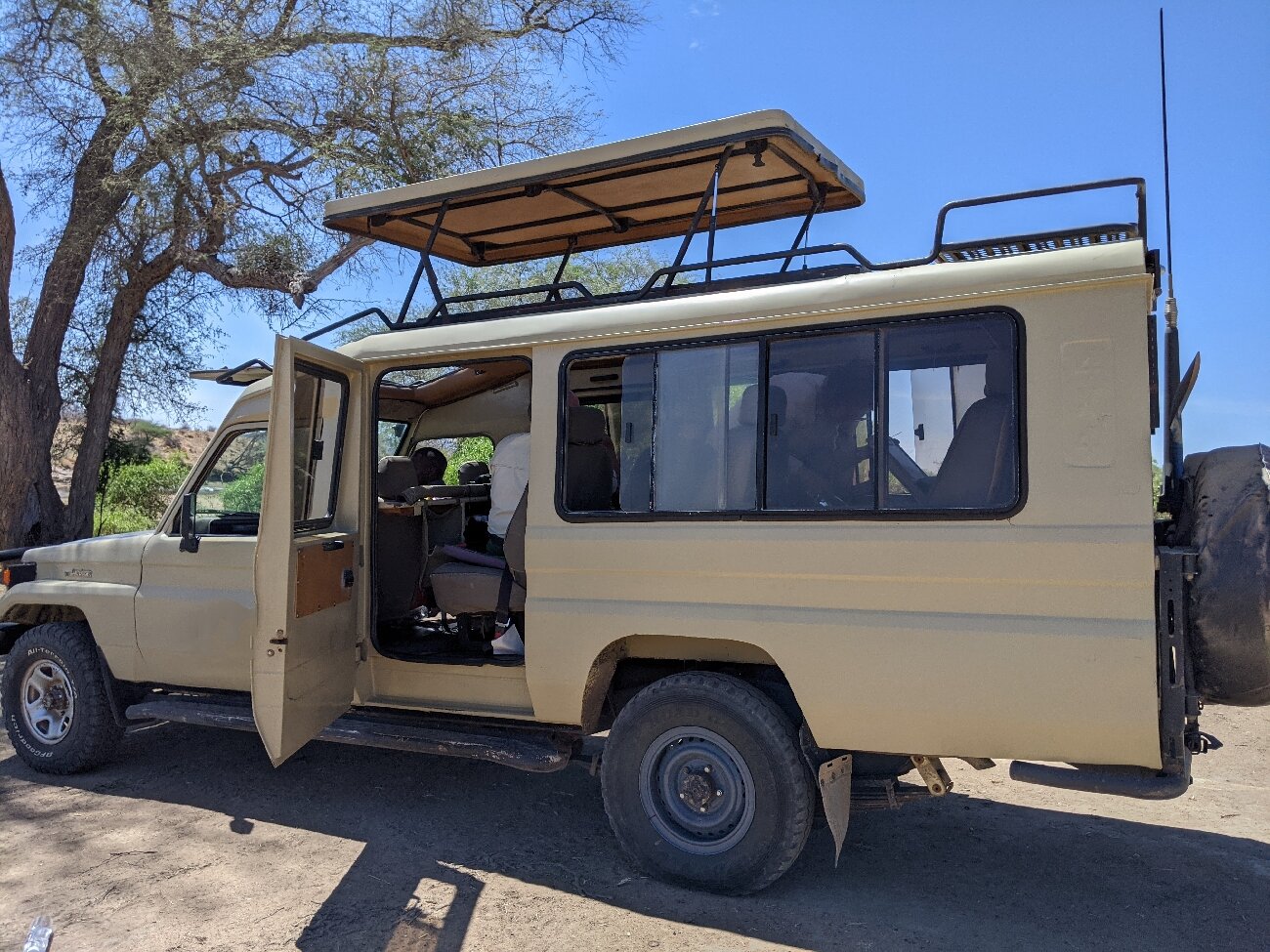
The picnic lunch and the full-day drive go hand in hand. Without it, a day is split into a morning drive, a return to camp for lunch and a rest, and an afternoon drive, which keeps you close to your camp’s area. With a packed lunch, you can leave at dawn and stay out until late afternoon, ranging far across the park and reaching remote sectors that a shorter outing cannot.
This matters most for travellers chasing a particular goal, such as reaching the far Mwagusi or the remote south, or searching for wide-ranging animals like wild dogs. The picnic removes the midday return that would otherwise eat into the day, so the hours go on exploring instead of driving back and forth. For anyone wanting to get deep into the park, the packed lunch is what makes it possible on a Ruaha safari.
The Midday Rest and Wildlife During a Picnic
The middle of the day is the quietest time for wildlife, since most animals lie up in the shade to escape the heat, which is exactly why it is a sensible time to stop and eat. You are not missing much action by pausing, since the game viewing slows anyway, and resting through the hottest hours keeps you fresh for the productive late afternoon.
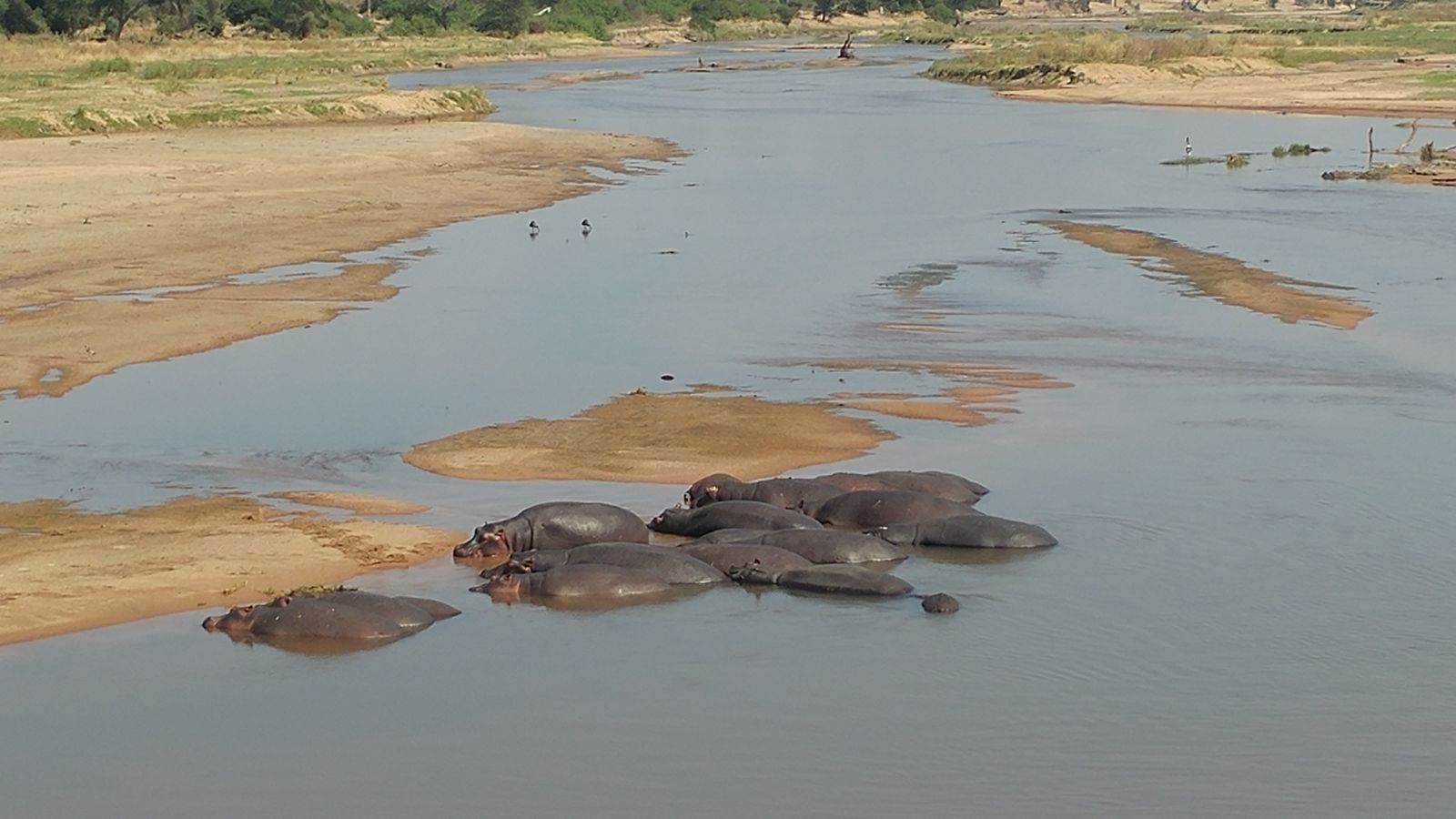
That said, the picnic spot itself is often lively in a quieter way. Birds come and go around the shade, and a river-side stop may have hippos in the water or animals drifting to drink. Lying back against a tree with lunch, watching the bush at its stillest, is a restful counterpoint to the intensity of the drives, and one of the underrated pleasures of a Ruaha safari.
Safety and Etiquette at a Picnic Lunch
As with any meal out of the vehicle, the guide sets the rules and they are simple to follow. The team chooses an open, shaded spot with clear sightlines that they can watch, and you stay within the area they indicate rather than wandering off. Keep noise moderate and do not leave food or litter behind, since scraps draw animals and spoil the site for others.
Because you may be near the river, take particular care around the water, where crocodiles and hippos are a genuine hazard, and never approach the bank on foot except where the guide says it is safe. If an animal wanders close, the guide manages it and may ask you back to the vehicle, which is routine. Following the team’s lead keeps a picnic lunch relaxed and safe on a Ruaha safari.
Who a Picnic Lunch Safari Suits
A picnic lunch suits anyone doing a full-day drive or wanting to stay out over midday, so it appeals most to keen game-viewers, photographers and those determined to reach the park’s far corners. It is ideal for travellers who would rather be out in the bush than back at camp, and who do not mind a simple cold meal in exchange for more time exploring.
It is less suited to those who prefer the comfort of a proper sit-down lunch and a rest in their room, or to families with young children who find a whole day out tiring. For them, the usual pattern of two shorter drives with lunch at camp works better. Knowing your own preference is the key to deciding whether a picnic-based full day is for you on a Ruaha safari.
Best Time of Year for a Picnic Lunch in Ruaha
The dry season from June to October is the best time for picnic lunches and the full-day drives they support, with firm tracks that let you range widely, reliable dry weather for eating outside, and shade easy to find under the leafless or lightly leaved trees. September and October are hot at midday, so a shady spot and plenty of water matter most then.
In the green season from November to April, midday storms can interrupt an outdoor lunch and muddy tracks limit how far you range, so full days and their picnics are trickier. Camps adapt, moving the meal under cover if needed, but the dry months are the reliable choice for a picnic-based day on a Ruaha safari.
Frequently Asked Questions
What is a picnic lunch on safari?
It is a packed midday meal provided by your camp and eaten out in the park, usually on a full-day drive, so you can stay out over midday instead of returning to camp. Your guide sets it up at a shady, scenic spot around the middle of the day, letting you rest and eat before carrying on.
What is packed in a safari picnic lunch?
Typically a filled roll or sandwich, cold chicken or a savoury pastry, salad, fresh fruit, a slice of cake or a biscuit, and juice or water, all chosen to travel well in the heat and be eaten cold. Higher-end camps may lay out a fuller cold buffet. Dietary needs are easily handled if flagged in advance.
Why have a picnic lunch instead of returning to camp?
Because it lets you stay out in the park all day and reach country too far from camp to visit on a shorter drive. Ruaha is vast, so a packed lunch removes the midday return and frees the hours for exploring, which matters if you want to reach remote sectors or search for wide-ranging animals like wild dogs.
Is it safe to eat a picnic in the park?
Yes, when managed by the guide, who chooses an open, shaded spot with clear sightlines and keeps watch. Stay within the area indicated, keep noise moderate, and take particular care near water, where crocodiles and hippos are a hazard. If an animal approaches, the guide manages it. Following the team’s lead keeps it safe.
How much does a picnic lunch cost?
A picnic lunch is usually included in your camp’s rate, sometimes as part of a full-day drive, rather than charged separately, though some camps add a fee for the full-day format. It sits on top of park entry, currently around 30 US dollars per non-resident adult per 24 hours before 18 percent VAT. Confirm what your rate includes when booking.
Plan Your Ruaha Safari
A picnic lunch is simple to arrange, but the full day it unlocks is far better with a guide who knows how to use the extra hours and where to find the best shady stops, so it pays to travel with people who plan it well. The safari companies and tour operators listed on this website run full-day drives across Ruaha with the packed lunch and local knowledge to make the long day count.
Whether the budget is tight or open, the drives, meals, flights and park bookings are handled in the background so none of the admin lands on you. Want a proper quote, or just a steer on planning a full day out? Reach out to the operators listed here, and a real person, not a bot, will get back to you.