5 Day Ruaha And Mikumi Safari
Destinations: Tanzania, Mikumi National Park and Ruaha National Park
Two southern parks, one trip. You start in Mikumi the most reachable park in the south, for its open plains and easy game viewing, then move west to Ruaha for the wilder, bigger country of the Great Ruaha River. Five days gives you a night or two in each and a real sense of how different the two parks are, Mikumi’s Mkata floodplain, all lion and elephant on short grass, against Ruaha’s baobab ridges and dry sand rivers.
Day By Day
Day 1 Dar Es Salaam To Mikumi
You leave the coast after breakfast and drive inland, climbing through the Uluguru foothills and over the pass at Mikumi town. The tar road actually runs through Mikumi National Park so the last stretch is a game drive in all but name, it is common to see elephant, giraffe and impala from the road before you have even checked in.
Mikumi is 3,230 square kilometres and the fourth-largest park in Tanzania, and its Mkata floodplain is often compared to the Serengeti for the way lion, buffalo and elephant sit out on open grass. You reach your lodge by mid-afternoon, with time for a first game drive on the floodplain before dark. Yellow baboons trot along the verges and the guide points out the water holes where hippo wallow. Dinner is at the lodge, with the sounds of the plain coming in through the night.
Day 2 Game Drives In Mikumi
A full day on the Mkata floodplain, the heart of Mikumi. You are out early while the grass is wet and the light is low, working the tracks where the lion prides hunt. Mikumi’s lions are relaxed with vehicles, and the open country means you often watch them out in the grass rather than half-hidden in bush.
The floodplain gathers game around its water. Herds of elephant move through, buffalo graze in long lines, and the Hippo Pools in the north hold pods you can watch on foot from a viewing point, with terrapins and water birds along the edges. Mikumi is strong for plains species, zebra, wildebeest, impala and the tall Masai giraffe, and the birding is good, with lilac-breasted rollers on every third bush. You break at the lodge in the heat, then head out again for the cooler afternoon, when the elephant come back to the water and the cats start to stir.
Day 3 Mikumi To Ruaha
Today you trade the plains for the wilderness. The drive west from Mikumi to Ruaha is a long one, figure most of the day on the road through Iringa, so you set off after an early breakfast. The route climbs into the Southern Highlands around Iringa, cool and green, then drops back down into the heat of the Great Ruaha valley, the baobabs thickening as you go.
You reach the park in the afternoon and the transfer to camp doubles as your first Ruaha game drive. Straight away the country feels bigger and emptier than Mikumi, Ruaha is the largest park in Tanzania at over 20,000 square kilometres and you can drive a long way without seeing another vehicle. Elephant work the riverbanks and the guide starts looking for the big lion prides Ruaha is known for. You settle into camp on the river as the light goes, hippo grunting below.
Day 4 Full Day In Ruaha
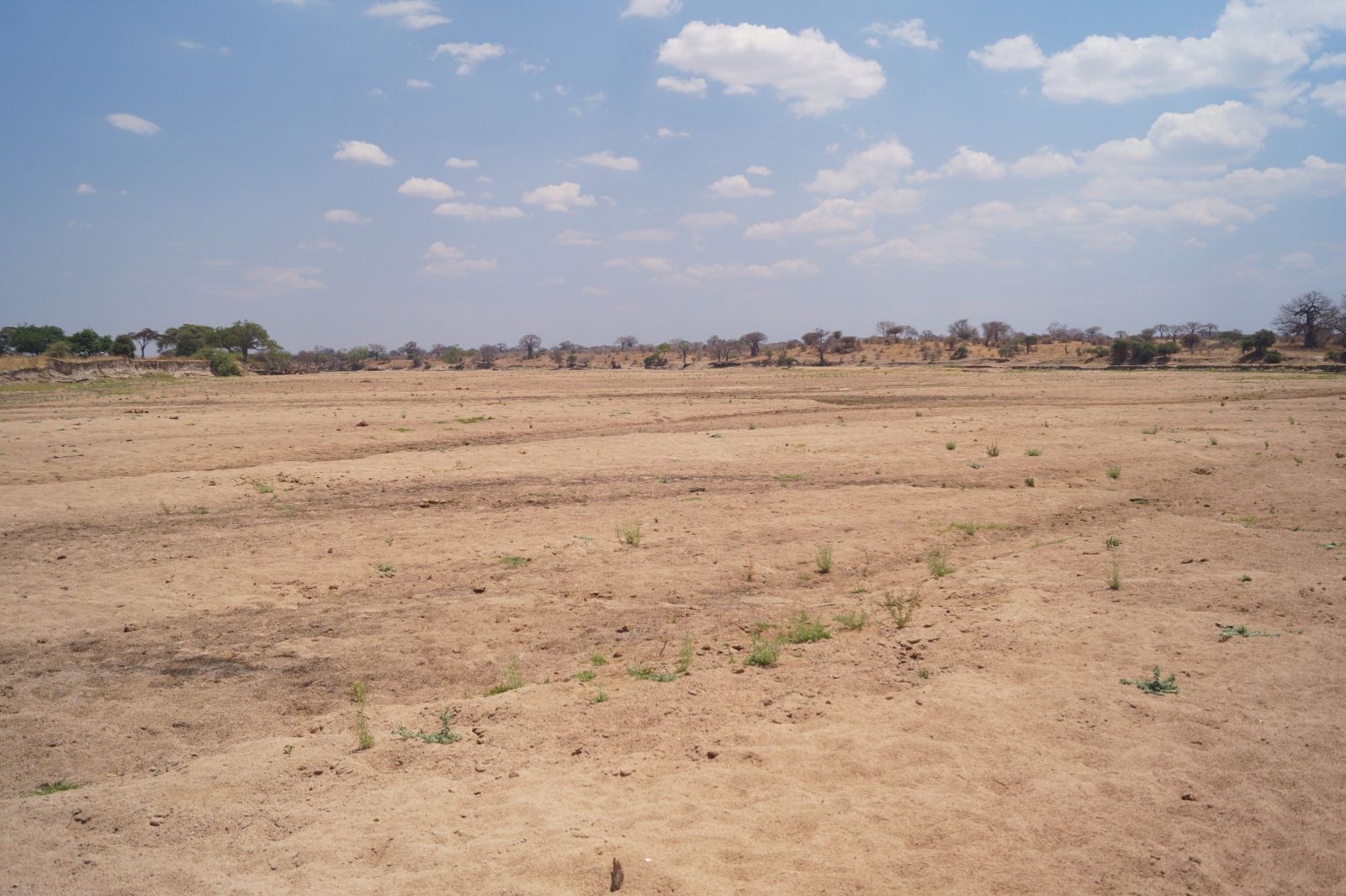
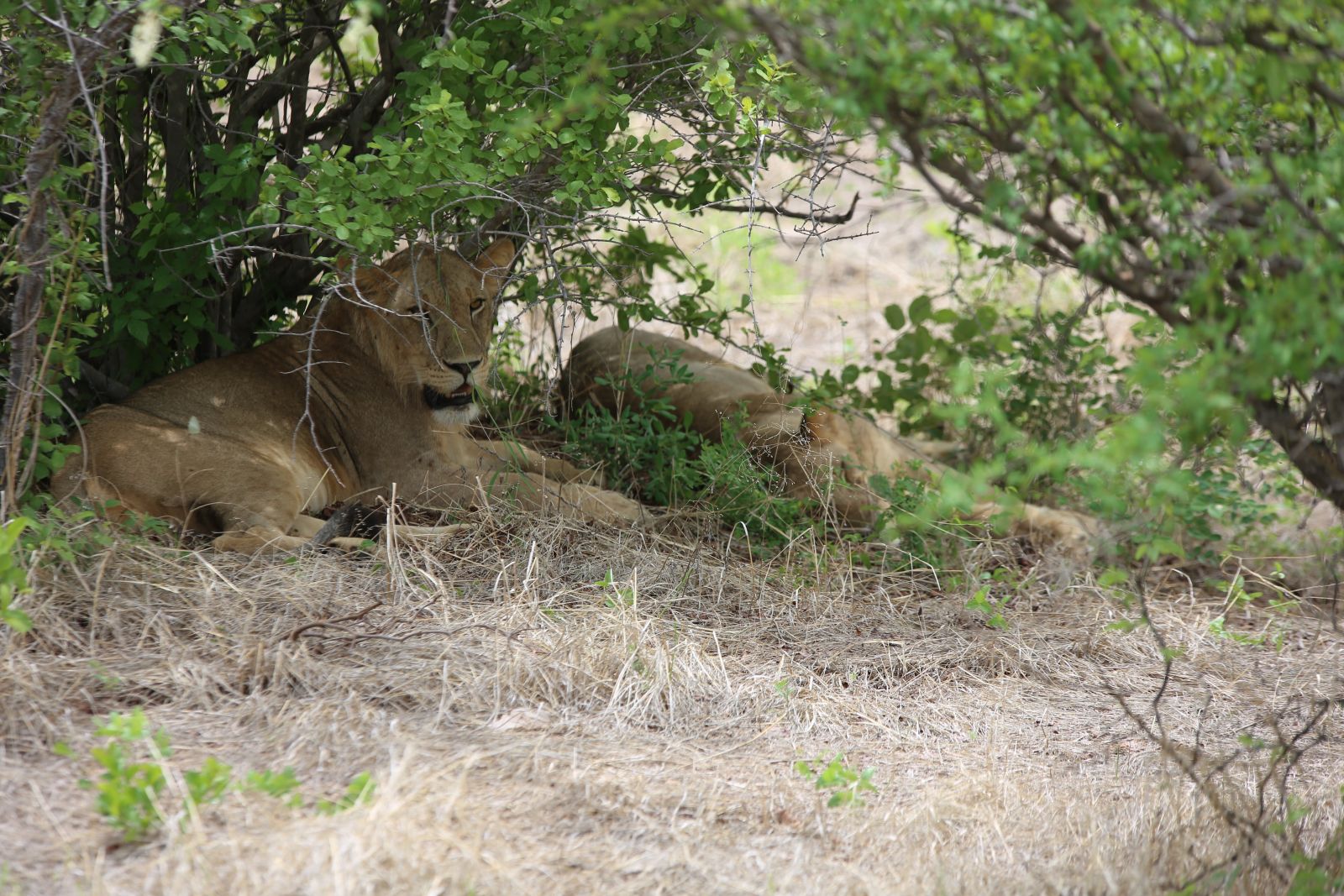
Your full day in Ruaha, and the contrast with Mikumi is the whole point. This is dry, big-cat country. Ruaha holds roughly ten percent of the world’s lions in prides that can top twenty animals, and it is one of the last strongholds of African wild dog. Out at dawn, the guide tracks along the Great Ruaha River where the predators move.
As the dry season bites, the shrinking river pulls everything to water. Elephant come down in numbers, buffalo churn the crossings, and Ruaha’s specials, greater and lesser kudu, sable, roan, show themselves in ways they rarely do up north. The baobabs give the whole park a strange, ancient look, especially in the low afternoon light. With over 570 bird species the river fringe stays busy through the midday heat while you rest at camp. A last afternoon drive, then dinner under the stars.
Day 5 Morning Drive And Fly Out
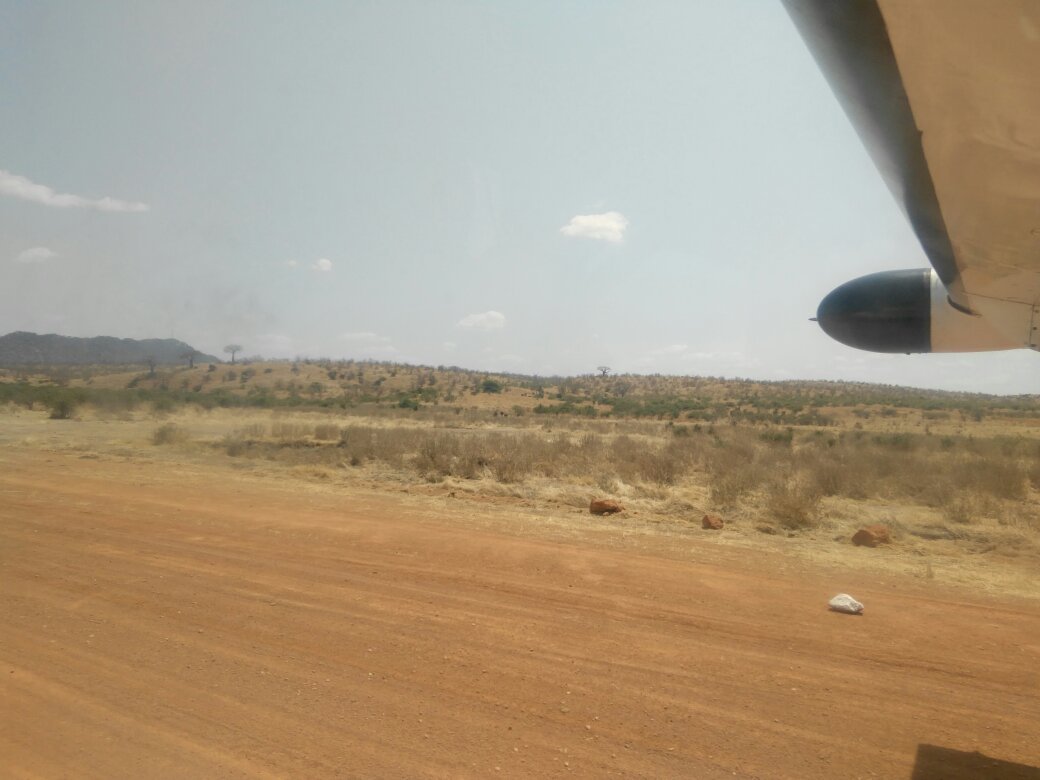
A final morning drive in the cool of dawn before you leave. This is the last chance for anything still on the list, a leopard in a sausage tree, a cheetah on the plains, the wild dogs if the pack is denning nearby. The guide makes the most of the early light, then brings you back toward Msembe airstrip as the day heats up.
From Msembe you fly out rather than face the long road back, a light aircraft to Dar es Salaam, connecting to the coast, Zanzibar or an international flight home. Flying out of Ruaha is what makes five days work for two parks: you drive in to link Mikumi and Ruaha overland, then save a whole day by flying the return. It is a trip that shows you two very different sides of southern Tanzania, the easy plains and the deep wilderness, without either feeling rushed.
What’s Included
- Road transport Dar es Salaam to Mikumi to Ruaha in a safari vehicle
- Return light-aircraft flight Ruaha to Dar es Salaam
- Four nights full board (Mikumi and Ruaha)
- Game drives with a guide in both parks
- Mikumi and Ruaha park entry fees for the days shown
What’s Not Included
- International flights and Tanzania visa
- Travel insurance
- Drinks, tips, personal items
- Activities not listed
Why Should Travelers Choose This Tanzania Safari?
This trip works because the two parks are nothing alike, and seeing them back to back makes each one land harder. Mikumi is open, easy and quick to reach, the Mkata floodplain delivers lion, elephant and buffalo on short grass in your first afternoon, no long drive-in needed. Then Ruaha flips the script: bigger, wilder, emptier, all baobab ridges and dry sand rivers, with a tenth of the world’s lions and a genuine shot at wild dog. Doing them together, you get the friendly introduction and the deep-end wilderness in one trip, and you cover the two most rewarding parks of the southern circuit without needing a full week. Driving the link and flying the return keeps the days on game viewing rather than on the road. For a first proper southern-Tanzania trip, or for anyone who wants variety rather than one park on repeat, five days across Mikumi and Ruaha is a strong, well-balanced route.
Is Five Days Enough to Explore Tanzania on Safari?
Five days across two parks is a good working length, though it is a taste of each rather than a deep stay. You get a full day plus arrival drives in each park, which is enough to see Mikumi’s floodplain properly and to reach Ruaha’s core river sectors. It suits travellers who value contrast and do not mind one longer driving day to link the two. What five days cannot do is give either park its full due, Ruaha alone is over 20,000 square kilometres and its remote south stays out of reach on this timing. If wild dog or cheetah are must-sees, more nights in Ruaha help. And travellers with a fortnight often add Nyerere and its Rufiji River boat safaris to round out the southern circuit, or tack on Zanzibar for a beach finish. But if you want two distinct parks, good game viewing and no wasted days, five days across Mikumi and Ruaha is well judged.
What Is the Average Cost of This Tanzania Safari?
Two parks, a driving link and a return flight put this in the mid-range. Your costs are the vehicle and guide, four nights of lodging across the two parks, the Ruaha fly-out, and park fees of about USD 35 per adult per day in each of Mikumi and Ruaha with VAT counted in; Ruaha’s is a USD 30 gate rate for a non-resident adult with 18% VAT on top. Both are TANAPA rates, reviewed each fiscal year, so take them as indicative. Lodge level is the main variable, from simple tented camps to the smarter river camps in Ruaha. As a guide, expect around USD 1,900 to 3,800 per person sharing, higher in the June to October dry season and lower in the green months. A shared vehicle between four keeps the per-person cost down, since the car, guide and some fixed transfers are priced per trip. Send an operator your dates, group size and preferred lodge style and they will price it to the shilling.
Where to Read More
The two-park contrast is the point of this route, and our write-up of the Mikumi and Ruaha road route goes into the driving in more detail. For the Ruaha half, see Best Time to Visit Ruaha National Park, Where Are the Best Places to See Elephants in Ruaha? and the Ruaha National Park: Complete Safari Guide.
Want more time in the wild rather than more parks? The 6 Day Ruaha And Nyerere Safari swaps Mikumi for the Rufiji River, and the 7 Day Southern Tanzania Safari fits all three southern parks into a week.
We publish research, not itineraries for sale. Quotes, flights and camp bookings are handled by the operators who run Ruaha safaris; the enquiry form on the homepage will point you at them.