Morning Game Drive in Ruaha National Park
A morning game drive in Ruaha National Park sets out at first light, when predators are still active and the air is cool, working the Great Ruaha River and its sand tributaries where wildlife gathers. It is the prime drive of the day for lion, leopard and general game, often paired with a bush breakfast. Ruaha is one of Tanzania’s largest national parks, in the south-central Iringa Region, and the anchor of the country’s quieter southern safari circuit.
What a Morning Game Drive in Ruaha Involves
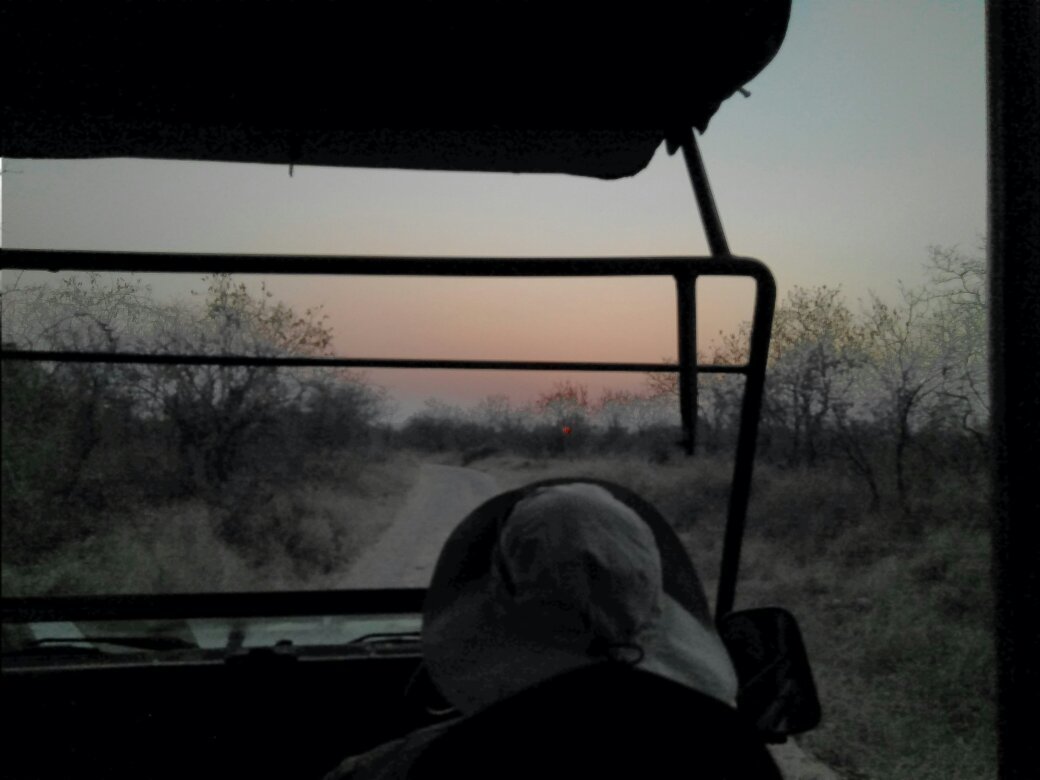
The morning game drive is the heart of a Ruaha day. Most camps rouse you before dawn with coffee and a light bite, and you set off as the sky lightens, wrapped up against the cool early air in an open 4×4 with a guide. The drive runs for several hours through the best of the morning, working the areas where wildlife is active, before either returning for brunch or breaking for a bush breakfast out in the park. It is an unhurried, expert-led outing, with the guide reading tracks and signs to find the animals rather than racing between fixed points.
Because Ruaha is vast and thinly visited, a morning drive here feels private, with the country largely to yourself. The pace is set by what you find, so a good sighting might hold you for an hour while the guide lets the scene unfold. This is game viewing at its most rewarding, and it is why the morning drive anchors nearly every Ruaha safari.
The early start is worth the effort even for those who are not natural early risers. There is a particular stillness to the park at first light, with mist sometimes hanging over the river, the air cool and sharp, and the bush slowly waking around you. Nocturnal animals may still be finishing their night as the day creatures begin theirs, so dawn is a crossover hour when almost anything can appear. Many visitors who grumble about the pre-dawn alarm on the first morning come to love it by the third, since the reward is so consistently good and the experience of the waking park so hard to match later in the day.
Why Early Morning Is Prime Time for a Safari
There is a reason the morning drive leaves so early. The cool hours after dawn are when the wildlife is most active, before the heat of the day sends animals into the shade. Predators that hunted or moved overnight are often still out, cats are on the prowl or settling after a kill, and the general game is up and feeding. As the sun climbs, activity drops, so the early start catches the best of it. On a morning game drive safari, being out at first light is the single biggest factor in what you see, which is why guides push for that pre-dawn departure.
Predators and Wildlife on a Morning Game Drive
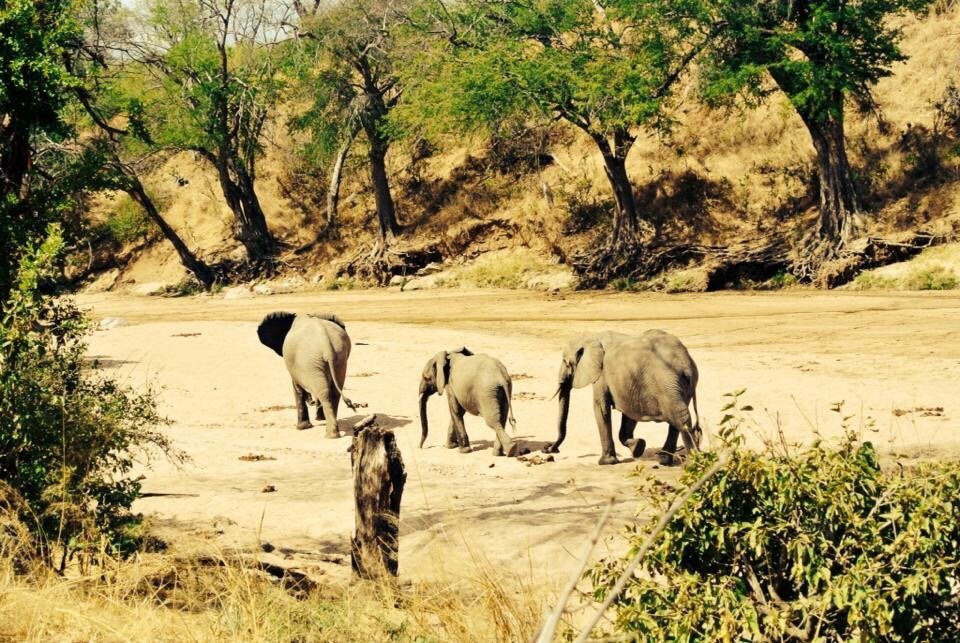
The morning is the best window for predators. Lions, which are most active in the cool early hours, are often found moving, feeding or interacting before they settle for the day, and Ruaha’s large prides make for memorable sightings. Leopards may still be out before retreating to the shade of a tree, and cheetahs use the morning light to hunt on the open plains. Beyond the cats, elephant, buffalo, giraffe and the general game are up and busy, and the birds are at their most vocal. A morning game drive in Ruaha stacks the odds for the sightings most people come hoping to see.
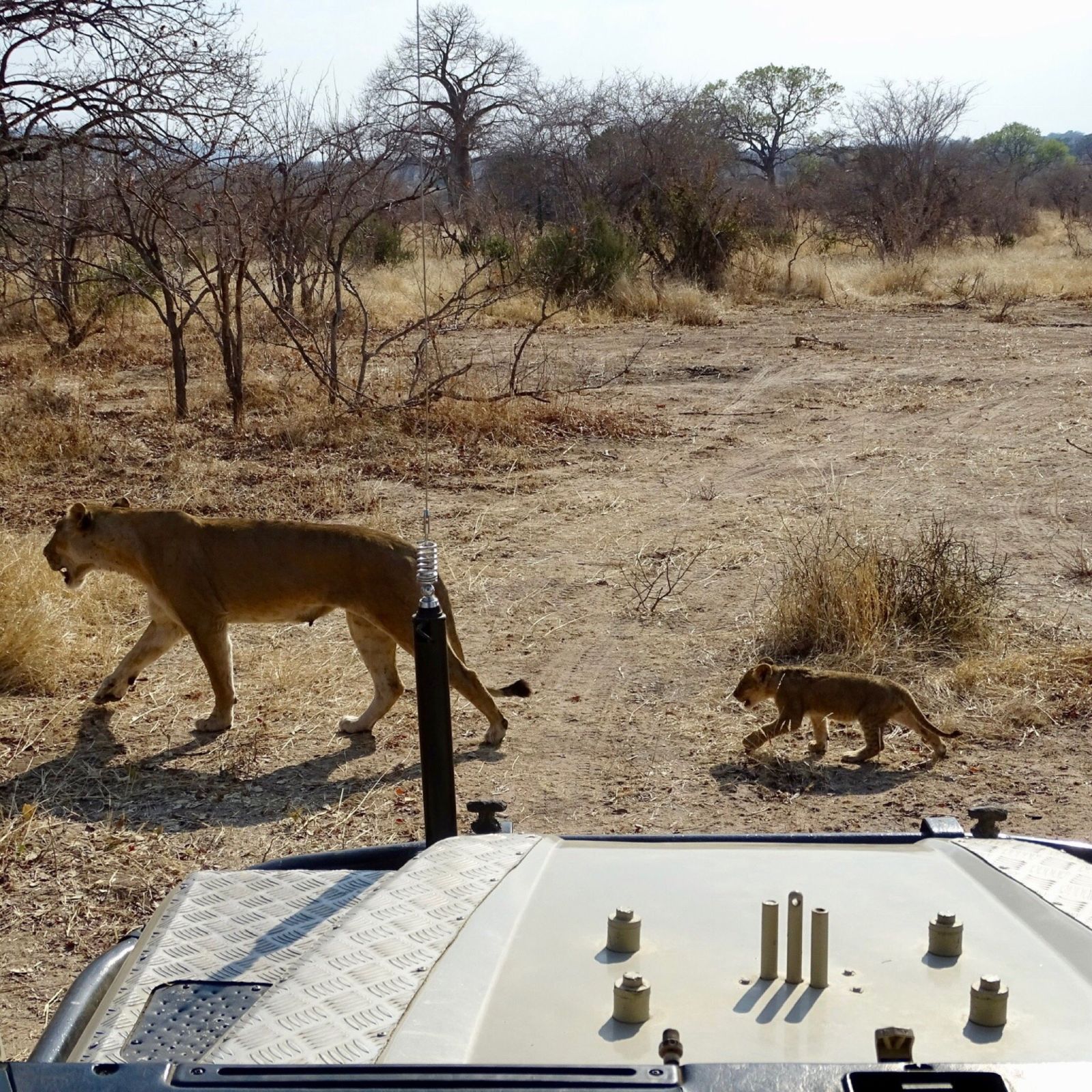
The morning is also the best time to catch action rather than just presence. A pride that made a kill overnight may still be feeding at dawn, drawing hyenas and vultures to the scene, and predators that are about to rest often make one last move in the early light. Even the general game is more dynamic in the morning, with herds on the move to water and youngsters full of energy after the night. As the temperature climbs and the animals settle, these active behaviours taper off, which is exactly why the early hours reward the effort of getting out before the sun is fully up.
The cool hours after dawn are when Ruaha comes alive. Predators are still out, the light is soft, and the country is yours, which is why the morning drive is the one not to sleep through.
The Dawn Light and Bush Breakfast Experience
Part of the pleasure of a morning drive is the light. The soft, golden light of early morning is the best of the day for both watching and photographing wildlife, casting long shadows across the baobab country and warming the scene as the sun rises. Many camps break the drive with a bush breakfast, setting up coffee and food out in the park, so you eat surrounded by the wilderness with the morning’s sightings still fresh. Sitting down to breakfast in the bush, with the sounds of the waking park around you, is one of the quiet highlights of a Ruaha safari.
Where a Morning Drive Goes in Ruaha
The morning drive follows the wildlife, which in Ruaha means the water. Guides work the Great Ruaha River and its sandy tributaries like the Mwagusi, since that is where the game concentrates, especially in the dry season when animals come to drink. The exact route depends on recent sightings and the season, so no two drives are the same, and a guide will adjust to follow fresh tracks or reports of predators. Depending on your camp’s sector, a morning game drive might explore the central river country or the quieter areas beyond, but the water is almost always the focus. Your guide will often have a plan shaped by the previous evening’s sightings and any reports from other vehicles, then adapt it on the fly as fresh tracks and calls reveal where the animals have moved overnight.
What to Bring on a Morning Game Drive Safari
A morning drive calls for a bit of preparation, mainly against the cold start. Bring a warm layer or two, a hat and maybe a scarf for the chilly pre-dawn air, which you can shed as the sun warms things up. A camera with a zoom lens and binoculars are the key kit for the wildlife, along with spare batteries. Sun protection matters once the sun is up, so pack a hat, sunglasses and sunscreen. A small daypack holds it all, and your camp usually provides water and often a blanket for the vehicle. Being ready for both cold and warmth is the trick to a comfortable morning game drive safari.
How a Morning Game Drive Fits Your Safari Day
The morning drive is one half of the classic safari rhythm. After the early start and the drive, most camps return for brunch and a rest through the heat of the middle of the day, when the wildlife is quiet and lying up. The afternoon then brings a second drive toward dusk. This gentle pattern, active mornings and evenings with a restful midday, is why three nights suits most visitors, giving several morning drives without exhausting you. On a Ruaha safari, the morning drive is the one you least want to miss, so it is worth the early alarm every time.
Best Time of Year for Morning Game Drive Safaris in Ruaha
Morning drives are rewarding year round, but the dry season from June to October is best, when wildlife concentrates on the river and the cool mornings make for comfortable, active game viewing. June and July bring the coldest starts, so warm layers matter most then, while September and October offer the sharpest sightings as the bush thins. In the green season from November to April, mornings are milder and the country greener, with the game more dispersed but the birding excellent. Whenever you visit, the early drive remains the standout outing of a Ruaha safari, so it is worth building your days around it whatever the season.
Frequently Asked Questions
What time does a morning game drive in Ruaha start?
Most start before dawn, with the vehicle setting off as the sky lightens, usually after a quick coffee and a light bite. The early departure is deliberate, since the cool hours after first light are when the wildlife is most active. The drive then runs for several hours through the best of the morning.
Why is the morning drive the best of the day?
Because the wildlife is most active in the cool early hours before the heat sends animals into the shade. Predators that moved overnight are often still out, and the general game is up and feeding. The soft dawn light is also the best of the day for viewing and photography, which is why the morning drive is the one not to miss.
Do morning drives include breakfast?
Often, yes. Many camps break the morning drive with a bush breakfast, setting up coffee and food out in the park, so you eat surrounded by the wilderness. Others return to camp for brunch after the drive. Either way, you are well fed, and the bush breakfast is a memorable part of the experience.
How long is a morning game drive in Ruaha?
Typically several hours, from before dawn through the best of the morning, sometimes returning for brunch or continuing into a full-day drive with a packed lunch. The exact length depends on your camp and what you find, since a good sighting can hold the drive for a while. The pace is unhurried and led by your guide.
How much does a morning game drive cost?
Morning drives are usually included in your camp’s rate rather than charged separately, along with park entry, currently around 30 US dollars per non-resident adult per 24 hours before 18 percent VAT. Budget camps outside the park may charge activities separately. Confirm what your rate includes, and check current fees with TANAPA before you travel.
Plan Your Ruaha Safari
Getting the most from the morning drive comes down to an early start, an open vehicle and a guide who knows where the wildlife will be at first light, and a good operator sorts all of that. The safari companies and tour operators listed on this website run morning game drives across Ruaha with experienced guides, timed to catch the park at its most active.
Whether the budget is tight or open, the drives, guiding, flights and park bookings are handled in the background so none of the admin lands on you. Want a proper quote, or just a steer on planning your days? Reach out to the operators listed here, and a real person, not a bot, will get back to you.