Where Is Ruaha National Park Located?
Ruaha National Park is in south-central Tanzania, in the Iringa Region, about 130 kilometres west of Iringa town and roughly 625 kilometres from Dar es Salaam. It is one of Tanzania’s largest national parks and the centrepiece of the southern safari circuit, reached most easily by a short flight from Dar es Salaam or Zanzibar. The park spreads across around 20,226 square kilometres of the wider Rungwa-Kizigo-Muhesi ecosystem, which makes it larger than the Serengeti.

Where Ruaha National Park Sits on the Tanzania Safari Map
Ruaha lies in the middle of Tanzania, tucked into the south-central part of the country in the Iringa Region. On a map it sits well away from the famous northern parks, which is exactly why a Ruaha safari feels so different. The park spans roughly 20,226 square kilometres, making it one of the country’s largest national parks and putting a lot of wild country between you and the nearest crowd.
The park was first set aside in 1964 and grew in 2008 when the Usangu wetlands and other important water areas were added. Its coordinates sit near seven and a half degrees south and thirty-five degrees east, at a moderate altitude that keeps the dry-season nights cool. The name comes from the Hehe word for river, a nod to the Great Ruaha that shapes the whole park.
Ruaha’s Place in the Southern Safari Circuit
Ruaha is the anchor of Tanzania’s southern safari circuit, the quieter counterpart to the busy northern parks around the Serengeti and Ngorongoro. The southern circuit strings together Ruaha, Nyerere, which was carved from the old Selous, plus Mikumi and Udzungwa, and light aircraft hop between them. Because far fewer visitors make it down here, a southern-circuit trip trades some of the north’s game density for space and solitude.
That position also makes Ruaha easy to pair with a beach finish. Many people fly Ruaha into Zanzibar for a few days by the sea, turning the park into the wild half of a combined safari and beach trip. Its central location, roughly between the coast and the far southwest, means it slots neatly into a wider Tanzania route rather than sitting off on its own.
How Far Is Ruaha From Iringa for Your Safari
Iringa is the nearest town of any size, and the gate at Msembe lies about 130 kilometres west of it. The road from Iringa to the park is graded gravel that stays passable year round, and the drive takes roughly two to three hours in a 4×4. Iringa itself sits on the main highway between Dar es Salaam and the south, so it works well as a stop, a fuel and supply point, or the launch pad for the final leg into the park.
Iringa is more than a waypoint. Perched in the highlands, it makes a comfortable overnight break on a road trip from Dar es Salaam, splitting a long drive into two manageable halves and letting you reach the Ruaha gate fresh the next morning.
Ruaha’s Distance From Dar es Salaam and Zanzibar
From Dar es Salaam, the park lies around 625 kilometres inland, which is a long haul by road and a short one by air. A light-aircraft flight covers it in roughly two to two and a half hours, while driving from Dar es Salaam takes most of a day, commonly eight to ten hours all in. From Zanzibar the distance is greater and usually flown, with a scheduled or charter service linking the island to the park, sometimes with a stop along the way. The gap between the coast and the park is the main reason Ruaha stays quiet, and also why most visitors choose to fly.
That coastal link is worth planning around. Because the flight from Zanzibar drops you straight into the park, many people build a trip that opens with a Ruaha safari and closes with a few days on the island’s beaches, turning a single flight into the join between the wild and the restful halves of a holiday. The reverse works too, with the beach first and the bush second, so the order comes down to how you like to end a trip.
By air from Dar es Salaam. Around two to two and a half hours to an airstrip inside the park. The quick, comfortable option that drops you straight into game country.
By road from Dar es Salaam. Roughly 625 kilometres and eight to ten hours via Iringa, the last stretch on gravel. Cheaper and scenic, best broken with a night in Iringa.
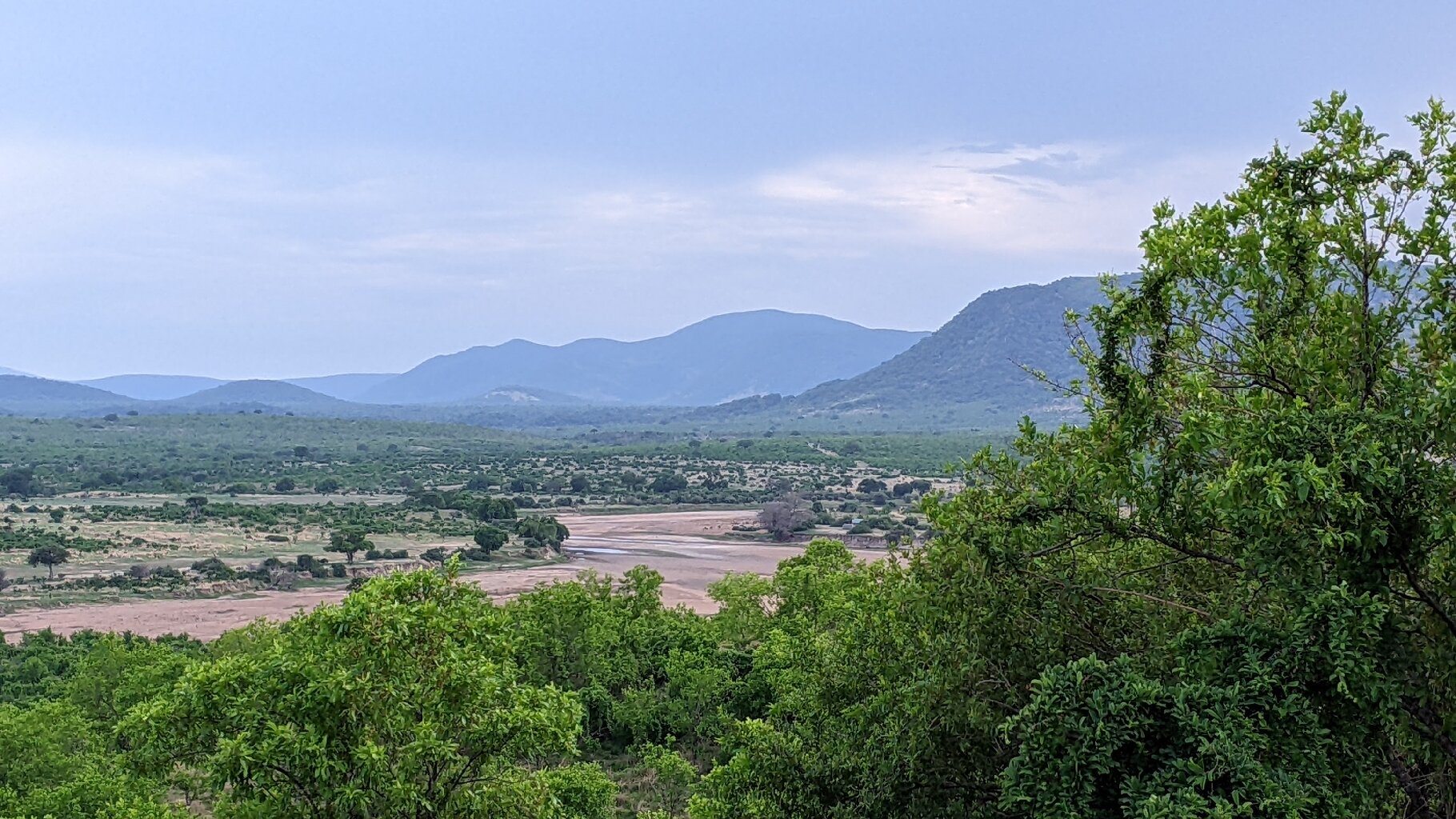
The Great Ruaha River at the Heart of the Park
The park’s setting is built around water. The Great Ruaha River runs along the eastern boundary and gives the park both its name and its life, joined by sandy tributaries like the Mwagusi, Jongomero and Mzombe that feed the system. Away from the river, the ground rises into rolling hills, rocky outcrops and open plains dotted with ancient baobabs, with miombo woodland filling the higher, cooler ground. That mix of river, plain and hill in one park is a big part of what draws wildlife into such variety.
The 2008 addition of the Usangu wetlands and the Ihefu swamp widened that picture further, bringing seasonal marshes and floodplains into the park’s western reaches. These wetlands feed the Great Ruaha and matter well beyond the park boundary, since the river’s flow supports farms and towns downstream. Set at a moderate altitude of roughly 750 to 1,900 metres across its range, the park holds a real spread of country, from hot low-lying river country to cooler wooded highlands, which is why the wildlife list runs so long and the weather stays comfortable through much of the year.
The Wider Ruaha Ecosystem and Safari Area
Ruaha does not stand alone. It forms the core of the much larger Rungwa-Kizigo-Muhesi ecosystem, a protected block of around 45,000 square kilometres that takes in the Rungwa Game Reserve, the Kizigo and Muhesi reserves, and the Mbomipa Wildlife Management Area. Wildlife moves freely across this whole area, which is what keeps populations of elephant, lion and other wide-ranging species healthy. When you book a Ruaha safari, you are really visiting one accessible corner of a wilderness far bigger than the park lines on the map suggest.
That scale is not just a talking point. Wide-ranging animals like elephant and African wild dog need room to move between seasons, and a park hemmed in on all sides struggles to hold them. Ruaha’s place at the heart of a connected block of reserves gives those species the corridors they depend on, which is a large part of why the park’s predator and elephant numbers stay as strong as they do. For a visitor, it means the wildlife you see on a drive is part of a much larger, functioning system rather than a fenced showpiece.
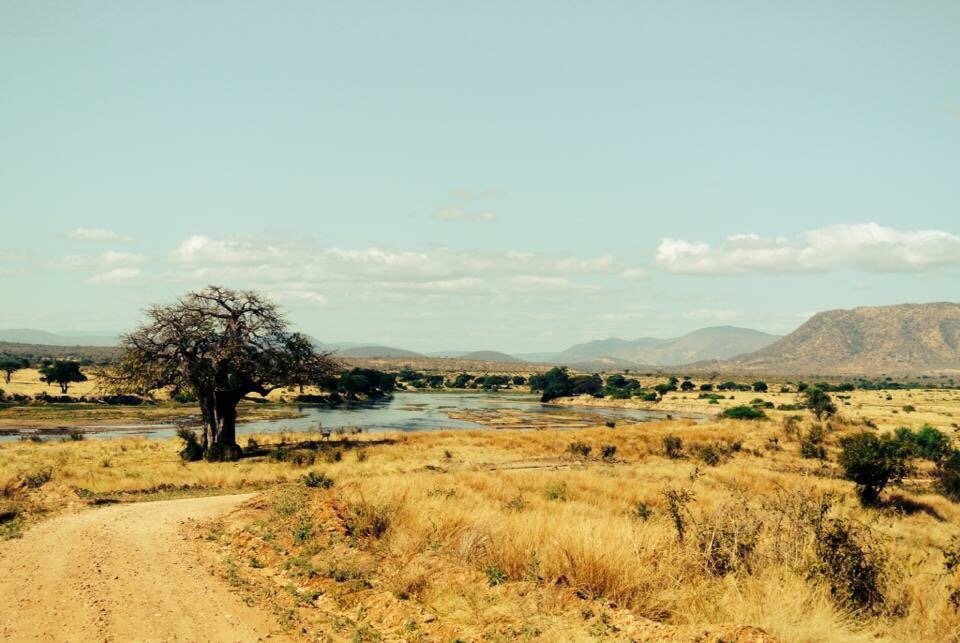
Reaching Ruaha’s Location: Fly-In and Road Safari Options
Getting to the park’s remote position comes down to two choices. Flying is the usual pick, with light aircraft landing at Msembe airstrip near park headquarters or at Jongomero airstrip for camps in the south. Carriers on the routes include Coastal Aviation, Auric Air, Safari Air Link and Flightlink, and connections run from Dar es Salaam, Zanzibar, Arusha and the neighbouring southern parks. The road option suits travellers with time who want to see rural Tanzania, following the highway to Iringa and then the gravel road to the gate. Whichever you choose, plan to arrive before dark, since there is no night driving inside Ruaha.
Best Time to Visit Ruaha’s Region for a Safari
Now that the where is clear, the when is worth a line. The dry season from June to October is the standout time to visit this region, when wildlife draws to the river and game viewing peaks. The green season from November to April brings softer rates, superb birding and green country, with the trade-off of dispersed game and some camp closures in the wettest months. The park’s moderate altitude keeps the dry season pleasant by day and cool at night, so its central setting delivers comfortable safari weather for much of the year.
Frequently Asked Questions
Which region of Tanzania is Ruaha in?
Ruaha sits in the Iringa Region of south-central Tanzania. The park lies about 130 kilometres west of Iringa town, the nearest urban centre, and its position in the middle of the country places it firmly on the southern safari circuit rather than the northern one.
How big is Ruaha National Park?
The park covers around 20,226 square kilometres, which makes it one of Tanzania’s largest national parks and larger than the Serengeti. It grew to this size in 2008 when the Usangu wetlands were added, and it forms the core of the roughly 45,000 square kilometre Rungwa-Kizigo-Muhesi ecosystem.
How far is Ruaha from the nearest airport?
The park has its own airstrips inside it, at Msembe near headquarters and at Jongomero in the south, so light aircraft land within the park itself. For international arrivals, the main gateway is Julius Nyerere International Airport in Dar es Salaam, from which the flight to Ruaha takes about two to two and a half hours.
Is Ruaha near the Serengeti?
No. Ruaha is in the south-central part of the country, while the Serengeti sits far to the north, so the two are not visited on the same short trip by road. There are air connections between the northern and southern circuits, but they are separate regions with a long distance between them. Ruaha pairs more naturally with the other southern parks and with Zanzibar.
How much does it cost to reach and enter Ruaha?
Getting there is the bigger cost. A light-aircraft flight from Dar es Salaam has commonly run at around 380 US dollars per person each way, while a road transfer is far cheaper but takes most of a day. Park entry for a non-resident adult is currently around 30 dollars per person for each 24 hours, before 18 percent VAT, with reduced rates for residents and East African citizens. Confirm current figures with TANAPA before you travel, as fees are reviewed each fiscal year.
Plan Your Ruaha Safari
Working out how a park this remote fits into a wider Tanzania trip can feel fiddly, and you do not have to map it alone. The safari companies and tour operators listed on this website plan routes into Ruaha every week, and they can slot it between the coast, Zanzibar and the other southern parks in a way that actually flows. Ask them straight and they will tell you which combination suits your time and budget rather than overselling the itinerary.
Whether you are flying in for a few nights or driving the long way through Iringa, the flights, transfers and park bookings are handled in the background so none of the logistics land on you. Want a proper quote, or just a steer on how Ruaha fits your route? Reach out to the operators listed here, and a real person, not a bot, will get back to you.