Which Animals Can You See in Ruaha National Park?
Ruaha National Park is home to lions, leopards, cheetahs, endangered African wild dogs, large elephant herds, buffalo, giraffe and unusual antelope such as greater and lesser kudu, sable and roan. Four of the Big Five are present, with no rhino, and the park logs well over 500 bird species. Ruaha is one of Tanzania’s largest national parks, in the south-central Iringa Region, and one of East Africa’s finest predator destinations for a safari.
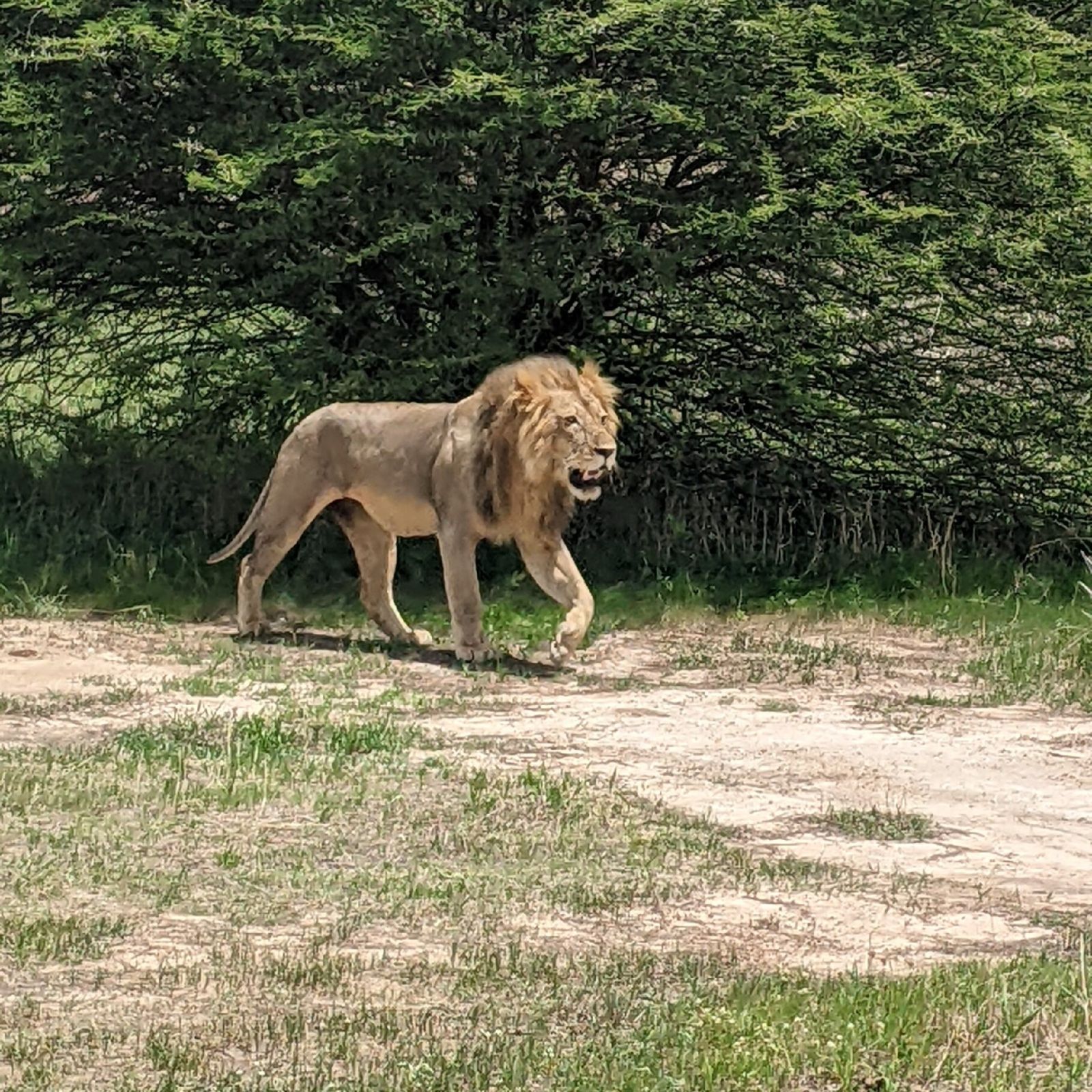
Lion Safaris in Ruaha National Park
Lions are the animal a Ruaha safari is built around. The greater Ruaha area is often cited as holding close to a tenth of the world’s remaining lions, and while any headline figure like that deserves a little caution, the day-to-day reality backs it up. Prides here run large, with groups of more than twenty seen fairly regularly, and they are bold enough to take down buffalo and even young giraffe.
The dry season is the time to see them at their best. As the river drops and prey has to come and drink, the prides set up around the remaining pools, and lions become both easier to find and more active. They are well used to vehicles, so sightings tend to be relaxed and close. Nothing in the bush is promised, but few parks stack the odds of a good lion sighting as high as Ruaha does across a stay of a few nights.
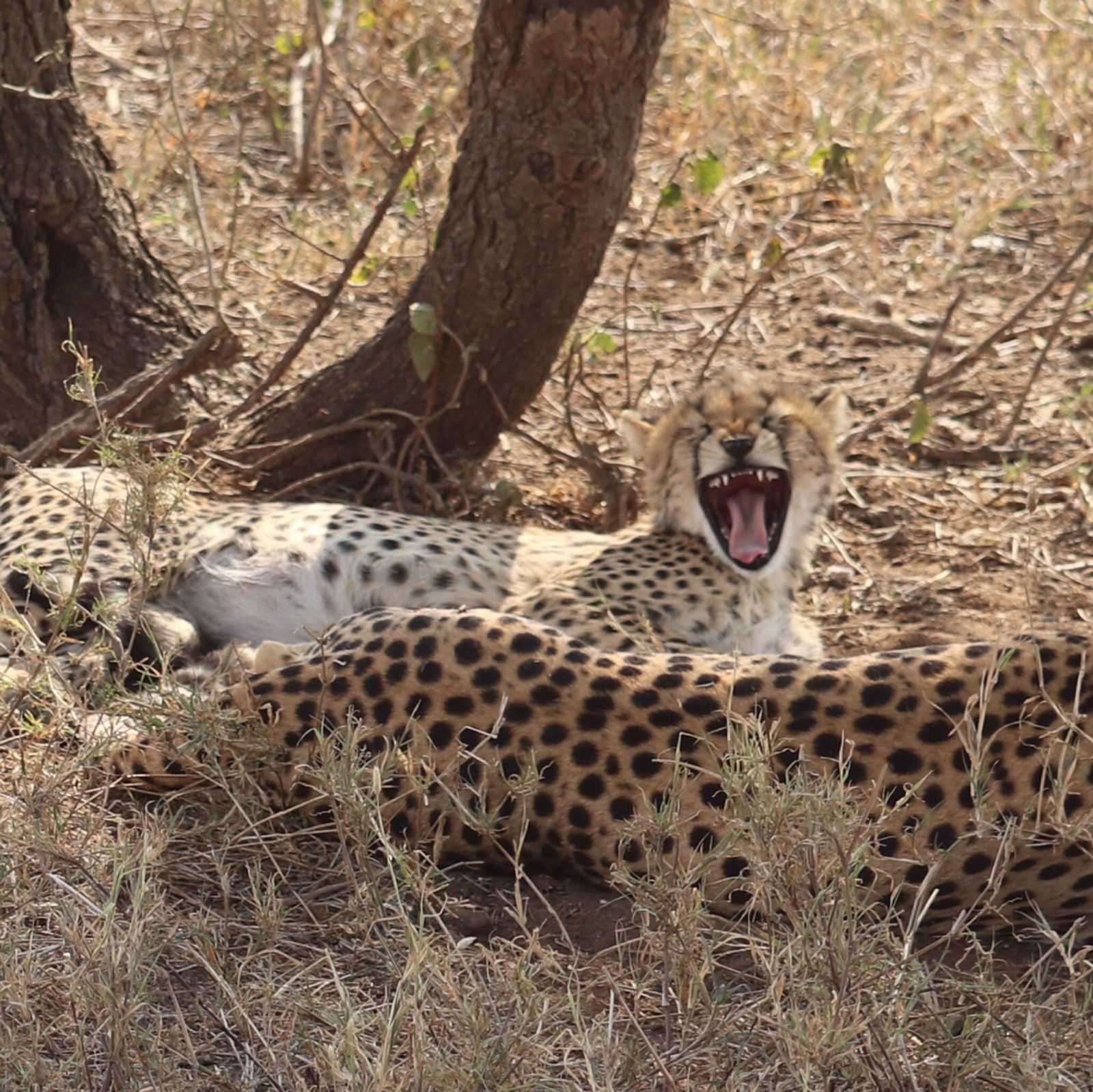
Leopard and Cheetah Safaris in Ruaha
Ruaha is strong on the other big cats too. Leopard sightings are reliable by safari standards, with cats often draped in sausage trees through the heat of the day, and the park has a solid reputation for them. Cheetah work the open plains, and Ruaha holds one of only a few cheetah populations left in East Africa, so a cheetah safari here is a real prospect rather than a long shot.
Both cats reward patience and a good guide. Leopards are most active around dawn and dusk, which is why a night drive at a camp licensed to run one can turn up a cat you would never see by day. Cheetahs favour the open ground where they can use their speed, so the plains rather than the thick bush are where to look. As with all cats, treat a sighting as a bonus earned over several drives, not a box to tick on the first afternoon.
African Wild Dog Tracking Safaris in Ruaha
The African wild dog is the animal serious safari-goers travel to Ruaha for. Around a hundred of these endangered dogs range across the park, one of the larger remaining groups anywhere, which puts Ruaha among the best places in Africa to look for them. A wild dog tracking safari is unpredictable by nature, since a pack can cover enormous distances in a day, so a sighting is never guaranteed.
The odds swing in your favour in the denning months around June and July, when a pack ties itself to one den site and stops roaming. That is the window to aim for if wild dogs top your list. Tell your guide it is a priority, and the drives can be planned around known denning areas, which is the single best way to improve your chances.
Ruaha carries roughly a hundred African wild dogs, one of the last great strongholds for a species vanishing across most of its old range. A pack on the move at dawn is a sighting few parks can offer.
Elephant Safaris Along the Great Ruaha River
Ruaha holds one of the largest elephant populations in Tanzania, with figures commonly quoted around ten thousand across the greater ecosystem. In the dry season the herds move to the riverbed and dig into the sand with trunks and feet to reach water below the surface. Standing back and watching a family group work a dry channel in the low light is one of the calmer pleasures of an elephant safari here, and it tends to stay with people longer than the dramatic predator sightings.
The best months for elephants match those for predators, broadly August to October, when the river is at its lowest and the herds have nowhere else to go for water. In the green season they disperse into the wider bush as water becomes easy to find, so the dry months are the ones for reliable, close elephant viewing.
Buffalo, Giraffe and Plains Game Safaris in Ruaha
Between the big sightings, Ruaha’s general game keeps a plains game safari busy. Large buffalo herds move through the river country, giraffe browse the acacia, and zebra, eland and impala fill the open ground. Buffalo complete the park’s four of the Big Five, alongside lion, elephant and leopard. There are no rhino in Ruaha, which is worth knowing before you arrive so the expectation matches the park.
The big cats. Lion in large prides, reliable leopard and open-plains cheetah. Best in the dry season around the river.
Wild dog. Around a hundred in the park, endangered and wide-ranging. Best odds in the June to July denning season.
Elephant and buffalo. Large herds drawn to the riverbed in the dry months, digging for water in the sand.
Rare antelope. Greater and lesser kudu together, plus sable and roan, a combination found in few other parks.
Greater and Lesser Kudu, Sable and Roan Antelope Safaris
Here is where Ruaha shows off. The park sits where East African and Southern African wildlife overlap, so the antelope list reads like two ecosystems in one. Greater and lesser kudu both occur here, which is unusual, and the greater kudu bulls, with their long spiralled horns, are a signature sight that photographers come specifically to find. Sable and roan antelope, both handsome and both scarce elsewhere, favour the hilly, wooded ground.
The overlap runs further. Ruaha is one of the few places where Grant’s gazelle graze alongside impala, and where the shy striped hyena shares the night with its spotted cousin. For anyone who has done a few safaris and thought they had seen the standard cast, this mix is what makes a Ruaha safari feel fresh.
Hippo, Crocodile and Riverine Wildlife in Ruaha
The Great Ruaha River and its pools hold their own cast. Hippo crowd the deeper water through the dry months, grunting and jostling in ever tighter pools as the level drops, and crocodiles line the banks. The riverine strip is also where much of the general game comes to drink, so a slow morning parked near the water often turns up a steady procession of animals rather than one big sighting. Waterbirds work the shallows, adding to the count for anyone with an eye for birds.
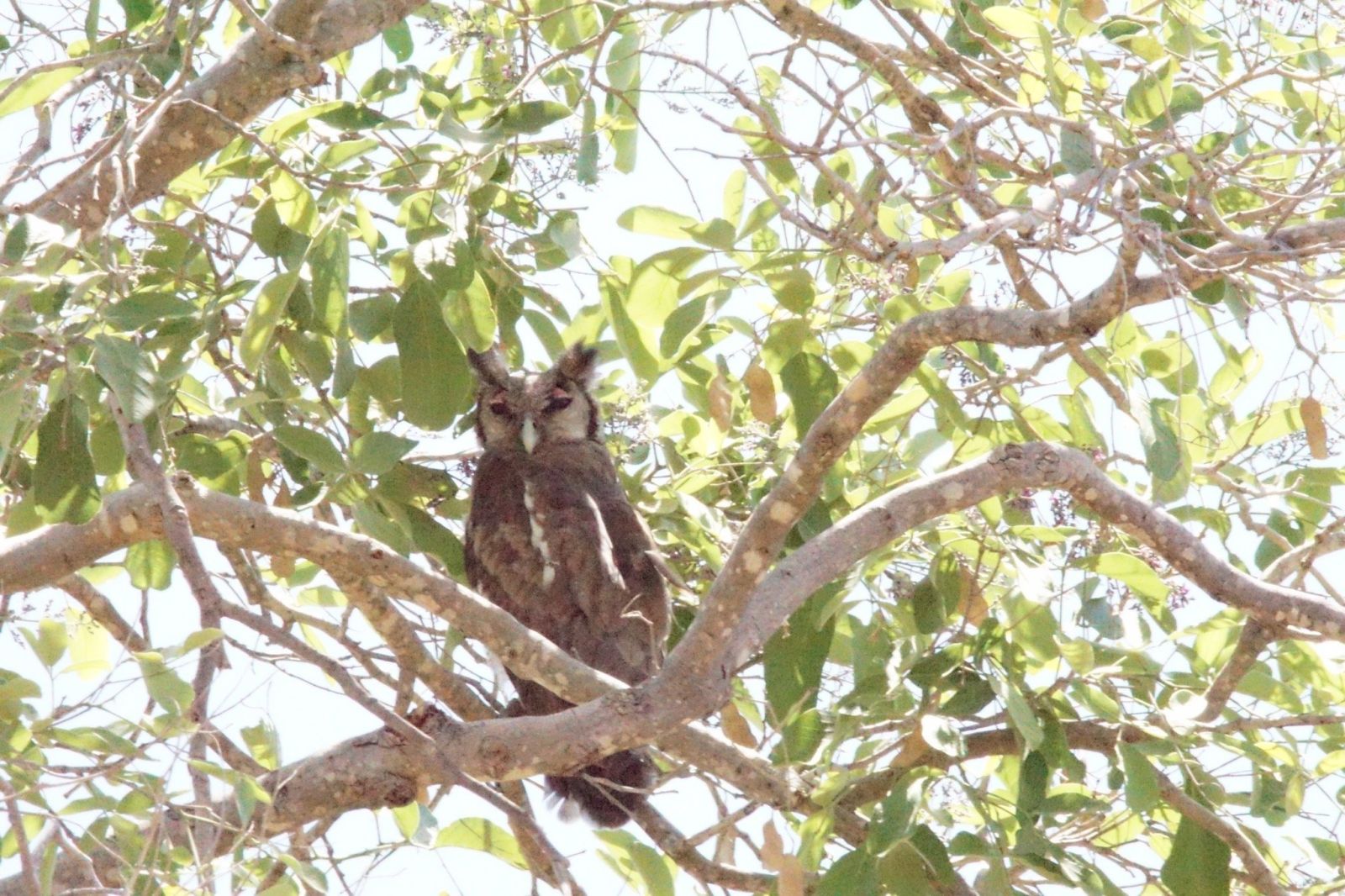
Birdwatching Safaris in Ruaha National Park
Ruaha is a serious birding park, with a checklist running well over 500 species and many sources putting it north of 570. A birdwatching safari turns up bee-eaters, hornbills, kingfishers, eagles and storks year round along the river and in the woodland. The green season, roughly November to April, brings migrants from Europe and Asia and lifts the count further, so keen birders often favour the wet months. Bring binoculars whenever you come, since the birdlife fills the slower game-viewing hours nicely.
Best Time to See Ruaha’s Wildlife on Safari
For mammals, the dry season from June to October is the clear winner, when thin bush and shrinking water concentrate wildlife along the river and predator action peaks. For birds, the green season from November to April is best, as migrants arrive and residents move into breeding colour. If your heart is set on a particular animal, time the trip to it: dry season for cats, elephants and general game, early dry season for wild dogs, and the green months for the fullest bird list.
Frequently Asked Questions
Can you see the Big Five in Ruaha?
You can see four of them. Lion, elephant, leopard and buffalo are all present, with lion and elephant especially strong. There are no rhino in Ruaha, so the full Big Five is not on offer. What the park adds instead is excellent cheetah and wild dog viewing, which many people rate above a rhino sighting.
What is Ruaha most famous for?
Its predators, above all its lions. The greater Ruaha area is often cited as holding around a tenth of the world’s remaining lions, in some of the largest prides recorded. The park is also one of the last strongholds for African wild dog and one of the few homes of cheetah in East Africa, which together make it one of the continent’s top predator destinations.
How many animal species live in Ruaha?
The park supports around 80 mammal species and a bird checklist of well over 500, with many sources citing more than 570. The real draw is not just the number but the mix, since Ruaha sits where East African and Southern African wildlife overlap, giving it species combinations found in few other parks.
Are wildlife sightings guaranteed in Ruaha?
No sighting is ever guaranteed in a wild park. What Ruaha offers is strong density and space, which stacks the odds over a stay of a few nights. Lions, elephants and general game are commonly seen through the dry season, leopard sightings are reliable by safari standards, and wild dogs are possible but always a bonus given how far they range.
How much does a wildlife safari in Ruaha cost?
It depends on how you travel and where you stay. Park entry for a non-resident adult is currently around 30 US dollars per person for each 24 hours, before 18 percent VAT, with reduced rates for residents and East African citizens. On top of that come flights, which have commonly run around 380 dollars per person each way from Dar es Salaam, and accommodation, which ranges widely by tier. Confirm current park fees with TANAPA before you travel, as they are reviewed each fiscal year.
Plan Your Ruaha Safari
Knowing what lives here is one thing, and putting yourself in front of it at the right hour is another, so you do not have to plan the wildlife side alone. The safari companies and tour operators listed on this website run drives in Ruaha through every season, with guides who know where the prides rest through the heat and how to read the signs of a wild dog pack on the move. Ask them straight and they will tell you which animals are likely on your dates and which are a long shot.
Whether the budget is tight or open, the drives get shaped around what you most want to see, and the flights, park bookings and camp choices are handled in the background so none of the admin lands on you. Want a proper quote, or just a steer on timing your wildlife sightings? Reach out to the operators listed here, and a real person, not a bot, will get back to you.