4-Day Mikumi and Ruaha Road Safari
This 4-day Mikumi and Ruaha road safari drives from Dar es Salaam through Mikumi National Park and on to Ruaha, combining two southern parks without the cost of flights. Expect roughly 1,100 to 2,200 US dollars per person sharing depending on accommodation, including transport, park fees, meals and guided drives. It suits budget-minded travellers with time who want to see the country as well as the wildlife.
Why Choose This Road Safari
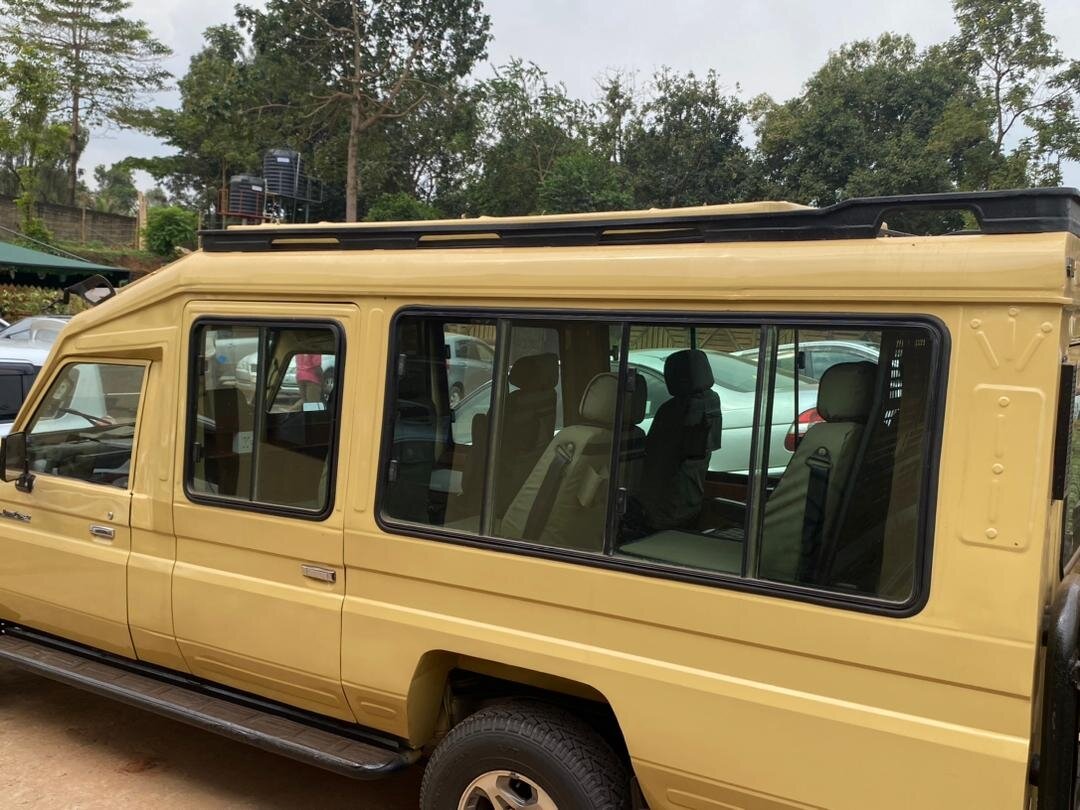
The case for driving is cost and context. Skipping the light-aircraft flights, which have commonly run around 380 US dollars per person each way to Ruaha alone, brings the trip within reach of a much wider range of budgets, and it lets you add Mikumi almost for free since the park sits on the road west from Dar es Salaam.
You also see rural Tanzania rather than flying over it, passing through farming country, the highlands and the town of Iringa with its Stone Age and colonial-resistance history. The trade-off is time in the vehicle, since Ruaha is genuinely remote, so this itinerary suits travellers who enjoy overland travel rather than those wanting to maximise hours on game drives.
Day One: Dar es Salaam to Mikumi
You leave Dar es Salaam early for the drive west, roughly five to six hours on paved road to Mikumi National Park, the closest major park to the city. After checking in and having lunch, you head out on an afternoon game drive across the Mkata floodplain, Mikumi’s open heart, which supports good numbers of elephant, buffalo, zebra, giraffe, impala and wildebeest.
Mikumi is a genuinely rewarding park in its own right rather than a filler stop, with the Uluguru mountains rising behind the plain and lion often found on the floodplain. The drive finishes at dusk and you overnight at a lodge or tented camp in or near the park.
Day Two: Mikumi to Ruaha via Iringa
An early game drive in Mikumi catches the best of the morning before you set off west for the long haul to Ruaha. The road climbs into the southern highlands, cooler and greener country, passing through the rolling farmland of the Iringa region, and you stop in Iringa for lunch after roughly four to five hours.
Where time allows, the afternoon can take in one of the Iringa cultural sites, either Isimila with its Stone Age tools and sandstone pillars or Gangilonga Rock linked to Chief Mkwawa of the Hehe. Then it is the final stretch, roughly a hundred to a hundred and thirty kilometres of gravel taking two to three hours, reaching the Msembe gate in daylight since no night driving is allowed in the park.
Day one. Dar es Salaam to Mikumi by road, five to six hours, afternoon game drive on the Mkata floodplain, overnight near the park.
Day two. Early Mikumi drive, then west through the highlands to Iringa, optional cultural stop, and on to Ruaha arriving before dark.
Day three. Full day in Ruaha, dawn drive on the Great Ruaha and the Mwagusi, midday rest, afternoon drive and sundowners.
Day four. Final morning drive in Ruaha, then the long return drive to Dar es Salaam, or an overnight in Iringa to break it.
Day Three: Full Day of Game Drives in Ruaha
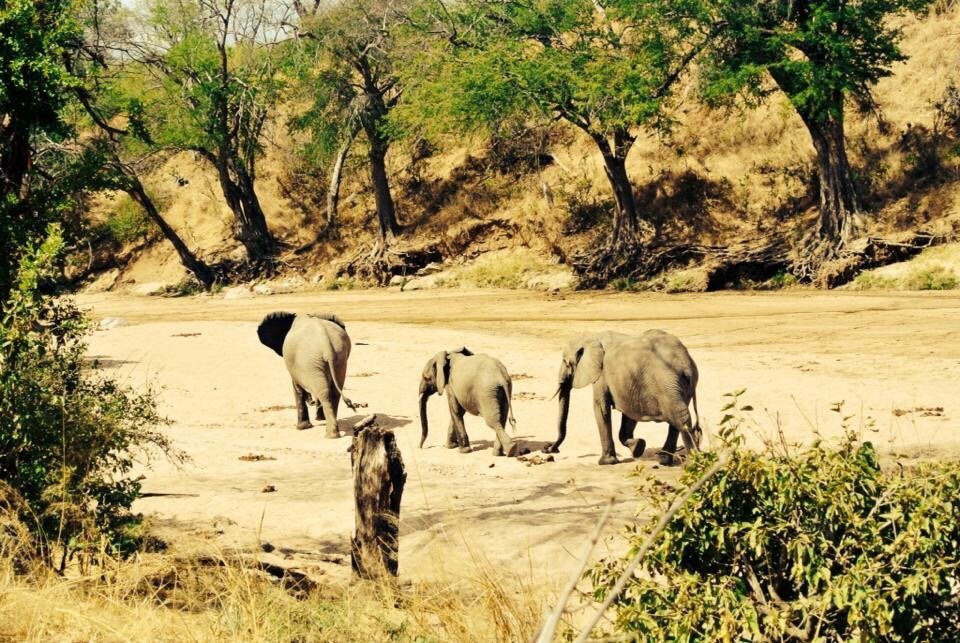
This is the day the trip is built around. A pre-dawn start puts you out as the light comes up, working the Great Ruaha River and the Mwagusi sand river where the park’s large lion prides and its elephant herds concentrate, and where elephants dig in the sand for the water held beneath.
After the peak morning hours you either return for brunch and a rest through the heat or carry a packed lunch and stay out for a full day reaching deeper into the park. The afternoon drive works the river again as the animals come down to drink in the cooling hours, finishing with sundowners before dinner at camp.
Day Four: Morning Drive and Return Drive
A final early game drive catches the best of the morning, often the most productive of the whole trip, and some camps set up a bush breakfast out in the park. Then you begin the long return drive, retracing the gravel to Iringa and the highway east toward Dar es Salaam.
This is a long day, roughly eight to ten hours of driving in total, so many operators offer the alternative of an overnight in Iringa and a relaxed run to the coast on a fifth day, which is worth considering if the schedule allows. Confirm which version your quote covers, since it affects both cost and comfort.
If your onward plans allow it, the extra night in Iringa is generally money well spent. It turns a punishing final day into two manageable ones, it gives you the chance to see the Isimila site or Gangilonga Rock properly if you skipped them on the way out, and it means arriving in Dar es Salaam rested rather than late and exhausted. Ask for both versions when you request a quote so you can weigh the difference.
What This Road Safari Costs Per Person
As a working guide for two people sharing, expect roughly 1,100 to 1,400 US dollars per person using budget lodges and camps outside the parks, around 1,500 to 1,800 for mid-range accommodation, and from about 1,900 to 2,200 for the better tented camps inside Ruaha.
Those figures include private 4×4 transport with a driver-guide throughout, park entry fees for both Mikumi and Ruaha, three nights accommodation, all meals, guided game drives and drinking water. Note that a private 4×4 with driver typically runs in the region of 200 to 300 dollars per day, which is the largest single component after accommodation, and it is shared between everyone in the vehicle, so larger groups pay appreciably less per head.
What Is Included and Excluded
Included are private 4×4 transport and a professional driver-guide for the whole trip, park entry fees for both parks, the vehicle entry fee, three nights accommodation, all meals on safari, guided game drives and drinking water.
Excluded are international flights, visa fees, travel insurance covering safari activities and remote medical evacuation, alcoholic and premium drinks, tips for your guide and camp staff, entry fees for the Iringa cultural sites, which are modest at a few dollars each, optional extras such as night drives at around 50 dollars per person or walking safaris at roughly 20 to 40 dollars, and any single supplement.
Best Time to Take This Road Safari
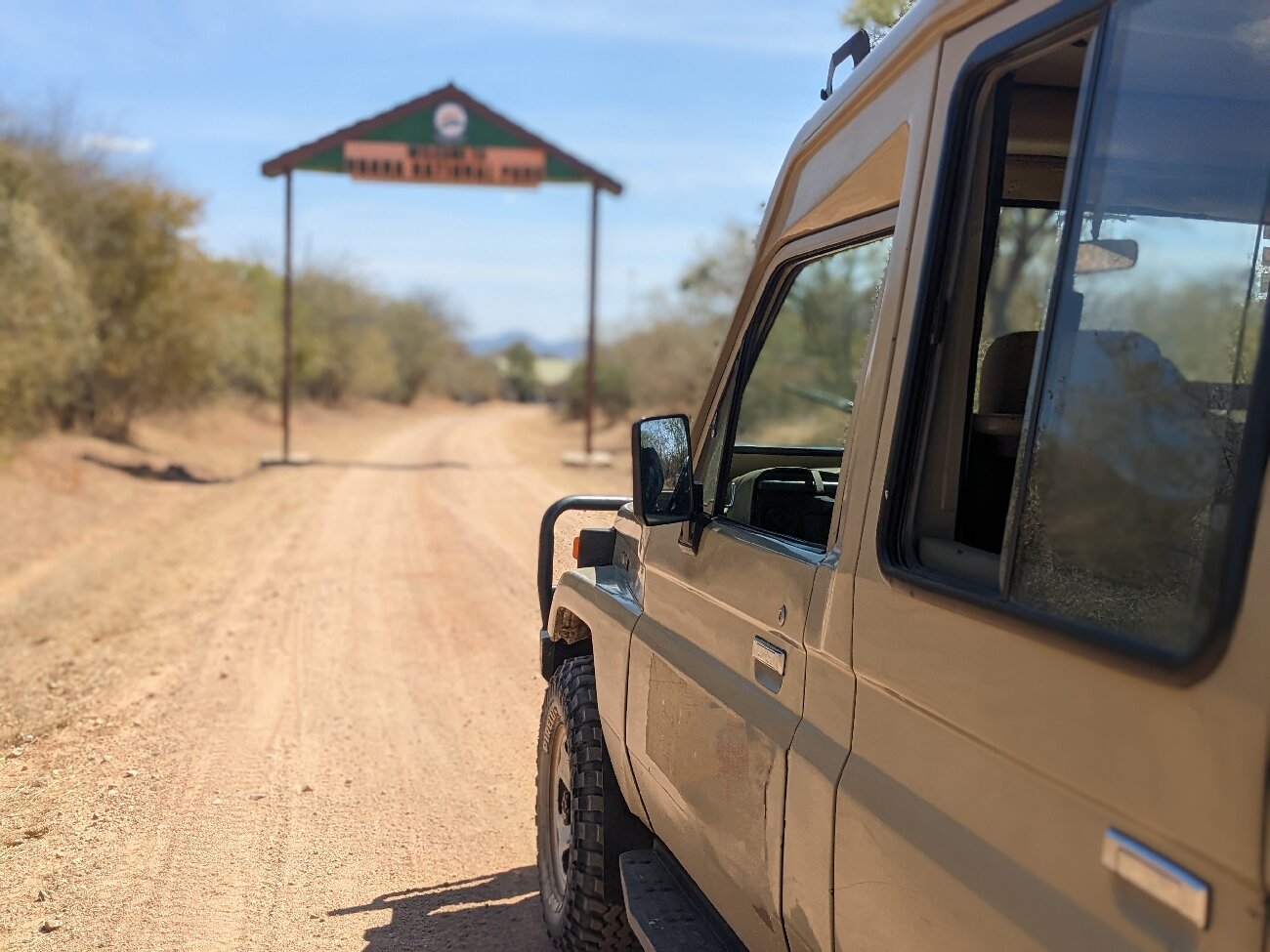
The dry season from June to October is much the better choice for this itinerary, and not only for wildlife. The gravel road from Iringa to the gate is at its best then, whereas heavy rain can make it slow and difficult, and the concentrated game along the Great Ruaha rewards your limited time in the park.
In the green season from November to April rates drop and the highlands are green and handsome, but the approach road deteriorates, game disperses in both parks, and some Ruaha camps close in the wettest weeks. Given how much of this trip is spent driving, road conditions are a real consideration rather than a footnote.
Who This Road Safari Suits
It suits budget-conscious travellers, those who genuinely enjoy overland travel and want to see the country between the parks, small groups who can share the vehicle cost, and anyone curious about the Iringa historical sites. Two parks for the price of a road trip is good value.
It suits less well those who dislike long drives, travellers with tight schedules who would rather spend the same days on game drives, and families with young children, for whom the two long driving days are hard work. Anyone in that position should compare it against the three-day fly-in, which costs more but puts nearly all your time in the park.
A middle option worth asking about is flying one leg and driving the other, typically driving out via Mikumi and Iringa and flying back from Ruaha to Dar es Salaam. That keeps the overland experience and the second park while removing the punishing final drive, and it costs appreciably less than flying both ways. Operators arrange this routinely, so raise it when you request a quote if the long return day is your main hesitation.
Frequently Asked Questions
How much driving does this safari involve?
A fair amount. Day one is five to six hours to Mikumi, day two is roughly six to eight hours to Ruaha including the gravel stretch, and day four is eight to ten hours back to Dar es Salaam unless you break it with an overnight in Iringa. It suits travellers who enjoy overland travel.
What does this safari cost per person?
Roughly 1,100 to 1,400 US dollars per person sharing using budget accommodation, 1,500 to 1,800 mid-range, and 1,900 to 2,200 for better camps inside Ruaha, including transport, park fees for both parks, accommodation, meals and guided drives. Larger groups pay less per head since the vehicle cost is shared. Confirm current pricing with the operator.
Is it worth adding Mikumi?
Yes, since it sits on the road west from Dar es Salaam and adds a second park for very little extra travel. The Mkata floodplain supports good numbers of elephant, buffalo, zebra, giraffe and wildebeest with the Uluguru mountains behind, and lion are often found there. It is a rewarding park rather than a filler stop.
Should I drive or fly to Ruaha?
Driving costs considerably less and shows you rural Tanzania and the Iringa sites, but consumes the better part of two days in transit. Flying takes about two to two and a half hours each way and puts nearly all your time in the park. Choose driving if budget and the overland experience matter, flying if your days are limited.
Are park fees for both parks included?
Yes, entry fees for both Mikumi and Ruaha are included in the quoted rates, along with the vehicle entry fee. For reference, Ruaha entry is currently around 30 US dollars per non-resident adult per 24 hours before 18 percent VAT, with reduced rates for residents and East African citizens. Fees are reviewed annually, so confirm current rates with TANAPA before you travel.
Book This Ruaha Safari
A road trip of this length depends on a sound 4×4, a driver-guide who knows the route and sensible daily distances, so it is worth booking with an operator who runs it regularly rather than improvising. The safari companies and tour operators listed on this website arrange this Mikumi and Ruaha itinerary from Dar es Salaam throughout the year.
Whether the budget is tight or open, the vehicle, guiding, accommodation and park fees are handled in the background so none of the admin lands on you. Want a firm quote for your dates, or a version with an extra night to shorten the driving days? Reach out to the operators listed here, and a real person, not a bot, will get back to you.