Great Ruaha River Exploration in Ruaha National Park
Exploring the Great Ruaha River means following the park’s lifeline along its eastern boundary, where the water draws elephants, lions, hippos and hundreds of bird species, especially in the dry season. Game drives, walks and riverside camps all centre on this watercourse, which shapes the whole park. Ruaha is one of Tanzania’s largest national parks, in the south-central Iringa Region, and the anchor of the country’s quieter southern safari circuit.
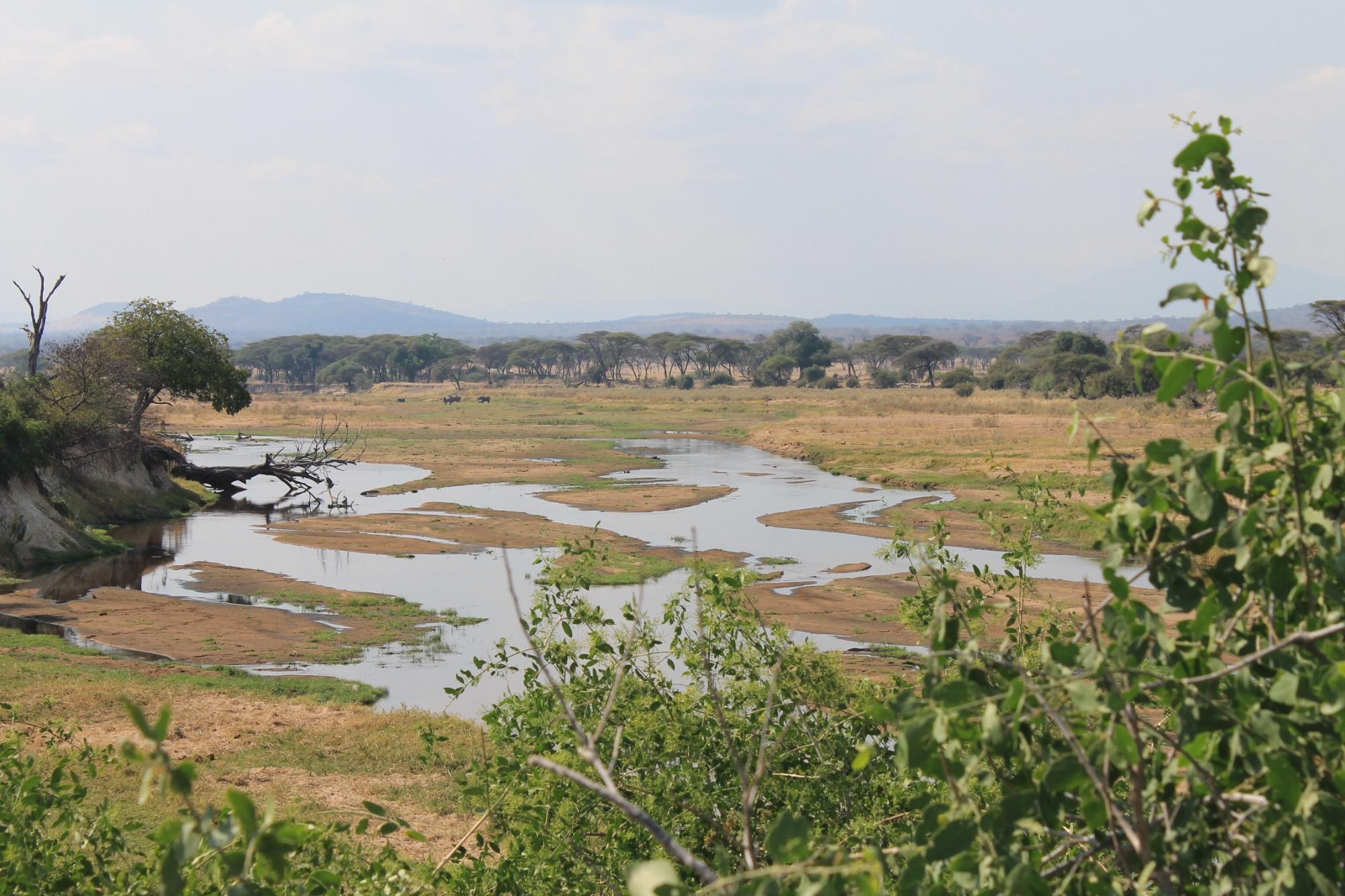
Exploring the Great Ruaha River on Safari
The Great Ruaha River is the reason the park exists in the form it does, and exploring it is the backbone of nearly every Ruaha safari. Running along the park’s eastern boundary, it is the one permanent water source in a hot, semi-arid country, so everything that lives here depends on it in some way. The park even takes its name from the river, drawn from the Hehe word for river, which tells you how central it is.
Exploration here means following the river by vehicle along its banks, stopping at pools and crossings, and walking sections of it on foot where camps offer guided walks. There is no boating on the river, so the water is watched from the land rather than travelled on. Over a few days, tracing the river from one stretch to the next gives you the clearest possible picture of how the park works and why its wildlife behaves as it does.
Why the River Is the Heart of a Ruaha Safari
Everything in Ruaha organises itself around this water. In the dry season, when the surrounding country has nothing left, the animals must come to the river to drink, so the wildlife concentrates along it in numbers that make game viewing straightforward. The predators know this, so the big lion prides set up nearby, and the whole drama of the dry-season park plays out within reach of the banks.
This is why camps cluster along the river and why guides work its length hardest. A drive that follows the water will nearly always outproduce one that heads into the dry interior, particularly from August onward. Understanding that simple relationship, water pulls prey, prey pulls predators, is the key to reading a Ruaha safari and knowing where to spend your time.
Wildlife Watching Along the River on Safari
The riverbanks deliver the fullest cross-section of the park’s wildlife. Elephants come down in family groups to drink and bathe, and to dig for water in the sandy stretches. Buffalo arrive in large herds, with lions often waiting where the prey must pass. Hippos crowd the deeper pools and Nile crocodiles bask on the sandbanks. Impala, waterbuck, zebra, giraffe and both greater and lesser kudu file in to drink, edgy and alert.
The birding along the water is equally strong. Fish eagles call from the tall trees, Goliath herons stalk the shallows, kingfishers work the banks, and storks, egrets and plovers feed at the water’s edge. Because the riverine strip is such a productive habitat, a slow drive along it can produce a longer list, both birds and mammals, than hours spent anywhere else on a Ruaha safari.

The park takes its name from the river, and rightly so. In the dry months everything that lives here has to come to the Great Ruaha eventually, which is why a drive along its banks shows you the whole park in miniature.
Sand Tributaries and Seasonal Watercourses on Safari
The Great Ruaha does not work alone. A network of sand rivers feeds into it, chief among them the Mwagusi, along with the Jongomero and the Mzombe, and these seasonal watercourses are as important to the safari as the main river. For much of the year they run dry on the surface, but water sits just beneath the sand, which is where the elephants dig their wells.
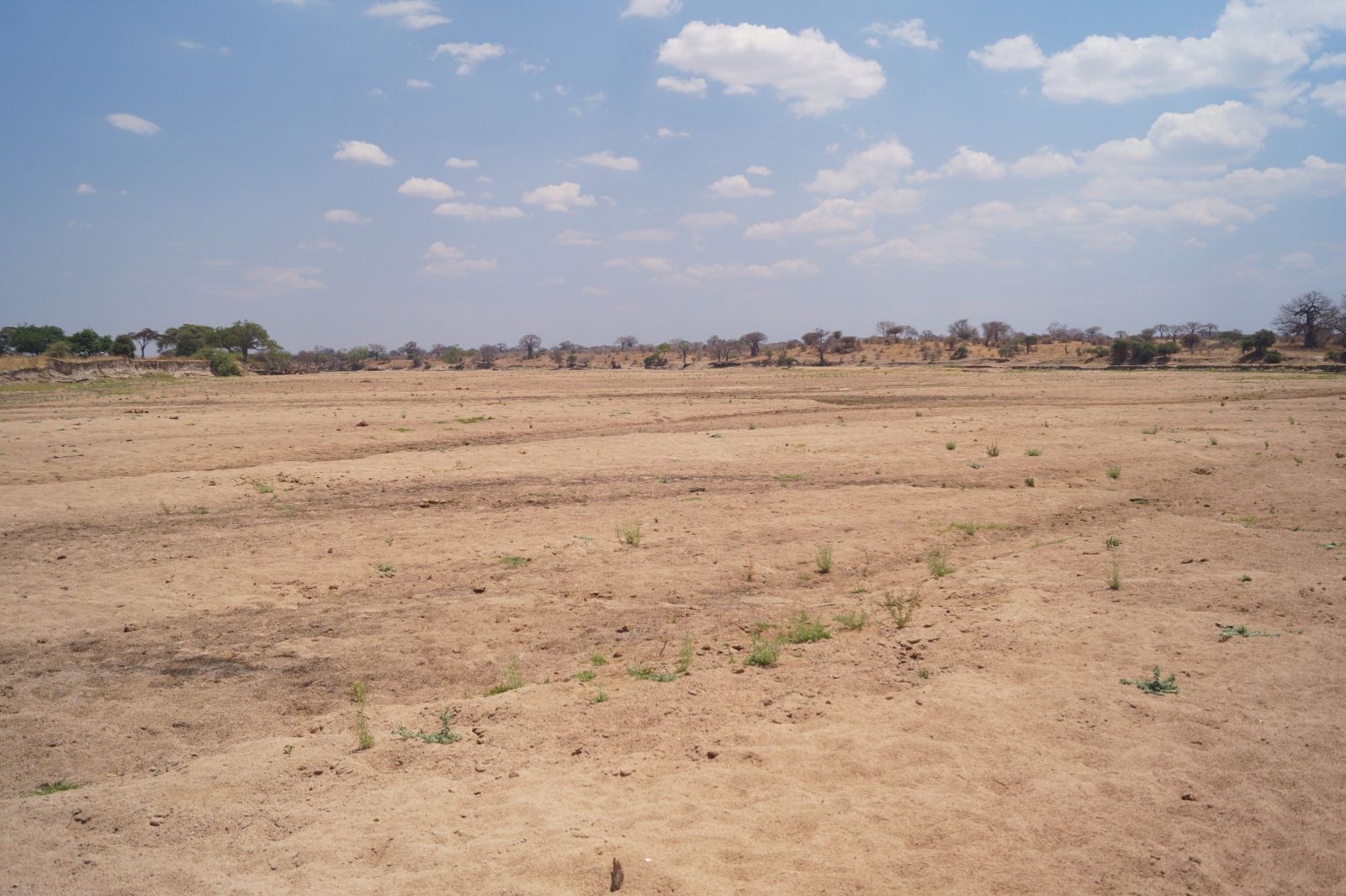
These sand rivers make superb game-viewing corridors. Their open beds give clear sightlines, the surrounding vegetation is thicker and holds leopards, and the wildlife uses them as highways through the bush. Several of the park’s best camps sit on these tributaries precisely because the game concentrates there in the dry season. Exploring the sand rivers alongside the main channel gives a fuller picture of the river system on a Ruaha safari.
Riverside Safari Camps and Where to Stay for River Access
If the river is your focus, base yourself on it. Several camps sit directly on the Great Ruaha or its tributaries, with rooms and decks looking over the water, so the wildlife comes to you between drives. Watching elephants drink from your veranda over breakfast is a particular pleasure of a riverside camp, and it means the viewing does not stop when the vehicle does.
Camps on the Mwagusi and other sand rivers offer a slightly different experience, overlooking a dry bed where game moves through and elephants dig. Both work well. What matters is being in the central river country rather than far from it, since that is where the dry-season action concentrates. Ask your operator to place you where the river access matches how you want to spend your days on a Ruaha safari.
Walking Safaris Along the Riverbanks
Some of the best walking in Ruaha follows the river. A guided walking safari, led by an armed ranger, along a riverbank or a sand riverbed gives you the tracks and signs written clearly in the soft ground, so you can read exactly what came through overnight. The sand holds prints beautifully, and a guide will show you the difference between a hyena and a wild dog, or point out where an elephant dug for water.
Walking also brings the smaller river life into focus, the birds along the bank, the insects, the plants that grow only where the water reaches. It is a slower, closer way to know the river than driving its length, and the safety rules are strict, with single file, quiet voices and the ranger’s instructions followed exactly. For many visitors, a morning walking a sand river is the highlight of the trip.
The River Under Pressure: Conservation on a Ruaha Safari
The Great Ruaha faces a real problem that is worth knowing about. Water use upstream, largely for irrigated agriculture in the Usangu wetlands region, has reduced the flow, and stretches that once ran year round have in recent decades dried up completely in the worst months. Downstream, the river feeds a hydro-power scheme, so its water is pulled in several directions at once.
The consequences fall on the wildlife. When the river stops flowing, the animals that depend on it in the hardest weeks of the year suffer, and so do the communities downstream. Efforts to manage the basin’s water more carefully involve the park, government and local people together, and their success shapes the park’s future. Understanding this adds depth to what you are looking at on a Ruaha safari, since the river you are watching is under genuine strain.
Best Time of Year to Explore the Great Ruaha River
The dry season from June to October is the time to explore the river, and the peak from August to October is best of all. As the surrounding country dries out, the river becomes the only water for miles, so the wildlife concentrates along it and a drive on its banks delivers sighting after sighting. The river itself shrinks to a chain of pools, which packs the hippos in and forces every other animal to come within view.
In the green season from November to April, the river runs full and strong, which is beautiful and dramatic in its own right, with the country green around it, but the wildlife spreads out because water is available everywhere. The birding is at its best then, with migrants arriving. For wildlife along the water, come in the dry months; for the river at its fullest and the birds at their richest, come in the green season on your Ruaha safari.
Frequently Asked Questions
Why is the Great Ruaha River important?
It is the park’s lifeline, the one permanent water source in a hot, semi-arid country, so in the dry season all the wildlife must come to it to drink. This concentrates game along its banks and draws the predators that hunt them. The park is named after the river, from the Hehe word for river.
Can you go boating on the Great Ruaha River?
No. There are no boat safaris on the Great Ruaha, so the river is explored from the land by vehicle along its banks and on foot with guided walking safaris where camps offer them. The viewing from the banks and from riverside camps is excellent, particularly in the dry season when animals crowd the water.
Does the Great Ruaha River dry up?
Stretches of it do. Water use upstream, largely for irrigated agriculture, has reduced the flow in recent decades, and sections that once ran year round now stop flowing in the worst dry months. This harms the wildlife that depends on the river and the communities downstream, and managing the basin’s water better is a shared conservation challenge.
What animals can you see at the river?
Elephants drinking, bathing and digging in the sand, large buffalo herds, lions waiting where prey must pass, hippos in the pools and crocodiles on the sandbanks, plus impala, waterbuck, zebra, giraffe and both greater and lesser kudu. The birding is superb too, with fish eagles, Goliath herons, kingfishers, storks and egrets along the water.
How much does a river-focused safari cost?
Exploring the river happens on standard game drives and walks, so the cost is that of any Ruaha safari. Park entry is currently around 30 US dollars per non-resident adult per 24 hours before 18 percent VAT, with reduced rates for residents and East African citizens. A guided walking safari carries its own fee, often around 20 to 40 dollars per person. Confirm current fees with TANAPA before you travel.
Plan Your Ruaha Safari
Basing yourself on the right stretch of river, and working it at the hours when the wildlife comes to drink, is what turns a good trip into a great one, and that takes local knowledge. The safari companies and tour operators listed on this website know the Great Ruaha and its sand tributaries through every part of the season, and they can place you in a camp with the river access that suits how you want to travel.
Whether the budget is tight or open, the drives, walks, flights and park bookings are handled in the background so none of the admin lands on you. Want a proper quote, or just a steer on the best riverside camps? Reach out to the operators listed here, and a real person, not a bot, will get back to you.