The Mdonya Sand River
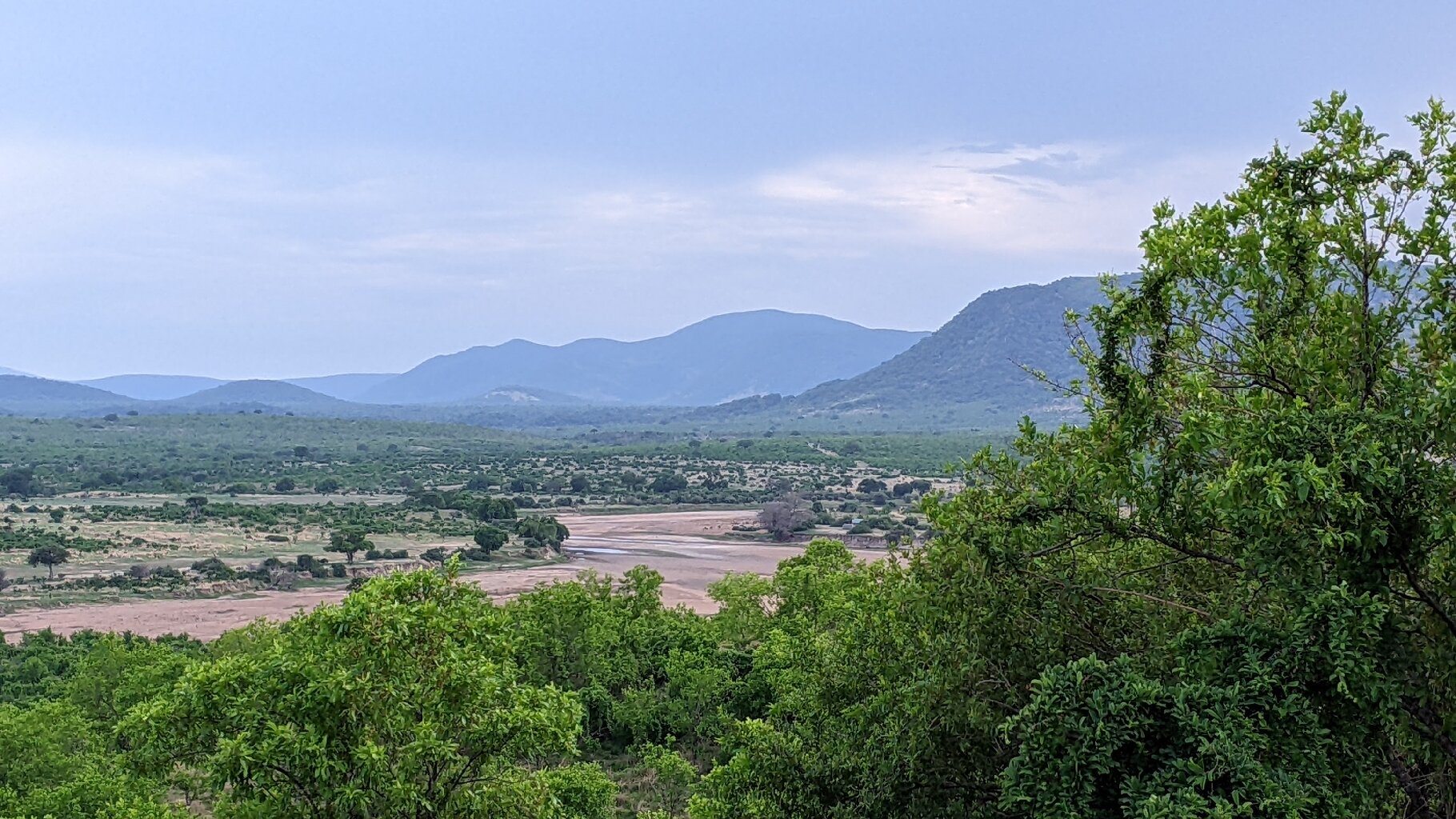
The Mdonya Sand River is one of Ruaha’s major seasonal watercourses, running through country known for its stands of miombo woodland where sable and roan antelope are found more readily than anywhere else in the park. Quieter than the Mwagusi and reached by its own loop road, it rewards travellers after unusual antelope. Ruaha is one of Tanzania’s largest national parks, in the south-central Iringa Region, and the anchor of the country’s quieter southern safari circuit.
Where the Mdonya Sits in the Park on Safari
The Mdonya is one of the park’s principal rivers, listed alongside the Great Ruaha, the Mzombe, the Mwagusi and the Jongomero as the watercourses that shape Ruaha. Like the Mwagusi, it is a sand river, meaning its bed lies dry on the surface for most of the year while water persists beneath, and it fills properly only during the rains.
It runs through the central and western part of the park, and the tracks serving it, including the route generally known as the Mdonya Loop, form one of the main game-viewing circuits away from the Great Ruaha itself. Because most visitors gravitate to the river frontage and the Mwagusi, the Mdonya sees fewer vehicles, so it offers a quieter alternative in a park that is already thinly visited on any Ruaha safari.
Its position also shapes how trips are structured. Because the Mdonya sits back from the Great Ruaha frontage, reaching it usually means committing a longer outing rather than slotting it into a short morning drive, so it tends to be visited deliberately rather than in passing. That barrier of distance is exactly what keeps it quiet, and travellers who make the effort often find they have the whole circuit to themselves for hours at a stretch.
The Mdonya Woodlands and Their Character
What sets this area apart from the park’s other sand rivers is the vegetation around it. The Mdonya country is known for handsome stands of miombo woodland, the broad-leaved woodland dominated by Brachystegia and related trees that characterises much of south-central Africa, and this gives the whole sector a different feel from the acacia and Commiphora bush along the main river.

Miombo is taller and more closed than the open bush, with a canopy that filters the light and a floor that greens up dramatically after rain. It is quieter country, less about sweeping views and more about working through woodland where sightings come at shorter range. That change of texture is one of the pleasures of exploring the Mdonya on a Ruaha safari, since it feels like a different park from the riverfront.
Sable and Roan Antelope on a Mdonya Safari
The headline reason to head for the Mdonya is antelope. Sable and roan, two of Africa’s most handsome and least commonly seen antelope, are strongly associated with miombo woodland, and the Mdonya stands are among the better places in the park to look for them. Both are genuine specialities of Ruaha, animals a visitor to the northern parks would not expect to see at all.
Sable are the more striking, the mature bulls almost black with white facial markings and long, sweeping back-curved horns, while roan are greyer and larger with shorter horns and a distinctive pale face. Neither is common, and both take patience and the right habitat, so a guide who knows the Mdonya woodlands is what makes the difference. For an experienced safari-goer building a list of unusual species, this sector is the target on a Ruaha safari.
Most visitors never leave the river frontage, which is exactly why the Mdonya woodlands are where you go for sable and roan. Different trees, different antelope, and hardly another vehicle.
Wildlife Watching Along the Mdonya
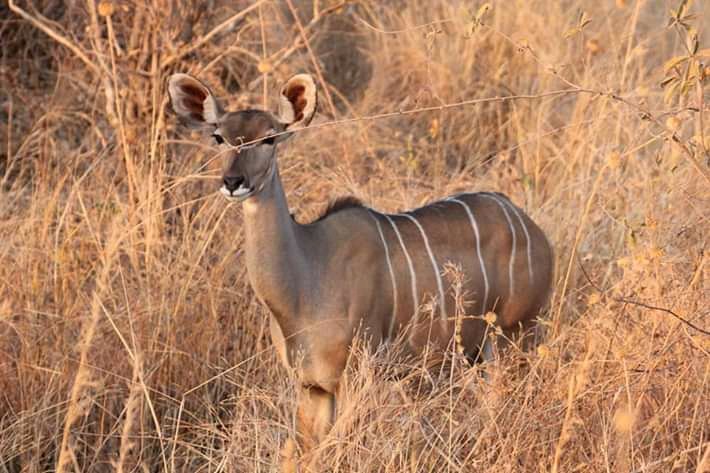
Beyond the specialist antelope, the Mdonya works as sand rivers do. Elephants dig in the bed for the water held beneath, as they do on the Mwagusi, and the open sand gives clear sightlines along its length. Greater and lesser kudu both use the woodland fringes, and the mix of cover and open bed suits leopards, which favour the thicker vegetation on the banks.
The bird life in miombo is worth attention in its own right, since this woodland type holds species tied closely to it that you simply will not find in the acacia country a few kilometres away. For a birder trying to build a full Ruaha list, a morning in the Mdonya woodlands fills gaps that no amount of river driving will. It is a genuinely different habitat with a different cast on a Ruaha safari.
Set your expectations accordingly, though. The Mdonya will not usually match the river frontage for the sheer number of animals seen in a morning, because the permanent water along the Great Ruaha concentrates game far more heavily in the dry season. What this sector offers instead is quality of a different kind: unusual species, quiet driving and the satisfaction of finding something most visitors to the park never see at all.
Staying Near the Mdonya on a Ruaha Safari
The sector has its own long-established camp, generally known as Mdonya Old River Camp, set among the trees near the watercourse. It has a reputation as one of the better-value places to stay inside the park, offering a straightforward, comfortable tented experience rather than a polished luxury one, which suits travellers who would rather spend on more nights than on more marble.
Basing here puts the Mdonya woodlands and their antelope on your doorstep, with the Great Ruaha and the wider central circuit within reach for drives. For visitors weighing where to stay, it represents a middle path: inside the park, in good game country, at a price well below the escarpment and riverfront luxury camps. Ask your operator how it compares for your dates when planning a Ruaha safari.
Staying in the sector also changes what your mornings look like. Rather than driving out from a river camp and arriving in the woodlands mid-morning when activity has already dropped, you are in the habitat at first light, which is when the antelope are most likely to be moving and the miombo birds most vocal. For anyone whose main goal is sable, roan or a full bird list, that head start is worth more than a smarter tent elsewhere.
Mwagusi country. Open sand bed, acacia and Commiphora bush, heaviest concentrations of elephant and lion, and the busiest camps. The classic Ruaha game corridor.
Mdonya country. Miombo woodland, shorter sightlines, fewer vehicles, and the park’s best odds on sable and roan antelope along with miombo birds.
Driving the Mdonya Loop on Safari
The circuit serving this area gives a good half-day or full-day outing from the central camps, and it works differently from a river drive. Where the Great Ruaha rewards patient waiting at pools, the Mdonya rewards steady working through woodland, scanning between the trees and along the sand bed for movement, since sightings here come at closer range and with less warning.
Guides tend to pair it with a picnic lunch and make a longer outing of it, since the distance from the central camps makes a quick trip impractical. That combination of a full day with a packed lunch and a route through the woodlands is how most visitors see this sector properly. It suits travellers happy to trade the density of the river for variety and quiet on a Ruaha safari.
Best Time to Visit the Mdonya Sand River on Safari
The dry season from June to October is the time to come, as it is across the park. The sand bed is firm and driveable, the water held beneath draws game in as the surrounding country dries, and the elephant digging is at its most active from August onward. Miombo also thins as the dry season advances, which improves visibility in what is otherwise fairly closed woodland.
In the green season from November to April, the miombo leafs up thickly and the grass grows tall, making this sector considerably harder to work than the open river country, and the tracks can soften. The woodland is beautiful then, and the birding is at its peak with migrants in, but for the antelope and the general game viewing the dry months are the clear choice on a Ruaha safari.
Frequently Asked Questions
What is the Mdonya Sand River?
It is one of Ruaha’s principal seasonal watercourses, listed alongside the Great Ruaha, Mzombe, Mwagusi and Jongomero. Like the Mwagusi it is a sand river, with a bed that lies dry on the surface for most of the year while water persists beneath, filling properly only during the rains.
Why go to the Mdonya rather than the Mwagusi?
For different habitat and different animals. The Mdonya country holds stands of miombo woodland, which gives it a quite different character from the acacia bush along the main river, and it is among the best places in the park for sable and roan antelope plus miombo-specialist birds. It also sees fewer vehicles.
Can you see sable and roan antelope there?
The Mdonya woodlands are among the better places in the park to look for both, since these antelope are strongly associated with miombo. Neither is common, so both take patience and a guide who knows the area. Sable bulls are almost black with sweeping back-curved horns, while roan are greyer, larger and pale-faced.
Is there a camp on the Mdonya?
Yes, the sector has a long-established tented camp generally known as Mdonya Old River Camp, set among the trees near the watercourse. It has a reputation as one of the better-value places to stay inside the park, offering comfortable rather than luxury accommodation, which suits travellers wanting more nights for their budget.
How much does it cost to visit the Mdonya area?
Visiting is part of a normal Ruaha safari rather than a separate charge. Park entry is currently around 30 US dollars per non-resident adult per 24 hours before 18 percent VAT, with reduced rates for residents and East African citizens. Staying at the Mdonya camp typically costs less than the riverfront and escarpment luxury camps. Confirm current fees with TANAPA and prices with your operator before you travel.
Plan Your Ruaha Safari
Finding sable and roan in the Mdonya woodlands takes a guide who knows that specific country and a full day set aside to work it properly, which is worth arranging in advance. The safari companies and tour operators listed on this website know this sector and can build a woodland day into your trip alongside the river drives.
Whether the budget is tight or open, the drives, camp choice, flights and park bookings are handled in the background so none of the admin lands on you. Want a proper quote, or just a steer on where to look for the unusual antelope? Reach out to the operators listed here, and a real person, not a bot, will get back to you.