What Makes Ruaha National Park Unique?
Ruaha National Park stands out as one of Tanzania’s largest national parks, with one of Africa’s strongest lion populations, an unusual mix of East African and Southern African wildlife, and a vast, crowd-free wilderness far bigger than the Serengeti. Four of the Big Five roam here, plus rare antelope found in few other parks. Ruaha sits in the south-central Iringa Region and anchors the country’s quieter southern safari circuit.
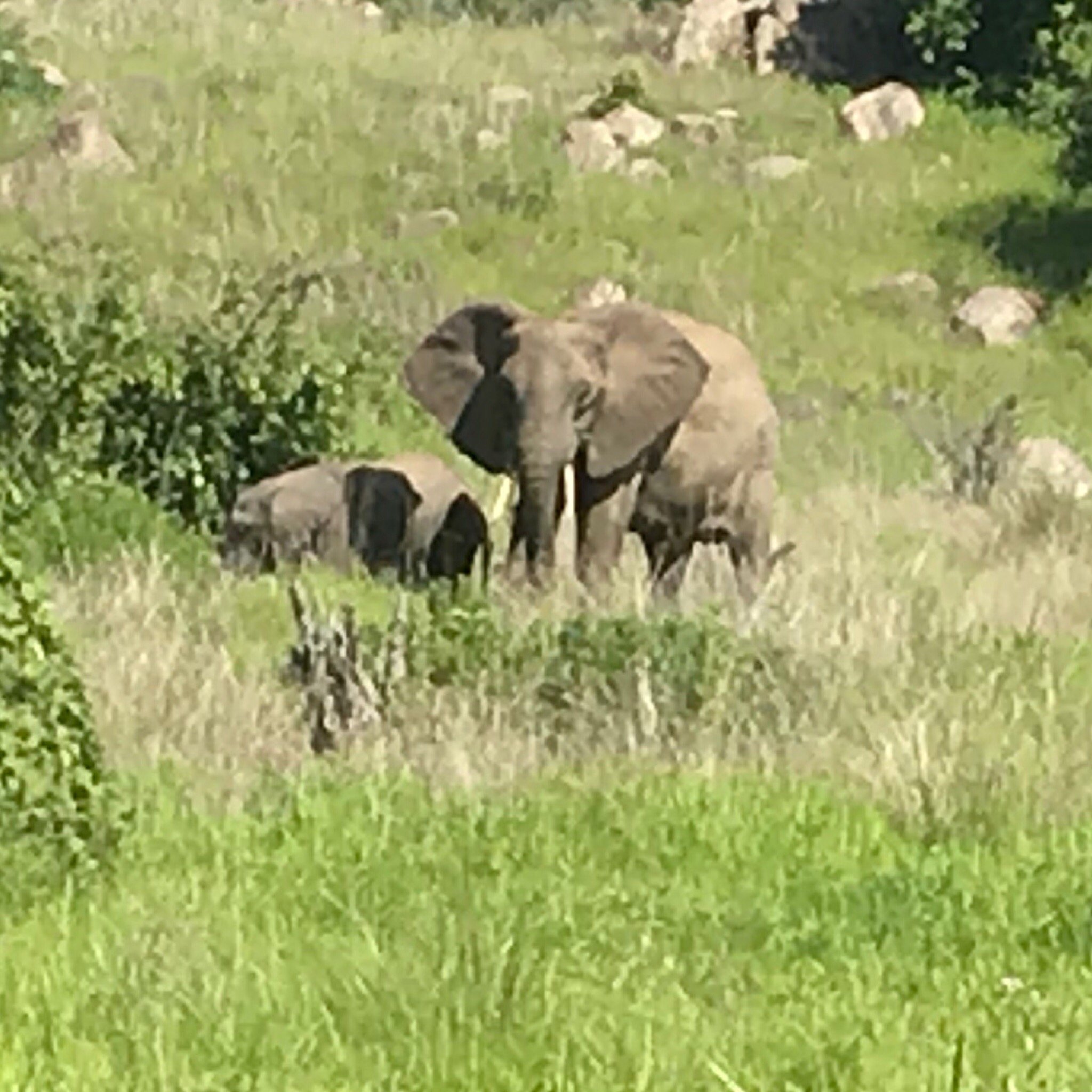
Tanzania’s Largest National Park for a Safari
Size is the first thing that sets a Ruaha safari apart. The park spreads across roughly 20,226 square kilometres, which makes it one of the biggest national parks in Tanzania and larger than the Serengeti. Yet only a handful of camps operate inside all that space. The result is a park where you can drive for an hour without meeting another vehicle, and where a sighting stays yours instead of drawing a crowd of vans.
That scale is not just a headline. Ruaha grew to its current size in 2008 when the Usangu wetlands were added, and it forms the core of the wider Rungwa-Kizigo-Muhesi system of around 45,000 square kilometres. Wildlife moves across that whole area, which keeps populations healthy and gives the park a genuine wilderness feel rather than the busy, managed atmosphere of more famous reserves.
Put the numbers side by side and the contrast sharpens. The Serengeti draws hundreds of thousands of visitors a year to its plains, while Ruaha, despite covering more ground, sees only a small fraction of that. Fewer visitors means fewer camps, fewer vehicles at a sighting and more of the park left genuinely wild. For a traveller, the practical upshot is simple: you get a big, empty park largely to yourself, which is increasingly rare on the modern safari map.
The East and Southern Africa Wildlife Overlap
Ruaha sits at a biological crossroads, and that is its rarest quality. The acacia and baobab country of East Africa meets the miombo woodland of the south right here, so the wildlife list reads like two ecosystems folded into one. Greater and lesser kudu both occur, which is unusual in a single park. Sable and roan antelope share ground with Grant’s gazelle and impala. Even the hyenas double up, with the shy striped hyena moving through the same nights as its spotted cousin.
For anyone who has done a few safaris and thinks they know the standard cast, this overlap is what makes Ruaha feel new. You are not just ticking off the usual animals in a different setting. You are seeing species side by side that rarely meet anywhere else, which is a real draw for repeat visitors and keen wildlife watchers.
The overlap is a geographic accident with a big payoff. Ruaha sits near the meeting point of two of Africa’s great faunal zones, so animals that usually keep to the east or the south both reach their range limits here and share the same country. That is why a single drive can turn up an East African lesser kudu and a Southern African greater kudu, or Grant’s gazelle grazing beside impala. Researchers prize the park for exactly this reason, and for a visitor it means the wildlife list is longer and stranger than almost anywhere else in Tanzania.
Lion and Predator Density on a Ruaha Safari
Ruaha is lion country above all. The greater Ruaha area is often cited as holding close to a tenth of the world’s remaining lions, and while any single figure like that warrants caution, the density on the ground earns the reputation. Prides here run large, with groups of more than twenty seen fairly regularly, and they are bold enough to hunt buffalo and even young giraffe.
The park backs its lions with a full predator cast. Leopard sightings are reliable, cheetah work the open plains, and Ruaha holds one of the last strongholds of the endangered African wild dog, with around a hundred ranging across it. Few parks anywhere put this many top predators in one place, which is why a predator safari in Ruaha ranks among the best on the continent for cats and dogs alike.
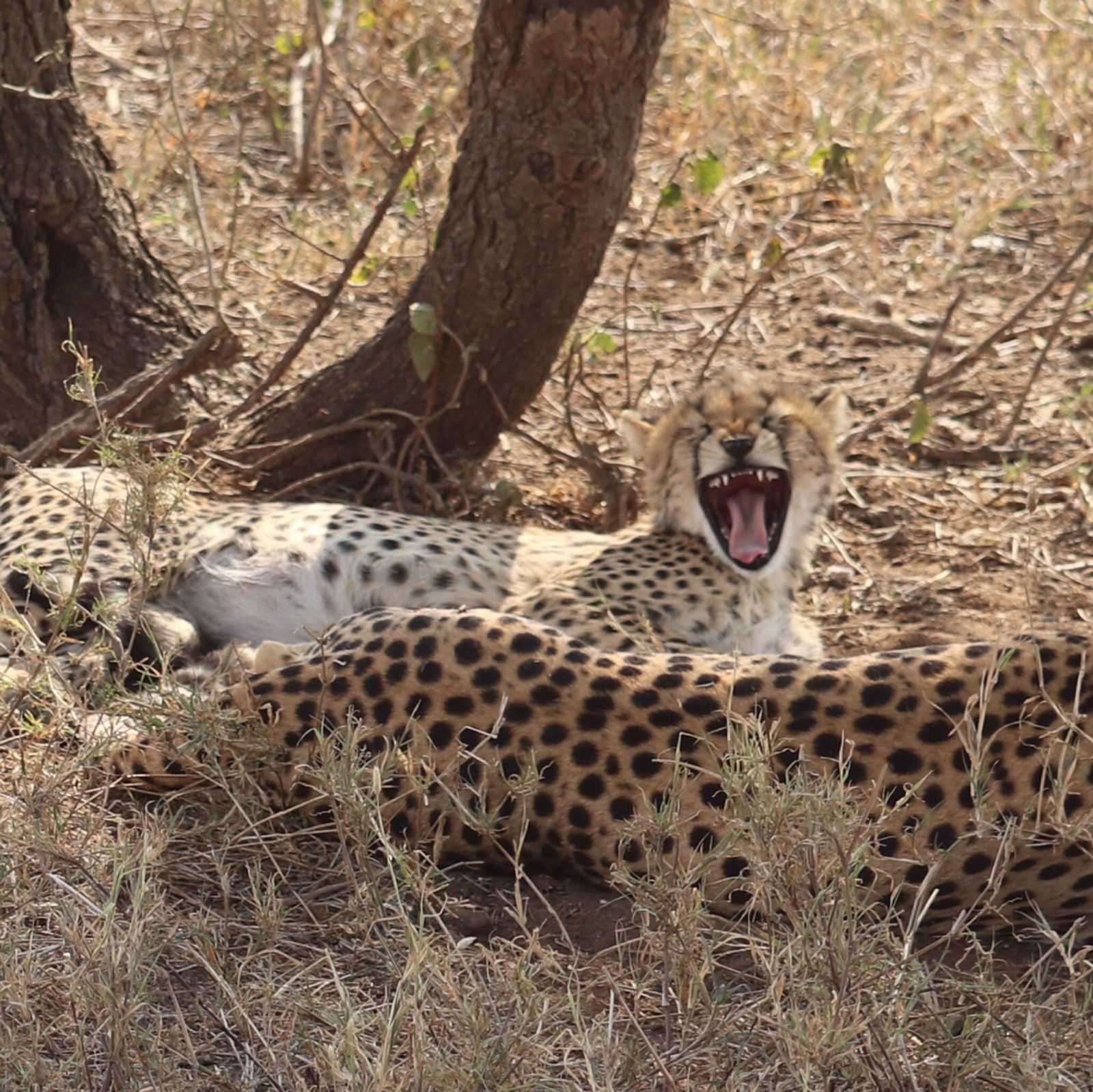
Bigger than the Serengeti, with a fraction of the vehicles and roughly a tenth of the world’s lions in the wider area, Ruaha offers a rare thing in modern safari travel: space.
The Great Ruaha River and Its Dry-Season Drama
The Great Ruaha River is the park’s spine, and it drives one of the more dramatic wildlife shows in Tanzania. Through the long dry months the river shrinks to a chain of pools, and everything that needs to drink is forced toward the water. Elephant herds dig into the sandy bed for water, hippo crowd the shrinking pools, and predators set up along the banks where the prey has to come. Park the vehicle by the river on a dry-season morning and much of Ruaha files past you over the course of a few hours.
Baobab Country and Varied Terrain
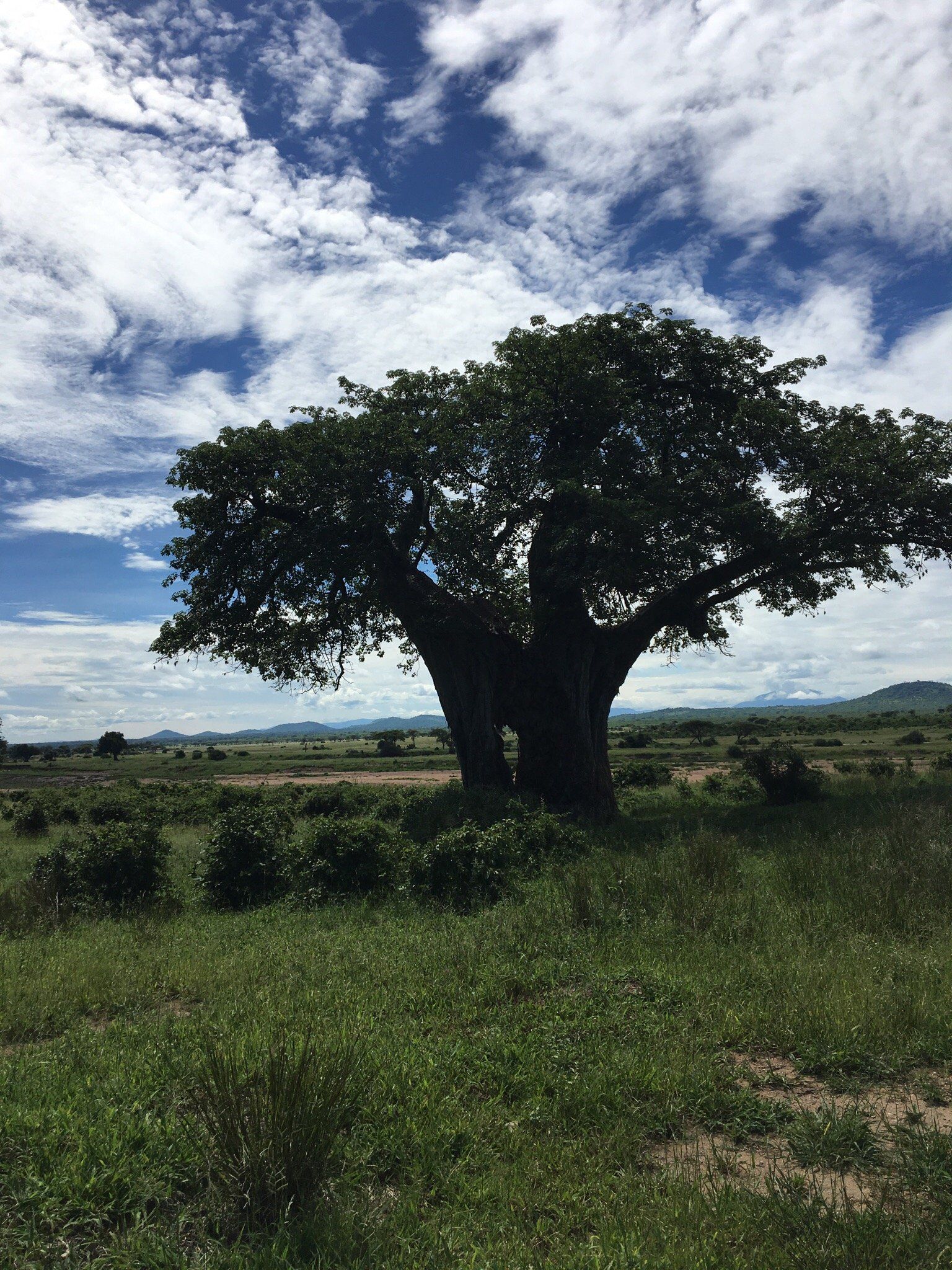
Ruaha looks like nowhere else too. Ancient baobabs stand across the plains, swelling in the wet season and shedding their leaves in the dry to resemble upside-down trees. Rolling hills, rocky outcrops and open grassland give way to miombo woodland on the higher ground, and the Usangu wetlands add seasonal marsh in the west. That spread of country, from hot river bottom to cooler wooded highland, is a big part of why the wildlife list runs so long, since each habitat suits different animals.
The baobabs are worth a moment on their own. Some are centuries old, their trunks scarred where elephants have stripped the bark for moisture in the dry season, and they give Ruaha a look that photographs unlike the open grass plains of the north. Come at dawn or dusk and a lone baobab against a big sky is one of the images people carry home. Between the trees, the sandy tributaries of the Great Ruaha cut through the country, and these dry riverbeds are often where the best game viewing happens, since animals use them as highways and as places to dig for water.
A Crowd-Free Safari in a Vast Wilderness
The quiet is part of the product. Even in peak dry season, Ruaha stays empty next to the northern parks, and off-season you can feel like the only visitor for miles. For travellers who picture a safari as a wild, private thing rather than a queue of vehicles at a sighting, this is the park’s quiet trump card. A Ruaha safari trades some of the north’s game density for a sense of having the wilderness to yourself, and many repeat safari-goers rate that trade well worth making.
Walking Safaris and Wild Dog Tracking in Ruaha
Ruaha also lets you get out of the vehicle in ways the busier parks often cannot. A walking safari with an armed ranger changes the whole scale of the place, dropping you from big set-piece sightings to tracks in the sand and the alarm calls that give away a nearby predator. Camps such as Kichaka, Jongomero and Ikuka build real programmes around walking. Add the chance to track wild dogs in the denning season, and Ruaha offers a more hands-on, active safari than the classic vehicle-only circuits. Few parks anywhere combine this much predator density with the freedom to explore on foot, and that pairing is a real part of what sets Ruaha apart from the bigger, busier names.
Best Time to See What Makes Ruaha Unique
The dry season from June to October shows off most of what makes the park special, when the river drama peaks, predators concentrate and walking conditions are at their best. The green season from November to April swaps that for the fullest birding, the most photogenic country and near-empty roads, at the cost of more scattered game. Either way, Ruaha’s size, its wildlife overlap and its quiet stay constant through the year, so the park’s character comes through whenever you visit.
Frequently Asked Questions
What is Ruaha National Park best known for?
Its predators, above all its lions, and its sense of wild, crowd-free space. The greater Ruaha area is often cited as holding around a tenth of the world’s remaining lions, in some of the largest prides recorded, and the park is also a stronghold for endangered wild dogs and one of the few homes of cheetah in East Africa.
How is Ruaha different from the Serengeti?
They offer different trips. The Serengeti brings the migration, very high game density and more vehicles. Ruaha, though larger in area, trades some of that volume for space, strong predator viewing, unusual antelope and real solitude. First-timers chasing the classic spectacle often start with the north, while those wanting wildness with few crowds pick Ruaha.
Why does Ruaha have such unusual wildlife?
Because it sits where East African and Southern African species overlap. That crossroads means greater and lesser kudu occur together, sable and roan share ground with Grant’s gazelle and impala, and both striped and spotted hyena are present. Few parks anywhere hold this particular mix, which is the heart of what makes Ruaha unique.
Is Ruaha worth the extra effort to reach?
For the right traveller, yes. It takes a flight or a long drive to get here, but that remoteness is exactly what keeps the park quiet and wild. Visitors who value space, strong predators and an unusual wildlife list over easy access and big crowds tend to find Ruaha well worth the trip in.
How much does a Ruaha safari cost?
It varies with how you travel and where you stay. Park entry for a non-resident adult is currently around 30 US dollars per person for each 24 hours before 18 percent VAT, with reduced rates for residents and East African citizens. Flights from Dar es Salaam have commonly run around 380 dollars per person each way, and accommodation ranges widely by tier. Confirm current park fees with TANAPA before you travel.
Plan Your Ruaha Safari
What makes Ruaha special is easier to feel with a guide who knows why the park earns its reputation, and you do not have to plan the trip alone. The safari companies and tour operators listed on this website run Ruaha safaris through every season, with guides who can show you the wildlife overlap, the river drama and the quiet that set the park apart. Ask them straight and they will tell you what your dates are likely to deliver.
Whether the budget is tight or open, the days get built around what you most want to see, and the flights, park bookings and camp choices are handled in the background so none of the admin lands on you. Want a proper quote, or just a steer on where to start? Reach out to the operators listed here, and a real person, not a bot, will get back to you.