Where Are the Best Places to See Elephants in Ruaha?
The best places to see elephants in Ruaha are along the Great Ruaha River and its sand tributaries such as the Mwagusi, especially in the dry season when the herds gather to dig for water in the riverbeds. The baobab plains and waterholes also hold good numbers. Ruaha carries one of Tanzania’s largest elephant populations. The park is one of Tanzania’s largest national parks, in the south-central Iringa Region, and the anchor of the country’s quieter southern safari circuit.
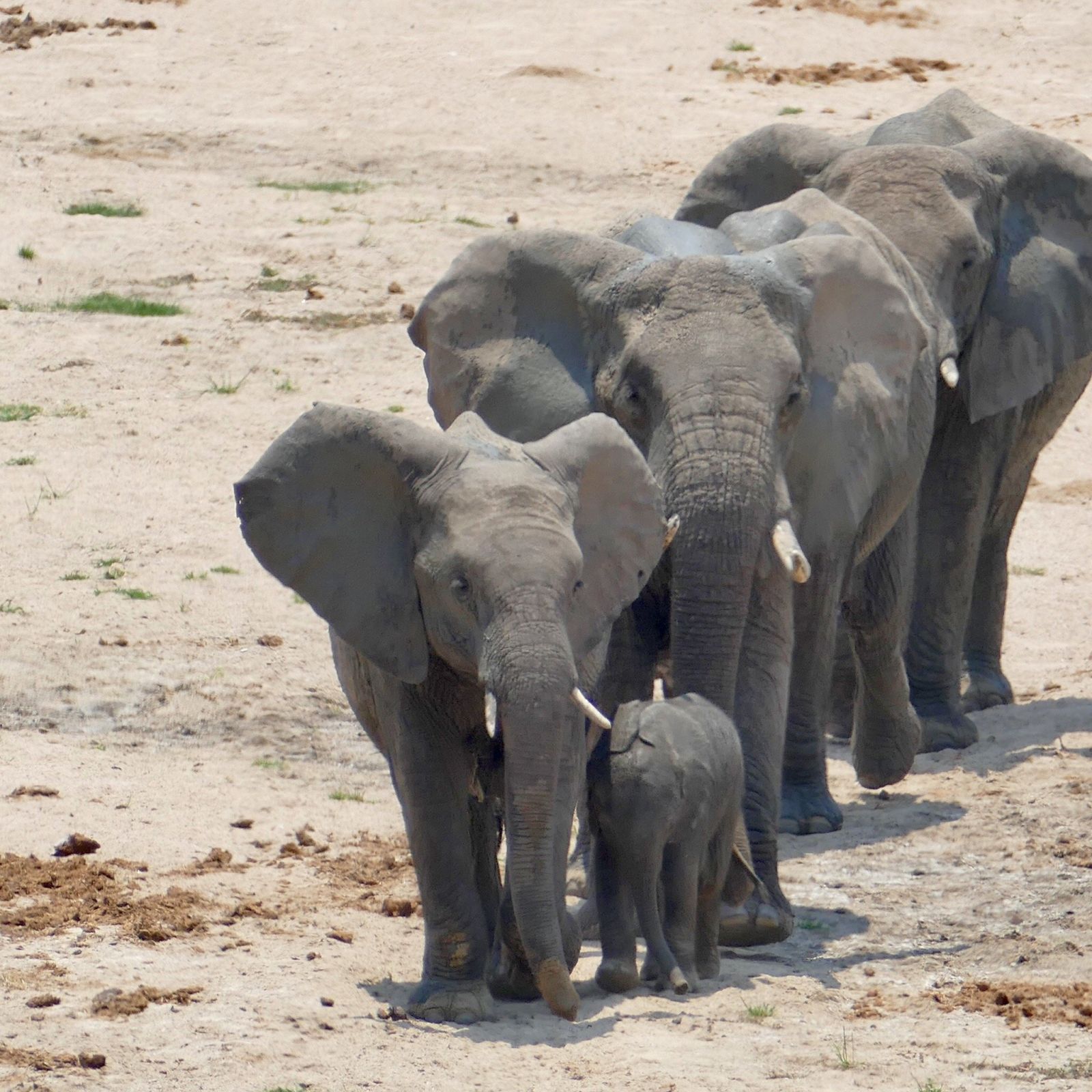
The Great Ruaha River: Prime Elephant Safari Country
If you want elephants, head for the water. The Great Ruaha River is the single best place for an elephant safari in the park, especially through the dry months when surface water elsewhere has vanished. The herds come to the river to drink, bathe and dig, and a morning or late afternoon spent along the banks usually turns up families of all sizes. Because the river is the lifeline of the whole park, it draws not just elephants but the wider game, so a drive here rarely disappoints.
The riverbanks also give you the chance to watch elephants at length rather than in passing. A family group at the water may linger for an hour or more, letting you settle in and observe the interactions, the youngsters playing, and the matriarch keeping order. This is elephant viewing at its most rewarding, and it is why so many camps sit within reach of the river.
There is a rhythm to it worth planning around. Elephants tend to come to the water in the cooler parts of the day, so an early morning or a late afternoon drive along the river is far more productive than the baking midday hours, when the herds retreat into shade. Position yourself near a good stretch of river or a pool, be patient, and the elephants come to you rather than the other way round. Over a couple of days, this river-focused approach reliably delivers close, unhurried elephant sightings that a quick pass through the park never would.
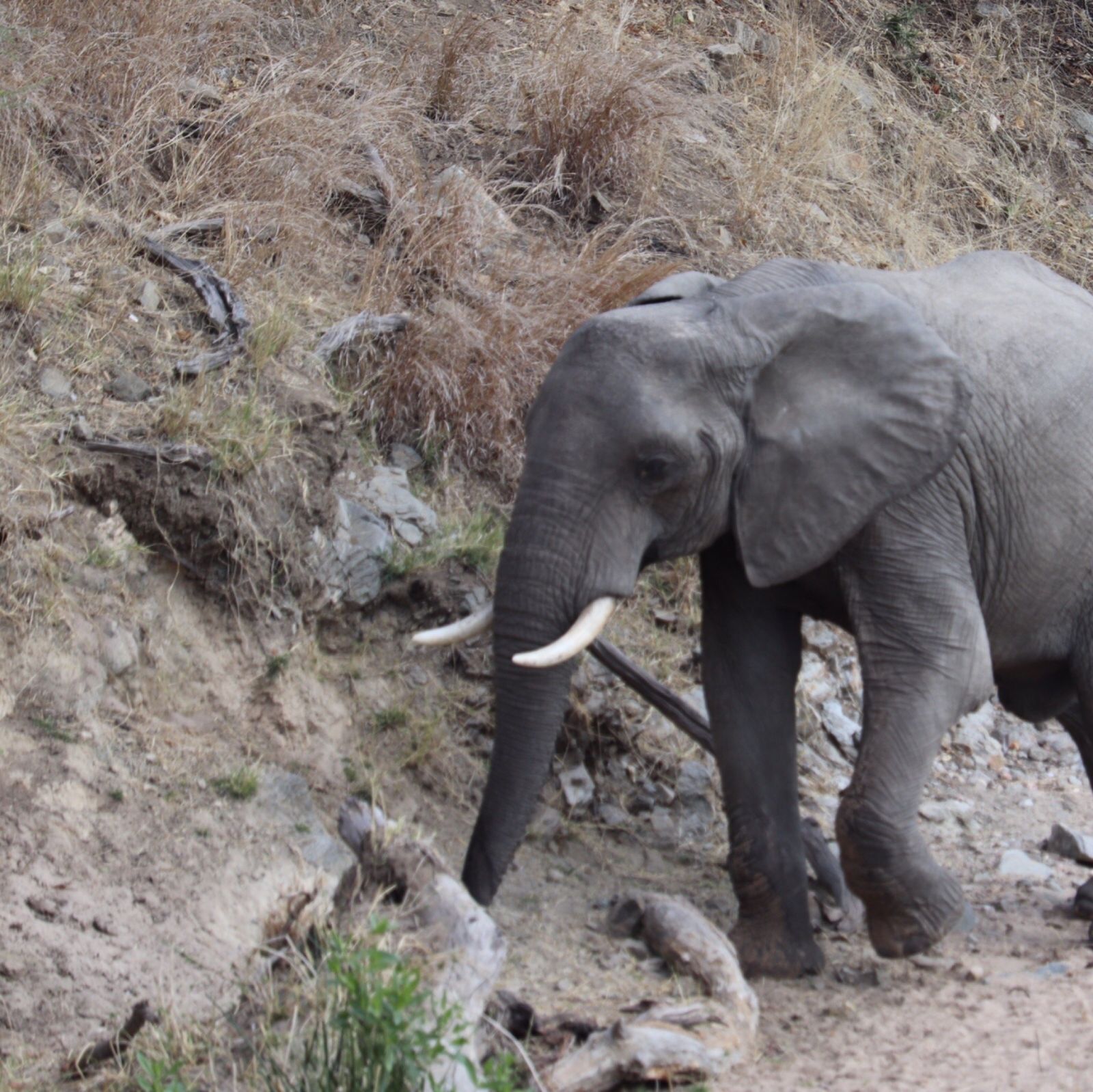
The Mwagusi Sand River for Elephant Sightings
The Mwagusi Sand River is another reliable place for elephants, and in some ways an even better one. This seasonal watercourse runs dry on the surface for much of the year, but water sits just beneath the sand, and elephants dig down to reach it. Watching a herd excavate their own wells in the riverbed, then wait for the clean water to seep in, is one of the more memorable sights of a Ruaha safari. The Mwagusi corridor concentrates game in the dry season, and one of the park’s classic camps sits on its banks precisely because of this.
The digging is worth understanding, because it shows elephants at their most resourceful. Using their trunks and front feet, they scoop deep holes in the sand until clean water seeps up from below, a skill the youngsters learn by watching the adults. These wells do more than serve the elephants, since other animals drink from them once the herd moves off, so a stretch of the Mwagusi can become a hub of activity built entirely around the elephants’ work. Spending a morning parked near an active digging site often turns into a long, layered sighting as the riverbed fills with life.
Watching Elephants Dig for Water in the Dry Riverbeds
The digging behaviour is worth seeking out on its own. As the dry season deepens and the rivers shrink, elephants use their trunks and front feet to scoop out holes in the sandy beds, reaching water that lies below the surface. These elephant-dug wells become a shared resource, used by other animals once the elephants move on, so a dry riverbed can turn into a busy little water source. Finding a herd at work in a sand river is one of the highlights guides look for in the dry months, and it shows elephants solving the problem of survival in a hard season.
In the driest weeks, Ruaha’s elephants become water engineers, digging wells in the sand that other animals then share. Few places let you watch the behaviour as closely as the park’s dry riverbeds.
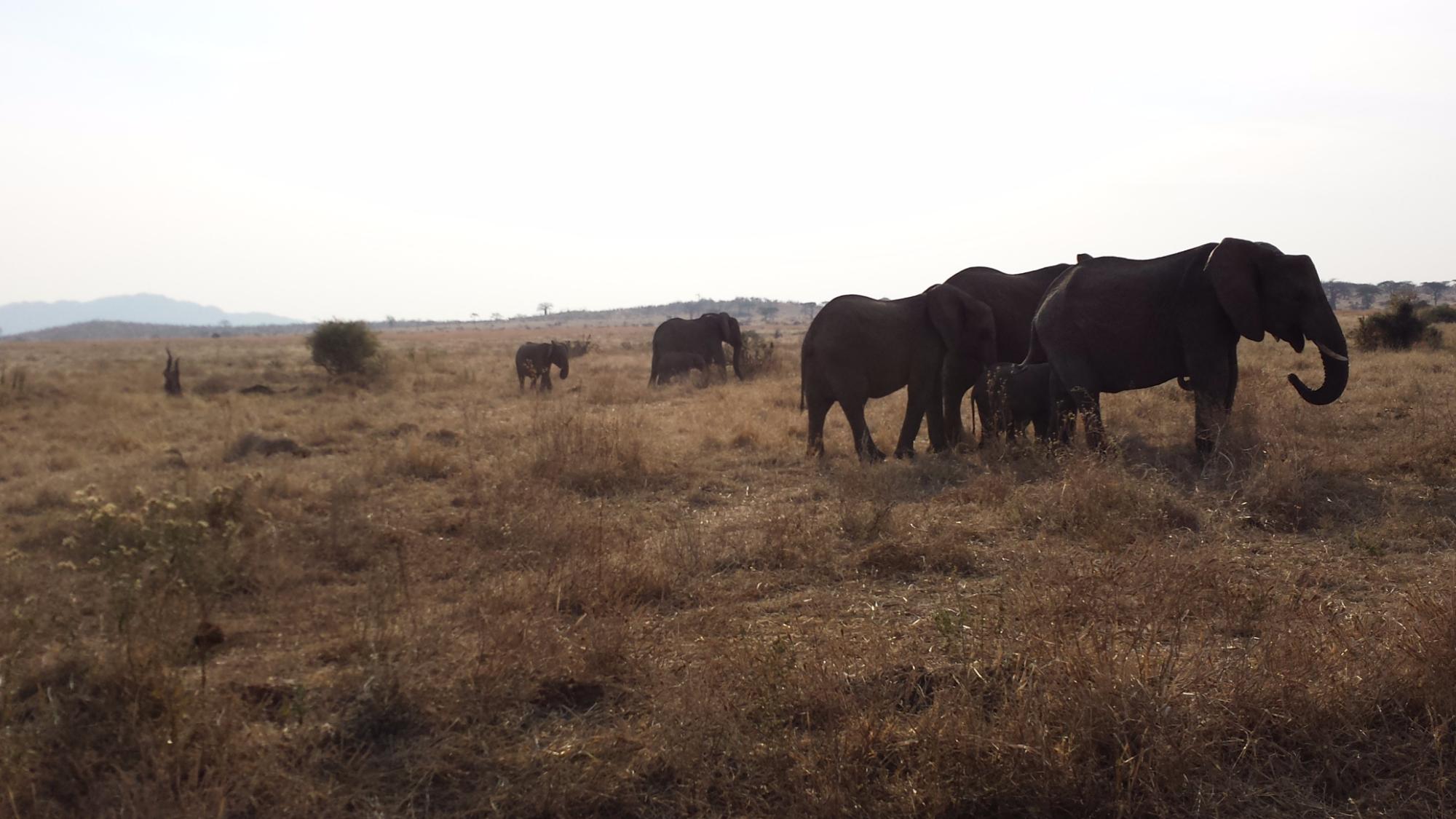
Elephant Herds Around the Baobab Plains
Away from the rivers, the open baobab plains hold elephants too, particularly where waterholes linger. Elephants have a long relationship with the park’s ancient baobabs, stripping the bark for moisture in the dry season, which is why so many of the old trees carry scars. Seeing a herd move across the plains beneath the towering baobabs is one of the classic images of a Ruaha safari, and the open country makes for good long-lens photography. In the green season, when water is widespread, the herds spread out across this plains country rather than clustering on the river.
Why Ruaha Has Such Large Elephant Numbers
Ruaha is one of the best elephant parks in Tanzania, carrying a population commonly put around ten thousand across the greater ecosystem, among the largest concentrations in the country. The reason comes down to space and water. The park’s vast size, its place at the heart of a much wider protected area, and the year-round water in the Great Ruaha system together support big herds and let them move as they need to. That scale is what makes reliable elephant viewing possible, since the animals have the room to thrive rather than being squeezed into a small reserve.
The population has a history worth knowing, too. Like elephants across much of Africa, Ruaha’s herds came under heavy pressure from poaching in past decades, and numbers fell from earlier highs. Sustained anti-poaching and conservation work across the greater ecosystem has helped the population hold and recover, which is part of why the park remains such a stronghold. Seeing large herds along the river today is, in a quiet way, a conservation success, and it is one reason the park’s protected status and its connection to the wider reserves matter so much for the animals’ future.
Best Time of Year to See Elephants on a Ruaha Safari
The dry season, broadly June to October and sharpest from August, is the best time for elephants. As the land dries and water shrinks to the river and its sandy beds, the herds concentrate where you can find them, and the digging behaviour is at its most active. In the green season from November to April, water is everywhere, so the elephants disperse across the park and are harder to pin down, though the green country and the sight of herds among fresh growth have their own appeal. For the most reliable and dramatic elephant viewing, aim for the second half of the dry season.
How to Photograph Elephants on a Ruaha Safari
Elephants reward a bit of photographic thought. The best light falls in the early morning and late afternoon, which happens to be when the herds are most active at the water, so time your drives for the golden hours. A zoom lens lets you frame both wide scenes, with elephants beneath the baobabs, and closer portraits of a family at the river. Keep a respectful distance and let your guide position the vehicle, since elephants deserve space and a calm approach gives the best images anyway. A beanbag steadies a long lens over the vehicle, and patience at a good sighting beats chasing several from afar.
Getting to the Best Elephant Areas in Ruaha
Reaching the prime elephant country is simple, since the Great Ruaha River and the Mwagusi are central to the park and close to most camps. If elephants are a priority, base yourself at a camp in the central river area rather than the remote south, so the best areas are on your doorstep for the dawn and dusk drives when the herds gather. Your guide will work the river and its tributaries, which is exactly where the elephants concentrate in the dry season, so you rarely have to travel far to find them.
Frequently Asked Questions
Where is the best place to see elephants in Ruaha?
The Great Ruaha River and the Mwagusi Sand River are the best places, especially in the dry season when herds gather to drink and to dig for water in the sandy beds. The baobab plains and lingering waterholes also hold elephants. Basing at a central camp near the river puts you close to the prime elephant country.
How many elephants are in Ruaha?
Ruaha carries one of Tanzania’s largest elephant populations, commonly put around ten thousand across the greater ecosystem. The park’s size, its connected wider protected area, and the year-round water in the Great Ruaha system all help support these big numbers.
When is the best time to see elephants in Ruaha?
The dry season, broadly June to October and sharpest from August, is best. As water shrinks to the river and its sandy beds, the herds concentrate where they are easy to find, and the water-digging behaviour is at its most active. In the green season the elephants disperse across the park and take more finding.
Why do elephants dig in the riverbeds?
In the dry season, surface water disappears, but water remains just beneath the sand of the seasonal rivers. Elephants dig down with their trunks and feet to reach it, creating wells that other animals then use too. Watching this behaviour in a dry sand river is one of the highlights of a dry-season Ruaha trip.
How much does an elephant safari in Ruaha cost?
Elephant viewing happens on standard game drives, so the cost is that of any Ruaha safari. Park entry for a non-resident adult is currently around 30 US dollars per person for each 24 hours before 18 percent VAT, with reduced rates for residents and East African citizens. Flights from Dar es Salaam have commonly run around 380 dollars per person each way, and accommodation ranges by tier. Confirm current fees with TANAPA before you travel.
Plan Your Ruaha Safari
Putting yourself in the right place at the right hour for elephants is the difference between a passing glimpse and a long, close sighting, and a good guide makes that happen. The safari companies and tour operators listed on this website run drives along the Great Ruaha and the Mwagusi through the dry season, and they can base you where the herds gather so you catch them at their best.
Whether the budget is tight or open, the drives get built around what you most want to see, and the flights, park bookings and camp choices are handled in the background so none of the admin lands on you. Want a proper quote, or just a steer on timing for elephants? Reach out to the operators listed here, and a real person, not a bot, will get back to you.